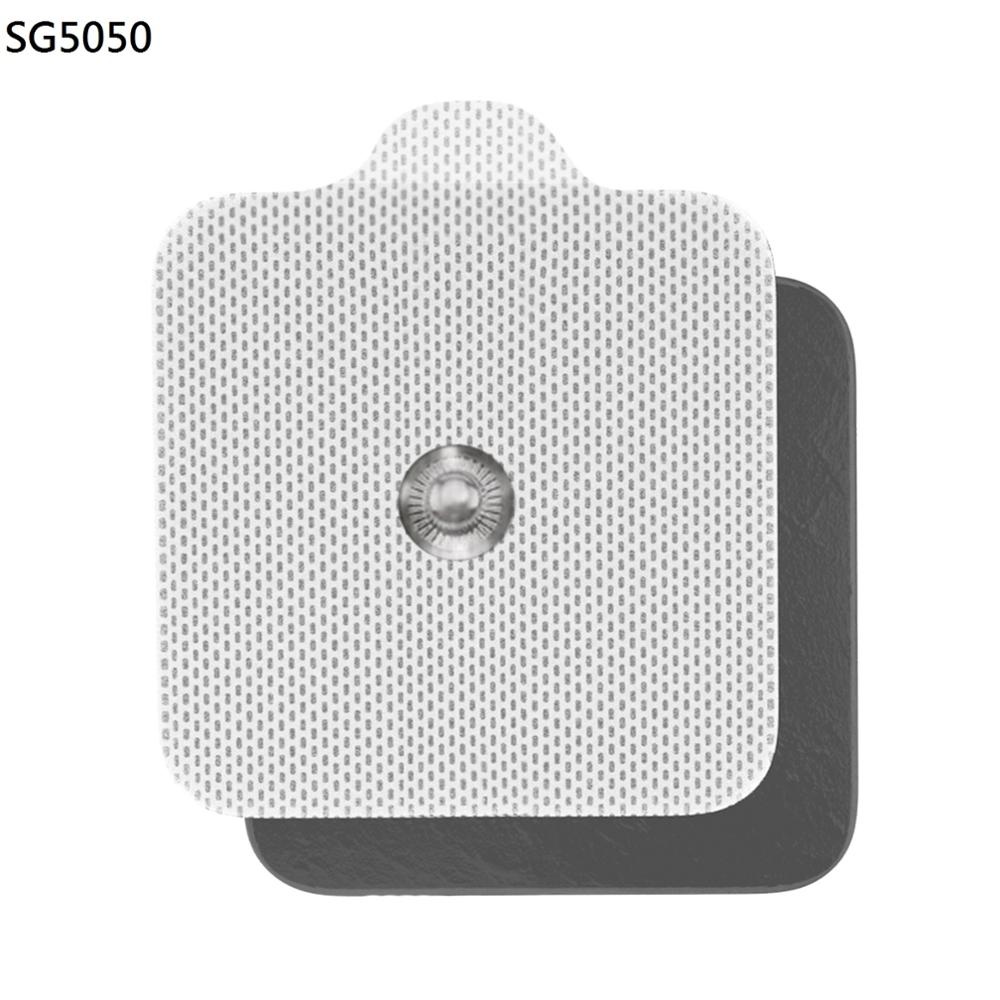
Clinical & Rehabilitation Equipment Line
Featured Electrotherapy & Traction Therapy Systems
Direct OEM/ODM Supply from Certified Manufacturing Facilities
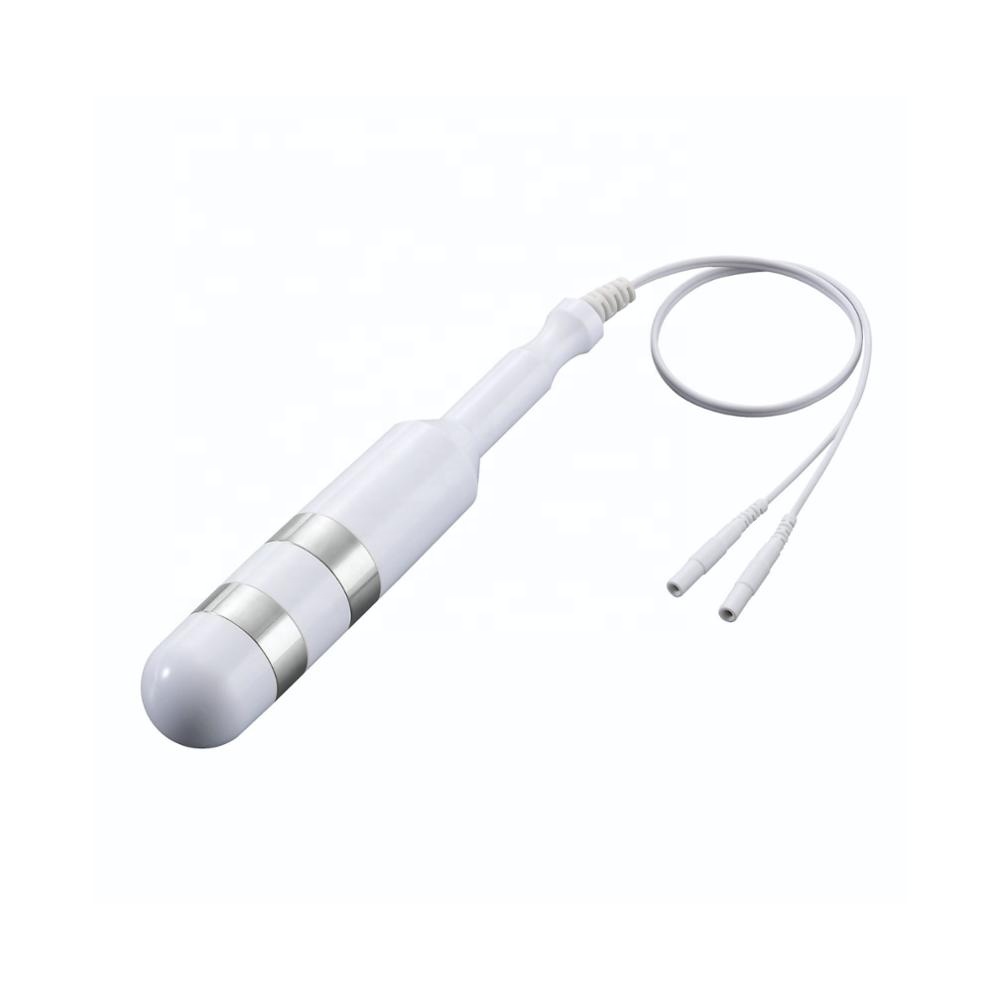
Everyway-Medical PR-03A Class II Vaginal Probe for Pelvic Floor Therapy Equipment
View Specs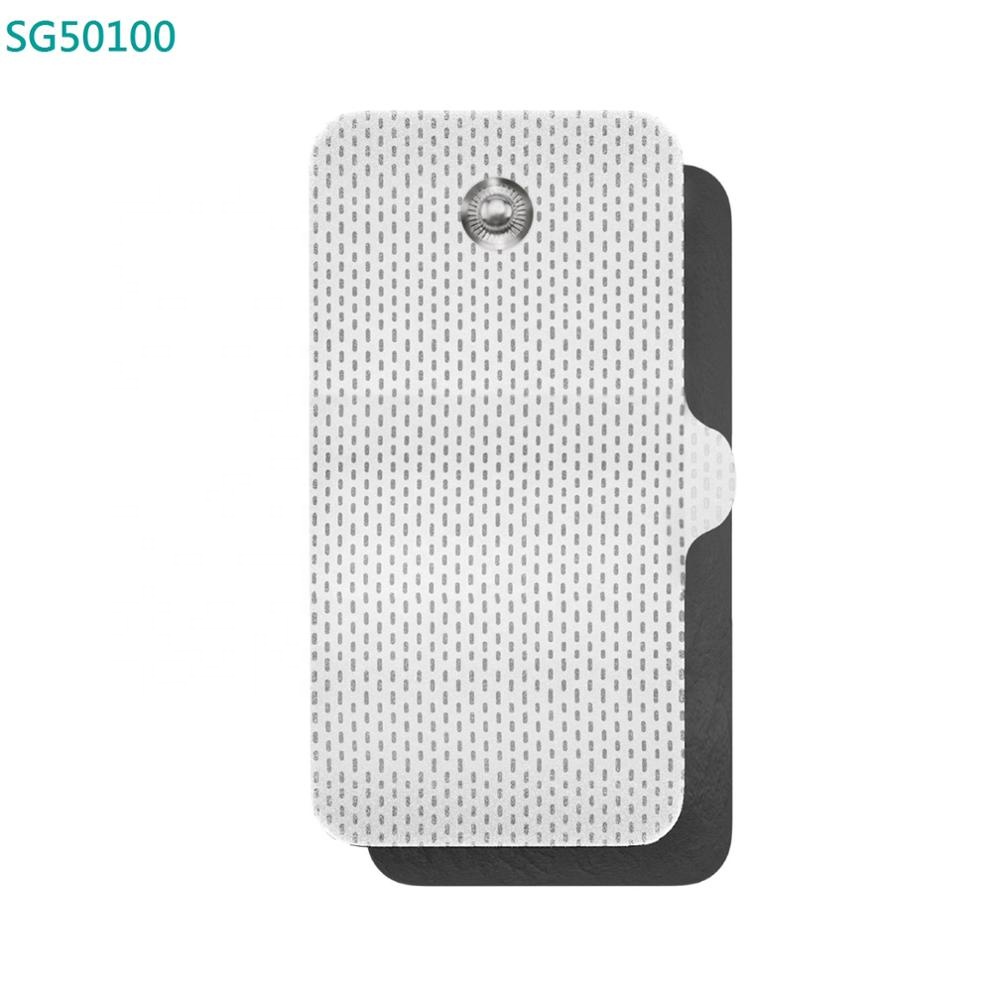
Everyway Snap Adhesive EMS Pads 50100 Taiwan-Made Class I Carbon Film Latex-Free Gel Pads
View Specs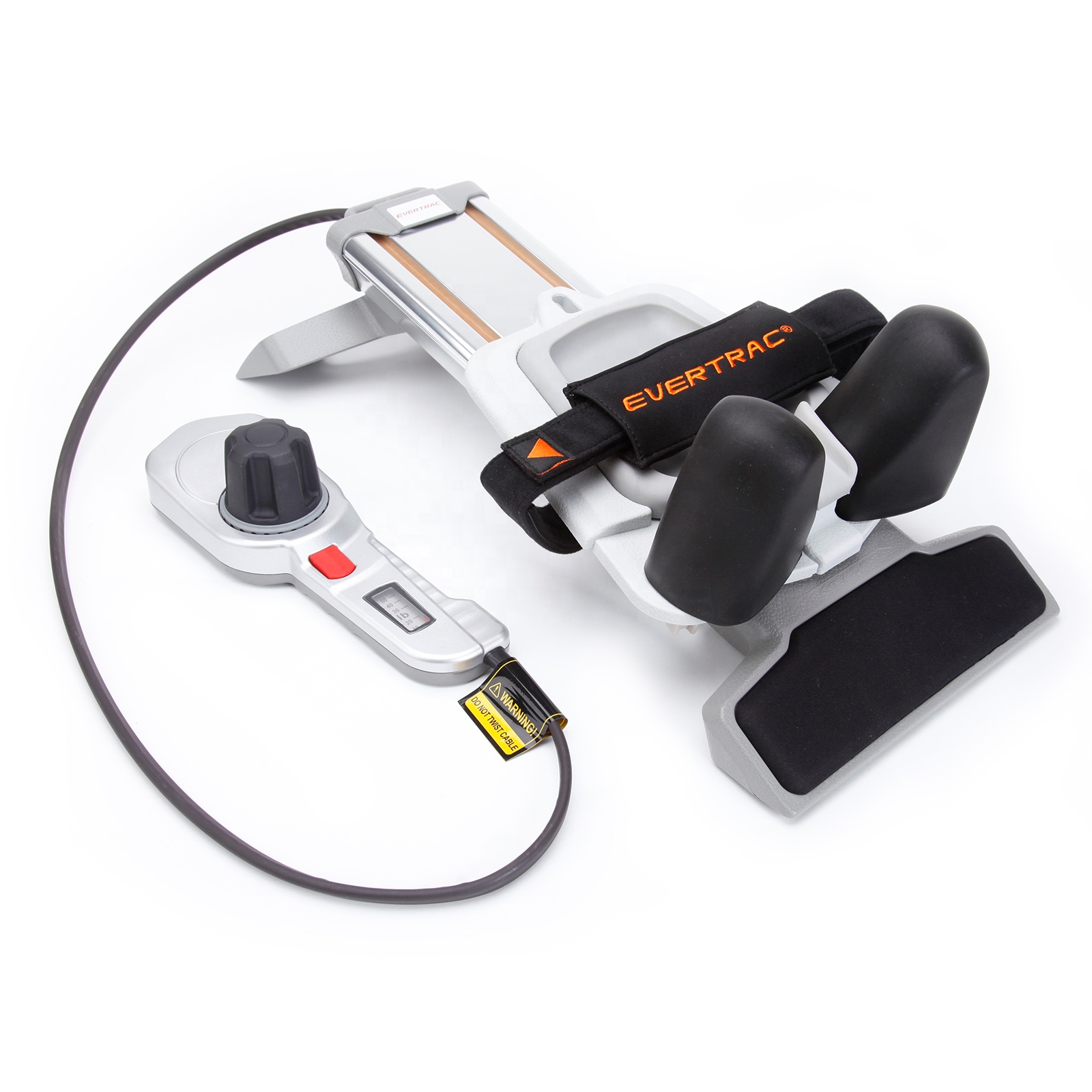
CT-800 Cervical Traction Unit Effective Neck Stretcher Device
View Specs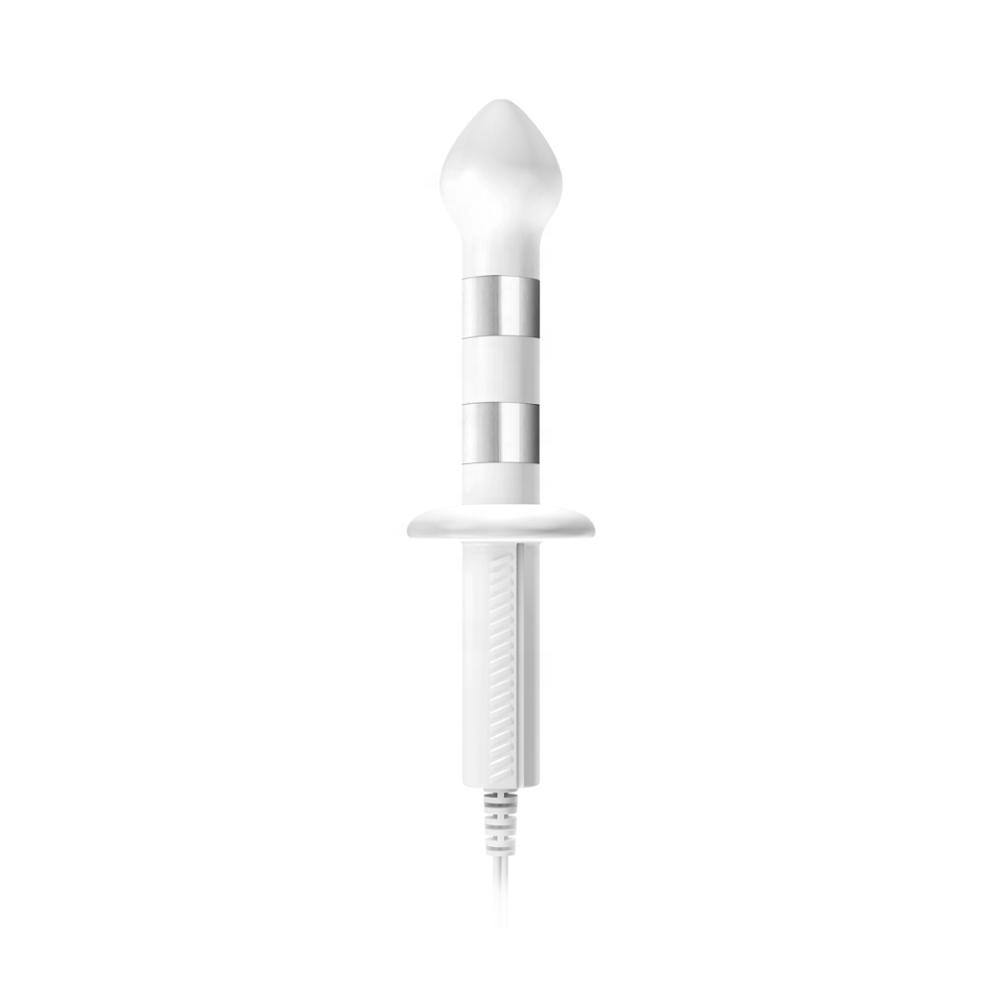
PR-13A Rectal Probe Taiwan Medical Probe Anal Probe for Incontinence Relief
View Specs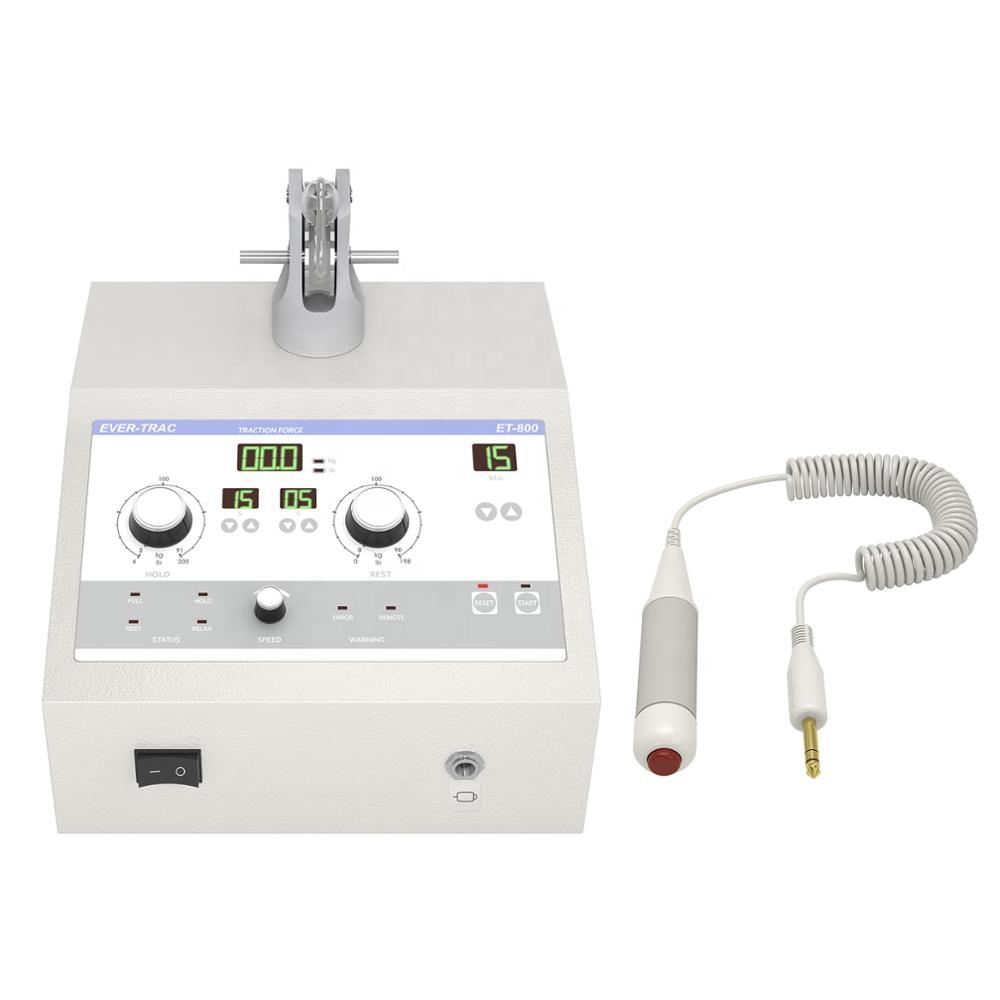
ET-800 Therapy Machines for Traction and Correction Units
View Specs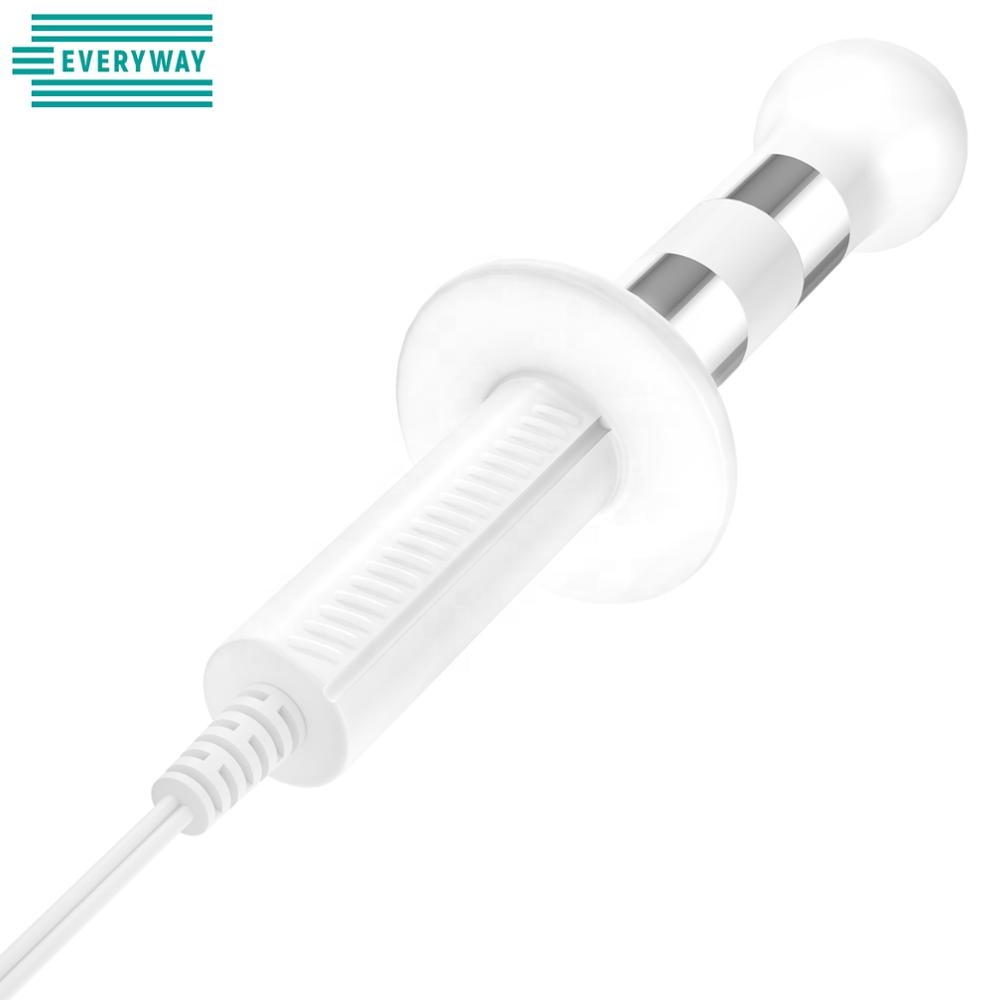
Taiwan PR-13A Medical Steel and ABS Rehabilitation Probe for Rectal Use
View Specs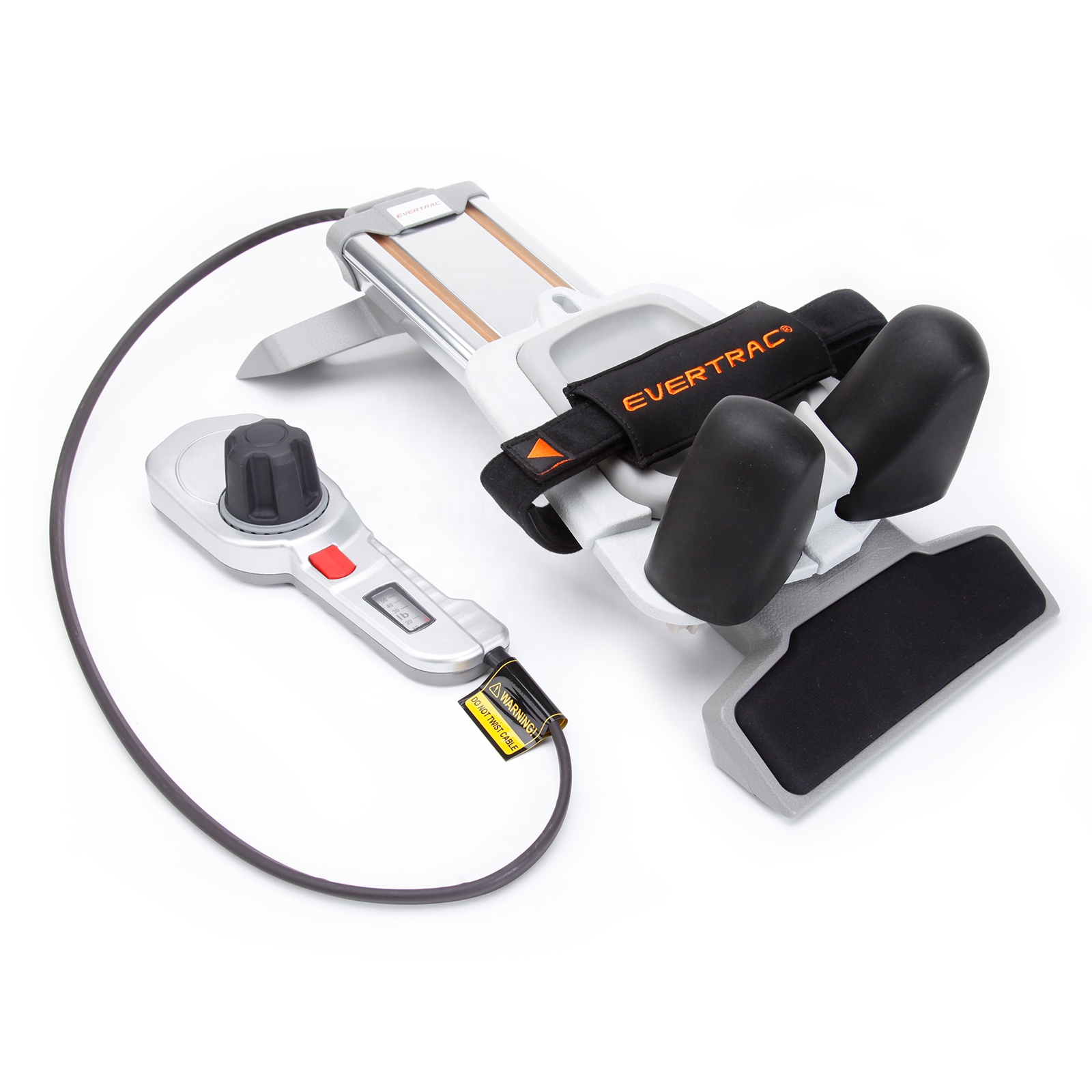
Taiwan CT-800 Neck Traction Physiotherapy Equipment for Physical Therapy
View Specs35+
Years Manufacturing Excellence (Est. 1989)
60,000+
Daily Electrotherapy & Pad Output
70+
Countries Exported (Incl. CA & USA)
100%
ISO 13485 & SGS On-Site Assessed
Industry Whitepaper & Technical Deep Dive
1. Technical Engineering of Traction Therapy Tables: Mechanics, Load Profiles, and Safety Systems
Traction therapy tables represent the mechanical cornerstone of modern non-surgical spinal decompression, spinal manipulation, and advanced musculoskeletal rehabilitation. For clinical facilities across North America—and specifically throughout Canadian provincial healthcare networks—the choice of a traction therapy table OEM factory impacts not only immediate clinical outcomes for herniated discs, degenerative disc disease (DDD), and radiculopathy, but also long-term equipment durability, liability exposure, and operational uptime.
From an engineering perspective, a medical-grade traction therapy table must seamlessly integrate three synchronized mechanical subsystems: microprocessor-controlled tension actuators, frictionless split-section table top dynamics, and multi-axial positioning frames. When evaluating traction therapy table factories serving Canada, clinical buyers must examine structural integrity, motor duty cycles, electrical safety certifications, and localized cold-climate vinyl endurance.
Information Gain Insight: Unlike standard physical therapy treatment plinths, traction tables undergo continuous, cyclic axial tension ranging from 10 lbs (cervical applications) up to 200+ lbs (lumbar decompression). Factories using inferior tubular steel or uncalibrated load cells risk frame distortion, motor burnout, and clinical inaccuracy, which can trigger severe patient discomfort or safety hazards.
Core Mechanical Subsystems of Decompression Traction Tables
- Frictionless Friction Reduction Split-Sections: Professional traction tables feature floating thoracic and lumbar sections mounted on heavy-duty linear ball-bearing rails. When the traction unit exerts tension, the lower table section glides independently, eliminating friction between the patient's body weight and the cushion surface. This ensures that 100% of the programmed traction force is delivered precisely to the lumbar spine.
- Dual/Triple Electric Motor Elevation: High-end traction tables employ ultra-quiet, high-torque LINAK or equivalent medical actuators. Height adjustments allow therapists to safely transfer patients from wheelchairs while optimizing biomechanical leverage during manual manipulation.
- Integrated Traction Mount Interfaces: Structural steel mounting brackets engineered into the table chassis ensure that units such as the ET-800 or CT-800 cervical traction modules maintain absolute alignment without flex or vibrational noise during high-poundage decompression cycles.
2. Localized Canadian Application Scenarios & Regional Clinical Demands
Supplying the Canadian healthcare market requires an acute understanding of Canada’s unique geographic, climatic, and regulatory realities. Physical therapy clinics, chiropractic facilities, hospital outpatient rehabilitation departments, and private sports clinics from British Columbia to Newfoundland operate under distinct operational environments.
Winter Musculoskeletal Strain & Industrial Rehab (Alberta & Ontario)
In heavy industrial and agricultural provinces like Alberta, Ontario, and Saskatchewan, prolonged cold weather, heavy physical labor, and winter ice slip-and-fall incidents lead to elevated incidences of acute lumbar disc herniations and chronic spinal compression. Clinics require heavy-duty traction tables capable of handling higher patient weight capacities (up to 225 kg / 500 lbs) with high-duty-cycle motors that operate smoothly under high-volume daily clinic use.
Metropolitan Sports & Postural Ergonomics (Vancouver & Toronto)
Urban centers such as Vancouver, Toronto, and Montreal see high demand for cervical and lumbar traction caused by sedentary office posture, repetitive neck flex strain, and athletic injuries. Clinics prioritize multi-section versatility—tables that can convert rapidly from cervical traction settings to general manual therapy, pelvic tilt adjustments, and dry-needling positioning within limited clinic square footage.
Hospital & Multidisciplinary Public Health Networks (Quebec & Maritimes)
Public healthcare networks, rehabilitation institutes, and university-affiliated clinics in Quebec and the Maritime provinces demand strict compliance with institutional hygiene and electrical standards. Antimicrobial, flame-retardant, and fluid-resistant medical upholstery that withstands harsh hospital-grade disinfectant wipes (such as Accelerated Hydrogen Peroxide or Quaternary Ammonium cleaners) is a mandatory procurement specification.
Remote Community Health Outposts (Northern Territories & Rural CA)
Sourcing medical equipment for remote northern health posts requires equipment with high reliability, minimal maintenance requirements, modular plug-and-play actuators, and robust packaging to survive long-distance transit across freight networks without loss of calibration.
3. Technical Specification Matrix: Traction Tables & Systems Comparison
To assist Canadian procurement officers and clinic directors in technical evaluation, the following matrix compares core parameters across industry-standard physical therapy traction tables and traction control units manufactured by specialized factories serving Canada:
| Feature / Parameter | High-End Electric Traction Table | CT-800 Cervical Traction Unit | ET-800 Digital Traction Machine |
|---|---|---|---|
| Primary Application | Lumbar & Cervical Decompression, Manual Therapy | Targeted Cervical Spine Traction & Correction | Motorized Tension Delivery & Programming |
| Motor & Actuator Type | Dual Linear Actuators (Height + Friction Section) | Precision Mechanical / Electronic Tension | Microprocessor Servo Motor Control |
| Max Patient Weight / Pull Force | 225 kg (500 lbs) Working Load | Cervical force up to 20 kg (45 lbs) | Digital Traction Force: 1 - 90 kg (200 lbs) |
| Safety Features | Emergency Cut-Off Switch, Anti-Pinch Frame | Patient Hold Release, Angle Limitation | Audio Safety Alarm, Emergency Stop Key |
| Upholstery & Materials | Medical-Grade Antimicrobial Vinyl, Heavy Steel | Contoured Padded Headrest, High-Tension Straps | Flame-Retardant ABS Enclosure, High-Torque Gears |
| Regulatory Approvals | ISO 13485, CE, FDA Listed, CSA Compliant | ISO 13485, CE, FDA Listed | ISO 13485, CE Mark, Class II Medical |
4. Localized Procurement Trends & Regulatory Landscape in Canada
Procuring rehabilitation equipment in Canada involves navigating specific legal, tariff, and operational framework conditions that distinguish Canada from the US and European markets:
Health Canada MDEL & Device Classification
Medical devices imported into Canada are regulated by Health Canada's Therapeutic Products Directorate (TPD). Traction tables and powered traction units fall under Class I or Class II medical device categories. Importers must hold a Medical Device Establishment Licence (MDEL), and factories must provide comprehensive technical files, ISO 13485 certification, and device listings to facilitate seamless customs clearance.
CSA Z32 Electrical Safety Standards
Canadian healthcare facilities enforce CSA Z32 standards (Electrical Safety and Essential Electrical Systems in Health Care Facilities). Powered traction tables shipped to Canada must feature properly grounded power supplies, low leakage current transformers, and robust insulation to comply with Canadian electrical inspection guidelines.
CPTPP Trade Advantage & Freight Corridors
Under the Comprehensive and Progressive Agreement for Trans-Pacific Partnership (CPTPP), medical equipment manufactured in Taiwan benefits from preferential tariff arrangements when entering Canadian ports such as Vancouver or Prince Rupert. Direct sea-rail intermodal corridors connect West Coast ports to major logistics hubs in Calgary, Winnipeg, Toronto, and Montreal, minimizing landed transit times.
5. Enterprise Factory Advantages: Why Partner with USHC Medical Instruments?
USHC Medical Instruments Co., Ltd. (established in 1989 in Taiwan) stands as an internationally recognized OEM/ODM manufacturer specializing in electrotherapy devices, pelvic floor muscle stimulators, replacement electrode consumables, and advanced traction treatment equipment. With over 35 years of engineering precision, USHC Medical serves distributors, medical supply companies, and private label brands across 70+ countries, including extensive supply chains across Canada and the United States.
ISO 13485 & On-Site SGS Audited Quality
Our complete manufacturing footprint operates under an ISO 13485 certified quality management system. The factory undergoes rigorous on-site physical audits by SGS, ensuring that every batch of electrotherapy units, vaginal/rectal probes, and traction accessories satisfies stringent international medical standards.
Massive Consumable Capacity (60,000+ Electrodes/Day)
Beyond capital equipment, USHC Medical operates integrated automated production lines producing over 60,000 pieces of self-adhesive electrode pads daily. Utilizing bio-compatible Japanese hydrogel, latex-free carbon film, and universal 3.5mm snap/2.0mm pin connectors, we power private-label consumable programs for global clinical chains.
Complete OEM/ODM Customization & Turnkey Support
We provide full-spectrum OEM/ODM services—from initial PCB circuit design, custom housing tooling, and software program engineering to private-label silk screening, customized bi-lingual (English/French) user manuals, and regional regulatory documentation packages.
6. Frequently Asked Questions (FAQ) for Canadian Procurement Managers
Q:
How do USHC Medical traction therapy tables and devices comply with Canadian medical importation requirements?
USHC Medical operates under an ISO 13485 quality system and provides full technical documentation—including CE declarations, FDA listings, and electrical safety reports—enabling Canadian importers and MDEL holders to easily register products with Health Canada and pass local customs without delay.
Q:
Can traction tables and electrotherapy devices be customized with dual English/French labeling for Quebec?
Yes. As a dedicated OEM/ODM factory, we routinely manufacture customized control panel overlays, branded silk-screened logos, packaging boxes, and instruction manuals in both English and French to meet Canada's Consumer Packaging and Labelling Act and Quebec language regulations.
Q:
What shipping corridors and logistics options are available for delivery into Canada?
Shipments depart directly from major ports in Taiwan (such as Kaohsiung or Keelung) directly to Vancouver or Prince Rupert, transferring seamlessly via CP or CN Intermodal rail to distribution centers in Toronto, Montreal, Calgary, and Edmonton. Air freight is also available for urgent samples and smaller consumable orders.
Q:
What is the typical minimum order quantity (MOQ) for custom private-label electrode pads and traction accessories?
MOQs depend on the level of customization required. Standard stock models and replacement pads feature low trial MOQs, while full private-label packaging programs typically start at highly accessible volume thresholds. Contact our engineering sales team for exact quotes based on your target specifications.
Q:
How does USHC Medical ensure long-term durability for high-volume physical therapy clinic environments?
Our tables feature heavy-gauge robotic welded steel frames, high-duty-cycle medical linear actuators, double-stitched wear-resistant vinyl, and 100% factory stress-testing before crating. Every unit is engineered to withstand rigorous continuous daily use in professional clinical environments.
Partner with a Trusted Traction & Electrotherapy Manufacturer
Looking to source high-performance traction therapy tables, replacement electrode pads, or electrotherapy equipment for the Canadian market? Contact our OEM/ODM technical engineering team today for factory-direct quotes, technical specification sheets, and sample evaluations.
Send an Inquiry