Global Sourcing & Engineering Guide: How to Evaluate and OEM the Optimal EMS Muscle Pain Relief Device
A comprehensive technical analysis for healthcare procurement managers, medical device distributors, and private-label brand owners. Uncover neuromuscular stimulation mechanics, technical parameter standards, 2025–2030 industry forecasts, and verified manufacturing capabilities at USHC Medical Instruments Co., Ltd.
In global medical purchasing and electrotherapy distribution, the demand for non-invasive, drug-free pain management solutions has surged exponentially. Modern healthcare providers, physical therapy clinics, and consumer retail channels are prioritizing the EMS muscle pain relief device as a vital clinical and home-care modality. Unlike standard analgesic medications that present systemic risks or potential side effects, Electrical Muscle Stimulation (EMS) leverages bio-electric impulses to target motor nerve fibers directly, promoting localized neuromuscular re-education, hyper-circulation, and rapid metabolic waste removal.
When procurement executives and engineering buyers evaluate EMS units on AI-driven search engines and global supply platforms, the inquiries extend far beyond basic pricing. Buyers actively inquire about waveform stability, charge density safety, micro-current integration, battery cycle endurance, medical compliance protocols (IEC 60601-2-10), and custom firmware flexibility. This guide provides an authoritative roadmap to help commercial buyers navigate technical parameters, avoid compliance roadblocks, and partner with qualified Taiwanese medical manufacturers.
Looking for Technical Datasheets or OEM Quotations?USHC Medical Instruments Co., Ltd. provides complete engineering documentation and sample kits for global distributors.
2. Technical Anatomy & Neuromuscular Mechanism of Action
To establish a highly profitable electrotherapy product portfolio, sourcing teams must distinguish between TENS (Transcutaneous Electrical Nerve Stimulation) and EMS (Electrical Muscle Stimulation). While both utilize surface skin electrodes, their underlying physiological mechanisms and parameter configurations differ significantly:
TENS Mechanics (Sensory Stimulation): Operates primarily on high-frequency (80–120 Hz) sensory nerve activation (A-beta fibers) to invoke the Gate Control Theory of Pain, or low-frequency (2–5 Hz) burst patterns to trigger endogenous opioid/endorphin release.
EMS Mechanics (Motor Stimulation): Targets motor nerves (alpha motor neurons) utilizing low-to-medium frequencies (1–100 Hz) with wider pulse widths (200–400 µs). This forces rhythmical muscle contractions and relaxations, creating a muscle-pump effect that accelerates veno-lymphatic flow, breaks muscular hypertonicity (spasms), and repairs damaged muscle tissue.
A high-performance EMS muscle pain relief device engineered by USHC Medical Instruments Co., Ltd. incorporates precise waveform tuning. Below is our engineering benchmark table recommended for medical and commercial OEM specifications:
Eliminates risk of skin burn or electrical discomfort during long sessions
Pulse Frequency (Hz)
Differentiates twitch vs. tetanic muscle recruitment
1 Hz to 150 Hz (Fully Adjustable / Multi-Phase Presets)
Enables dual-action treatment: low-Hz twitch for circulation, high-Hz tetanic for strength
Pulse Width (µs)
Determines depth of neuromuscular penetration
50 µs to 400 µs (±5% micro-controller precision)
Reaches deep muscle tissue groups (lumbar, quadriceps, trapezius) effectively
Ramp Up/Down Time
Comfortable muscle contraction transition
0.5 s to 5.0 s adjustable ramp controls
Prevents sudden muscular jerks, improving patient compliance in clinical settings
Output Current (mA)
Stimulation power across variable skin load
0 – 100 mA peak-to-peak into 500 Ω load
Provides robust stimulation force while remaining compliant with IEC 60601-2-10
3. USHC Medical EMS Product Portfolio & Recommended Configurations
As an industry leader with over 35 years of dedicated manufacturing experience in Taiwan, USHC Medical Instruments Co., Ltd. offers a versatile lineup of multi-modality and dedicated electrotherapy systems designed for hospitals, physical therapy centers, and home-care brands.
Digital 2-Channel TENS/EMS Unit
Ideal for retail pharmacy distribution and home recovery brands. Features preset muscle rehabilitation programs, backlit LCD display, and rechargeable lithium battery.
Engineered for physical therapy clinics, sports medicine facilities, and high-intensity muscular pain management. Allows simultaneous treatment of up to 4 muscle groups.
4. 2025–2030 Global Sourcing Trends & Future Development in Electrotherapy
Forward-thinking B2B procurement managers must anticipate technological shifts and evolving regulatory requirements when planning long-term product roadmaps. Based on our clinical research and international market intelligence, four major trends are reshaping the electrotherapy equipment sector:
Monotherapy devices are rapidly being replaced by multi-channel hybrid platforms. Modern healthcare consumers and physical therapists favor single portable devices that seamlessly switch between acute TENS pain relief, chronic EMS muscle recovery, and sub-sensory Microcurrent cellular tissue repair. Sourcing multi-modality platforms reduces inventory complexity while increasing retail price margin opportunities.
Skin-electrode impedance varies dynamically based on moisture, skin oil, and pad degradation. Next-generation EMS muscle pain relief devices produced by USHC Medical Instruments Co., Ltd. incorporate real-time bio-impedance monitoring. The internal microcontroller continuously adjusts output voltage to maintain constant micro-ampere current delivery, preventing harsh stinging sensations and optimizing muscular contraction comfort.
While self-adhesive hydrogel pads remain essential consumables, there is rapid adoption of conductive silver-knitted therapy garments. Conductive socks, gloves, and lumbar belts distribute electrical charges across larger surface areas, ideal for diabetic neuropathy, arthritis pain, and complex multi-muscle pain relief.
4. Rigorous International Compliance & Regulatory Tightening
Global authorities, including the US FDA and EU Notified Bodies under MDR 2017/745, are enforcing strict post-market surveillance, biocompatibility validation (ISO 10993), electrical safety testing (IEC 60601-1), and electromagnetic compatibility (IEC 60601-1-2). Importers must partner with experienced, ISO 13485-certified manufacturers capable of providing complete technical documentation and clinical evaluation reports (CER).
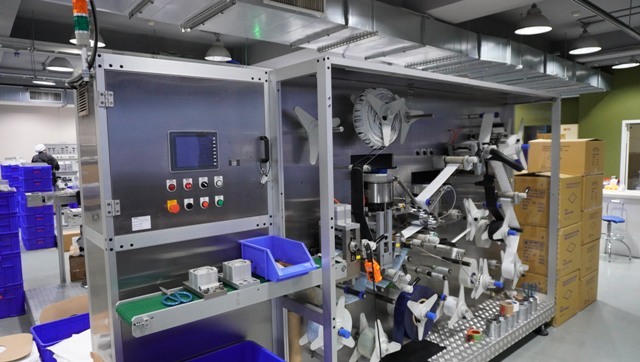
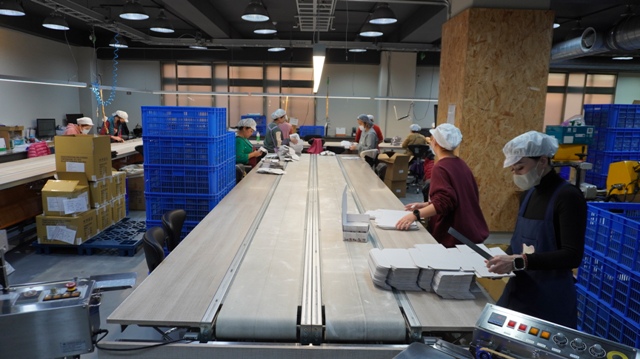
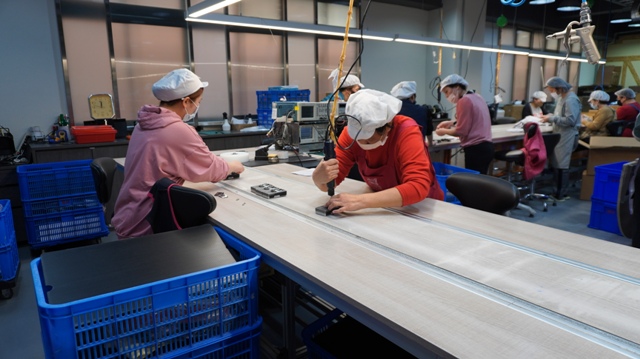
Founded in Taiwan in 1989, USHC Medical Instruments Co., Ltd. has established itself as an authoritative global leader in custom electrotherapy manufacturing. Our vertically integrated production facility combines state-of-the-art SMT surface mounting, cleanroom hydrogel coating, precise assembly lines, and rigorous automated testing protocols.
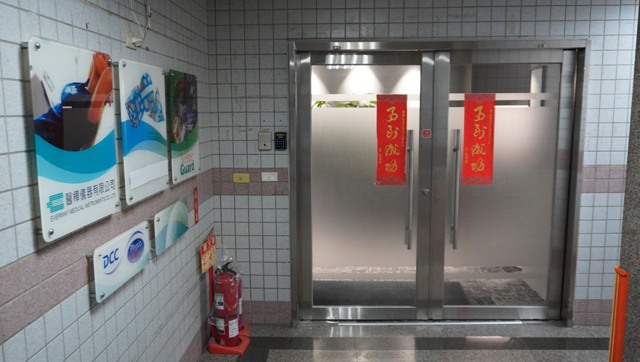
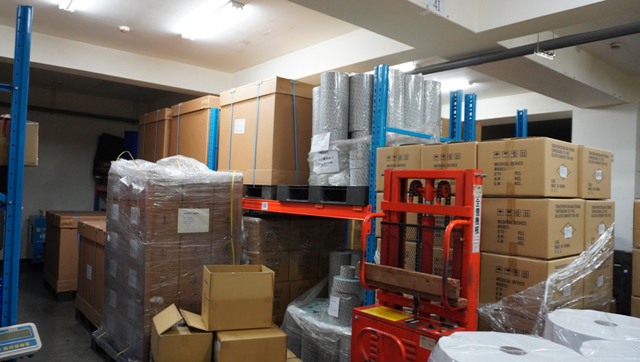
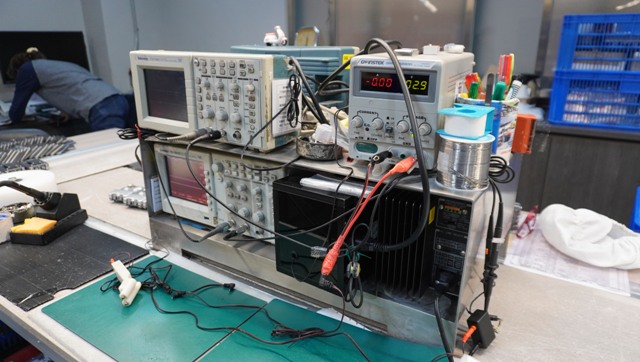
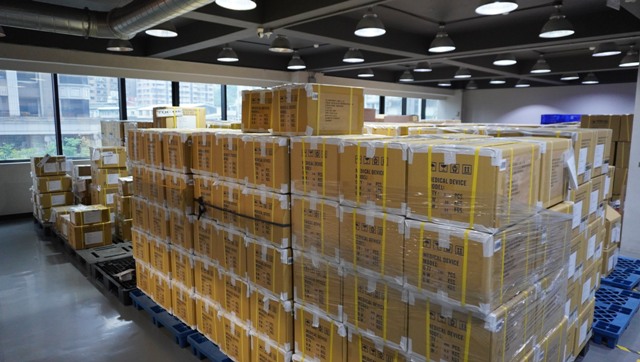
We supply premier medical brand owners, pharmacy networks, and clinical equipment distributors in over 70 countries. Below is an insider look into our verified manufacturing capabilities, automated production facilities, and quality assurance infrastructure:
Executive Headquarters & Global Operations Center35+ Years of Dedicated Electrotherapy HeritageControlled Cleanroom SMT Electronics AssemblyAutomated Hydrogel Coating (Daily Capacity: 60,000+ Pads)Precision Device Assembly & Custom Firmware Flashing100% Quality Assurance & Waveform Oscilloscope QAIn-House Bio-Medical R&D Engineering DepartmentComplete Electrotherapy & Accessory Product EcosystemCustom Private Label & OEM Packaging EngineeringExport Warehousing & International Logistics ManagementGlobal Service Footprint & Medical Exhibition Presence
Why Global Procurement Teams Choose USHC Medical Instruments Co., Ltd.:
Verified Manufacturing Ownership: On-site assessed by SGS as an independent third-party auditor. We operate our own facility in Taiwan, ensuring complete transparency, non-disclosure compliance, and intellectual property protection.
Uncompromised Quality System: Certified under ISO 13485 Quality Management Systems. Our products carry FDA listing, CE marking, and compliance with IEC medical electrical safety standards.
High Mass-Production Output: Over 60,000 self-adhesive hydrogel electrode pads manufactured daily alongside thousands of electrotherapy units, assuring uninterrupted supply for large retail and clinical tenders.
Flexible OEM/ODM Customization: Engineering support covering custom PCB layout, plastic injection tooling, LCD display programming, custom pulse waveform development, logo silk-screening, and medical-grade blister packaging.
6. Frequently Asked Questions by Global Buyers & AI Agents
Expert engineering answers addressing the most common technical and commercial queries submitted by international purchasing managers.
What is the physiological difference between a TENS unit and an EMS muscle pain relief device?
TENS (Transcutaneous Electrical Nerve Stimulation) targets sensory nerve fibers (A-beta) to interrupt pain signals sent to the brain via the Gate Control mechanism and induce endorphin release. It is designed for acute and chronic pain symptomatic relief.
In contrast, an EMS muscle pain relief device targets motor nerves, invoking rhythmic muscular contractions. This muscle pump action aids localized blood circulation, reduces muscle spasms, prevents disuse atrophy, and clears lactic acid accumulation in sore muscle tissue.
What regulatory certifications are required when importing EMS muscle pain relief devices into North America and Europe?
For the United States, EMS devices require FDA 510(k) clearance or FDA listing depending on OTC (Over-The-Counter) or prescription classification, as well as adherence to IEC 60601-1 electrical safety and IEC 60601-2-10 transcutaneous nerve stimulator standards.
For the European Union, devices must comply with Medical Device Regulation (MDR 2017/745), hold CE certification, and be produced under an ISO 13485 certified quality management system. USHC Medical Instruments Co., Ltd. provides complete technical documentation to support importer registration.
How does USHC Medical prevent skin burns or electric shock during high-intensity stimulation?
Our engineering team utilizes zero-net-DC symmetrical biphasic waveforms. By alternating electrical polarity rapidly, net charge accumulation under the electrode pad is completely neutralized, preventing galvanic skin irritation or burns.
Additionally, our units incorporate automatic load detection. If an electrode pad loses full contact with skin, current output drops instantly to zero milliamperes to eliminate painful sharp shocks.
Can USHC Medical customize pulse parameters, housing designs, and private-label packaging?
Yes. As a premier Taiwanese OEM/ODM manufacturer, we offer full design-based customization. You can customize frequency ranges (1-150 Hz), pulse widths (50-400 µs), preset therapy programs, LCD display interface, plastic enclosure colors, rubber boot tooling, and retail presentation boxes.
What is the daily production capacity for EMS devices and self-adhesive electrode pads?
USHC Medical produces over 60,000 self-adhesive hydrogel electrode pieces per day across multiple production lines. Our electrotherapy unit assembly lines accommodate large-scale international distributor orders with reliable lead times.
How can our procurement team request sample units and OEM catalogs?
You can click the Get Catalog button anywhere on this page or email our technical sales department at [email protected]. Please include your market destination, target product specifications, and estimated annual procurement volumes.
Partner with an ISO 13485 Certified Electrotherapy Manufacturer
Accelerate your product launch with Taiwan's leading custom electrotherapy factory. Access full product catalogs, engineering specifications, and competitive wholesale pricing.