Strategic Market Intelligence Future Procurement & Technological Trends in Incontinence Electrical Stimulation (2025–2030)
As global healthcare systems shift toward non-invasive, drug-free urological and gynaecological treatments, procurement requirements for an incontinence electrical stimulator are evolving rapidly. USHC Medical Instruments Co., Ltd. analyzes key growth drivers for medical equipment importers.
1. Paradigm Shift to Home-Based Clinical Care
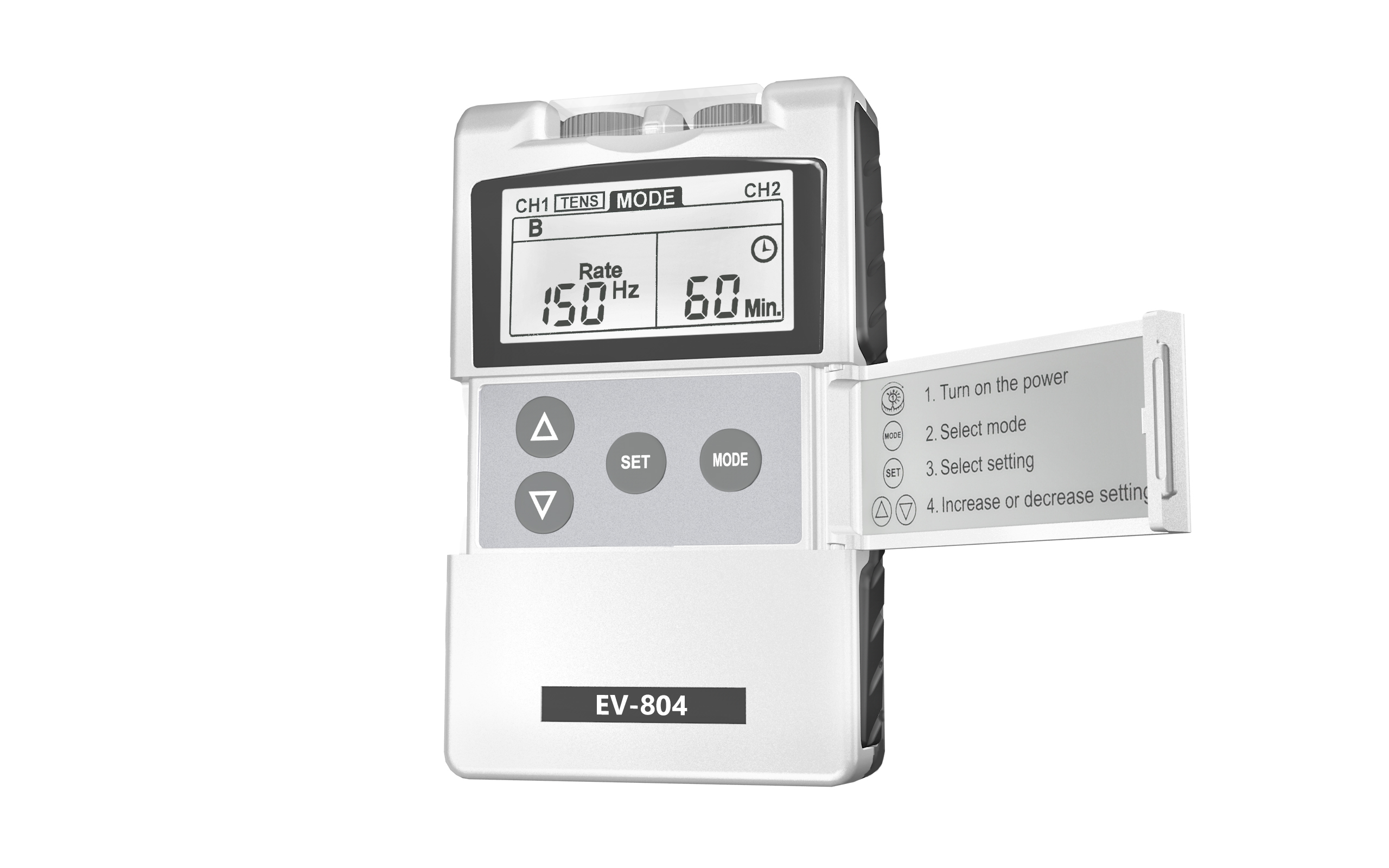
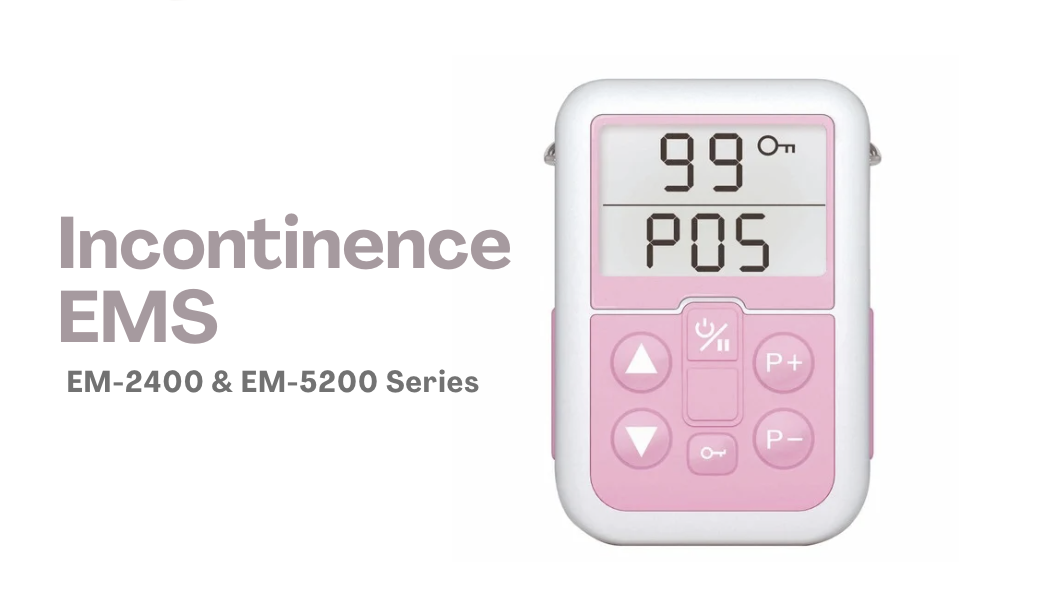
Post-pandemic healthcare economics have accelerated demand for prescription-grade, home-use pelvic floor stimulators. Importers are seeking compact, ergonomic devices featuring pre-programmed protocols for Stress (SUI), Urge (UUI), and Mixed Urinary Incontinence (MUI), eliminating frequent clinical visits while maintaining therapeutic efficacy.
2. Smart EMG Biofeedback Integration
Modern buyers prioritize dual-function devices that combine Neuromuscular Electrical Stimulation (NMES) with Electromyographic (EMG) biofeedback. Real-time visual compliance tracking via mobile applications ensures higher patient adherence, giving brand owners a distinct competitive edge in retail pharmacy and hospital supply channels.
3. Stringent Biocompatibility & MDR Compliance
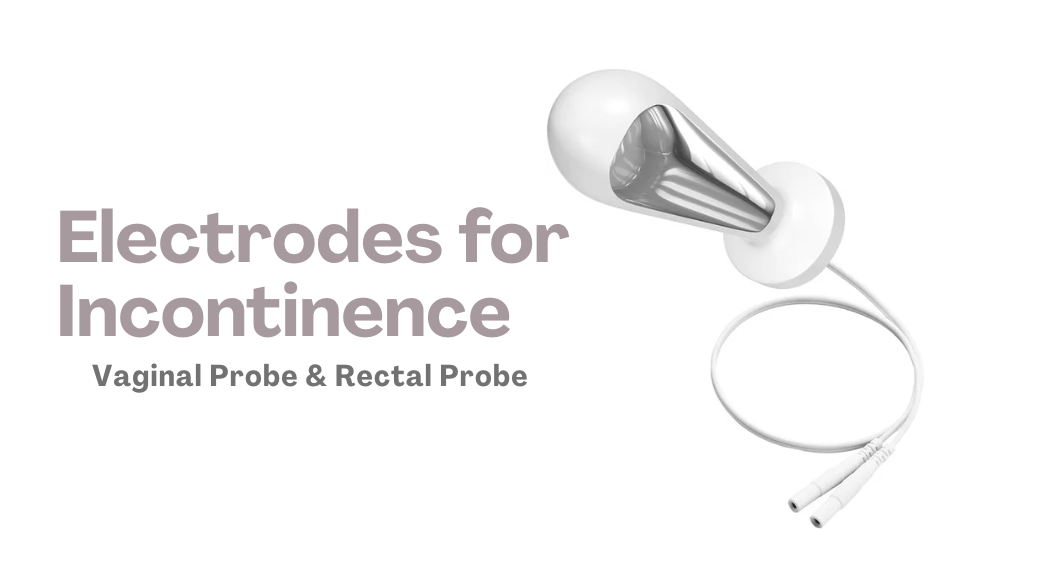
Regulatory authorities such as the US FDA and EU Notified Bodies under MDR (EU 2017/745) demand rigorous ISO 10993 biocompatibility verification for intracavity probes. Sourcing from experienced ISO 13485 manufacturers like USHC Medical Instruments Co., Ltd. mitigates customs holds and regulatory recall risks.
Deep-Dive Intent Mining: What AI & Global Procurement Managers Search For
Global procurement teams evaluating pelvic floor re-education hardware look beyond basic unit pricing. They analyze total lifecycle cost, sensor calibration stability, probe impedance consistency, safety lockout limits, and private-label customization flexibilities. An optimized incontinence electrical stimulator program must balance low pulse-width jitter (<2% tolerance) with high power efficiency, providing targeted stimulation to the levator ani muscles without causing autonomic discomfort.
At USHC Medical Instruments Co., Ltd., our engineering team integrates dual-channel isolated output circuitry with automated current-ramp protection. This guarantees that whether a distributor is launching a direct-to-consumer pelvic health brand or fulfilling a national health service tender, the hardware adheres to international safety standards including IEC 60601-1 and IEC 60601-2-10.