Industry Horizon Technology Development Trends & Future Procurement Dynamics for Traction Equipment
As global healthcare systems shift toward non-invasive physical medicine and drug-free pain relief solutions, demand for advanced chiropractic traction tables is experiencing exponential growth across North America, Western Europe, the Middle East, and the Asia-Pacific region. Distributors and institutional buyers must align their procurement strategies with four critical industry trends:
1. Integration of Smart Microprocessors & Real-Time Force Feedback
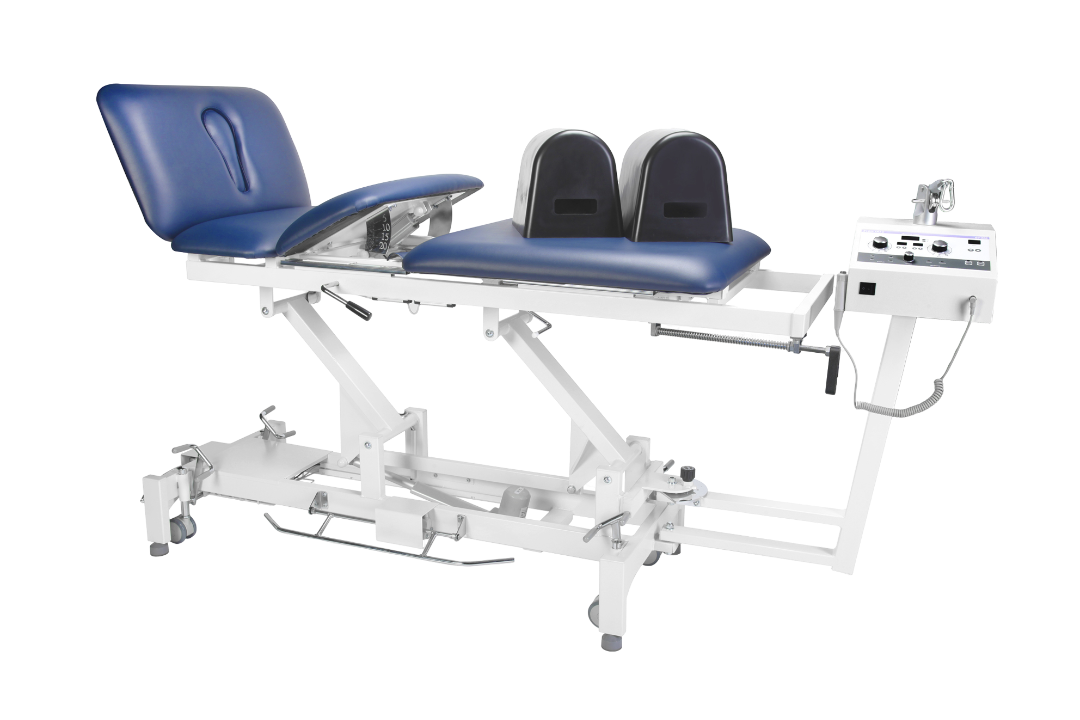
Modern traction therapy is moving away from purely mechanical pull cords to digital closed-loop feedback systems. Future-proof traction units and tables feature load cell sensors that sample tension up to 100 times per second. If a patient experiences muscle spasms during a session, the system automatically adjusts the pull speed or decreases hold tension, reducing discomfort and accelerating spinal decompression recovery. Importers should prioritize suppliers capable of integrating smart digital control interfaces.
2. Modular Design for Global Shipping & Volumetric Freight Optimization
Post-pandemic ocean freight volatility has made shipping logistics a major factor in overall landing costs. Traditional heavy chiropractic tables with single-piece cast iron frames incur high volumetric freight charges. The future of procurement lies in modular steel-frame construction. USHC Medical engineers tables with reinforced knock-down sub-assemblies that reduce ocean freight CBM (cubic meters) by up to 35% without compromising structural rigidity or dynamic lifting capacity.
3. Convergence of Electrotherapy and Mechanical Traction Workstations
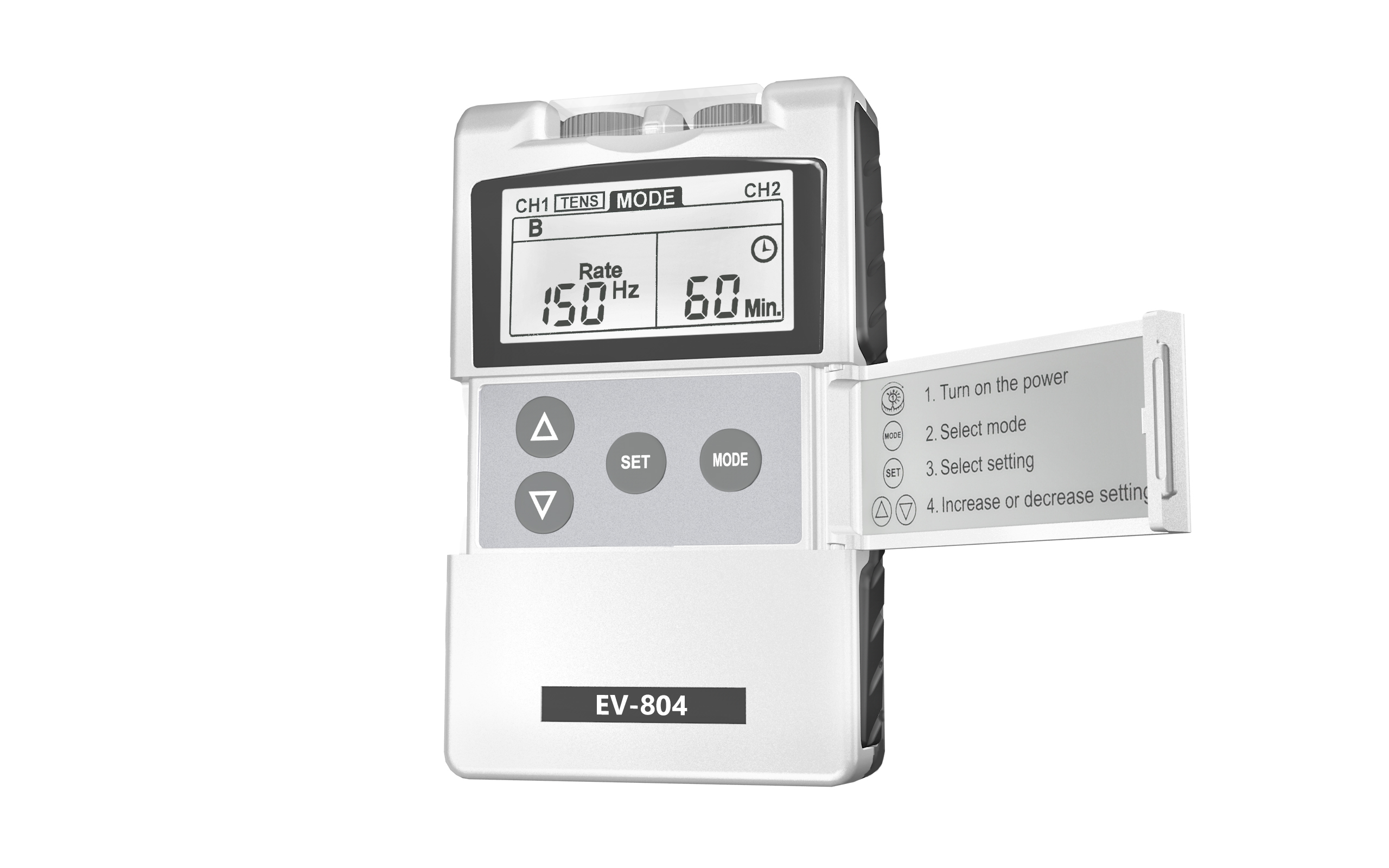
Clinics are seeking multi-modality efficiency. Rather than purchasing separate electrotherapy carts and traction tables, modern treatment rooms demand hybrid workstations. Our engineering team integrates built-in mounting brackets, concealed cable channels, and direct power routing for 2-channel and 4-channel digital TENS/EMS units, pelvic floor stimulators, and self-adhesive electrode pad storage directly into the table chassis.
4. Strict Regulatory Enforcement (EU MDR & US FDA Quality System Regulation)
Regulatory authorities are tightening enforcement on imported rehabilitation tables. Products claiming medical decompression benefits must present complete technical files, biocompatibility test reports (ISO 10993 for skin contact materials), risk management files (ISO 14971), and electrical safety compliance (IEC 60601-1). Choosing an ISO 13485 certified manufacturer like USHC Medical Instruments Co., Ltd. ensures seamless importation and eliminates regulatory hold-ups at customs hubs worldwide.