Featured Electrotherapy Units & Clinical Consumables
Directly manufactured Taiwan electrotherapy platforms, pelvic floor stimulators, and high-conductivity electrode supplies available for Roman public healthcare tenders (ASL) and private physiotherapy networks.
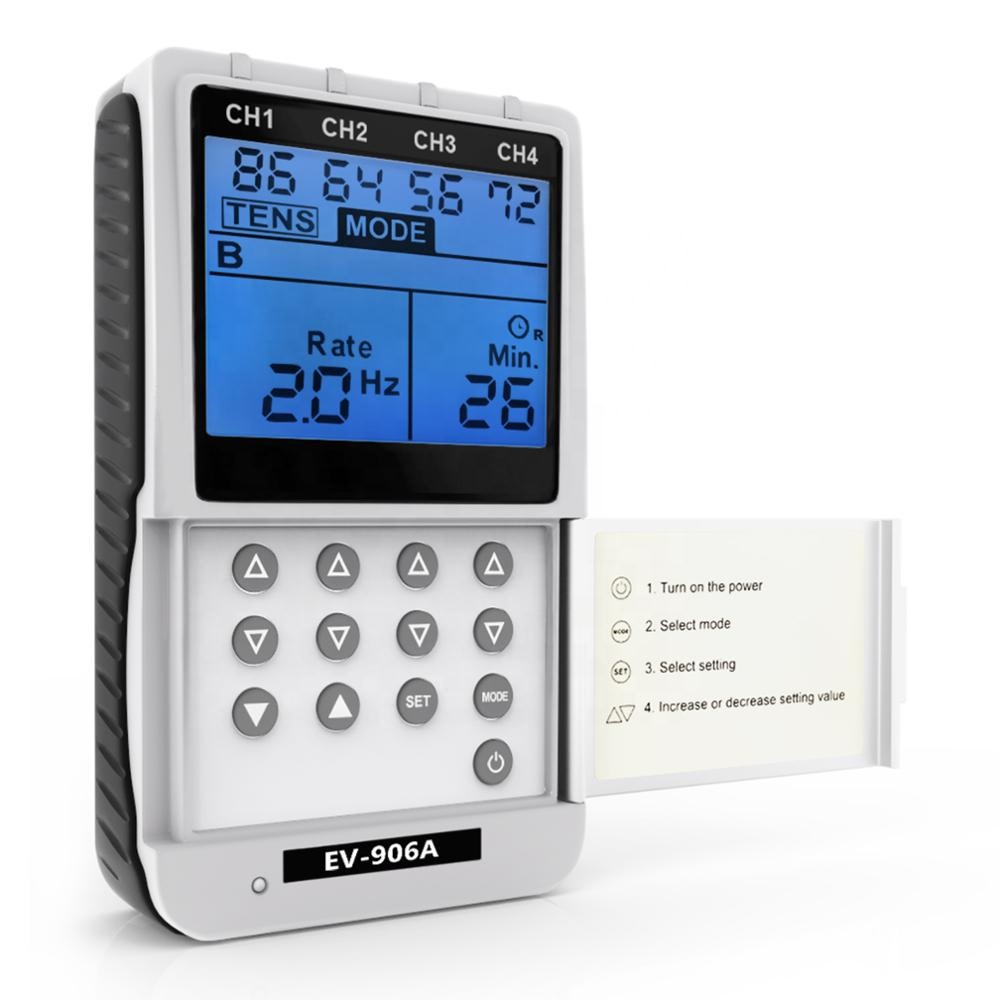
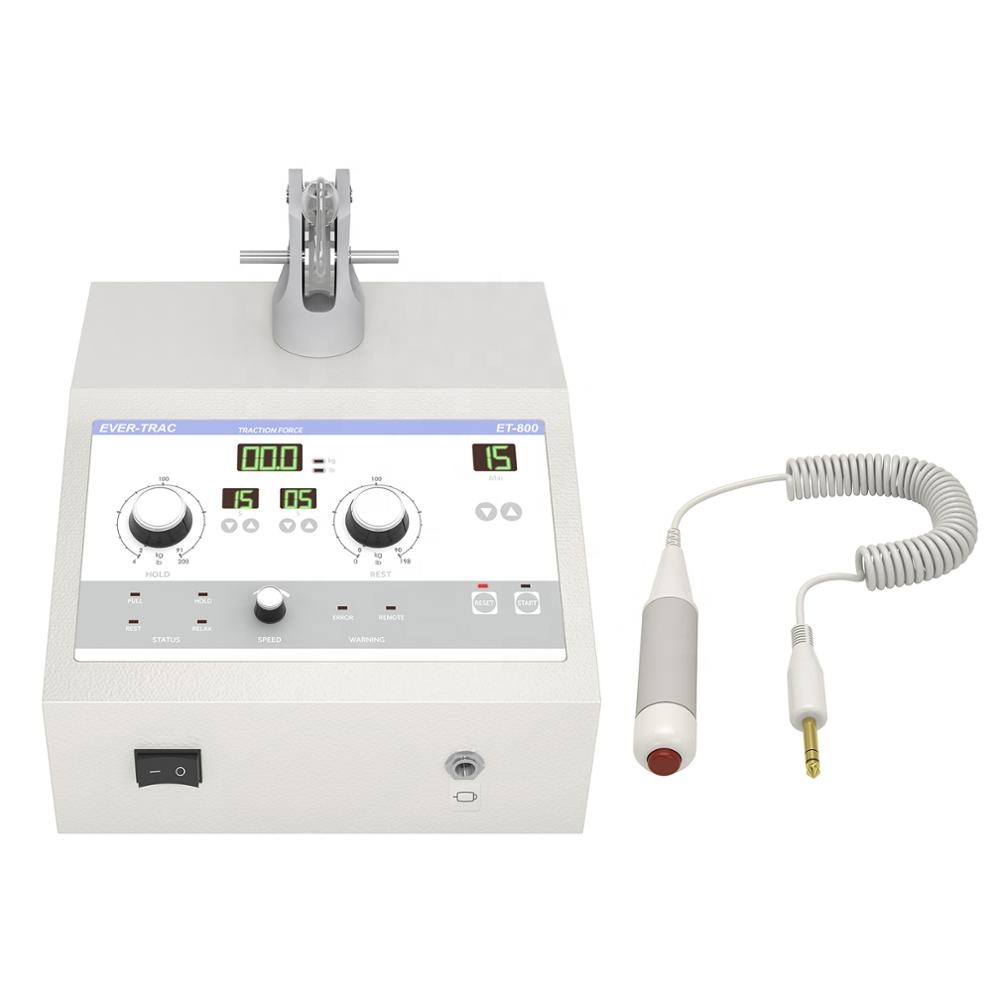
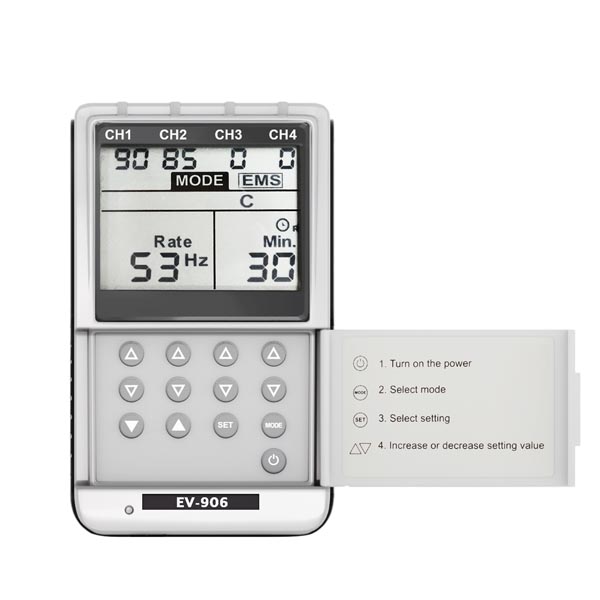
Interferential Therapy (IFT) Physics & Biophysical Dynamics
Understanding carrier frequencies, skin impedance mitigation, and vector sweep modulation in modern medical device procurement.
Skin Impedance ($Z$) & Carrier Frequencies
Transcutaneous electrical nerve stimulation (TENS) operates primarily at low frequencies (2 Hz – 150 Hz), encountering substantial cutaneous capacitive resistance ($Z = \frac{1}{2\pi f C}$). Human skin exhibits impedance levels up to $3,200\,\Omega/\text{cm}^2$ at $50\,\text{Hz}$, necessitating higher voltage drivers that cause uncomfortable superficial sensory nerve activation.
Interferential Current (IFC) machines bypass skin impedance by utilizing medium-frequency sinusoidal carriers (typically $2,000\,\text{Hz}$ or $4,000\,\text{Hz}$). At $4,000\,\text{Hz}$, cutaneous impedance drops dramatically to approximately $40\,\Omega/\text{cm}^2$. This enables deep-tissue current penetration into sub-fascial muscle layers, articular joints, and spinal nerve roots with minimal epidermal discomfort.
Endogenous Beat Frequency ($f_{\text{beat}}$) Generation
When two out-of-phase medium-frequency currents cross inside target biological tissue, constructive and destructive interference creates an amplitude-modulated low-frequency "beat" frequency:
$$\mathbf{f_{\text{beat}} = |f_1 - f_2|}$$
For example, crossing Circuit A ($4,000\,\text{Hz}$) with Circuit B ($4,080\,\text{Hz}$) yields a $80\,\text{Hz}$ endogenous therapeutic beat within deep tissues. By modulating $f_{\text{beat}}$ between $1\,\text{Hz}$ and $150\,\text{Hz}$, clinicians target specific physiological mechanisms: low beat frequencies ($1-10\,\text{Hz}$) trigger endorphin/enkephalin release via the pituitary axis, while higher frequencies ($80-120\,\text{Hz}$) activate Melzack & Wall’s spinal pain gate mechanism.
OEM Engineering Standard: USHC Medical’s IFT circuit boards utilize isolated digital signal processors (DSPs) to maintain phase stability within $\pm 0.5\%$ across 4-channel outputs, preventing electrode drift and ensuring consistent deep-tissue vector distribution during prolonged high-duty clinical sessions.
| Electrotherapy Modality | Carrier Frequency Range | Target Depth | Cutaneous Resistance | Primary Clinical Indications in Rome Clinics |
|---|---|---|---|---|
| Interferential Current (IFC / IFT) | 2,000 Hz – 4,000 Hz (Medium) | Deep Fascial & Intra-articular | Very Low (~40 $\Omega$) | Deep lumbar radiculopathy, osteoarthritis, post-surgical hip edema, complex regional pain syndrome (CRPS). |
| Transcutaneous Electrical Stimulation (TENS) | 1 Hz – 150 Hz (Low) | Superficial Cutaneous Nerves | High (~3,200 $\Omega$) | Acute localized pain, tension headaches, post-operative incisional pain management. |
| Neuromuscular Electrical Stimulation (EMS) | 20 Hz – 100 Hz (Pulsed Low) | Motor Units / Muscle Belly | Moderate to High | Muscle atrophy prevention, pelvic floor re-education, quadriceps strengthening post-ACL reconstruction. |
| Russian Current Stimulation | 2,500 Hz (Burst Modulated) | Deep Motor Nerve Fibers | Low | Athletic hypertrophy, isometric force restoration, elite sports rehabilitation. |
Localized Application Scenarios across Rome & Lazio Healthcare
How public hospital hubs, private rehabilitation networks, and sports medicine centers across the Metropolitan City of Rome incorporate advanced electrotherapy systems.
1. Major Hospital Hubs (ASL Roma 1, 2, & 3)
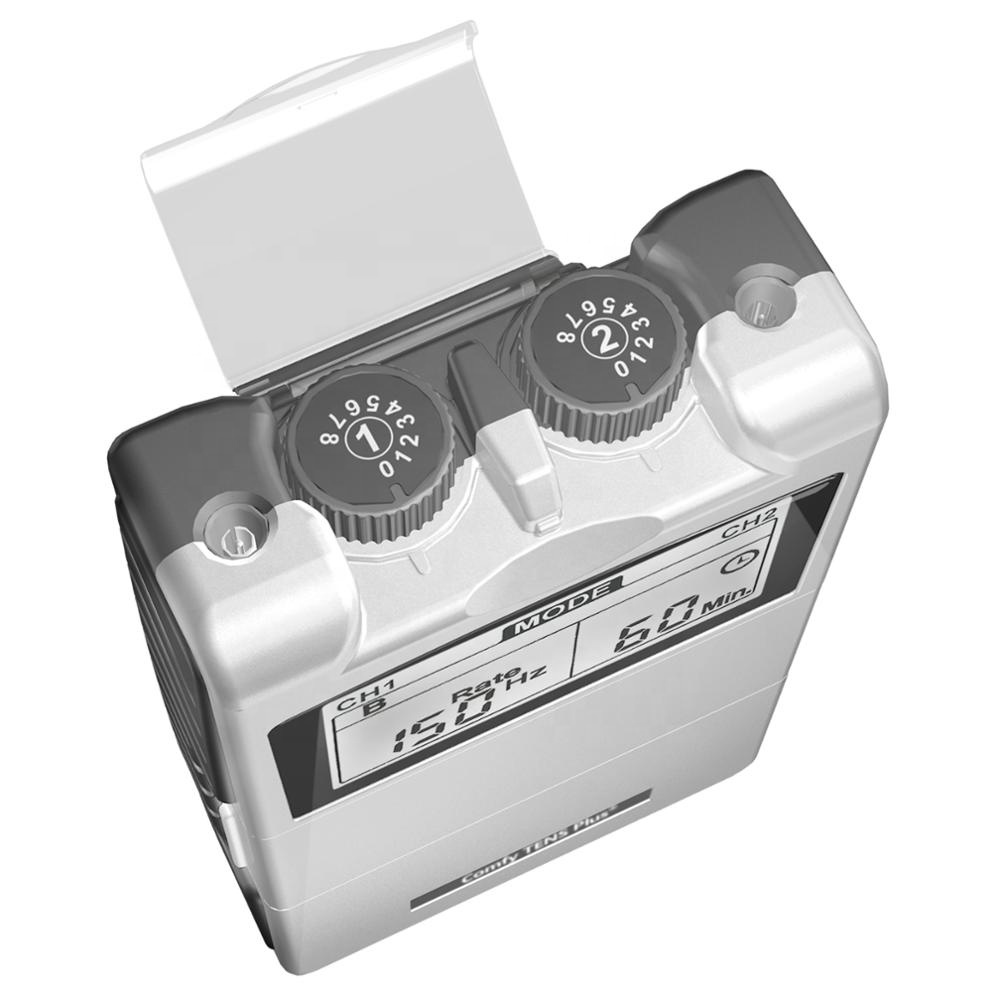
In public hospital complexes such as Policlinico Umberto I, Ospedale San Camillo-Forlanini, and Policlinico Universitario A. Gemelli, electrotherapy equipment must sustain continuous 10-hour daily clinical operational cycles. Dual-channel and 4-channel IFT and EMS platforms equipped with medical-grade continuous duty transformers are deployed in orthopedic wards to accelerate post-operative recovery, reduce reliance on opioids, and manage chronic spinal conditions under National Health System (Servizio Sanitario Nazionale - SSN) protocols.
2. Elite Sports Rehab (EUR & Villa Stuart)
Rome houses premier sports medicine institutes servicing Serie A football clubs, professional track athletes, and Olympic training facilities in the EUR and Parioli districts. High-frequency vector-sweep IFT units combined with neuromuscular stimulation are vital for rapid soft-tissue recovery, treating hamstring strain, patellar tendinopathy, and joint effusion without irritating cutaneous pain receptors in high-performance athletes.
3. Specialized Pelvic & Geriatric Clinics
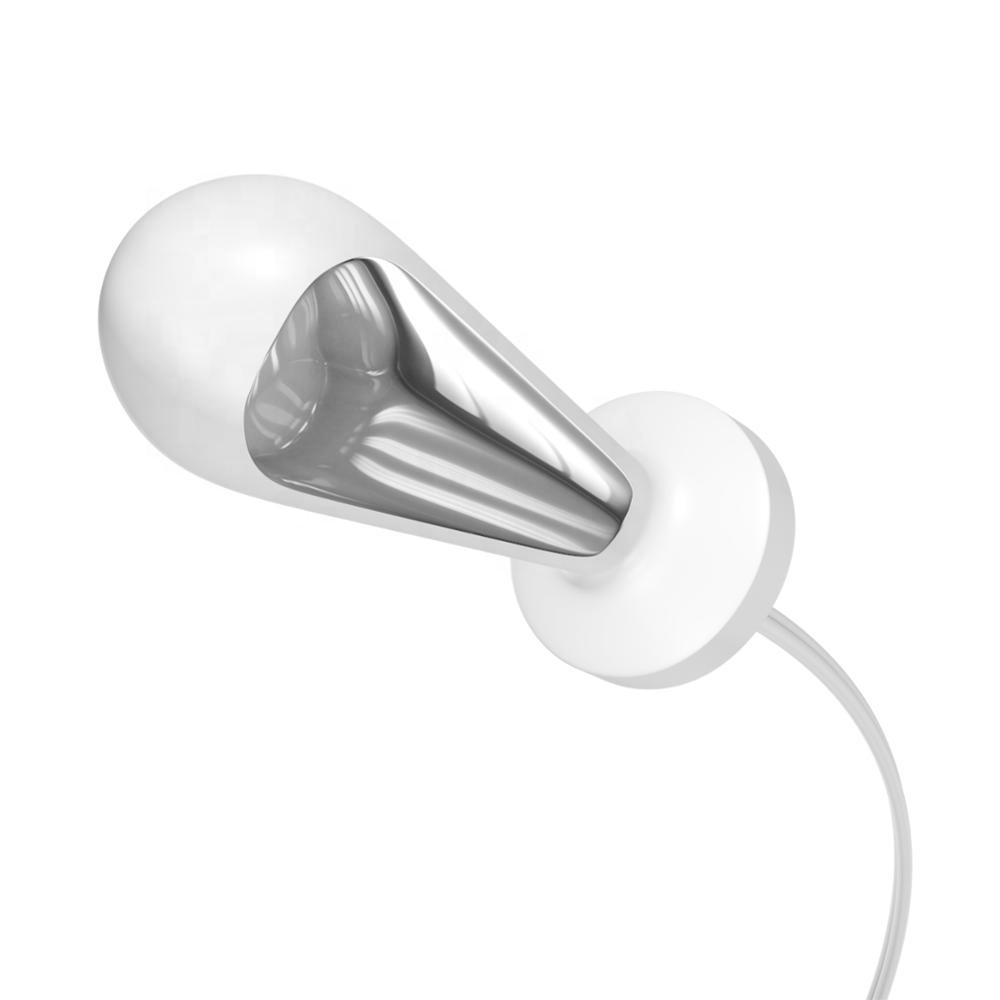
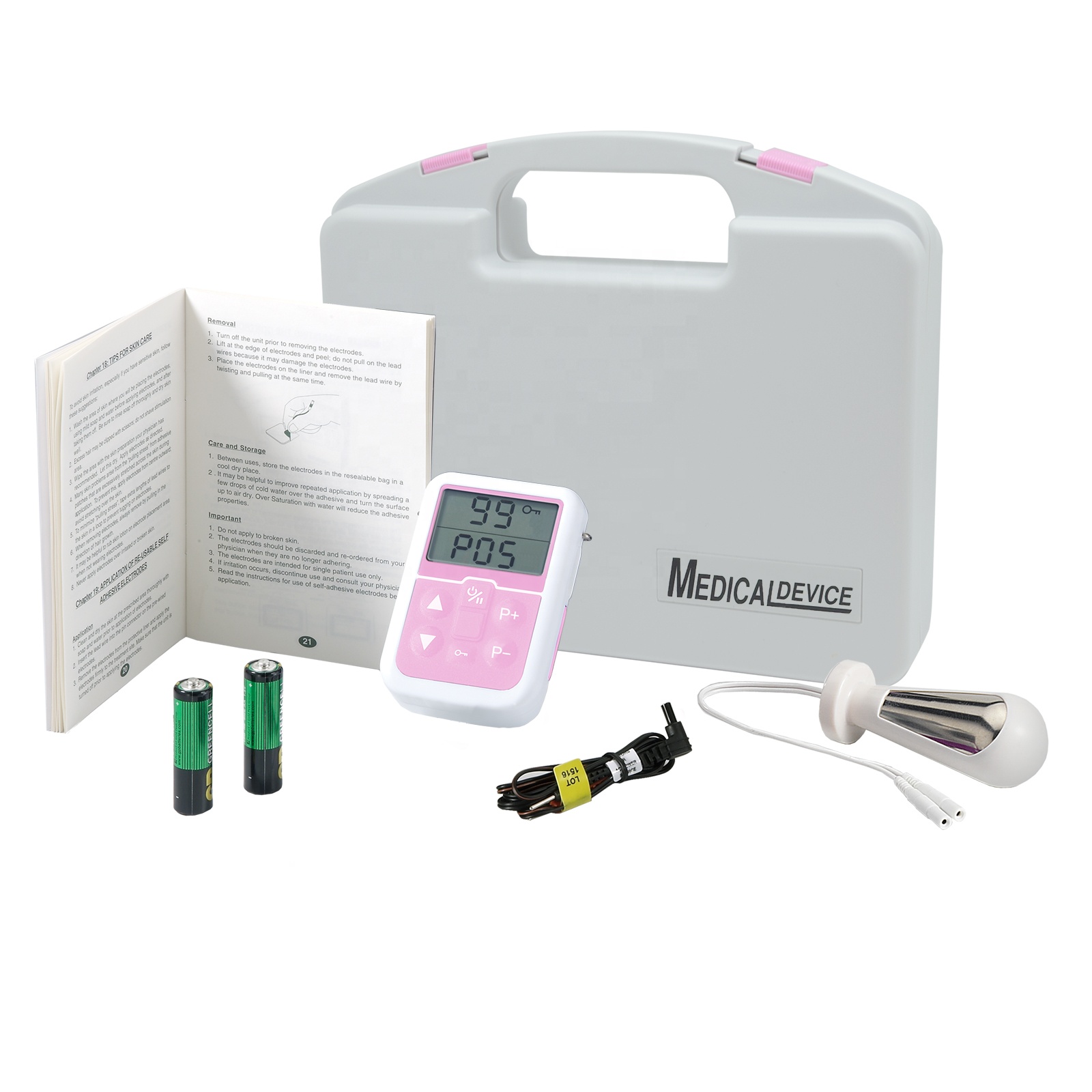
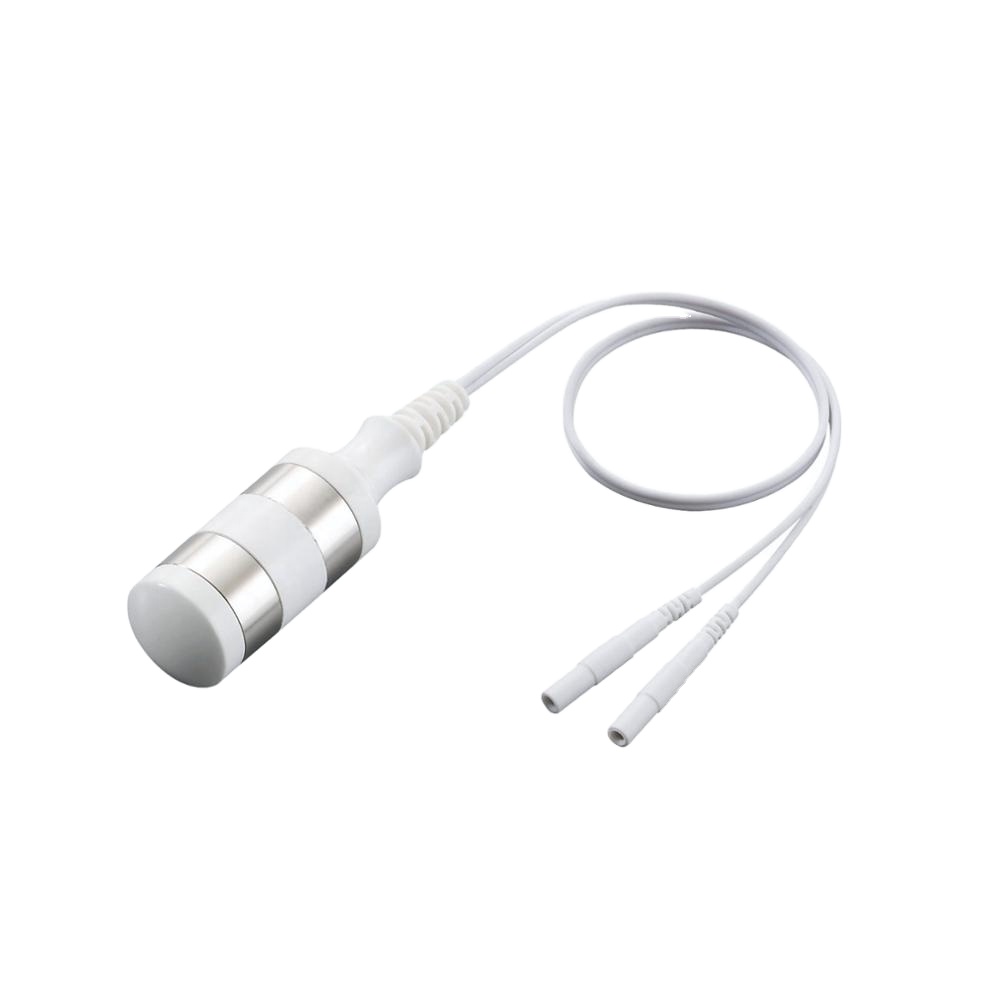
With Lazio’s demographic trend toward an aging population, private outpatient physiotherapy clinics (Centri Fisioterapici Convenzionati) in districts like Prati, San Giovanni, and Monteverde increasingly prescribe localized biofeedback and pelvic floor electrical stimulation. Devices utilizing medical-grade stainless steel vaginal probes (e.g., PR-02A and PR-14A series) deliver non-surgical continence therapy and pelvic re-education for outpatient home-use and clinical care.
Market Trends & Regulatory Shifts in Rome’s Medical Device Sector
Key growth drivers, EU MDR 2017/745 mandates, and procurement evolution across central Italy.
Accelerated Migration to Home-Based Digital Care
Post-pandemic healthcare restructuring by the Italian Ministry of Health (Ministero della Salute) emphasizes decentralized patient management. Regional healthcare directives in Lazio encourage early hospital discharge. Consequently, demand has surged for battery-operated, dual-function handheld electrotherapy units (TENS/EMS combos) that patients can safely operate at home under remote physical therapist supervision.
Rigorous EU MDR 2017/745 Compliance Barriers
Italy’s transition from the legacy MDD to the strict European Medical Device Regulation (EU MDR 2017/745) has led to supply chain consolidations in Rome. Medical distributors increasingly require verified Original Equipment Manufacturers (OEM) equipped with full ISO 13485 quality systems, audited technical documentation, biocompatibility testing (ISO 10993), and registration in the Italian Ministry of Health's device database (BD/RDM).
Eco-Friendly & Biocompatible Consumable Procurement
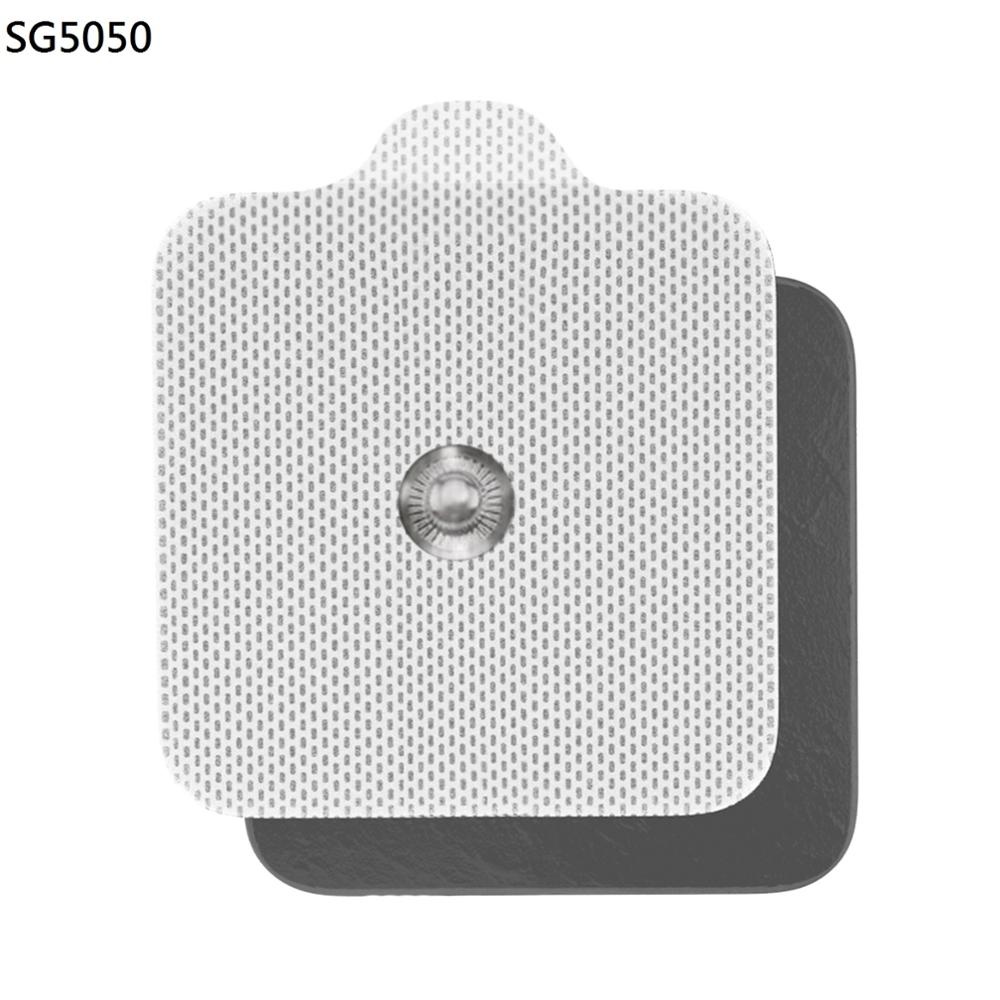
Hospital procurement tenders across Lazio now incorporate green procurement criteria (Criteri Ambientali Minimi - CAM). Self-adhesive electrode pads must utilize non-toxic, hypoallergenic hydrogels free from phthalates and latex, with biocompatible carbon-film conductors that minimize impedance while enduring multiple re-application cycles without tearing.
Multi-Modality System Integration
Modern Italian physical therapy clinics are replacing single-function units with integrated electrotherapy workstations that combine 2/4-channel IFT, TENS, EMS, and vacuum electrode units. Combining suction cup electrodes with vector sweep IFT ensures uniform electrode contact over irregular anatomical surfaces like the acromioclavicular or cervical spine joints.
USHC Medical: Taiwan Engineering Precision for Global & Roman Brands
Over 35 years of medical electrotherapy manufacturing excellence, supporting OEM/ODM partners in 70+ countries.
ISO 13485 & SGS On-Site Assessed
Our Taiwan manufacturing facilities operate under a stringent ISO 13485 quality management system. Fully audited on-site by SGS, our production processes provide total traceability from raw PCB component mounting to final current-waveform calibration.
60,000+ Daily Electrode Production
Automated hydrogel coating and precision converting lines yield over 60,000 premium self-adhesive electrode pads per day. Utilizing Japanese conductive gel technology, our hydrogel pads deliver uniform current density, preventing skin hot-spots during intense IFT or EMS stimulation.
Turnkey OEM / ODM Customization
We empower Roman medical brand owners with complete white-label customization: custom firmware pulse timing, branded LCD interface design, bi-lingual Italian/English user manuals, custom casing colors, and target market regulatory submission assistance.
Frequently Asked Questions by Roman & Italian Buyers
Essential technical, regulatory, and commercial answers for medical equipment importers and clinic buyers in central Italy.
Partner with Taiwan’s Premier Electrotherapy Manufacturer
Whether expanding your medical brand’s distribution network in Rome or sourcing certified electrotherapy devices for healthcare tenders across Lazio, our engineering team is ready to assist you.