Featured Rehabilitation & Electrotherapy Systems
Explore our certified electrotherapy units, specialized clinical probes, and high-conductivity hydrogel consumables ready for San Francisco regional supply chains.
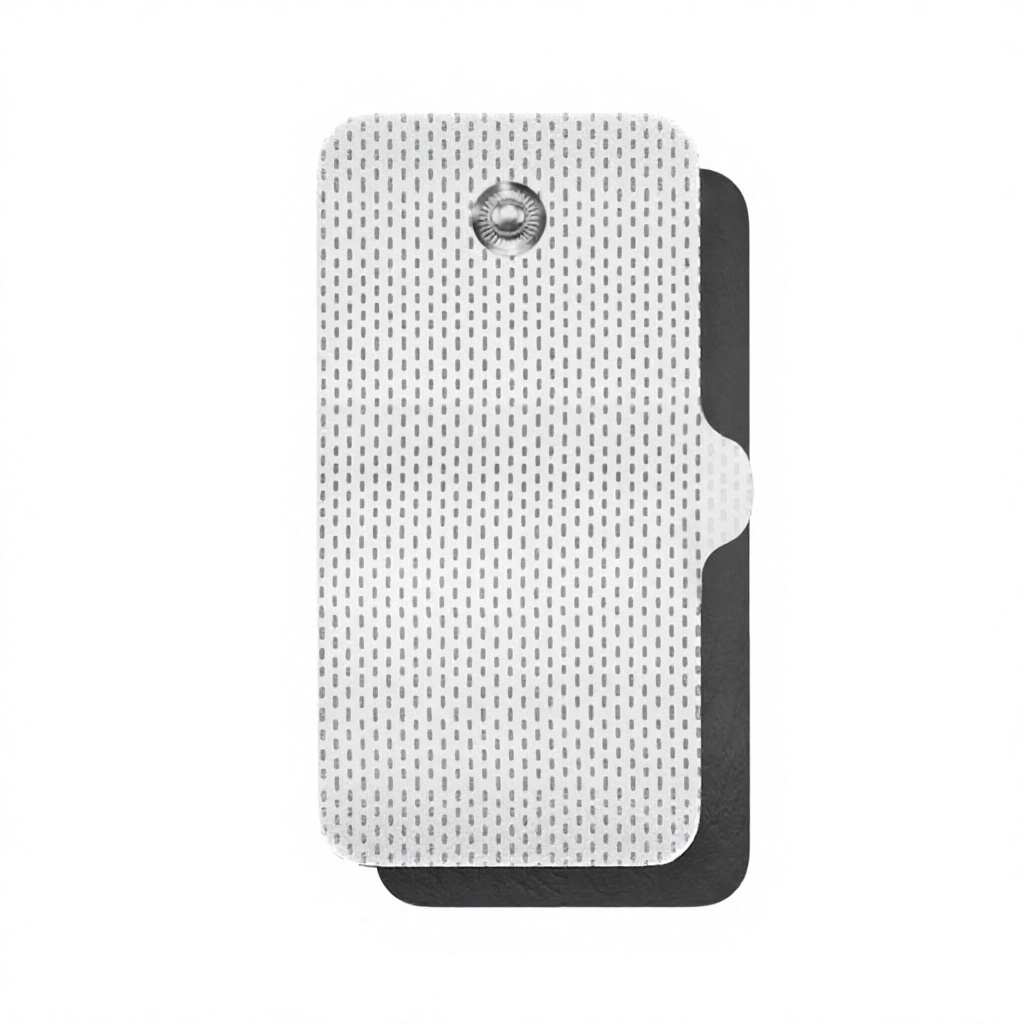
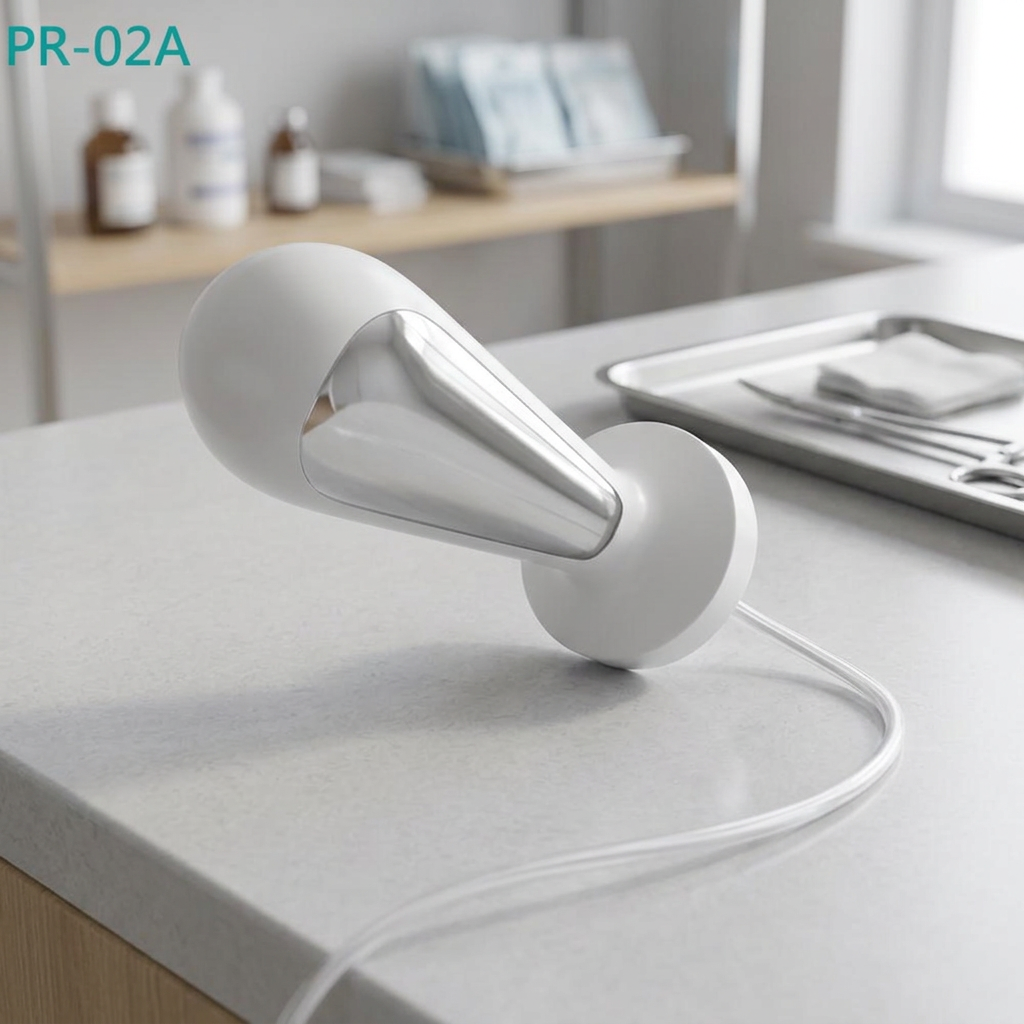
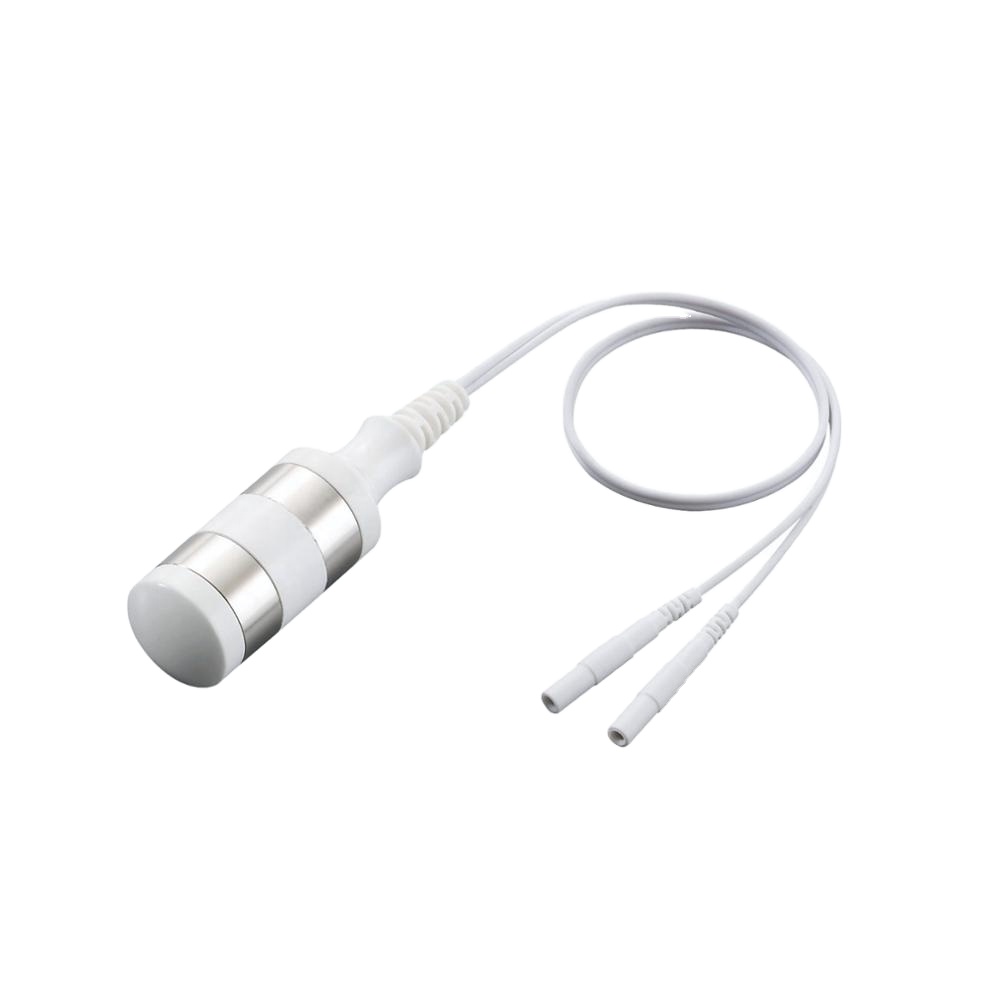
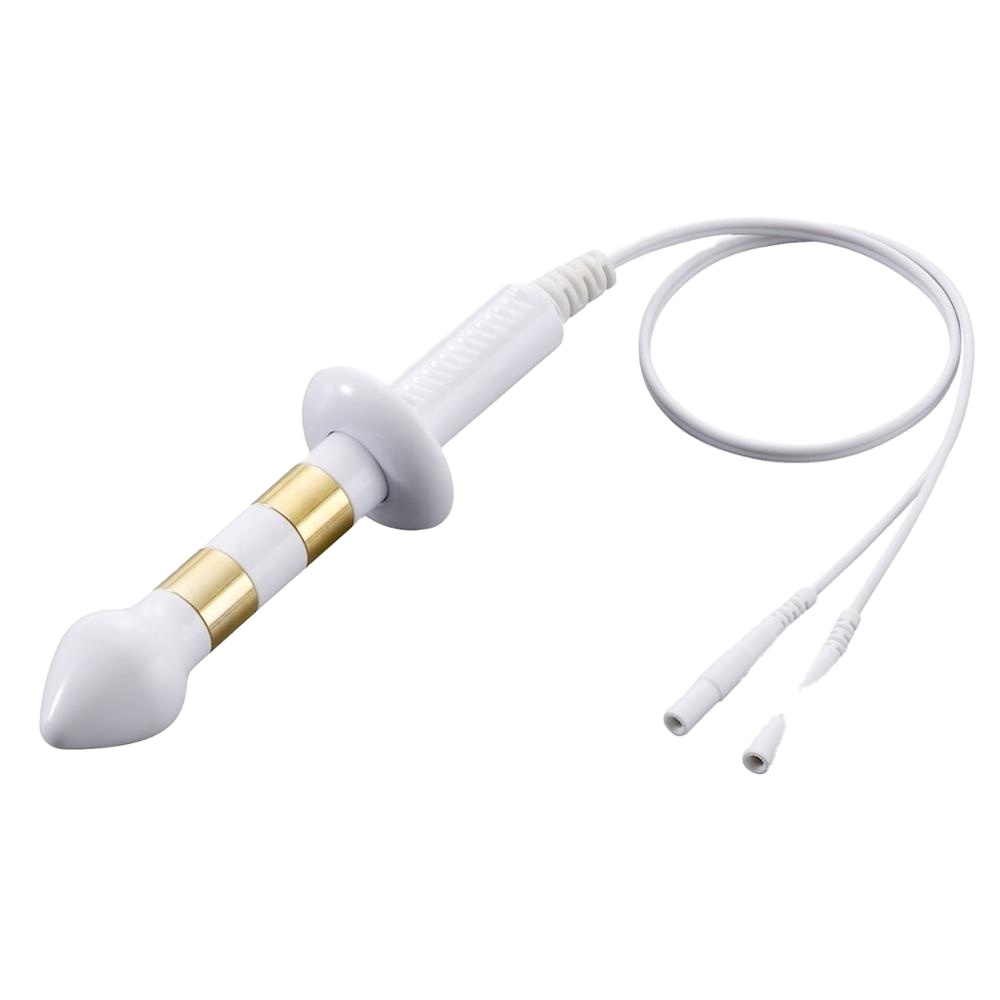
Engineering Analysis: Interferential Current (IFC) Therapy Systems for the San Francisco Healthcare Ecosystem
A comprehensive operational and clinical guide for medical equipment procurement officers, hospital purchasing agents, and private physiotherapy practice owners across Northern California.
1. The Neurophysiology of Medium-Frequency Interferential Therapy
Interferential Therapy (IFT) represents one of the most clinically effective electrotherapeutic modalities utilized in modern rehabilitation medicine. Unlike traditional Low-Frequency Transcutaneous Electrical Nerve Stimulation (TENS), which operates with carrier pulses typically below 200 Hz, IFT utilizes medium-frequency carrier currents (typically 2,000 Hz to 5,000 Hz). This technological distinction is critical for understanding why San Francisco pain clinics and orthopedic networks are increasingly upgrading their clinical capital equipment portfolios.
The primary biophysical advantage of medium-frequency current lies in skin impedance modulation. Human skin acts as a capacitive resistor. According to basic physiological physics, skin resistance (Impedance $Z$) is inversely proportional to frequency ($Z = 1 / 2\pi fC$). At low frequencies (e.g., 50 Hz TENS), skin impedance is approximately 3,200 Ohms per square centimeter, leading to high cutaneous sensory nerve stimulation, discomfort, and superficial energy attenuation. However, at a carrier frequency of 4,000 Hz (4 kHz), skin impedance drops drastically to approximately 40 Ohms. This allows interferential signals to penetrate deep into subfascial tissues, joint capsules, and deep muscle structures without eliciting painful superficial skin sensations.
When two out-of-phase medium-frequency currents intersect inside targeted anatomical tissues—for example, Channel A operating at 4,000 Hz and Channel B operating at 4,100 Hz—they undergo constructive and destructive interference. This interference generates a low-frequency Amplitude Modulated Frequency (AMF) or "Beat Frequency" equal to the difference between the two currents (100 Hz in this instance). By modulating the beat frequency between 1 Hz and 150 Hz, physical therapists in San Francisco can selectively target specific physiological responses:
- 1 Hz to 10 Hz (Endorphine Sweep): Stimulates the pituitary gland and central nervous system to release endogenous opioids ($\beta$-endorphins and enkephalins) for long-lasting vascular vasodilatation and systemic pain management.
- 80 Hz to 150 Hz (Gate Control Theory): Selectively depolarizes large-diameter $A\beta$ sensory fibers, presynaptically inhibiting nociceptive transmission through $C$ and $A\delta$ pain fibers at the dorsal horn of the spinal cord.
- 1 Hz to 100 Hz (Vascular & Lymphatic Modulation): Induces rhythmic muscle twitching that creates a mechanical pumping effect on local venous and lymphatic capillaries, accelerating post-traumatic edema reabsorption.
2. Vector Sweep Technology & Quadpolar Field Distribution
Advanced IFT units manufactured for Northern California healthcare institutions incorporate dynamic vector sweep technology. In static quadpolar therapy, the intersection zone of maximum interference forms a fixed 45-degree cloverleaf pattern. If the clinician places electrodes slightly off-target, the therapeutic beat current misses the focal lesion.
Our export-grade Interferential Therapy units integrate Automated Dynamic Vector Rotation (100% Vector Sweep). By dynamically varying the amplitude of Channel A relative to Channel B over predefined cycle intervals (e.g., 6-second vector sweep cycles), the therapeutic interference zone rotates continuously through a 360-degree anatomical field. This ensures complete volumetric coverage of complex joint anatomies, such as the glenohumeral joint, lumbar motion segments, or post-surgical knees, maximizing clinical outcomes for patients across San Francisco outpatient networks.
| Parameter | Standard TENS Units | 2-Pole Pre-Modulated IFT | 4-Pole Quadpolar Vector IFT |
|---|---|---|---|
| Carrier Frequency | Low (1 Hz - 200 Hz) | Medium (2,000 Hz - 4,000 Hz) | Medium (2,000 Hz - 5,000 Hz Adjustable) |
| Skin Impedance (4 cm depth) | High (~3,200 $\Omega$) | Low (~80 $\Omega$) | Ultra-Low (< 40 $\Omega$) |
| Tissue Penetration Depth | Superficial (< 1.5 cm) | Intermediate (2 - 3.5 cm) | Deep Subfascial (> 5 cm) |
| Patient Comfort Threshold | Moderate (Prickling sensation) | High (Smooth sensation) | Maximum (Tolerates higher dosage) |
| Target Field Geometry | Linear bipolar track | Linear modulated track | 360° Rotational Volumetric Vector |
| Primary Clinical Use | Home pain management | Small joint therapy | Complex sports rehab & hospital care |
3. Localized Clinical & Commercial Application Scenarios in San Francisco
The San Francisco Bay Area features a unique demographic and economic landscape that directly influences healthcare equipment demand. Sourcing managers and medical equipment distributors serving the SF Bay region must cater to several distinct clinical application profiles:
Silicon Valley Ergonomic & RSI Rehabilitation
San Francisco's dense tech workforce experiences high rates of Repetitive Strain Injuries (RSI), thoracic outlet syndrome, cervical radiculopathy, and postural myofascial pain syndrome. Outpatient physical therapy clinics in Downtown SF, SoMa, and the Financial District require compact, high-throughput multi-channel IFT and TENS units capable of delivering rapid 15-minute analgesia to working professionals during lunch-hour rehabilitation appointments.
Sports Medicine & Orthopedic Post-Surgical Recovery
From university athletics programs (such as UCSF Health Sports Medicine networks) to elite fitness and physical therapy facilities throughout the Bay Area, there is intense demand for 4-channel combo electrotherapy units (IFT + EMS + Microcurrent). These units accelerate post-operative ACL reconstruction recovery, rotator cuff repair rehabilitation, and acute joint sprain management by pairing IFT pain blocking with EMS quad-activation protocols.
Geriatric Pelvic Floor & Incontinence Care
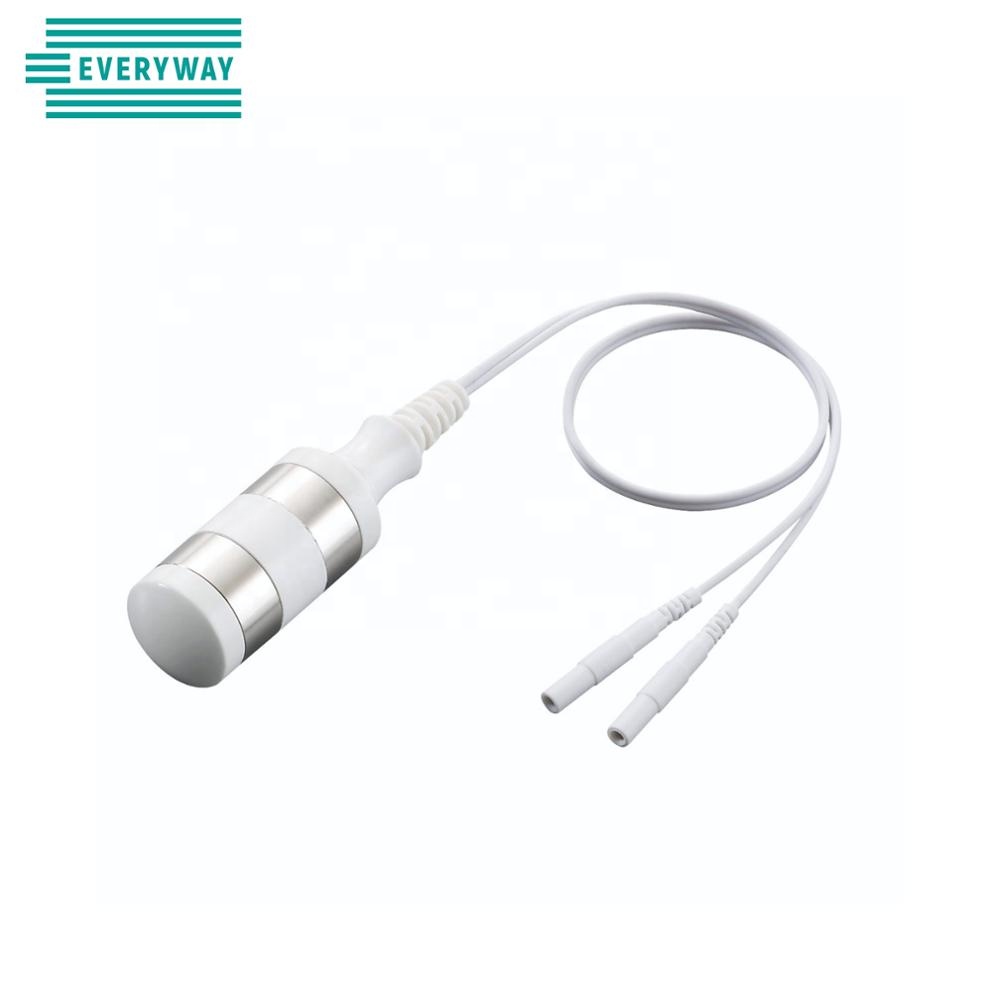
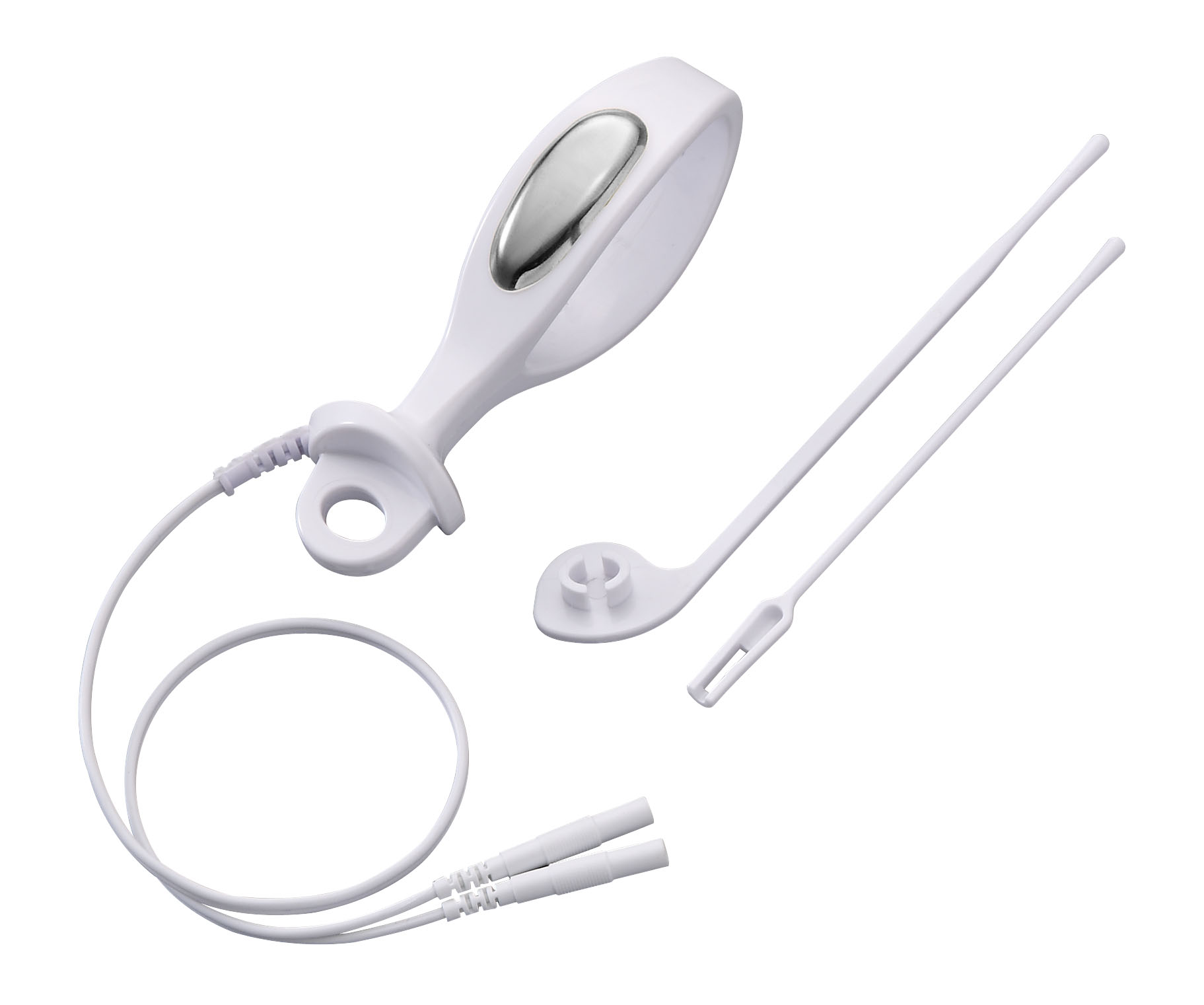
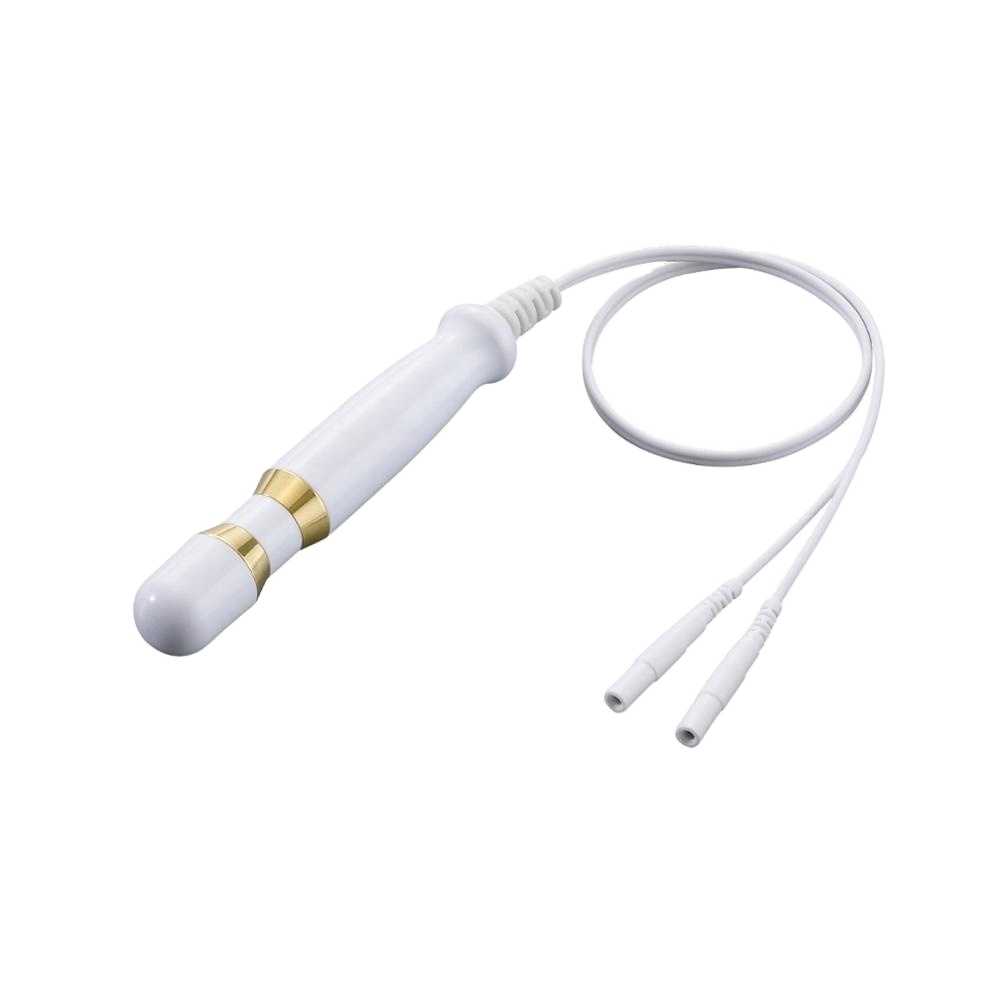
San Francisco's established healthcare networks—including Pacific Heights medical centers and community health systems—demand specialized electrotherapy devices. Integrating Class II medical pelvic floor stimulation probes (such as our PR-14A and PR-06A+ gold-plated probes) alongside portable pelvic stimulators enables non-invasive treatment of stress, urge, and mixed urinary incontinence in aging populations.
4. Regulatory Compliance & Import Protocols for California Buyers
Importing electrotherapy equipment into San Francisco ports (Port of Oakland maritime shipments or San Francisco International Airport air freight) requires strict adherence to United States Federal and California State regulatory frameworks:
- FDA 510(k) Clearance & Class II Device Registration: Interferential generators and muscle stimulators are classified as Class II medical devices under 21 CFR 890.5850 (Powered Muscle Stimulator) and 21 CFR 890.5890 (Transcutaneous Electrical Nerve Stimulator). USHC Medical maintains complete device listings and factory registration, facilitating seamless US Customs and Border Protection (CBP) clearance.
- ISO 13485:2016 Certified Quality Management Systems: All manufacturing processes in our Taiwan facilities operate under rigorous ISO 13485 oversight, audited on-site by third-party inspectors including SGS. Batch-level traceability ensures zero-defect delivery.
- California Proposition 65 & Biocompatibility Compliance: Patient-contact accessories, including hydrogel electrode pads, vaginal/rectal probes, and conductive garments, undergo biocompatibility testing according to ISO 10993 standards (Cytotoxicity, Sensitization, and Intracutaneous Reactivity). All materials strictly comply with California Proposition 65 requirements regarding phthalates, heavy metals, and toxic chemical limits.
- Electrical Safety (IEC 60601-1 / IEC 60601-2-10): Units designed for US export feature dual-isolation power supplies, isolation transformers, automatic load detection, and output current limiters to protect patients from unexpected surge hazards.
Why San Francisco Medical Wholesalers Choose USHC Medical
Combining 35+ years of electrotherapy manufacturing heritage with advanced OEM customization capabilities for global medical brands.
Integrated Manufacturing Facility
Established in 1989 in Taiwan, our dedicated production facility houses automated hydrogel coating lines, SMT circuit board assembly, high-precision probe molding, and individual unit testing clean rooms.
- Daily production of 60,000+ electrode pads
- In-house tooling & mechanical design
- 100% functional load testing on every unit
Complete OEM & ODM Capabilities
We empower San Francisco distributors and medical device brands to build proprietary market equity through extensive engineering customization options.
- Custom housing colors & private label printing
- Preset therapy program firmware development
- Custom packaging, user manuals, and artwork
San Francisco Supply Chain Optimization
We streamline international logistics for West Coast importers, offering flexible freight arrangements, consolidated shipping, and expedited customs paperwork.
- Direct maritime shipping via Oakland Port
- Air cargo delivery to SFO in 5-7 business days
- Low MOQ options for trial clinic orders
San Francisco Procurement FAQs
Answers to common commercial, technical, and regulatory questions from Northern California buyers and importers.
Partner with China's Premier Electrotherapy Manufacturer
Request direct factory wholesale pricing, technical datasheets, and sample evaluation kits for your San Francisco distribution network or clinical practice chain today.
Send an Inquiry