Curated OEM/ODM Product Portfolio & Manufacturing Lines
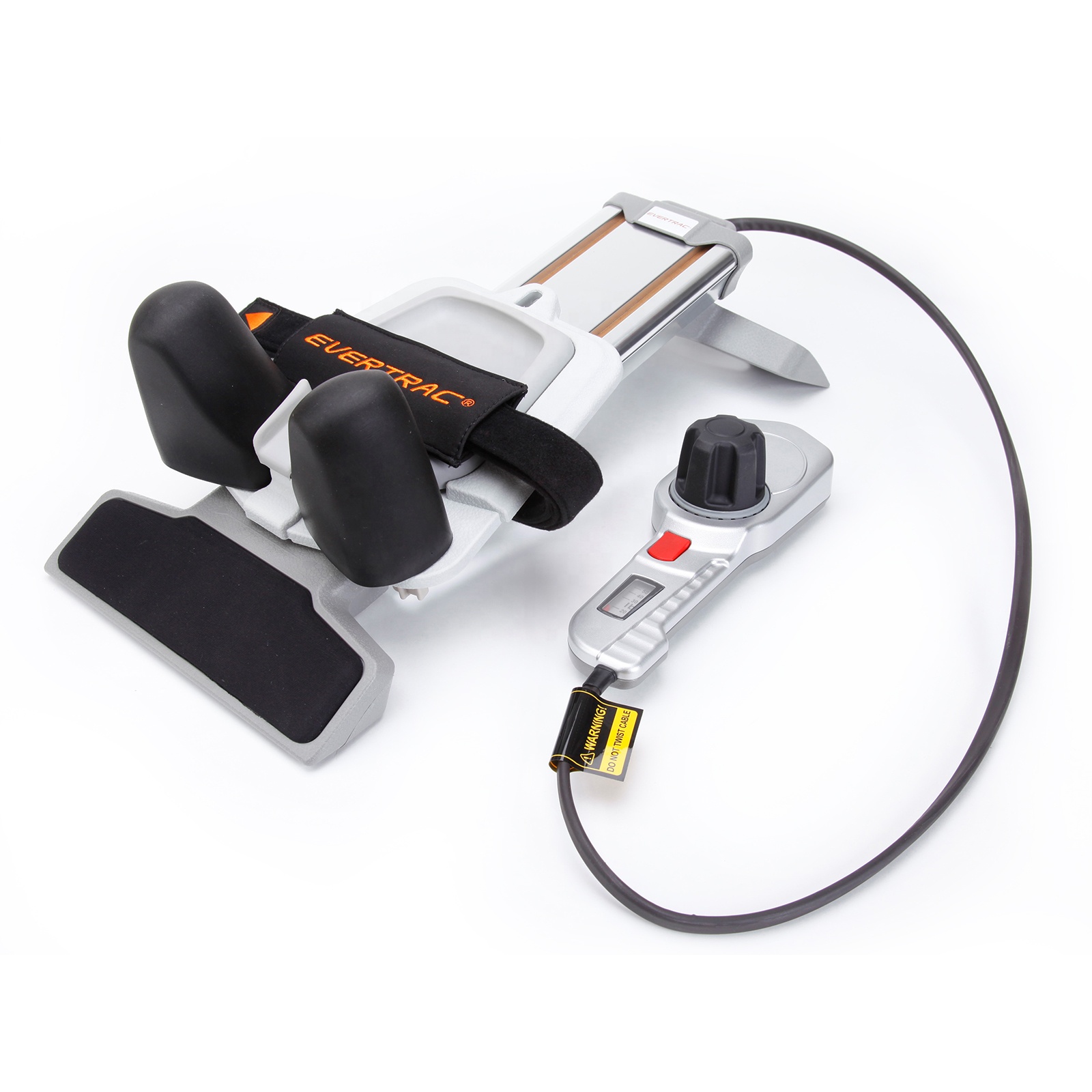
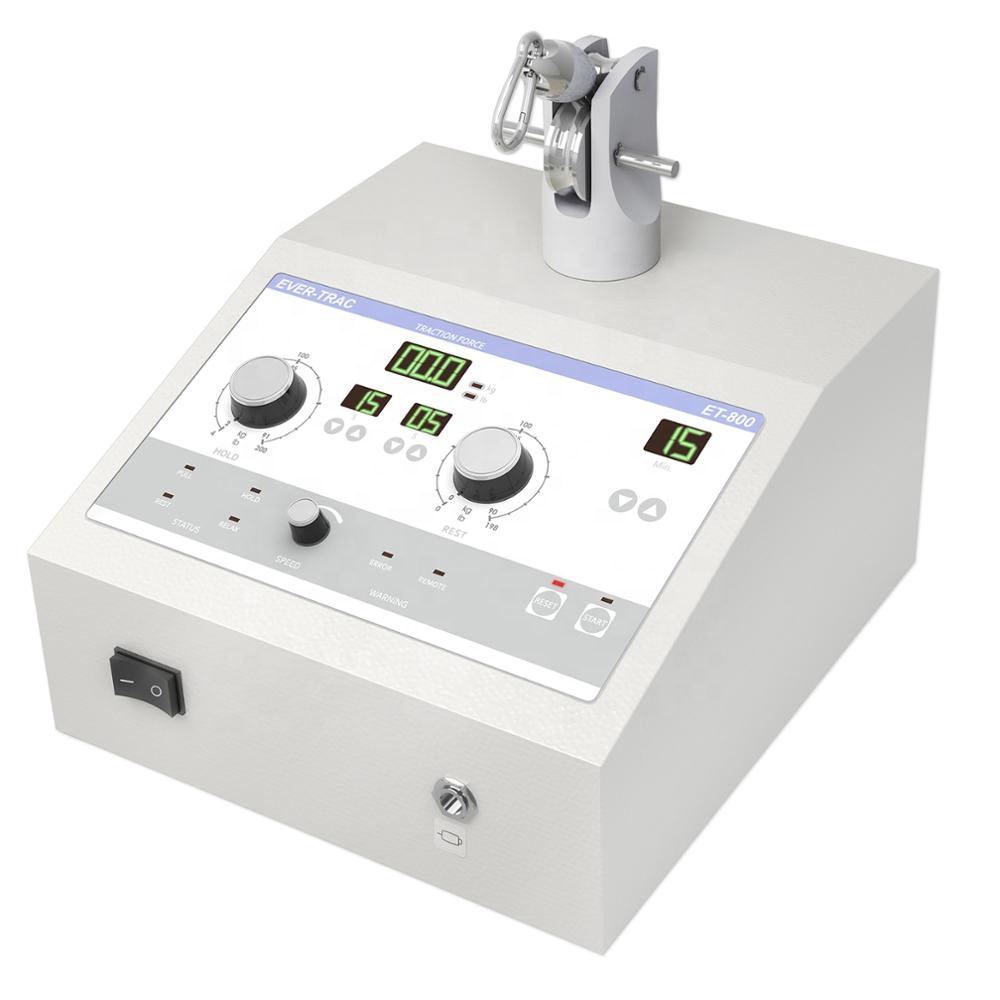
Explore our precision-engineered Transcutaneous Electrical Nerve Stimulation (TENS), Neuromuscular Electrical Stimulation (NMES/EMS), pelvic floor rehabilitation devices, hydrogel electrode pads, and clinical traction systems manufactured under strict ISO 13485 and FDA compliance.

Executive Procurement Whitepaper: Evaluating Global TENS & EMS Manufacturing Facilities
In the rapidly evolving landscape of non-invasive electrotherapy and personal pain management, choosing the right manufacturing facility is the cornerstone of long-term market success. Brand owners, clinical equipment distributors, and healthcare procurement professionals seeking Top Trusted TENS Pain Relief Machine Factories must look far beyond superficial pricing metrics. A truly top-tier OEM/ODM electrotherapy manufacturer must seamlessly integrate bio-electrical engineering capabilities, stringent medical quality management systems (QMS), advanced biocompatible material science, and global regulatory compliance frameworks.
Transcutaneous Electrical Nerve Stimulation (TENS) and Electrical Muscle Stimulation (EMS) technologies operate at the intersection of human physiology and micro-current electronics. High-performance devices deliver specific waveform parameters—pulse duration (microseconds), frequency (Hertz), and current output (milliamperes)—designed to stimulate A-beta cutaneous sensory fibers to block pain signals via the Gate Control Theory or trigger motor nerve depolarizations for muscle re-education. Consequently, structural deficiencies in factory manufacturing processes, such as unstable current output, inadequate lead-wire insulation, or substandard hydrogel impedance, can lead to severe operational failures, skin burns, or regulatory recalls.
This comprehensive industrial benchmark whitepaper provides procurement executives with deep technical insights into evaluating electrotherapy factories, analyzing engineering trends, understanding global regulatory standards, and leveraging Taiwan's medical device manufacturing ecosystem for sustainable growth.
Key Technological & Engineering Development Trends in Electrotherapy Devices
The global electrotherapy market is undergoing a structural transition driven by advancements in digital signal processing (DSP), miniaturized power management, and advanced polymer hydrogels. Leading original equipment manufacturers (OEMs) and original design manufacturers (ODMs) are prioritizing specific technological paradigms to maintain market leadership:
Multi-Channel Dynamic Waveform Synthesis
Modern clinical-grade TENS/EMS units are moving away from simple fixed analog pulse generation toward microprocessor-controlled multi-channel modulation. Factories must possess the capability to engineer microcontrollers that generate asymmetric biphasic square pulses, interferential currents (IFC), and microcurrent stimulation (MET) within a single compact device chassis.
Biocompatible Carbon-Film & Hydrogel Integration
The efficacy of electrotherapy depends entirely on the interface between skin and electrode. Advanced factories utilize premium Japanese/Taiwanese conductive hydrogels bonded to high-dispersion carbon films. This eliminates localized high-current hotspots, guarantees low skin-impedance transition, and ensures hypoallergenic compliance under ISO 10993 standards.
Intelligent Power Architecture & Wearables
The market demand for ultra-portable, wireless TENS devices requires low-power Bluetooth BLE 5.0 modules, rechargeable lithium-polymer battery power management systems (BMS), and wearable conductive garment integration (gloves, socks, wraps) capable of uniform signal distribution across complex anatomical contours.
When evaluating a manufacturing facility, buyers must assess whether the vendor maintains cleanroom environments (ISO Class 8 standard) for hydrogel casting and automated SMT (Surface Mount Technology) assembly lines for circuit board production. Fully automated production mitigates manual assembly errors, ensures tight component tolerances, and delivers identical pulse waveform accuracy across tens of thousands of production units.
Technical Evaluation Matrix for TENS/EMS Machine Manufacturing Standards
| Technical Parameter | Standard Commercial Grade | USHC Clinical-Grade OEM Standard | Procurement Significance |
|---|---|---|---|
| Waveform Architecture | Basic Monophasic / Analog Dial | Microprocessor-Controlled Biphasic Asymmetric | Prevents charge accumulation under skin; eliminates burn risks. |
| Pulse Frequency Range | Fixed 2Hz - 100Hz | Variable 1Hz - 150Hz (Programmable Steps) | Allows targeted therapy (Low Hz for endorphin, High Hz for gate control). |
| Electrode Impedance | > 120 Ohms/cm² | < 30 Ohms/cm² (High Conductive Carbon) | Ensures maximum current transfer with minimum power consumption. |
| Biocompatibility Compliance | Basic Material Self-Declaration | ISO 10993-5 (Cytotoxicity) & ISO 10993-10 Certified | Prevents severe skin irritation, contact dermatitis, and product recalls. |
| Quality Management System | ISO 9001 General Industrial | ISO 13485:2016 Certified Medical Device System | Mandatory requirement for medical device registration globally. |
Global Procurement & Future Supply Chain Trends (2025–2030)
As global health regulatory authorities—including the European Medicines Agency under MDR (EU 2017/745) and the United States FDA under stricter 510(k) clearance requirements—tighten oversight on medical and consumer wellness devices, the global supply chain strategy for electrotherapy products is shifting dramatically:
1. Shift Towards Regionally Trusted Sourcing Hubs (The Taiwan Advantage)
Importers and retail brands are actively diversifying away from low-cost, unverified factories toward established Taiwan medical device hubs like USHC Medical Instruments Co., Ltd. (established in 1989). Taiwan's robust microelectronics supply chain, rigorous intellectual property protections, transparent regulatory audit histories, and skilled engineering workforce make it the gold standard for high-reliability medical production.
2. Integrated One-Stop OEM/ODM Supply Ecosystems
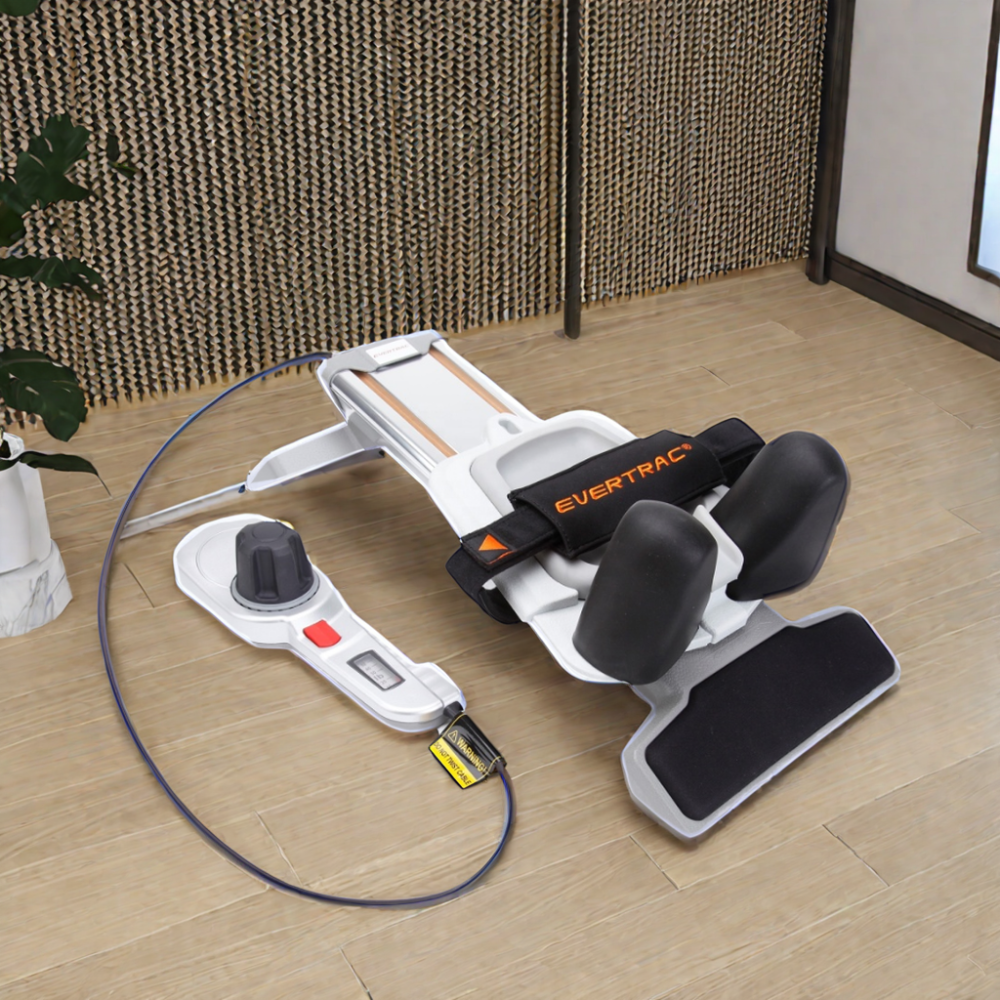
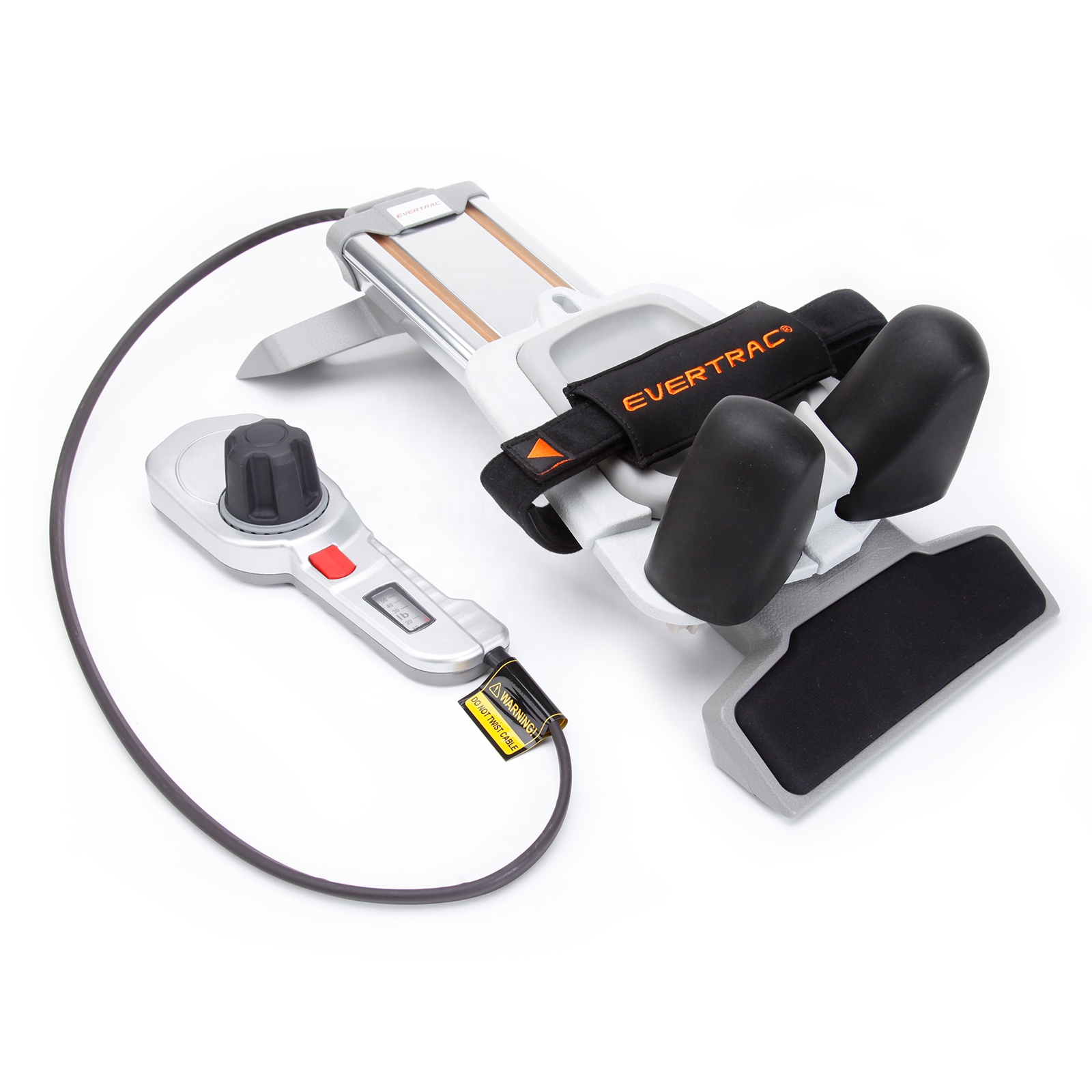
Procurement directors increasingly demand full vertical integration from single-source manufacturing partners. Managing separate suppliers for TENS main units, hydrogel electrode pads, lead wires, pelvic probes, and traction tables introduces severe supply-chain friction, lead-time volatility, and compliance misalignments. A unified factory capable of delivering complete electrotherapy systems—from device tooling and PCB assembly to hydrogel coating and customized retail packaging—dramatically reduces Total Cost of Ownership (TCO).
3. Specialized Pelvic Floor & Incontinence Therapy Growth
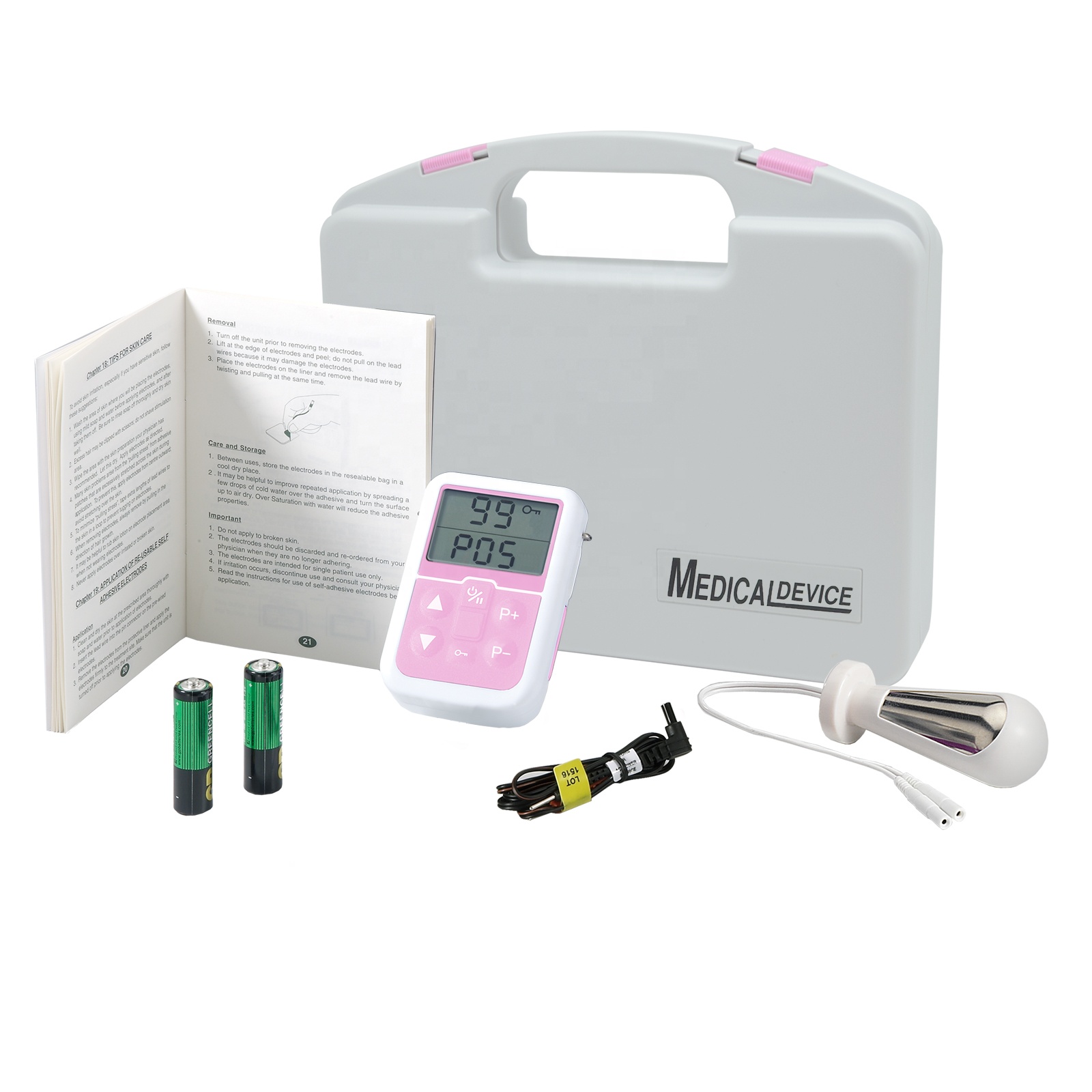
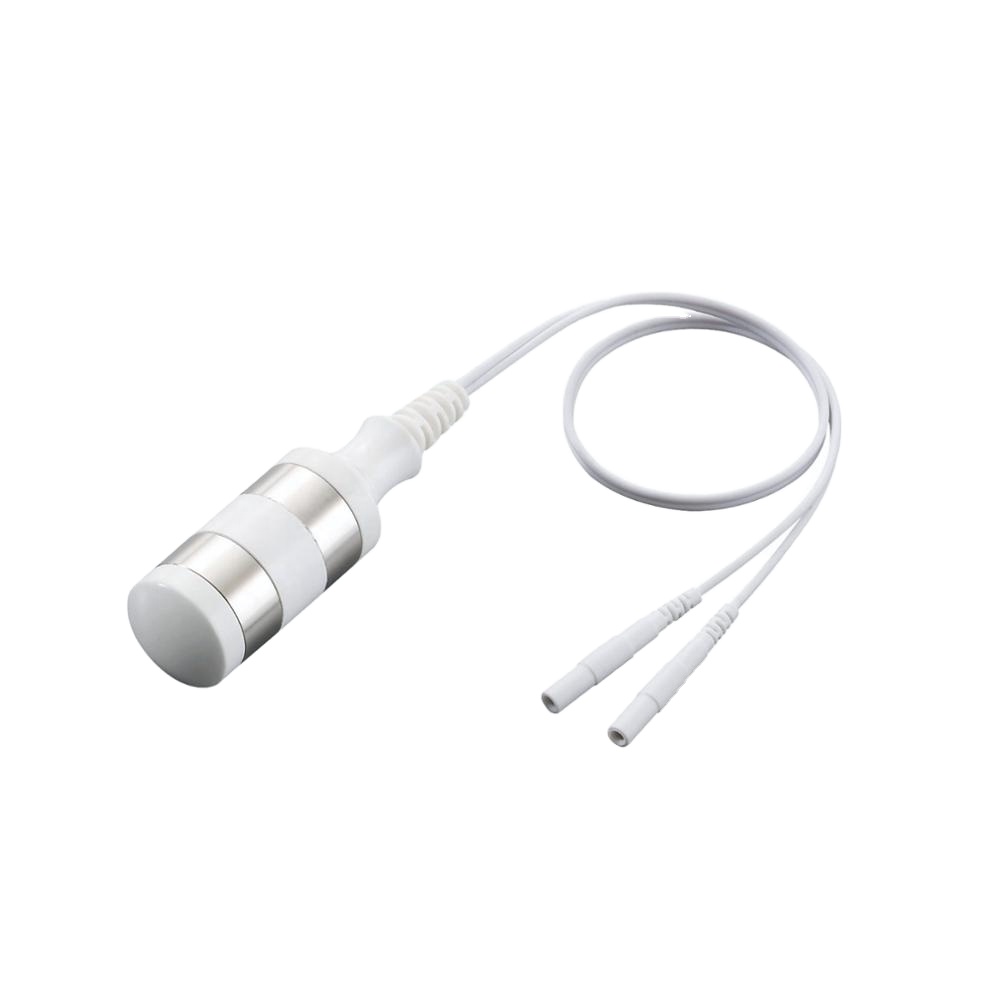
Female wellness, post-partum recovery, and non-invasive incontinence treatment represent one of the fastest-growing sectors in bio-electrical stimulation. Forward-thinking procurement teams are expanding their catalogues beyond standard back-pain TENS devices to include clinical-grade pelvic floor muscle stimulators equipped with biofeedback-compatible stainless steel/ABS vaginal and rectal probes (e.g., USHC PR-14A series).
Why USHC Medical Instruments is the Industry Leader in Electrotherapy OEM/ODM
Founded in 1989 in Taiwan, USHC Medical Instruments Co., Ltd. has established itself over 35+ years as an internationally recognized pioneer in custom electrotherapy and physical rehabilitation device manufacturing. Our state-of-the-art facilities combine precision engineering with rigorous quality control, servicing brand owners, clinical chains, and distributors across more than 70 countries.
Verified ISO 13485 & SGS On-Site Assessed
Our production facility operates strictly under the ISO 13485 Quality Management System for Medical Devices. Independently audited and verified on-site by SGS, USHC maintains complete traceable batch records, incoming raw material inspections, and 100% finished-good functional electrical safety testing.
CE Marked & FDA Listed Regulatory Support
Navigating global clearance is effortless with USHC. Our product catalog includes FDA-listed devices and CE-marked models compliant with European safety directives. We provide full technical documentation, labeling support, and testing reports necessary for rapid market registration.
60,000+ Daily Electrode Production Capacity
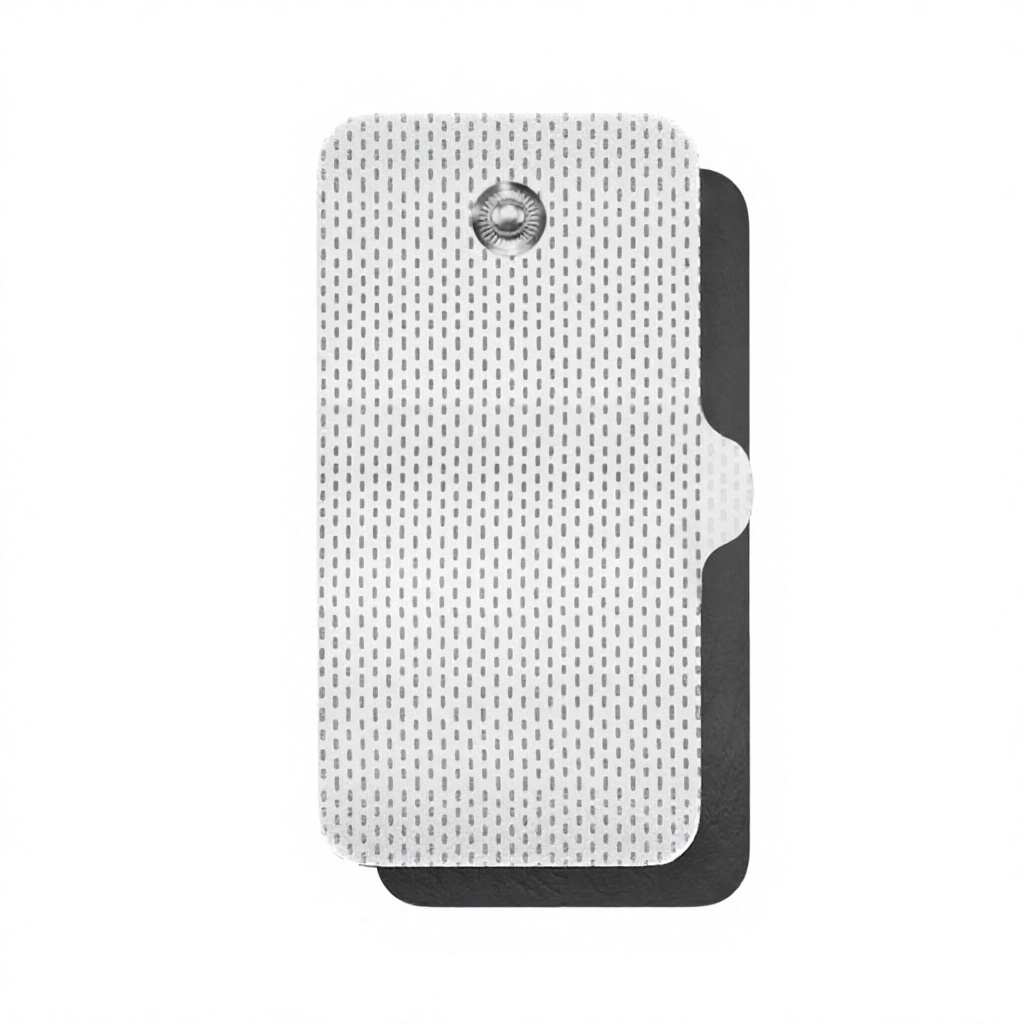
Featuring automated high-speed gel coating, carbon film laminating, and die-cutting assembly lines, USHC produces over 60,000 reusable electrode pad units daily. We support pin-connectors (2.0mm), snap-button leads, and custom shape/size private-label packaging.
Frequently Asked Questions (FAQ) for Enterprise Procurement
Partner with a World-Class Electrotherapy Device Manufacturer
Elevate your brand with ISO 13485 certified, Taiwan-manufactured TENS/EMS devices, custom hydrogel electrodes, and clinical rehabilitation systems. Contact our engineering team today for custom quotes and product samples.