Flagship Medical Electrotherapy & Rehabilitation Devices
Precision-engineered TENS/EMS units, pelvic floor therapy probes, and clinical traction systems exported to over 70 countries worldwide.
1. Institutional Authority & Taiwan OEM/ODM Manufacturing Infrastructure
Since 1989, USHC Medical Instruments Co., Ltd. has established itself as an authoritative leader in electrotherapy engineering, physical therapy device fabrication, and non-invasive neuromodulation technology. Operating directly out of state-of-the-art facilities in Taiwan, our enterprise integrates rigorous biomedical R&D, precision molding, Surface Mount Technology (SMT) circuit assembly, and automated hydrogel pad coating lines under a unified quality architecture. This integrated supply chain enables international medical device brands, healthcare chains, and distributors to mitigate procurement risks while accelerating time-to-market.
Our commitment to Quality Management Systems (QMS) is validated by full compliance with ISO 13485, alongside CE marking (Class IIa/IIb medical devices) and FDA 510(k) listings. Moreover, our facility undergoes routine on-site audits conducted by SGS, serving as an independent benchmark of technical capability, workplace safety, and cleanroom standard adherence (Class 100,000 clean rooms for intracavity probe molding and hydrogel synthesis).
ISO 13485 QMS Compliance
Comprehensive traceability protocols covering raw polymer sourcing, micro-controller firmware programming, and full-spectrum batch validation.
FDA Listed & CE Certified
Pre-cleared regulatory dossiers ready for technical file transfer, simplifying registration across North America, the EU, and ASEAN zones.
SGS On-Site Verified
Independent third-party verification of trade capacity, financial health, automated production lines, and cleanroom standards.
Information Gain Insight: The Taiwan Manufacturing Advantage
Unlike standard unverified contract factories, Taiwan-based electrotherapy manufacturing delivers high precision circuit calibration (+/- 2% pulse width tolerance), superior thermal stability in lithium-polymer power cells, and strict medical-grade biocompatibility (ISO 10993 standards). This eliminates product recall risks associated with current leakage or phase instability common in low-tier electro-stimulation hardware.
2. Technical Breakdown: TENS, EMS, Neuromuscular & Pelvic Floor Stimulation
To successfully specify muscle stimulation equipment for hospital, clinical, or OTC retail distribution, procurement directors must understand the physiological mechanisms, wave-shaping dynamics, and material science underpinning each product category.
A. Transcutaneous Electrical Nerve Stimulation (TENS)
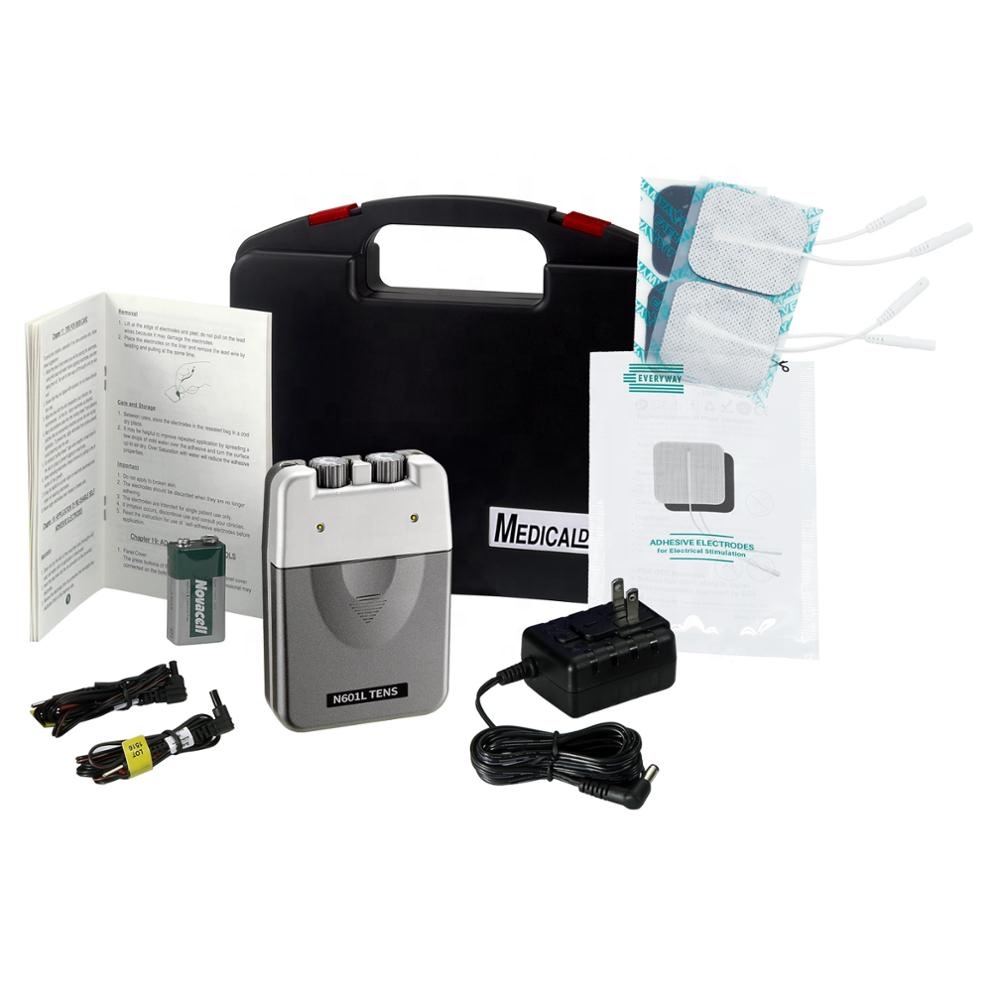
TENS technology primarily targets sensory nerve fibers (A-beta and A-delta) to suppress chronic and acute pain signals transmitted to the central nervous system. By utilizing controlled asymmetric biphasic square pulses, our TENS units operate across two distinct physiological pathways: Gate Control Theory (high-frequency stimulation: 80Hz–120Hz, modulating presynaptic inhibition) and Endorphin Release Mechanism (low-frequency stimulation: 2Hz–5Hz, triggering endogenous opioid secretion).
B. Electrical Muscle Stimulation (EMS) & NMES
Electrical Muscle Stimulation targets motor nerve axons (Alpha motor neurons) to induce forceful muscular contractions. EMS is utilized for muscle atrophy prevention, post-surgical rehabilitation, sports conditioning, and peripheral circulation improvement. Our devices feature adjustable ramp-up time (0.5 to 5 seconds), sustain phase duration, and active relaxation intervals, delivering symmetrical biphasic waveforms that prevent cellular polarization and skin burns under high current density.
C. Intracavity Pelvic Floor Biofeedback & Electrode Probes
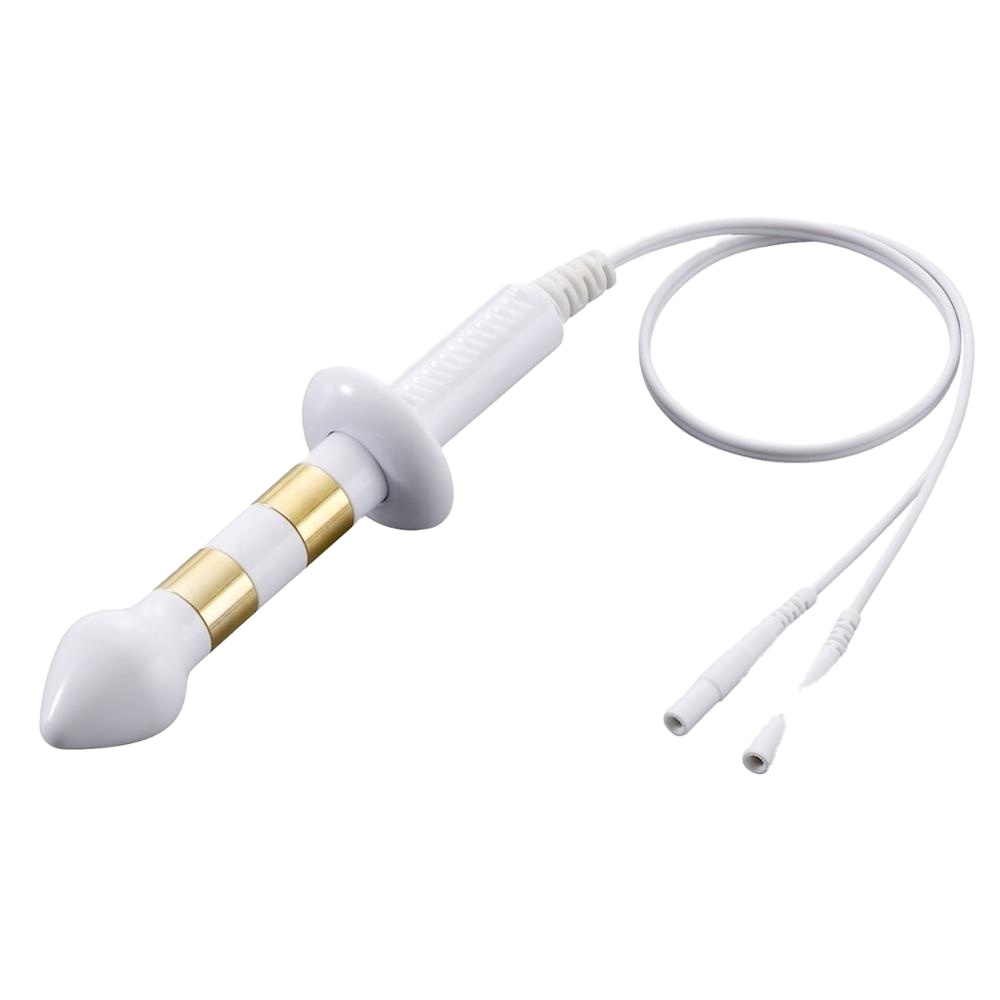
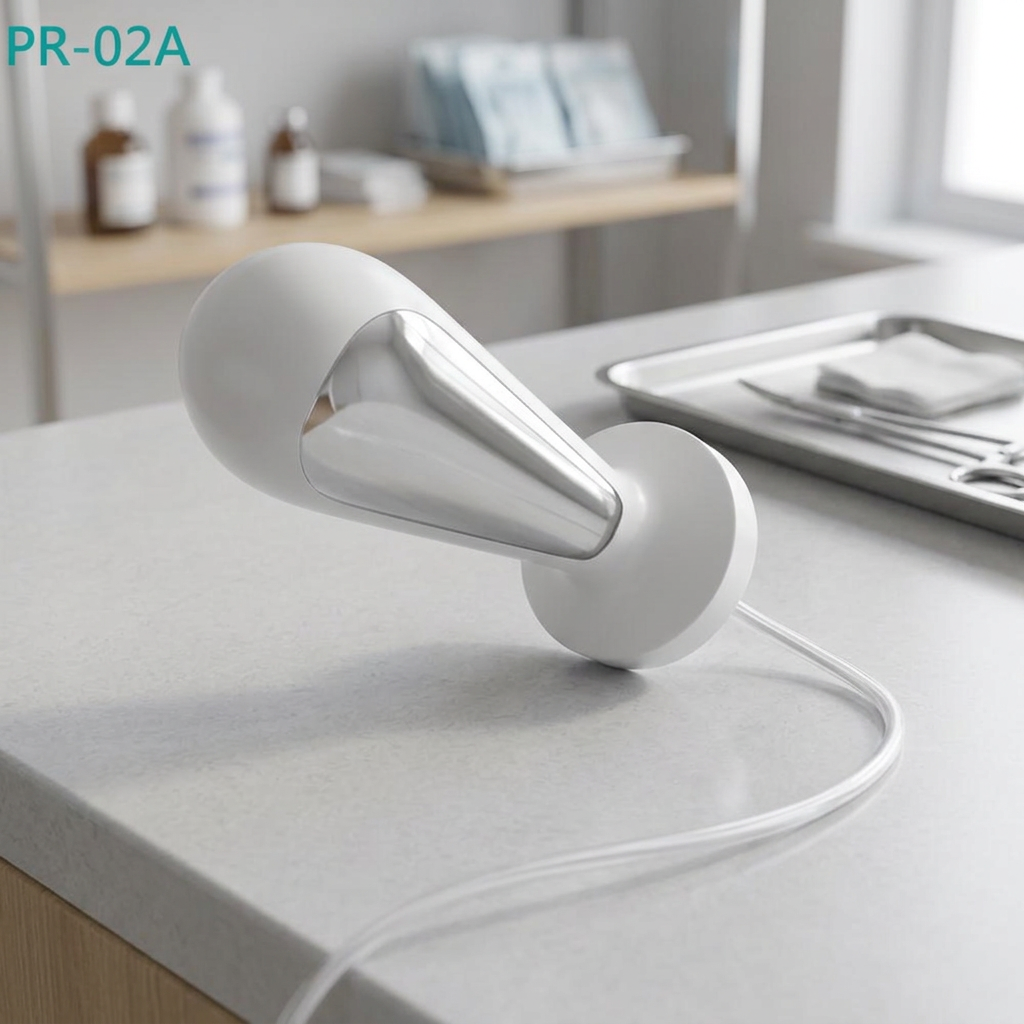
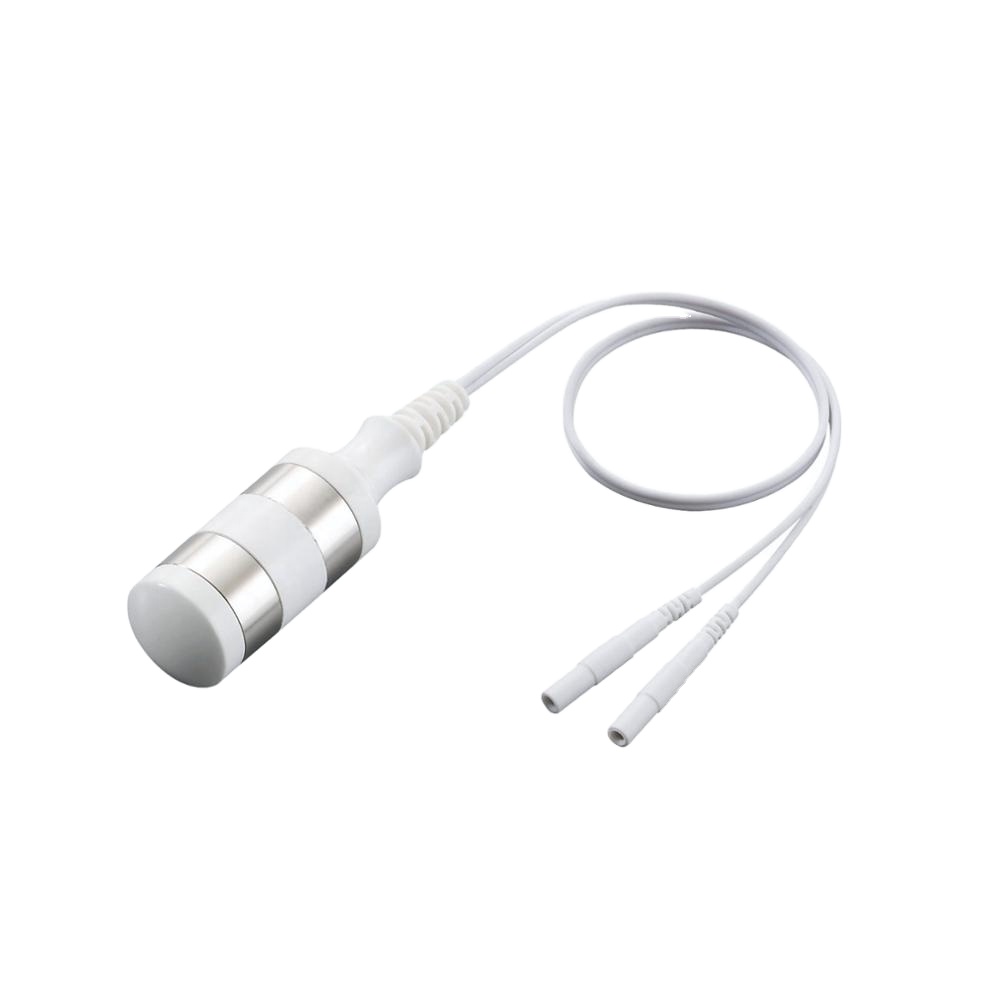
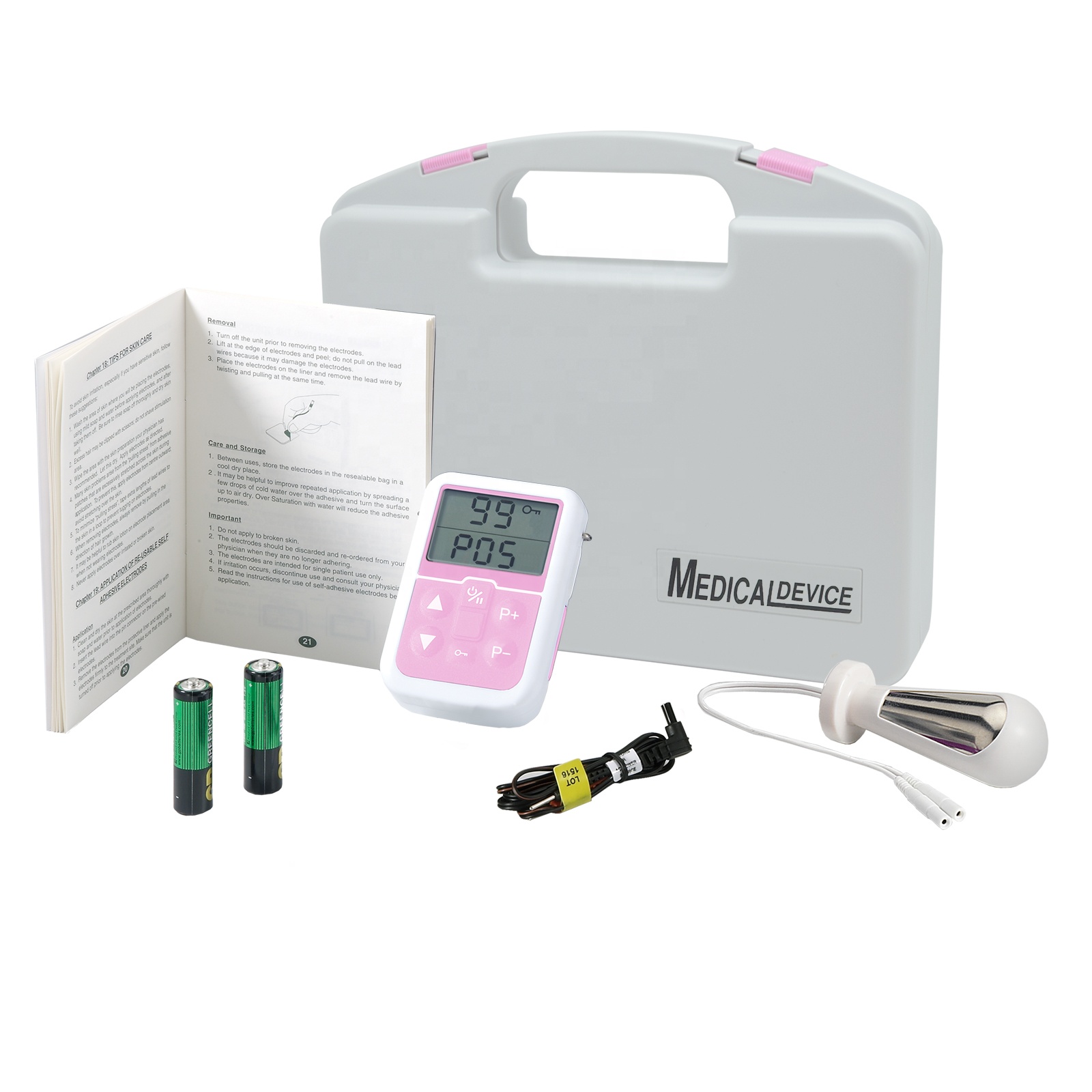
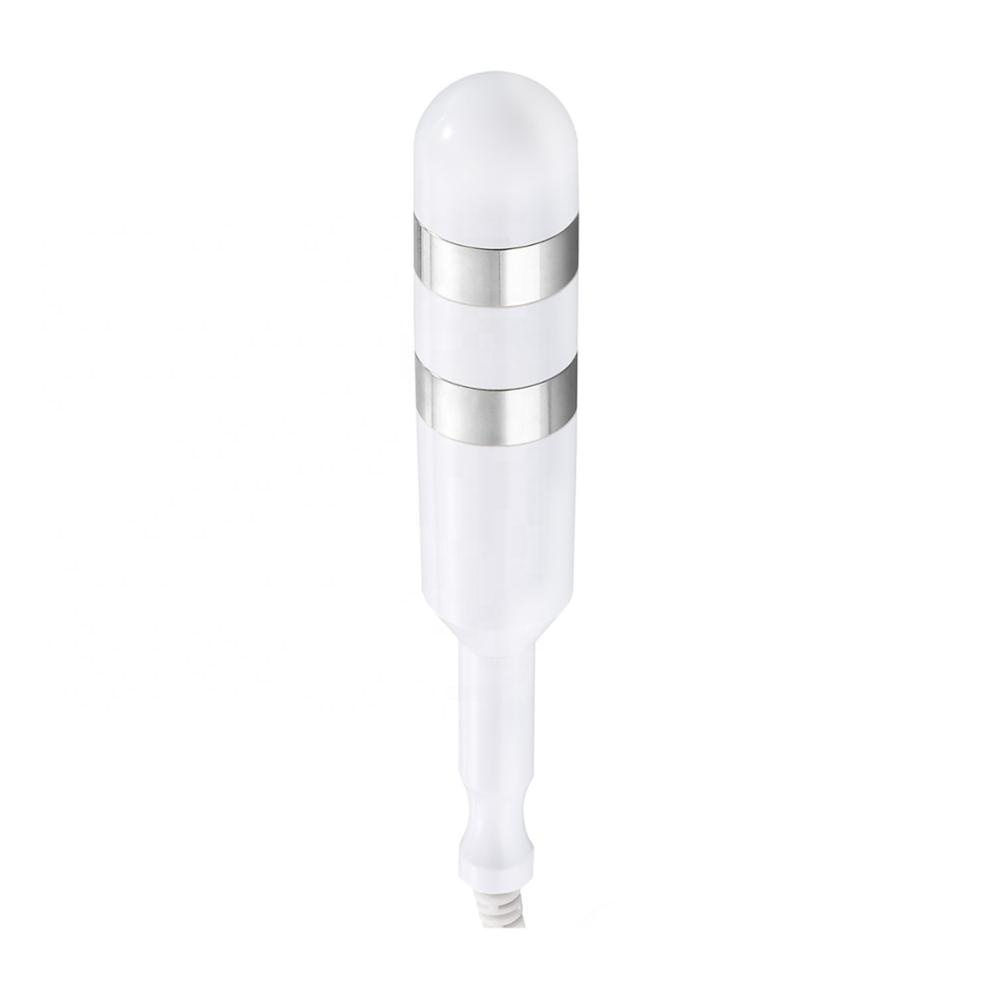
Pelvic floor dysfunctions—including stress, urge, and mixed urinary incontinence—require specialized intracavity bio-stimulation probes (such as the PR-13A+ Rectal Probe and PR-14A Vaginal Probe). Key bio-engineering specifications include:
- Electrode Contact Material: Medical-grade SUS304 / SUS316L stainless steel rings engineered with zero nickel-leaching surface passivations to prevent localized allergic reactions.
- Body Housing: Injection-molded bio-inert ABS polymer tested for ISO 10993-5 (Cytotoxicity), ISO 10993-10 (Sensitization & Irritation), and USP Class VI compliance.
- Conductor Wiring: Multi-strand copper-tinsel leads enclosed in soft TPU insulation, capable of enduring 50,000+ flex cycles without impedance spikes.
D. Cervical & Lumbar Traction Engineering
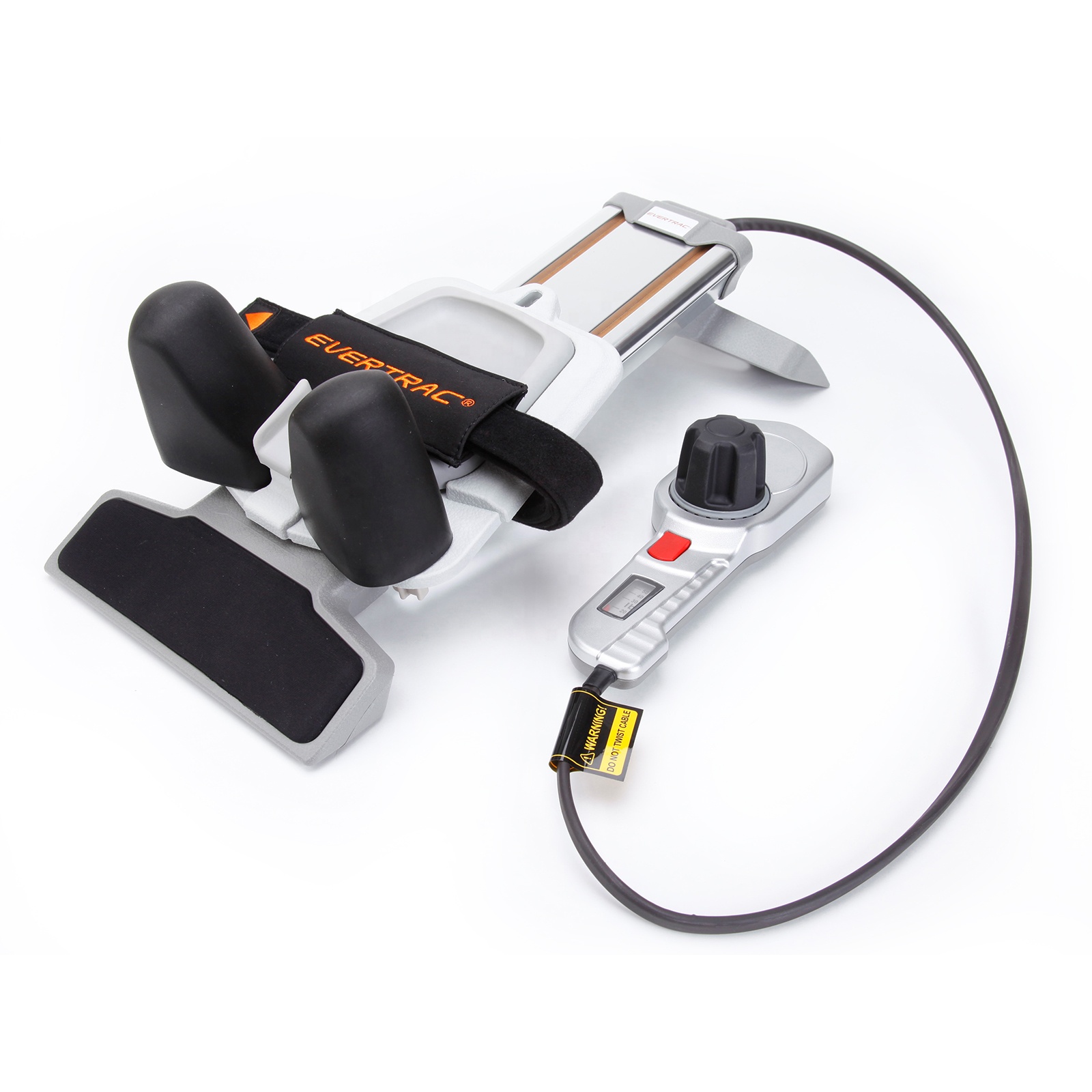
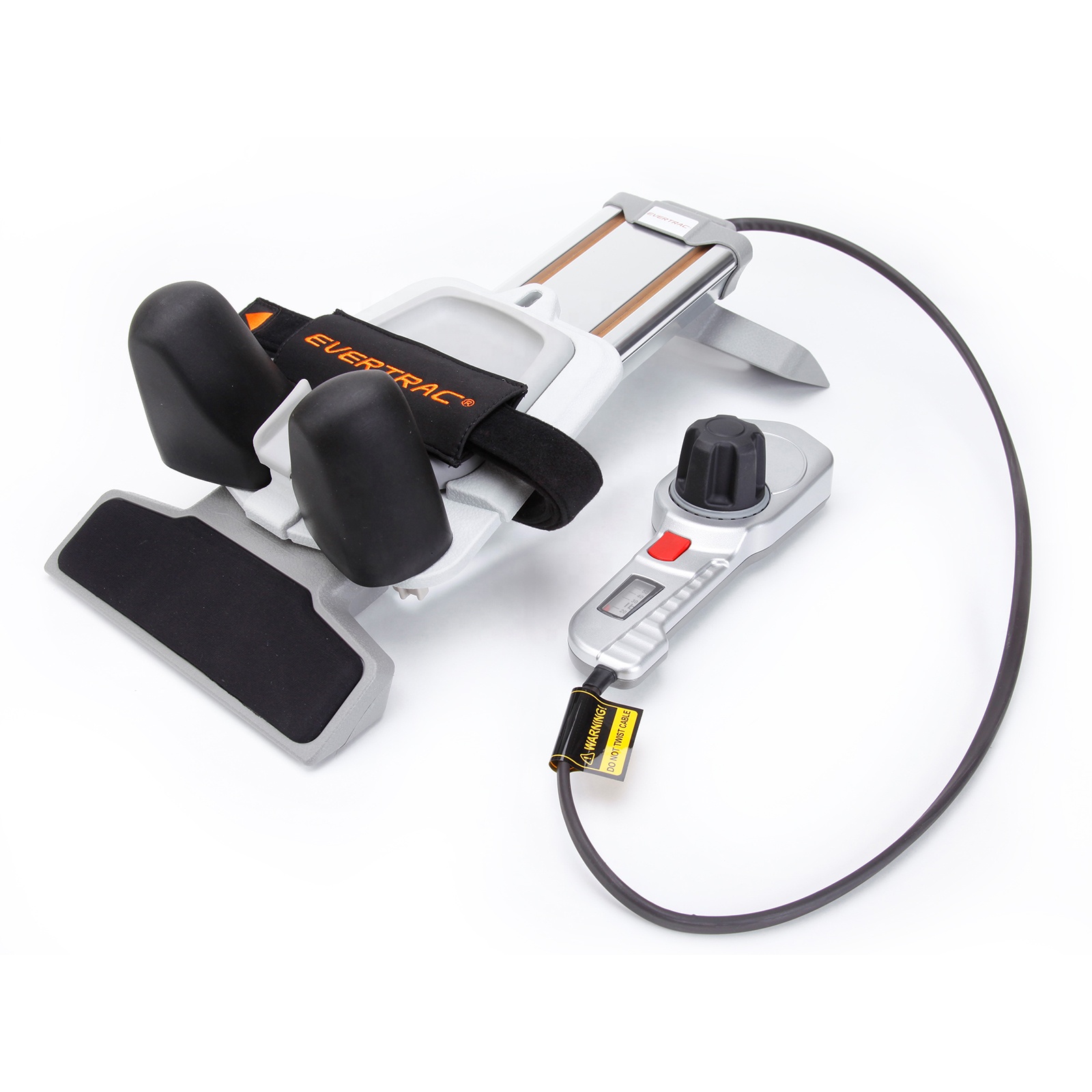
Clinical physical therapy demands physical decompression alongside electrical modalities. Systems like the Taiwan CT-800 Cervical Traction Unit utilize force-calibrated mechanical tension controls that work synergistically with neuromuscular electrical stimulation tables. By regulating pull force from 5 lbs to 45 lbs with safety pressure release valves, these systems relieve nerve root compression and herniated disc distress under controlled clinical protocols.
3. Global B2B Procurement Trends in Muscle Stimulation & Electrotherapy (2025–2030)
The global electrotherapy device market is experiencing rapid evolution driven by shifting healthcare economics, home care migration, and regulatory harmonizations. Procurement leaders must align their purchasing strategies with five core industry shifts:
1. Transition to USB-C & Li-Po Power
Legacy 9V dry-battery TENS designs are rapidly being phased out due to EU Battery Directive revisions. Modern distributors demand integrated Lithium-Polymer (Li-Po) cells with USB-C fast charging and overcharge protection ICs.
2. Smart Wireless & App Ecosystems
Integration of Bluetooth 5.0 Low Energy (BLE) microcontrollers allows muscle stimulators to link directly to iOS/Android patient monitoring software, enabling remote therapy compliance tracking for telerehabilitation.
3. Tightened EU MDR & Global Regulations
Under the European Union Medical Device Regulation (EU MDR 2017/745), Class II devices require comprehensive clinical evaluation reports (CER). Sourcing from factories with existing technical dossiers prevents market lockout.
4. Eco-Friendly Conductive Hydrogels
Biocompatible, non-irritating, Japanese synthetic hydrogels featuring biocompatible water-locking polymers are replacing traditional solvent-based gels, expanding reusable electrode lifespans to over 30 applications per pad.
5. Specialized Women's Health Focus
Non-invasive pelvic floor strengthening devices represent the fastest-growing electrotherapy sub-segment. OEM buyers are increasingly launching customized Kegel stimulators targeting post-partum and geriatric care.
6. Multi-Channel Isolated Output
Clinical physical therapy providers prefer 4-channel independent output devices over simple 2-channel designs, allowing simultaneous multi-group muscle stimulation (e.g., quadriceps and hamstrings recovery) with zero cross-channel interference.
4. Technological Evolution & Product Roadmap (2025–2030)
At USHC Medical, our R&D division focuses on continuous technological advancements to keep our OEM partners ahead of global market competitors. Below is our engineering roadmap outlining next-generation electro-stimulation developments:
| Engineering Vector | Conventional Technology | USHC Next-Gen Innovation Standard |
|---|---|---|
| Impedance Sensing | Static voltage delivery regardless of skin dryness | Real-time bio-impedance feedback adjusting current micro-amps dynamically to eliminate stinging sensations. |
| Conductive Textiles | Standard hydrogel sticky pads requiring replacement | Silver-yarn woven conductive garments (gloves, socks, knee sleeves) providing 360-degree uniform current density. |
| Micro-Controller Architecture | Fixed 8-bit MCU with hardcoded program presets | 32-bit ARM Cortex processors with flashable firmware, permitting custom clinical pulse profiles via USB/BLE. |
| Probing Biocompatibility | Standard nickel-plated brass contacts | Laser-welded surgical SUS316L gold-plated connectors certified zero-cytotoxicity for sensitive tissue safety. |
5. Complete OEM & ODM Service Lifecycle
USHC Medical operates as a total-solution partner. Whether you are launching a private-label retail TENS unit or engineering a custom clinical pelvic biofeedback device, our structured 6-stage engineering workflow guarantees execution consistency:
Concept & Regulatory Scoping
Definition of target market requirements (FDA, CE, PMDA), target classification, battery specifications, and housing ergonomics.
Tooling & Hardware Design
CAD 3D modeling, plastic injection tooling fabrication, SMT circuit board layout, and enclosure prototyping.
Firmware & Waveform Programming
Developing custom pulse frequencies (1Hz-150Hz), pulse widths (50µs-400µs), timer algorithms, and LCD display UI menus.
Biocompatibility & Safety Verification
Executing IEC 60601-1 (Electrical Safety), IEC 60601-1-2 (EMC), and ISO 10993 laboratory testing for full regulatory dossiers.
Pilot Production & QMS Audit
Trial run validation on automated SMT lines, first-article inspection reports (FAIR), and QMS batch sign-offs.
Mass Output & Global Logistics
High-volume manufacturing, automated drop-testing, custom retail box packaging, palletization, and customs export management.
6. B2B Procurement & Technical FAQ
USHC Medical Instruments Co., Ltd. is a verified custom manufacturer operating direct production lines in Taiwan. We manage our own plastic injection molding, cleanroom probe fabrication, and circuit assembly facilities, backed by an experienced export logistics division. Our factory credentials have been independently assessed on-site by SGS.
We offer end-to-end customization, including private-label brand silk-screening, custom housing colorways, specialized LCD screen graphic interfaces, custom preset program frequency combinations, instruction manual localization, retail box packaging design, and custom electrode lead wire configurations (e.g., 2.0mm pin, 3.5mm snap, or custom quick-connectors).
Our plant operates strictly under ISO 13485 QMS certification. Product families hold CE mark compliance certificates, FDA 510(k) clearances, and TFDA approval. Complete Technical Construction Files (TCF), test reports (IEC 60601-1, IEC 60601-1-2), and ISO 10993 biocompatibility documentation are accessible to authorized distribution partners for local health authority filings.
Our automated hydrogel mixing and coating machinery produces over 60,000 self-adhesive electrode pieces daily. For intracavity probes (vaginal/rectal), our cleanroom molding lines maintain a stable capacity to support both large-scale tender orders and multi-sku mixed shipments without compromising quality checks.
All probes (including PR-13A+, PR-14A, and PR-03A) are manufactured using surgical-grade stainless steel plates paired with biocompatible ABS resins. Each batch undergoes rigorous testing under ISO 10993-5 (cytotoxicity) and ISO 10993-10 (irritation/sensitization) to ensure 100% patient safety during mucosal membrane contact.
Standard catalog samples are dispatched within 3–5 business days. Customized OEM prototype units requiring custom firmware or private branding typically take 2–3 weeks. Mass production lead times range from 30 to 45 days following artwork approval and deposit confirmation, depending on order volume and regulatory packaging demands.
Request Your B2B OEM/ODM Product Catalog & Wholesale Quote
Partner with Taiwan's premier medical electrotherapy manufacturer. Contact our biomedical engineering and export sales teams today to receive full technical specifications, compliance dossiers, and wholesale pricing structures.