Top China TENS EMS Device Factories & Exporters

Global B2B Sourcing Whitepaper: Medical-Grade Electrotherapy Technology, OEM/ODM Supply Chains, and Regulatory Compliance Standards

Industry Whitepaper & Strategic Sourcing Guide

Navigating the China & Taiwan Electrotherapy Manufacturing Ecosystem

A comprehensive analysis of Transcutaneous Electrical Nerve Stimulation (TENS) and Electrical Muscle Stimulation (EMS) manufacturing capabilities, quality assurance frameworks, and technical innovations for global healthcare distributors.

The global demand for non-invasive, drug-free pain management and targeted neuromuscular rehabilitation has established TENS and EMS units as core assets in physical therapy clinics, home healthcare catalog offerings, and e-commerce retail channels. As global importers, medical device brand owners, and procurement directors navigate the competitive B2B manufacturing landscape, identifying top-tier China and Taiwan original equipment manufacturers (OEMs) and original design manufacturers (ODMs) requires technical scrutiny. Evaluating engineering depth, component reliability, PCB firmware integrity, and international regulatory compliance (ISO 13485, US FDA 510(k)/Listed, and EU MDR) is essential for long-term commercial success.

Key Procurement Takeaway: Tier-1 electrotherapy manufacturers distinguish themselves not merely through cost-efficient plastic housing assembly, but via medical-grade output stability, precision bi-phasic symmetrical wave design, skin-safe biocompatible hydrogel electrode production, and audited quality management systems (QMS) capable of enduring strict notified-body inspections.
Product Selection Matrix

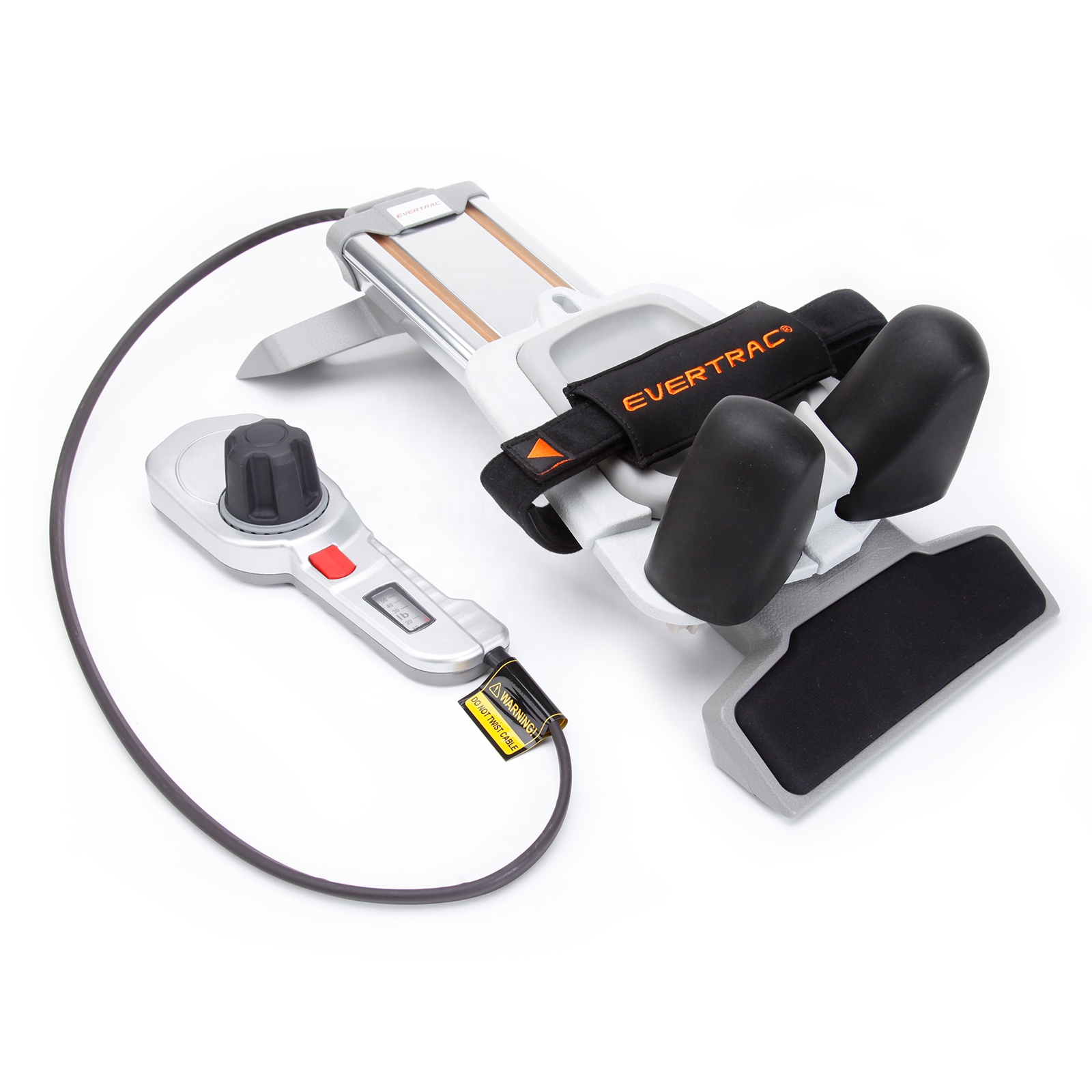
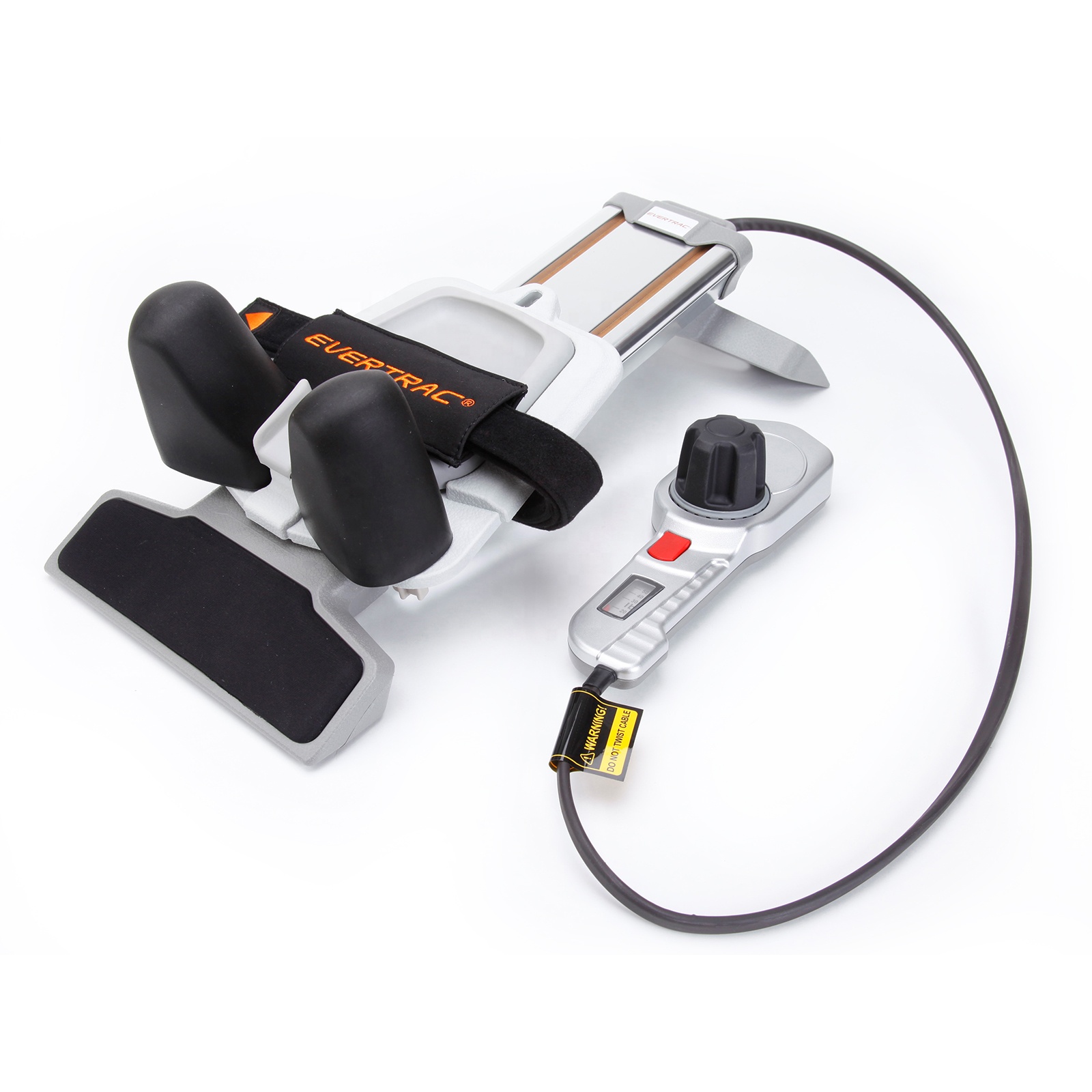
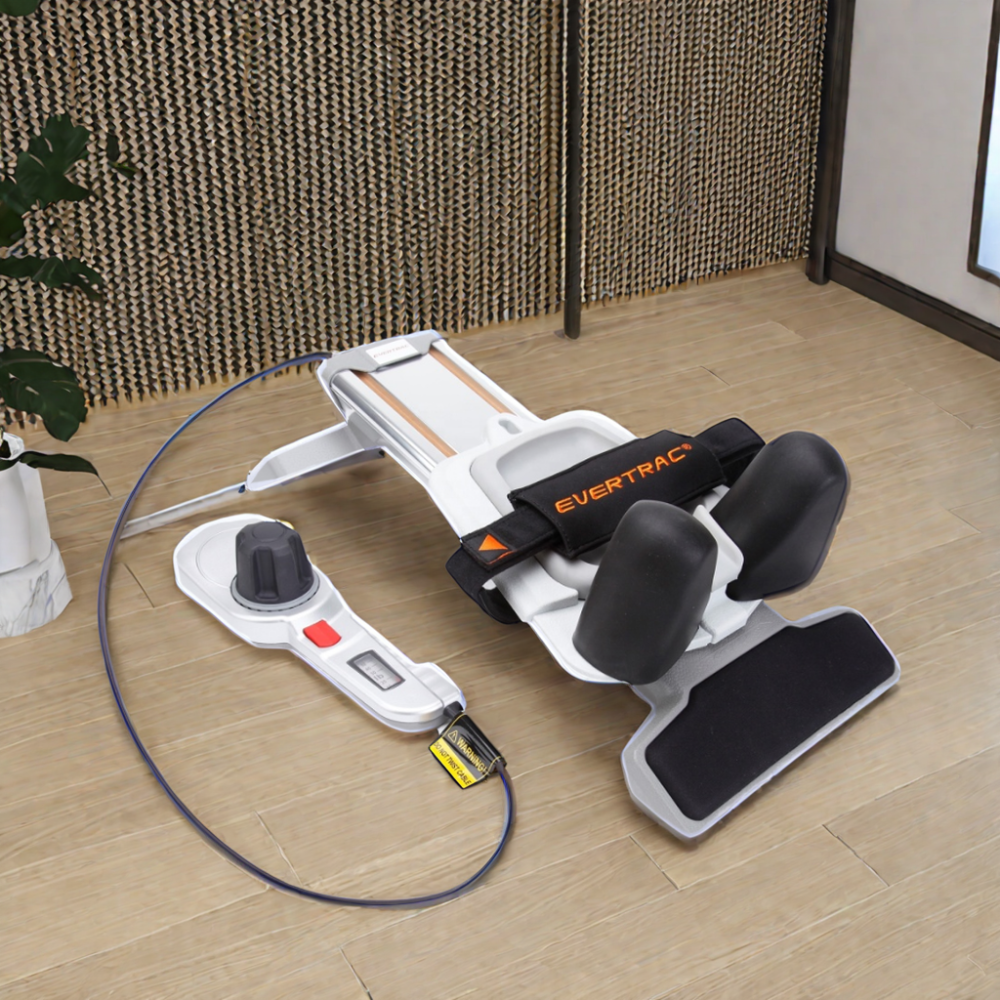
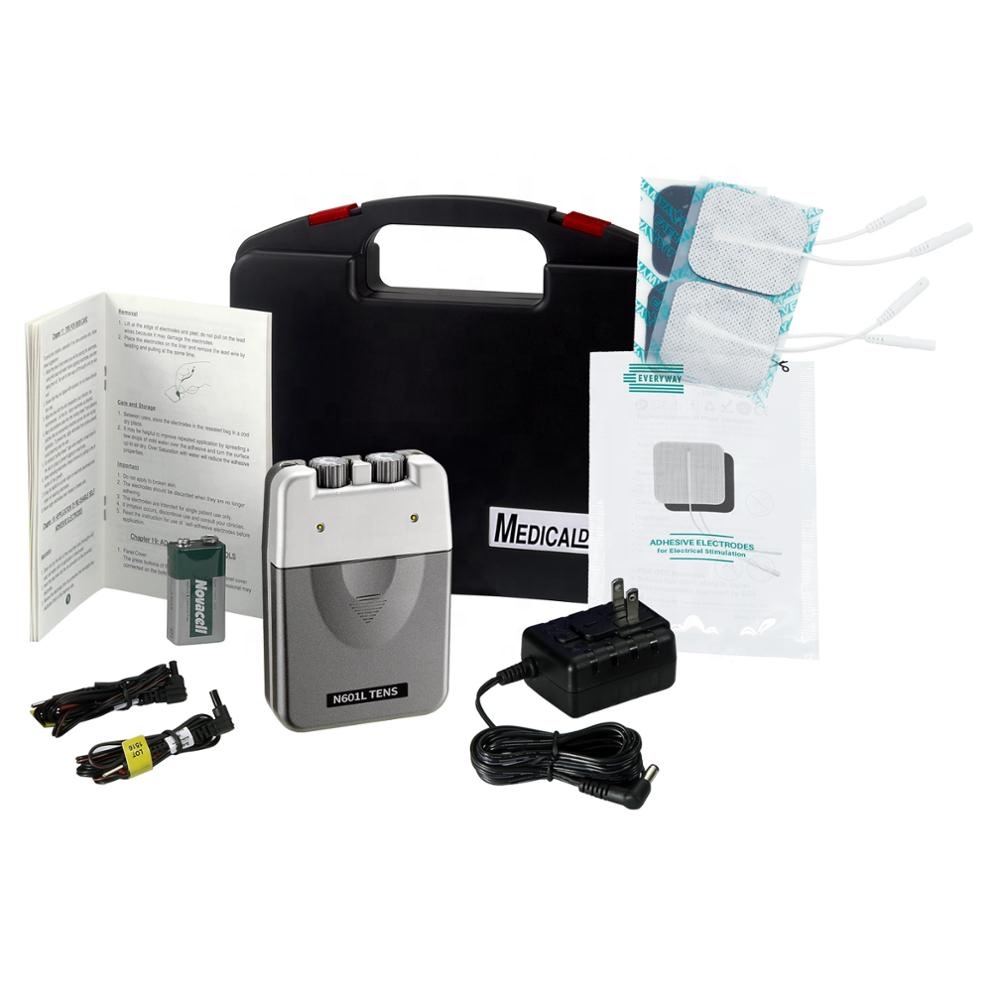
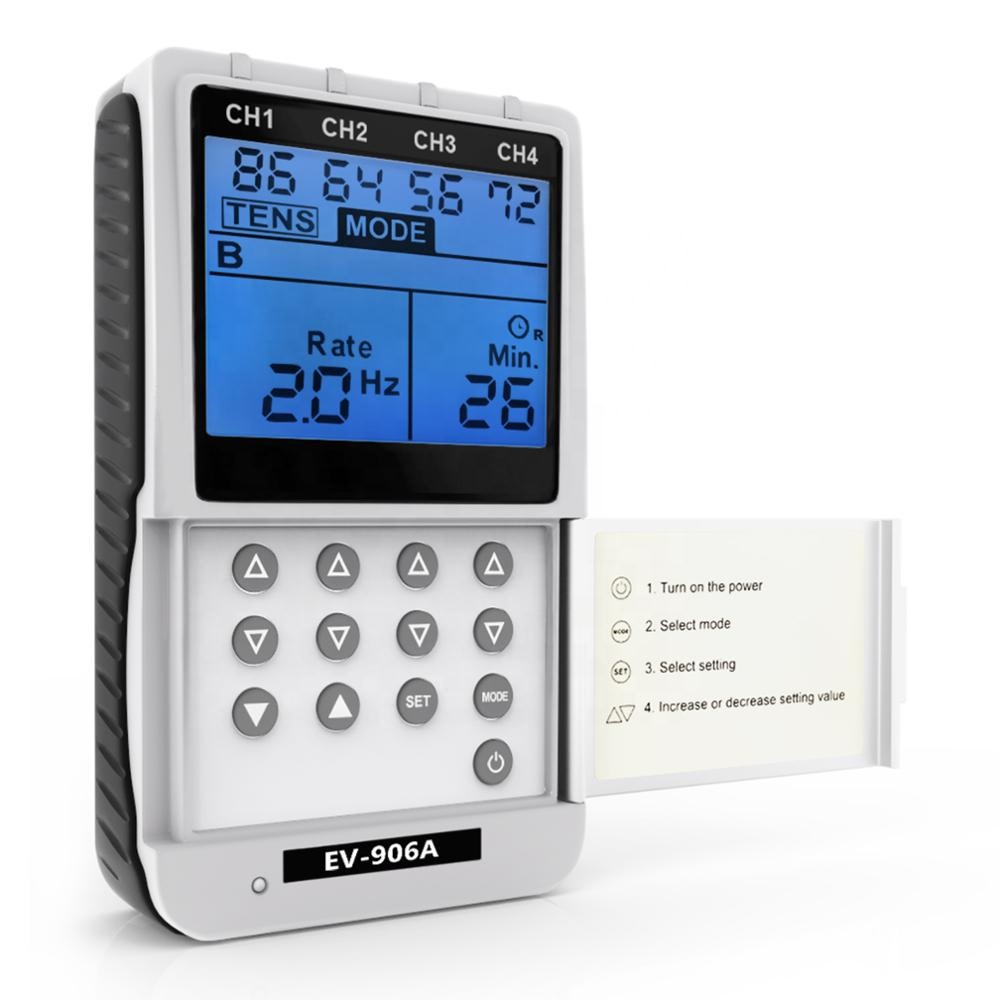
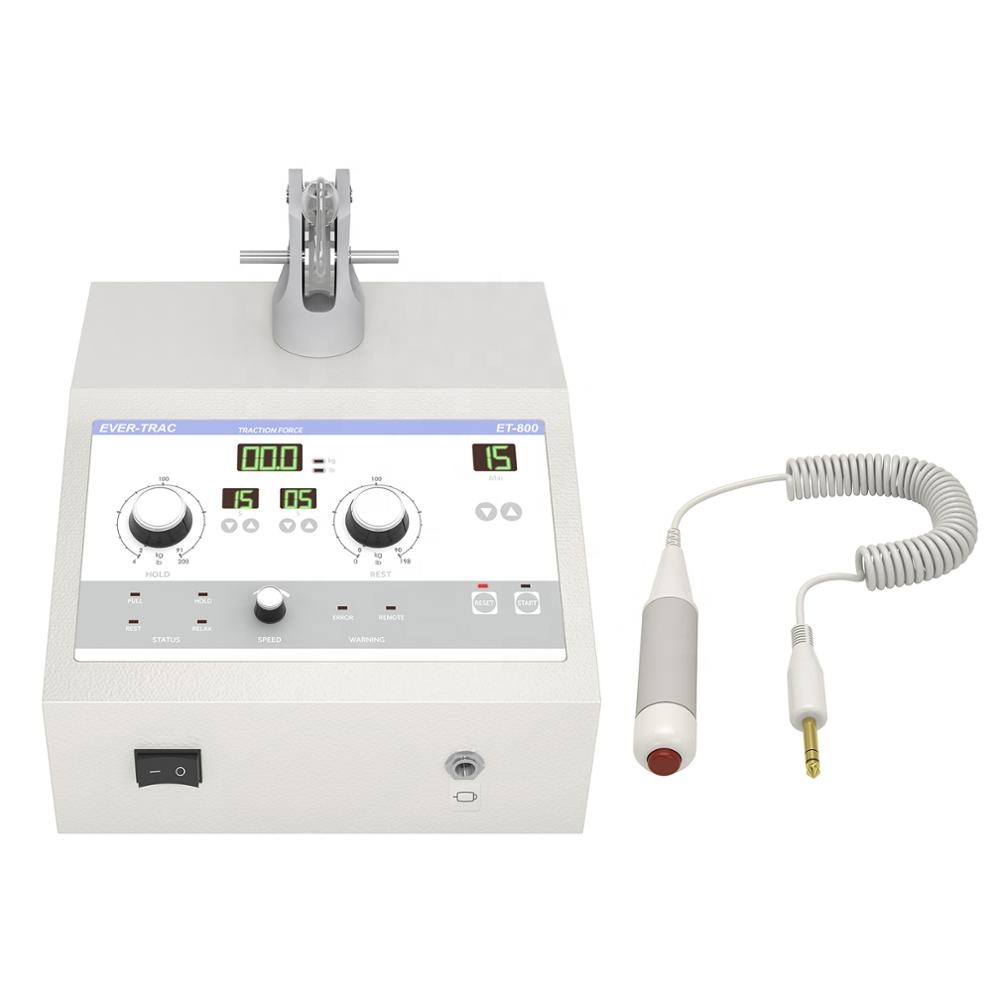
Featured Medical-Grade TENS, EMS & Rehabilitation Devices

Explore industry-leading electrotherapy units, intracavity stimulation probes, and mechanical traction equipment engineered for export markets.

Enterprise Credentials & Manufacturing Excellence

USHC Medical: 35+ Years of Pioneer Manufacturing (Since 1989)

How rigorous quality controls, advanced SMT manufacturing lines, and SGS third-party audits ensure zero-defect electrotherapy supply chains.

When evaluating electrotherapy factories across Greater China and Taiwan, strategic buyers look beyond superficial production numbers to assess deep operational heritage. USHC Medical Instruments Co., Ltd. stands as a benchmark enterprise in this domain. Established in 1989 in Taiwan, USHC Medical has dedicated over three and a half decades to the design, engineering, and automated production of medical-grade TENS units, EMS muscle stimulators, self-adhesive hydrogel electrode pads, specialized vaginal and rectal probes, conductive garments, and motorized traction tables.

35+
Years of Manufacturing Experience
70+
Global Export Markets Covered
60,000+
Daily Hydrogel Electrode Capacity
100%
ISO 13485 & SGS Audited Compliance

A primary point of differentiation for premier exporters is total control over critical component production. Unlike secondary assembly operations that outsource hydrogel coating or lead wire assembly to unverified sub-tier vendors, top-tier factories maintain fully integrated cleanroom environments. For instance, USHC Medical's high-capacity electrode production lines process over 60,000 high-conductivity hydrogel electrode pieces daily, ensuring consistent impedance matching, low dermal irritation, and multi-use adhesion durability.

ISO 13485 & CE Certification

Fully certified Quality Management System (QMS) aligned with international medical standards. Complete CE technical files and EU MDR compliance documentation available for smooth import clearances.

FDA-Listed & 510(k) Ready

Devices, probes, and accessories maintain active registration with the US Food and Drug Administration (FDA), fulfilling device listing and 510(k) cleared specification requirements.

Exporting to 70+ Countries

Extensive global logistics experience catering to healthcare brand owners, hospital purchasing consortia, and medical supply chains across North America, Europe, Australia, and Asia.

Technical Evaluation Matrix

Engineering Parameters: TENS vs. EMS vs. Diagnostic Accessories

Understanding electrical waveform dynamics, output channels, microcurrent limits, and biocompatibility protocols for B2B procurement specifications.

To properly specify electrotherapy equipment during OEM/ODM negotiations, B2B procurement managers must understand the core electrical engineering characteristics that separate low-cost consumer gadgets from clinical-grade medical instruments. Below is a detailed technical comparative matrix reflecting export standards:

Specification Parameter Analog TENS Devices Digital Combo TENS/EMS Pelvic Floor EMS & Probes Clinical Traction Systems
Primary Modality Sensory Nerve Stimulation Nerve & Motor Muscle Stimulation Intracavity Neuromuscular EMS Spinal Decompression & Realignment
Pulse Rate (Frequency) 2 Hz – 150 Hz Adjustable 1 Hz – 150 Hz (Programmable) 1 Hz – 100 Hz (Specialized) N/A (Mechanical Traction Force)
Pulse Width (Duration) 50 µs – 300 µs 50 µs – 400 µs 150 µs – 450 µs N/A (Static & Intermittent Hold)
Output Amplitude 0 – 80 mA (Peak at 500 Ω load) 0 – 100 mA Constant Current 0 – 99 mA Soft Ramp Control 0 – 90 kg (Force setting)
Waveform Geometry Asymmetrical Bi-Phasic Square Symmetrical Bi-Phasic Square Balanced Bi-Phasic Rectangular Sinusoidal / Progressive Hold
Compliance Standard FDA Listed CE MDR / 510(k) ISO 10993 Biocompatible IEC 60601-1 Medical Electrical

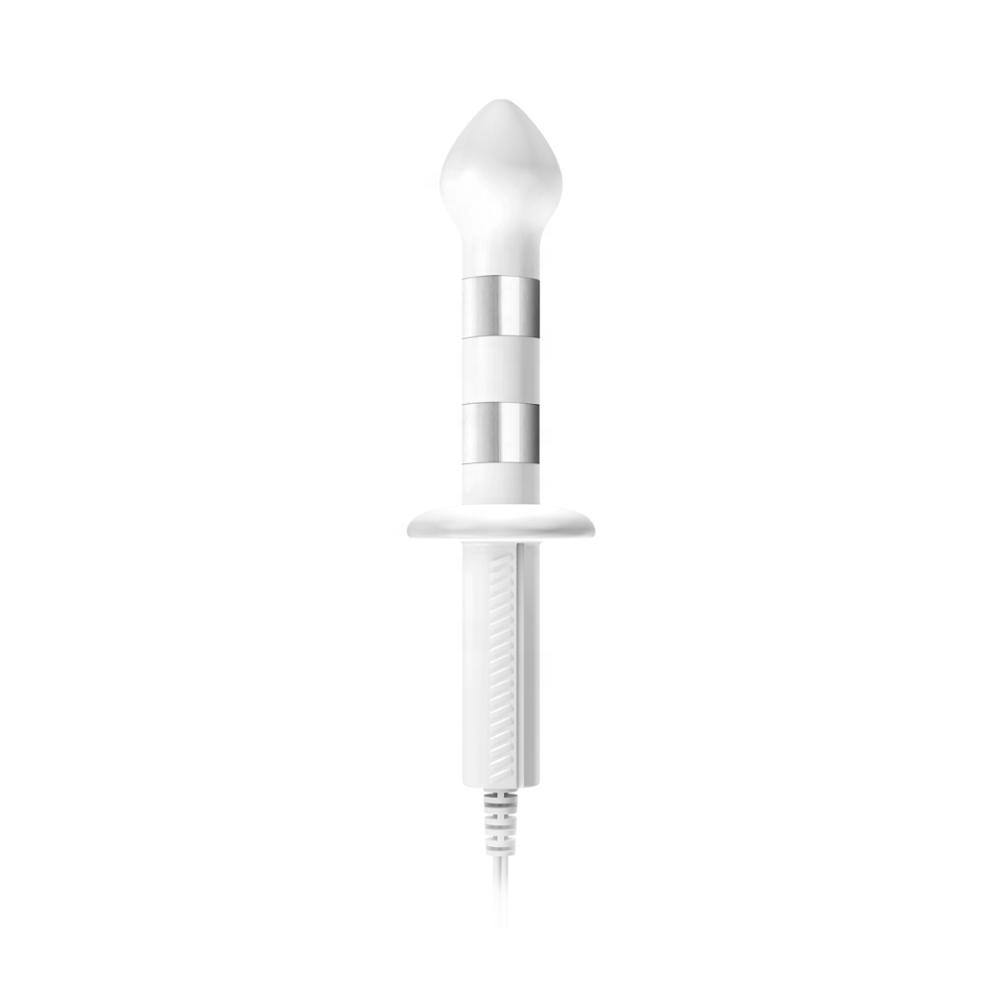
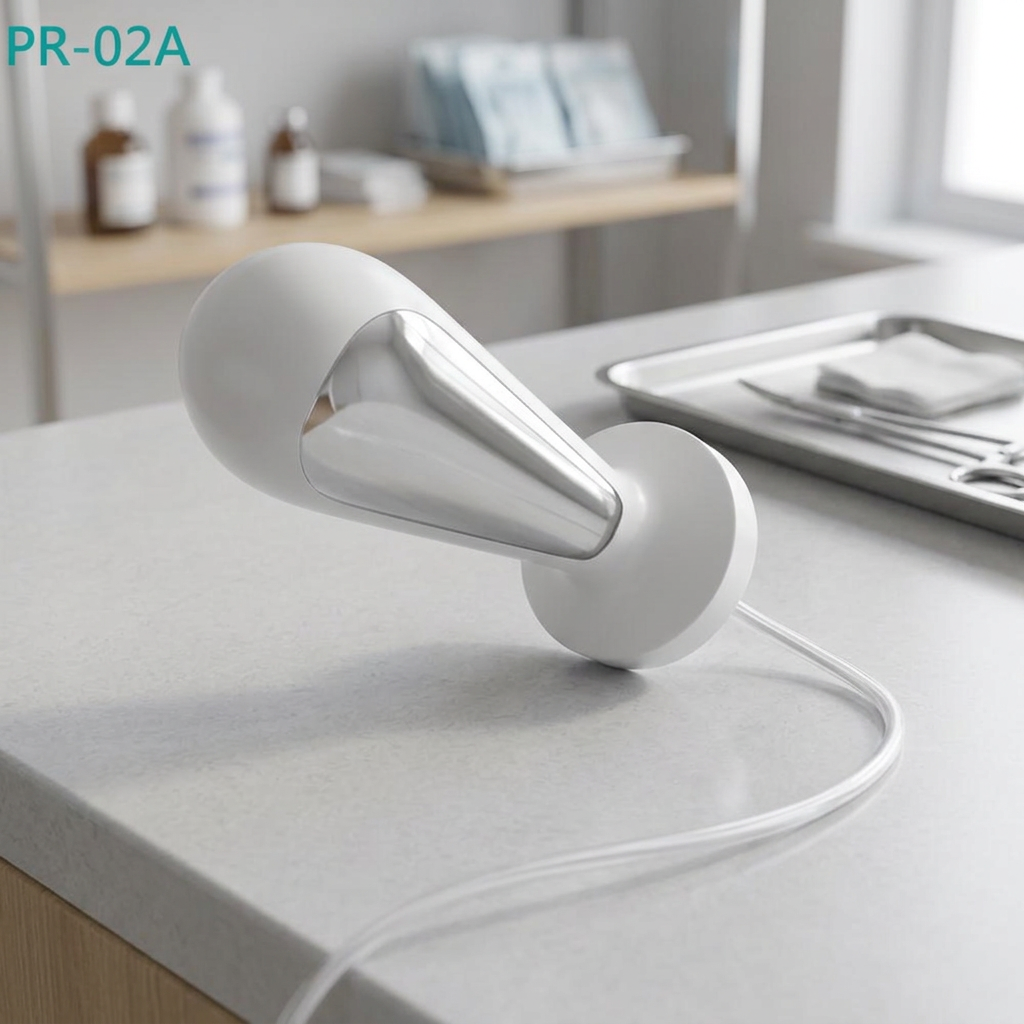
In addition to waveform dynamics, the physical ergonomics of accessories play a crucial role in end-user safety and treatment efficacy. Probes such as the PR-13A Rectal Probe and Medical Grade Pelvic Floor Stimulation Probe utilize surgical-grade medical ABS bodies integrated with high-purity metallic electrode rings. These accessories undergo rigorous ISO 10993 biocompatibility testing (covering cytotoxicity, sensitization, and intracutaneous reactivity) to ensure compliance with global regulatory standards.

Market Intelligence & Strategic Outlook

Future Procurement Trends in Electrotherapy (2025–2030)

Anticipating technological convergence, smart biofeedback integration, and evolving global regulatory dynamics in electrotherapeutic device manufacturing.

1. Smart Biofeedback & App Connectivity

Next-generation TENS/EMS platforms are transitioning from standalone handheld units to BLE (Bluetooth Low Energy) enabled smart systems. OEM brands are prioritizing factories capable of integrating wireless micro-controllers that sync real-time EMG biofeedback data to mobile software, allowing physical therapists to monitor patient compliance and muscle recovery progress remotely.

2. Advanced Conductive Textile Integration

Traditional adhesive hydrogel pads are increasingly complemented by wearable conductive garments (gloves, socks, knee sleeves, and targeted wraps). Silver-fiber woven textiles provide uniform current distribution over irregular joint contours, eliminating hot spots and improving patient comfort during arthritis and peripheral neuropathy therapy.

3. Heightened Environmental & Hydrogel Science

With stricter European REACH and RoHS environmental directives, electrotherapy manufacturers are innovating non-cytotoxic, hypoallergenic, solvent-free hydrogels with superior moisture retention. High-durability hydrogel formulas extend pad life cycles to over 30+ application cycles, reducing consumable waste and boosting brand reputation.

4. Stringent Global Regulatory Compliance

The full implementation of the European Union Medical Device Regulation (EU MDR 2017/745) and enhanced US FDA cybersecurity guidelines for software-controlled medical devices require B2B buyers to partner exclusively with factories possessing comprehensive technical documentation, clinical evaluation reports (CER), and post-market surveillance (PMS) protocols.

Frequently Asked Questions

B2B Buyer & Importer Procurement FAQ

Direct answers to crucial operational, technical, and compliance questions asked by global distributors and brand managers.

What is the difference between sourcing from a trading vendor vs. a verified custom manufacturer like USHC Medical?

Sourcing directly from a verified custom manufacturer with dedicated Taiwan/China factory operations ensures full control over raw material procurement, engineering modifications, and Quality Management Systems (QMS). Verified manufacturers undergo third-party on-site inspections (such as SGS audits) and hold primary ISO 13485 certifications. This eliminates middleman markups, guarantees direct technical support during custom tooling/firmware development, and provides complete traceability required for medical regulatory audits.

What custom OEM/ODM services are available for TENS and EMS product lines?

Full OEM/ODM customization scopes typically encompass: (1) Outer housing industrial design and tooling injection; (2) Custom PCB circuit engineering, MCU programming, and LCD user interface design; (3) Private labeling, custom branding color schemes, instruction manuals, and retail packaging; (4) Specialized electrode accessory matching (snap vs. pin connectors, hydrogel formulation, custom pad die-cutting); and (5) Regulatory documentation preparation tailored to your country's health ministry standards.
Which international quality and medical certifications are mandatory for importing electrotherapy devices into the USA and EU?

For entry into the United States market, TENS and EMS devices must maintain active FDA 510(k) clearance or device listings under Class II medical device regulations, alongside FDA Establishment Registration. For the European Union, products must bear the CE mark compliant with the Medical Device Regulation (MDR 2017/745), backed by an ISO 13485 Quality System certificate issued by an accredited Notified Body. Electrical safety testing (IEC 60601-1) and Electromagnetic Compatibility (IEC 60601-1-2) are mandatory baseline requirements for both regions.

How do constant current outputs compare with constant voltage outputs in professional TENS/EMS units?

Medical-grade professional TENS and EMS devices utilize constant current output design. Because skin impedance varies constantly based on perspiration, skin preparation, and electrode degradation, constant voltage devices can cause uncomfortable electrical spikes or ineffective stimulation intensity. A constant current circuit dynamically adjusts output voltage in real-time to maintain exact milliampere (mA) delivery, ensuring maximum therapeutic comfort and safety.

What lead times and minimum order quantities (MOQs) should buyers anticipate for private label programs?

Standard lead times for high-volume electrotherapy consumables (such as self-adhesive electrode pads) typically range from 2 to 4 weeks, with daily production capabilities reaching 60,000+ pieces. For finished electronic TENS/EMS units, initial OEM production runs generally require 4 to 6 weeks to accommodate custom housing printing, packaging production, and 100% burn-in testing. MOQs vary depending on the level of customization—standard model private labeling begins at modest quantities, while custom plastic injection tooling requires larger volume commitments.

How can buyers request sample units, technical documentation, or custom manufacturing quotes?

Procurement directors and medical brand managers can initiate project inquiries by communicating target market specifications, desired functional modes, estimated annual volumes, and regulatory requirements directly to the engineering export team via our unified online inquiry portal.

Accelerate Your Electrotherapy Product Line Today

Partner with a proven 35-year medical device manufacturer. Contact our OEM/ODM engineering team for custom quotes, technical documentation, and product samples.

Contact Us