High-precision electrotherapy units, pelvic floor stimulators, and orthopedic traction equipment manufactured under strict ISO 13485, CE, and FDA compliance standards.
Executive Procurement Analysis: Sourcing Pain Relief Devices from China & Taiwan
The global non-invasive pain management market is undergoing an unprecedented structural transition. Driven by strict regulatory controls on pharmaceutical analgesics, rising clinical preference for drug-free physical therapy, and an aging worldwide demographic, demand for Transcutaneous Electrical Nerve Stimulation (TENS), Electrical Muscle Stimulation (EMS), and specialized rehabilitation traction equipment has reached all-time highs. For international B2B buyers, medical device distributors, and healthcare brands, navigating the manufacturing landscape in China and Taiwan requires a granular understanding of technical specifications, regulatory compliance, and supplier engineering capabilities.
When selecting top China pain relief device suppliers, professional procurement managers look beyond basic price-per-unit metrics. Long-term commercial viability depends on critical quality factors: micro-current wave shape precision, biocompatibility of body-contact probes, high-durability hydrogel electrode formulation, and factory compliance with international standards such as ISO 13485 Medical Device Quality Management Systems, FDA 510(k) clearances, and EU CE Medical Device Regulation (MDR) Class IIa certification. USHC Medical Instruments Co., Ltd. stands at the forefront of this industry, providing high-reliability, custom-engineered electrotherapy and rehabilitation hardware supported by over 35 years of clinical manufacturing experience.
Enterprise Advantages: Why Global Healthcare Brands Partner with USHC Medical
Established in 1989 in Taiwan with integrated production networks and verified SGS on-site audit credentials, USHC Medical Instruments Co., Ltd. has served as a premier OEM/ODM manufacturer for major medical brands in North America, Europe, Australia, and the Middle East. Our manufacturing engineering framework is optimized to eliminate supply chain friction and deliver complete regulatory audit compliance.
Full Vertical Integration & High Capacity
Our integrated facility houses plastic injection molding, automated surface-mount technology (SMT) PCBA assembly, and specialized hydrogel electrode coating lines capable of outputting over 60,000 electrode pad pieces daily.
Strict Quality Management (ISO 13485)
Every single batch undergoes 100% functional circuit inspection, output wave stability testing, and biocompatibility verification to guarantee safety and compliance with international health agencies.
Comprehensive OEM/ODM Engineering
We offer end-to-end custom engineering, including private-label housing designs, custom firmware pulse parameter settings, customized graphic user interfaces, and specialized electrode accessories tailored to target market requirements.
Proven Export Expertise in 70+ Countries
With decades of experience supplying healthcare chains and clinical distributors worldwide, our logistics and regulatory documentation support ensures smooth customs clearance and fast market authorization.
Technology & Industry Development Trends in Electrotherapy Devices
The pain relief and rehabilitation device sector is undergoing rapid technological innovation. B2B importers must align their sourcing strategies with upcoming industry shifts to stay ahead of retail and clinical market demands over the next 3 to 5 years.
1. Convergence of Multi-Modality Therapy
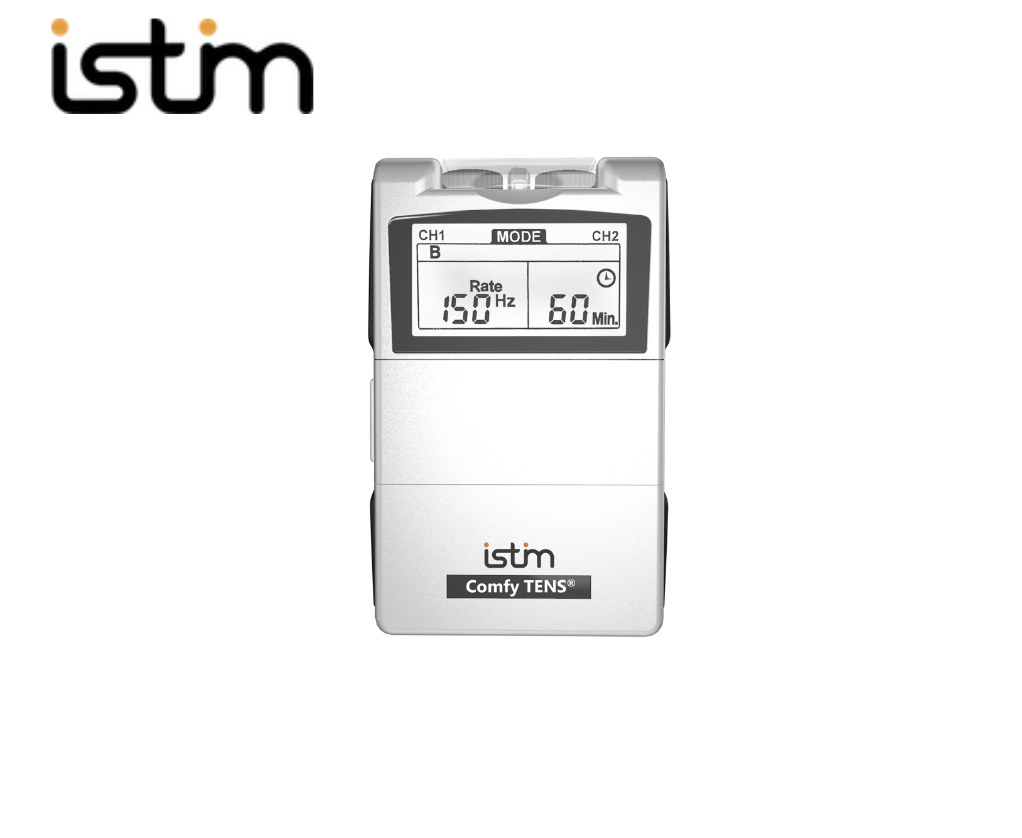
Modern clinical hardware is moving away from single-function devices toward unified systems combining TENS (Nerve Stimulation), EMS (Muscle Conditioning), and Microcurrent (MENS). Multi-channel devices (such as 2-channel and 4-channel units) with programmable phase width adjustments allow targeted treatment for distinct clinical indications within a single compact unit.
2. Biocompatible Materials & Advanced Probes
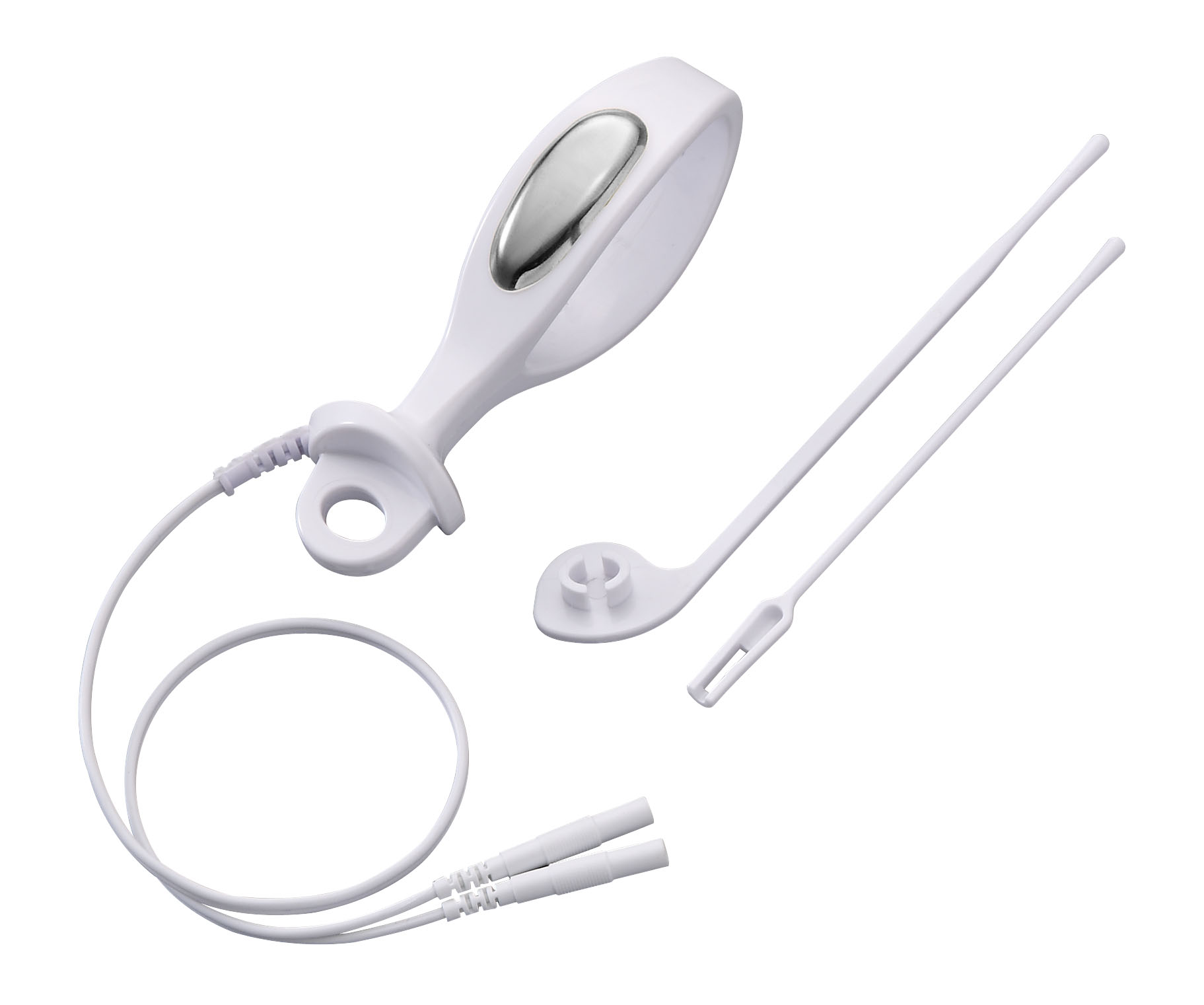
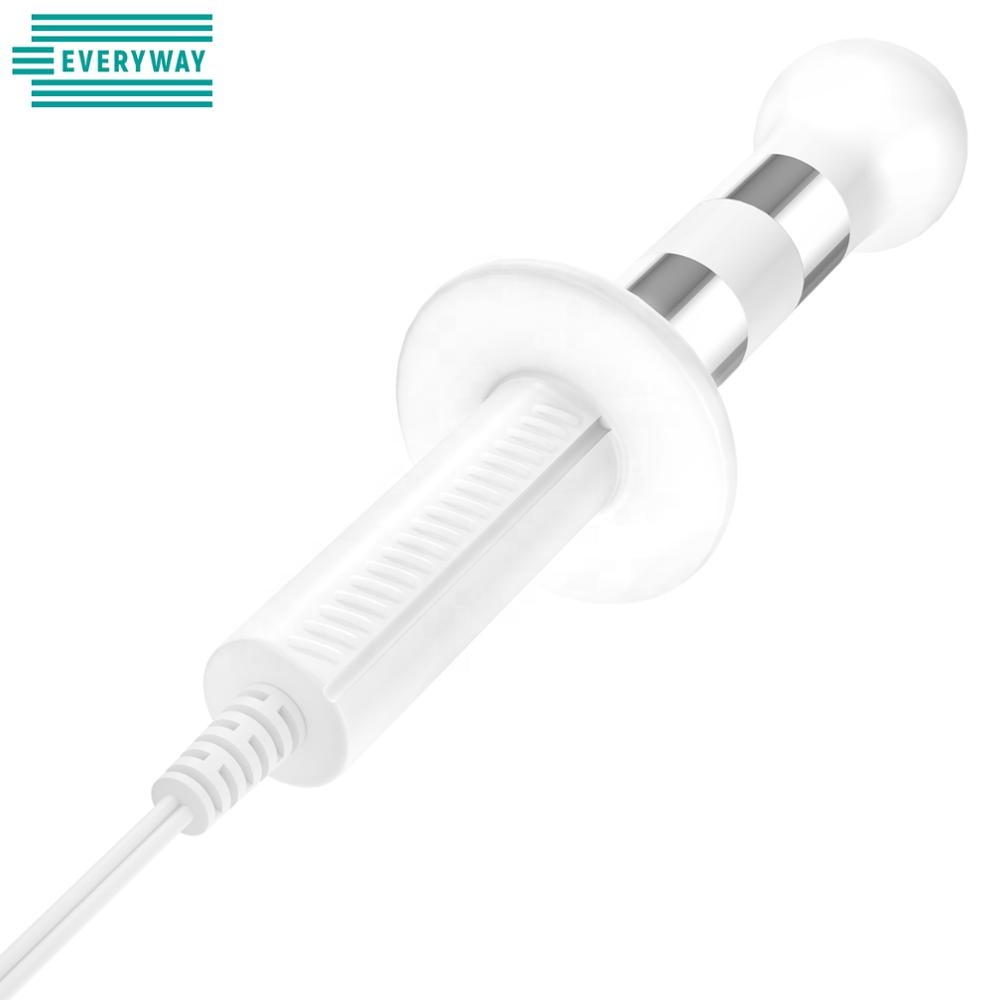
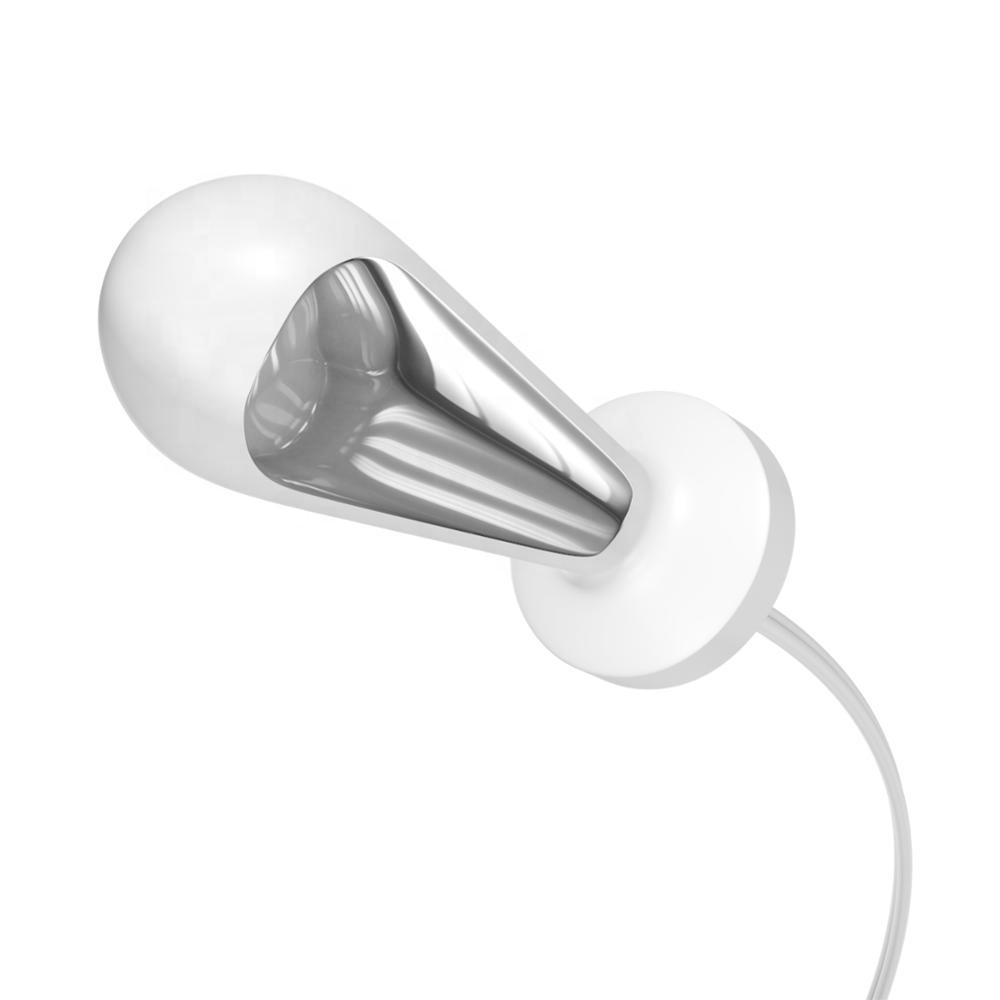
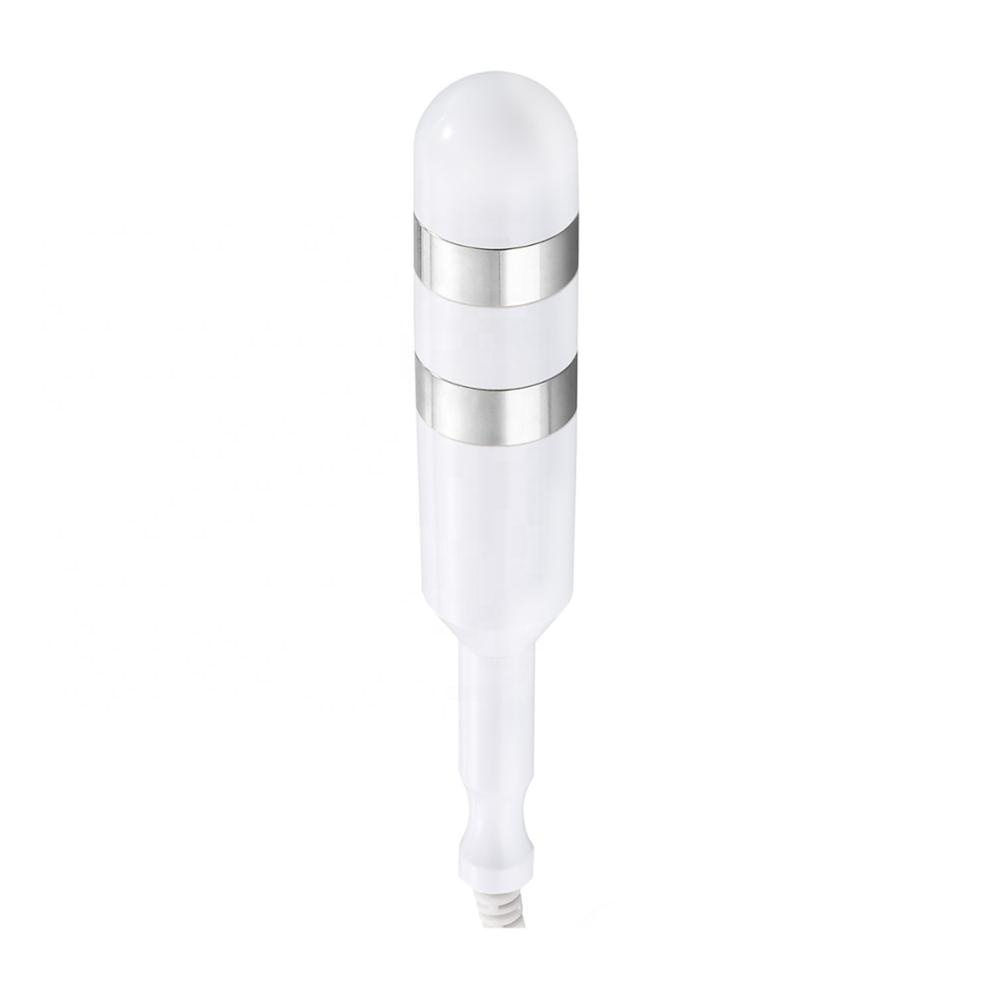
Pelvic floor muscle training and incontinence rehabilitation require specialized intracavity probes. Future manufacturing emphasizes medical-grade stainless steel paired with hypoallergenic, non-toxic ABS structures (as featured in our PR-08A-1, PR-02A, and PR-13A series). These probes ensure maximum electrical conductivity while strictly complying with ISO 10993 cytotoxicity and skin irritation standards.
3. Smart Digital Controls & Ergonomic Interface
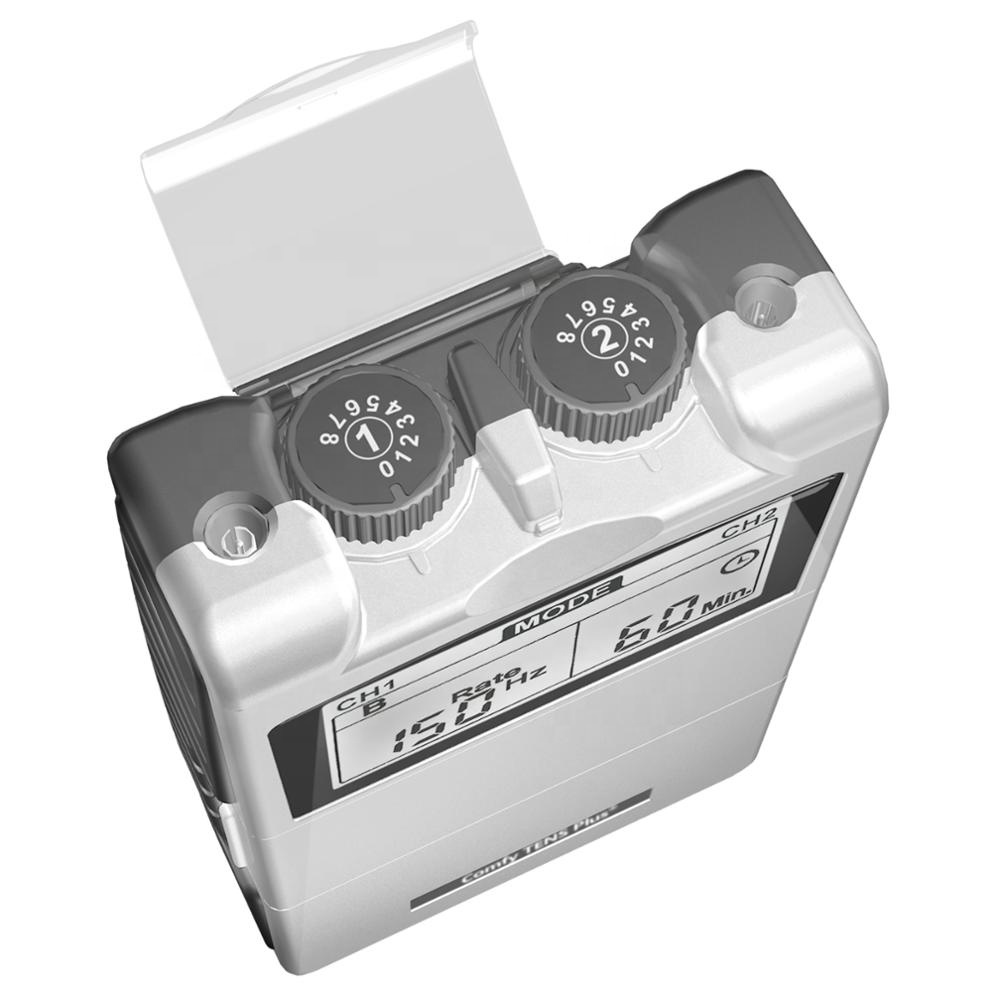
While classic analog dial TENS units (like the Everyway EV-804) maintain strong demand among elderly users for tactile simplicity, the market is expanding rapidly toward digital backlit interfaces, rechargeable lithium-ion power management, dynamic timer controls, and built-in therapy lock memory for improved compliance tracking.
Strategic Procurement Guide: Mitigating Risks & Maximizing ROI
For international buyers sourcing electrotherapy hardware and traction systems from Asia, successful procurement requires comprehensive evaluation beyond basic unit pricing. Implementing a structured risk-mitigation framework ensures product consistency, legal compliance, and long-term end-user satisfaction.
Key Technical Checkpoints for Device Evaluation:
Waveform Stability & Current Driver Quality: Inferior TENS devices often experience output current spikes during load resistance changes (e.g., when electrode gel contact degrades). Medical-grade devices feature constant-current output circuits that maintain precise micro-ampere pulse delivery, preventing painful electrical shocks to the patient.
Electrode Pad Hydrogel Longevity: Self-adhesive electrode pads represent high-frequency repeat order revenue. High-performance pads utilize multi-layer conductive carbon film laminated with biocompatible hydrogels that deliver uniform current density and maintain strong adhesion across 25–30 application cycles without leaving residual gel on skin.
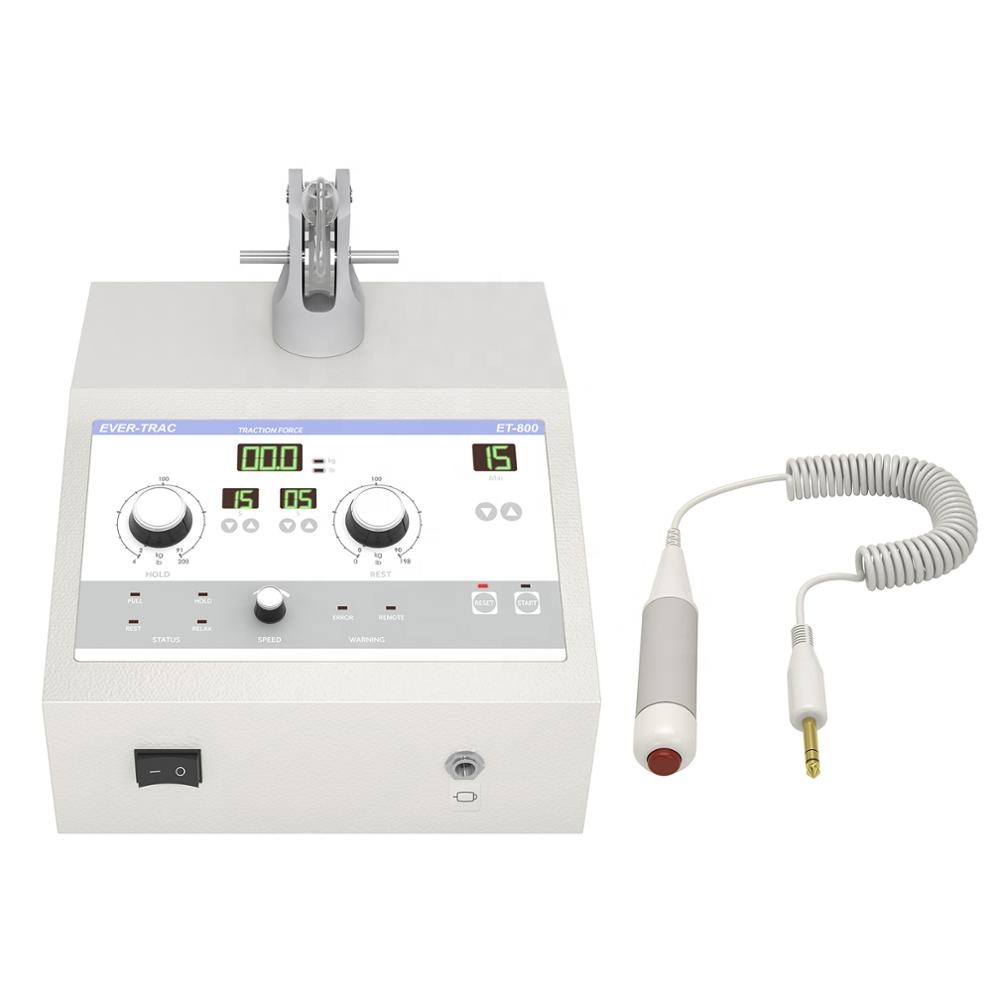
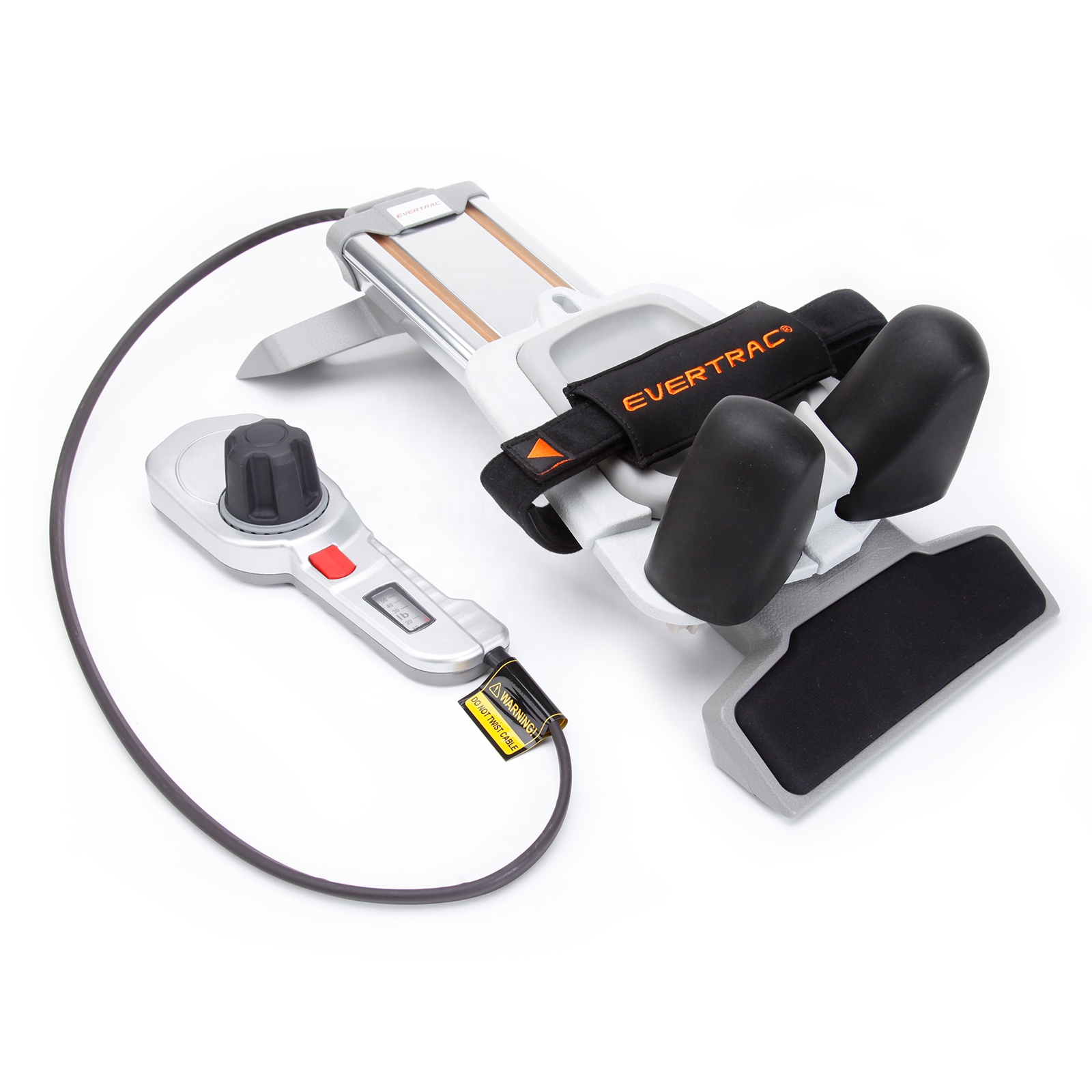
Cervical & Lumbar Traction Engineering: Mechanical and electro-driven traction equipment (such as the CT-800 and ET-800 series) demand heavy-duty mechanical frame stability, smooth linear motor extension, and accurate force delivery (measured in precise kg/lbs load increments) to provide safe spinal decompression in clinical physiotherapy settings.
Frequently Asked Questions (FAQ) for B2B Sourcing & OEM Collaboration
Ready to expand your medical product line with high-reliability TENS units, pelvic floor stimulators, and traction devices? Contact our B2B engineering team today for technical catalogs, compliance documentation, and OEM quotes.
Get a Quote