Featured Medical Electrotherapy & Traction Portfolio
Direct-from-factory medical equipment certified for clinical, rehabilitation, and home-care markets worldwide.
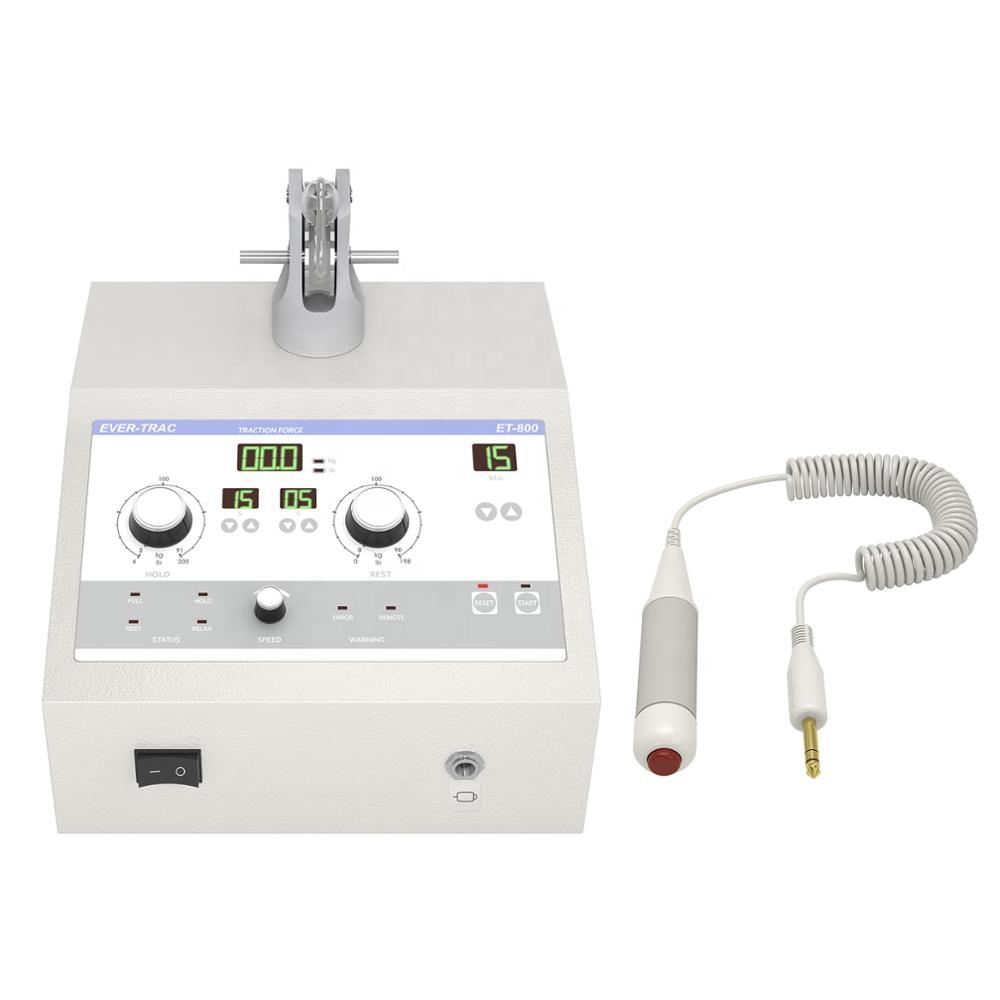
ET-800 Therapy Machines for Traction and Correction Units
View Product Details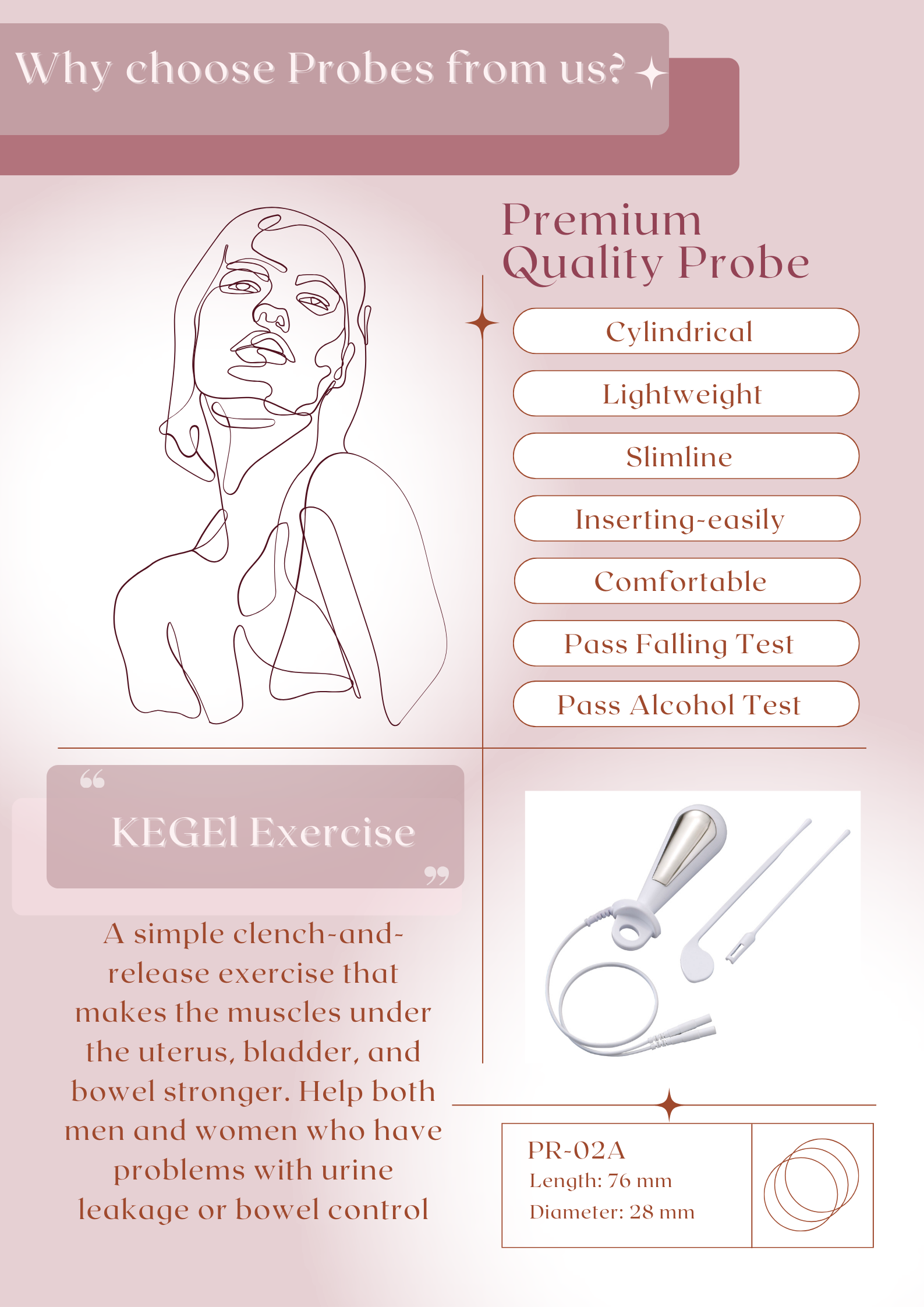
Reusable Self Adhesive Pelvic Floor Stimulator EMS Technology Adjustable 0-80mA
View Product Details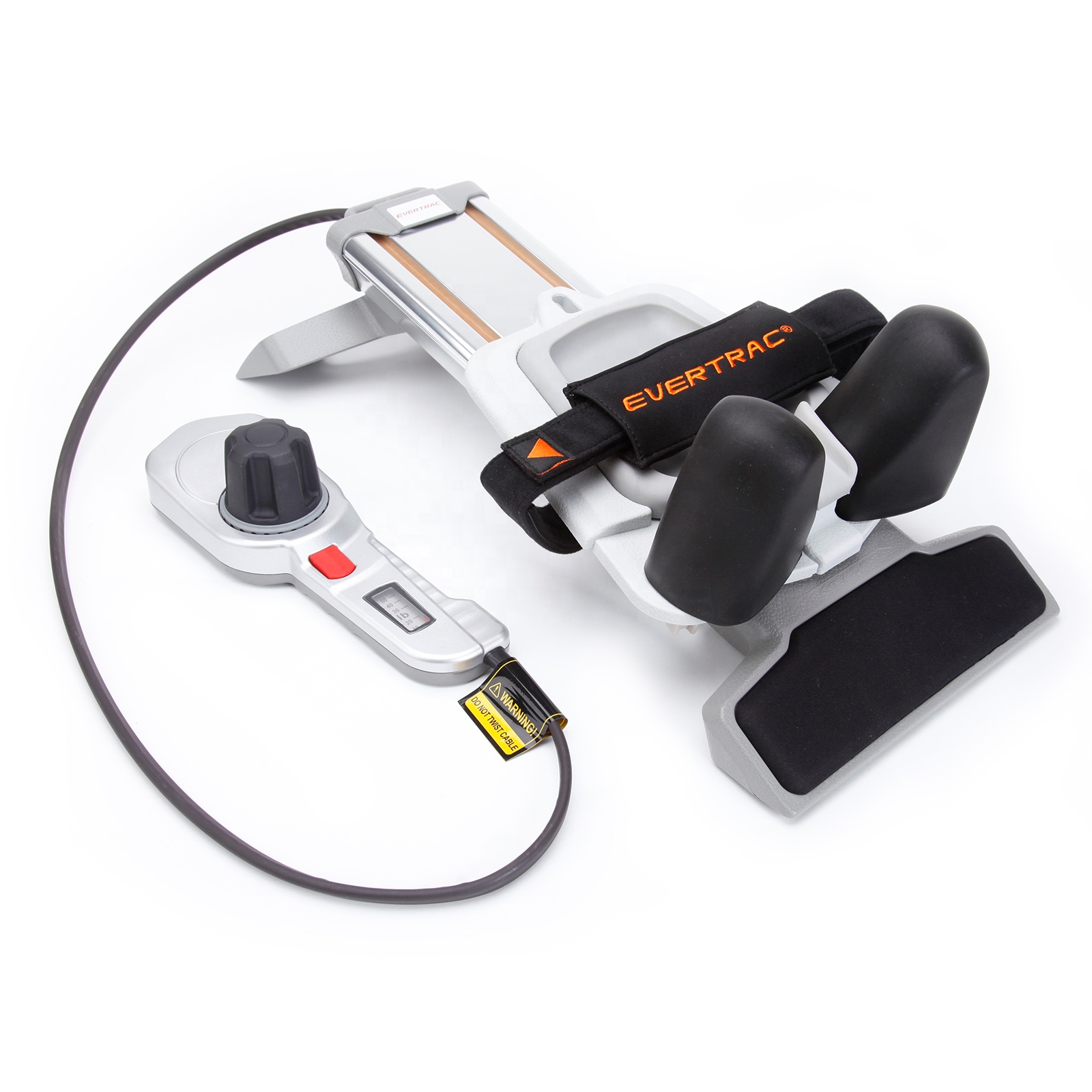
CT-800 Cervical Traction Unit Effective Neck Stretcher Devices
View Product Details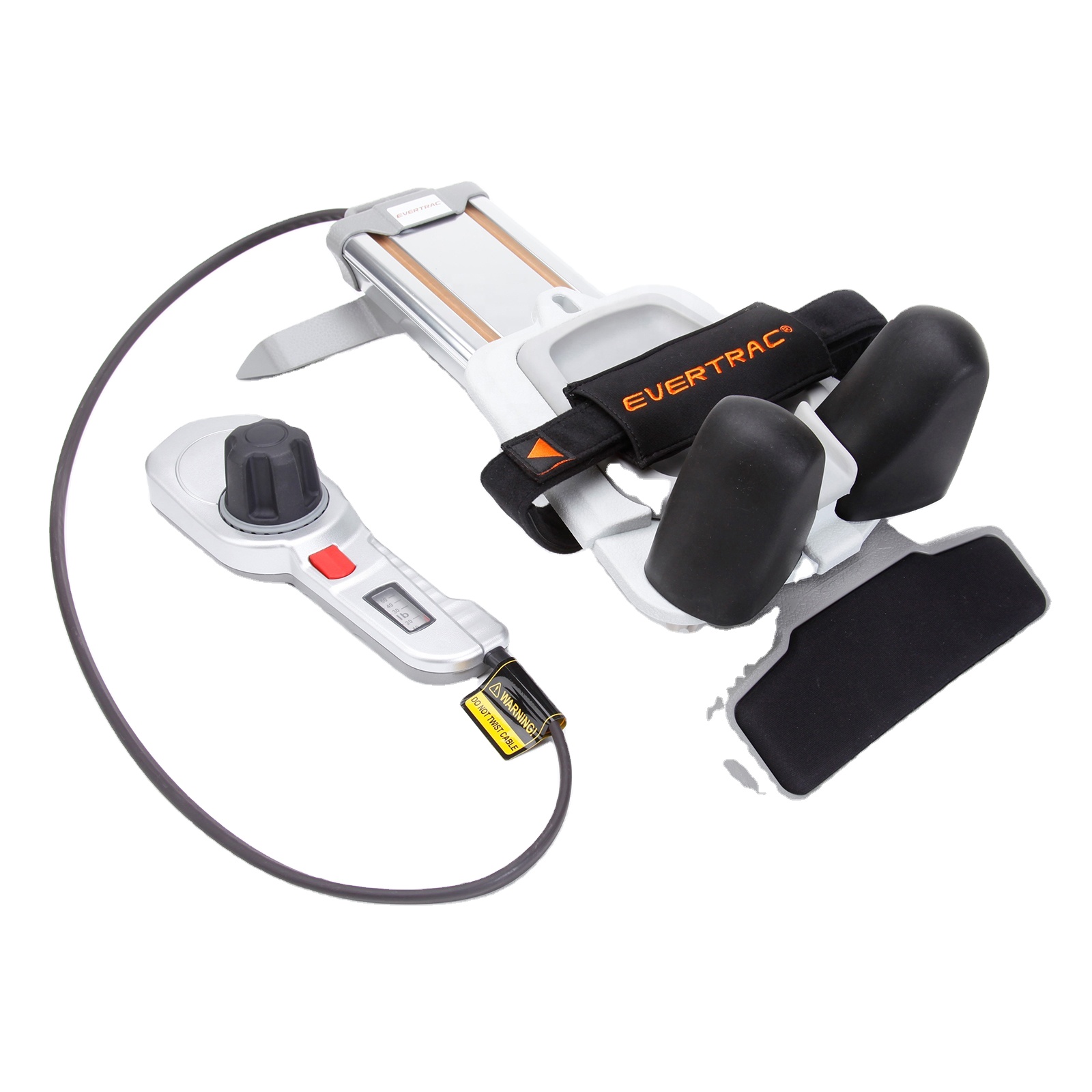
Taiwan CT-800 Portable Cervical Traction Unit Neck Pain Relief Device
View Product Details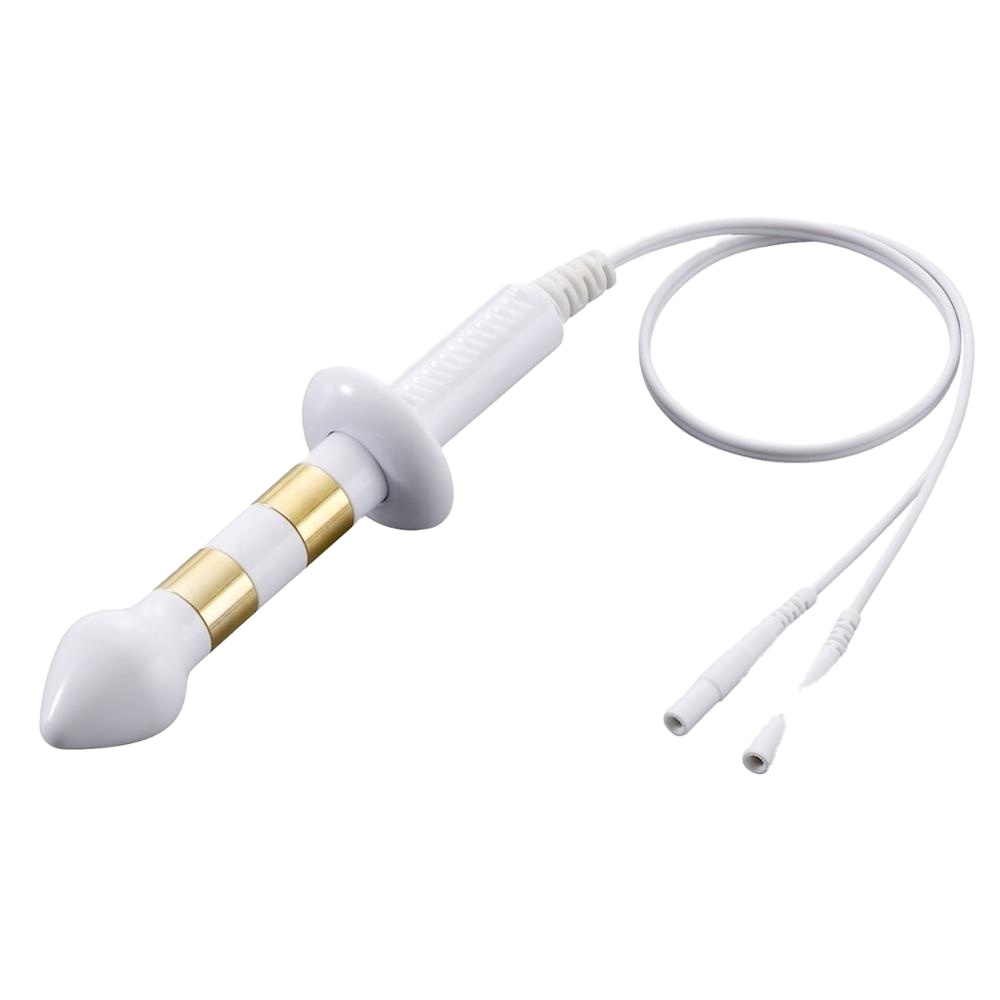
PR-13A+ Kegel Exercise Rectal Probe Class II Steel ABS Physical Therapy
View Product Details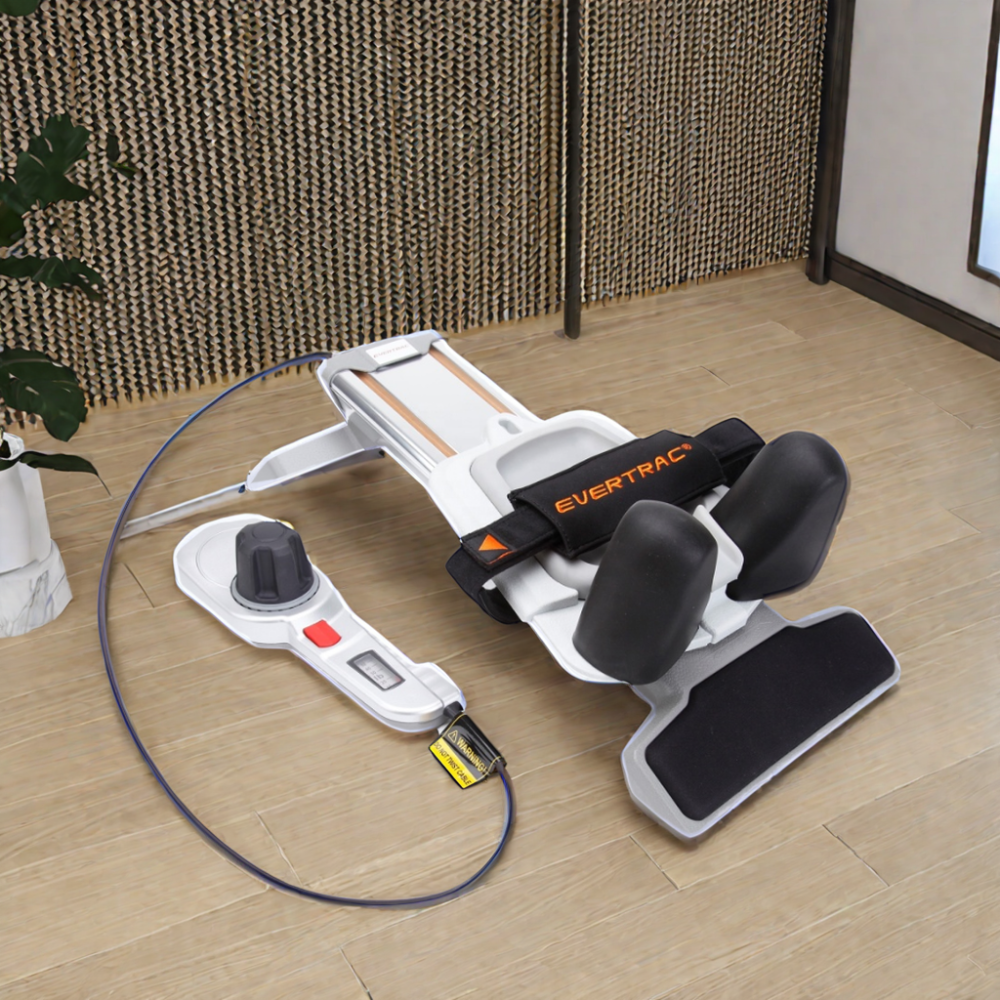
CT-800 Effective Cervical Traction Unit 1-Year Warranty Device
View Product Details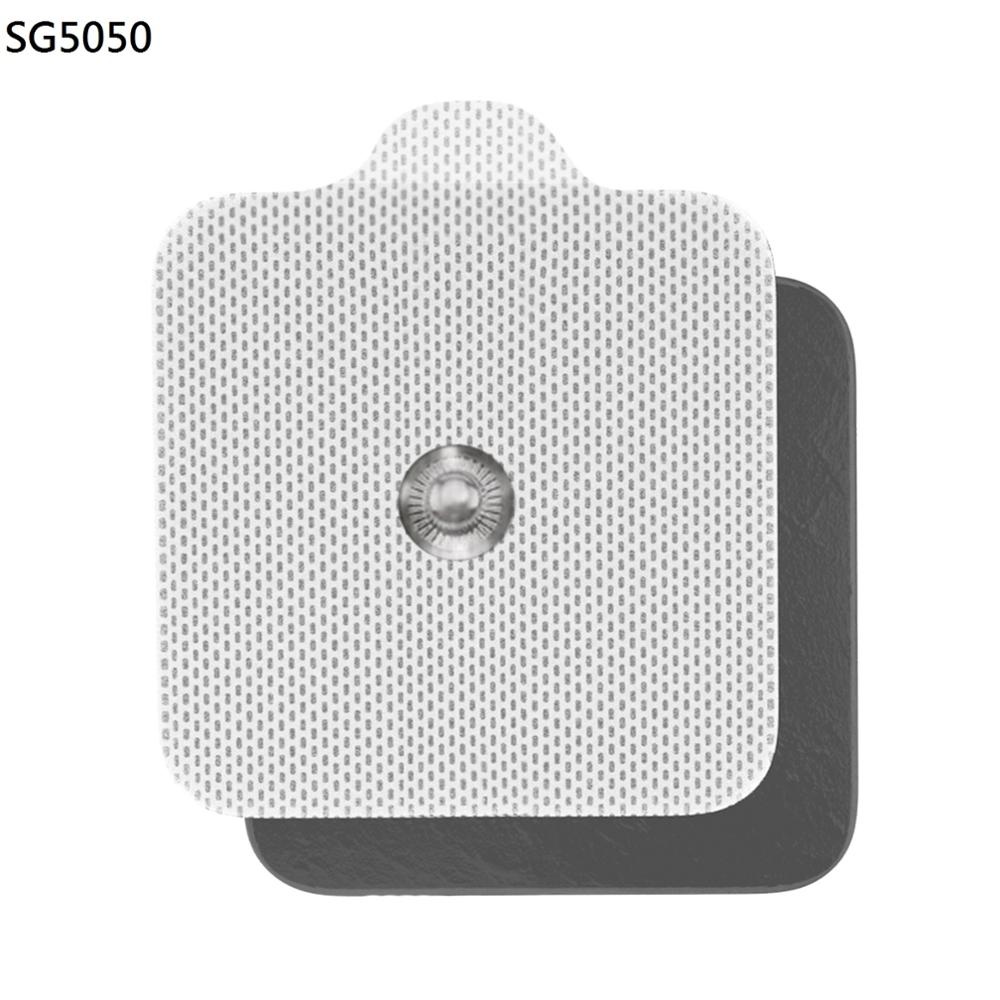
Universal 3.5mm Snap TENS Unit Replacement Pads Muscle Stimulator Hydrogel
View Product Details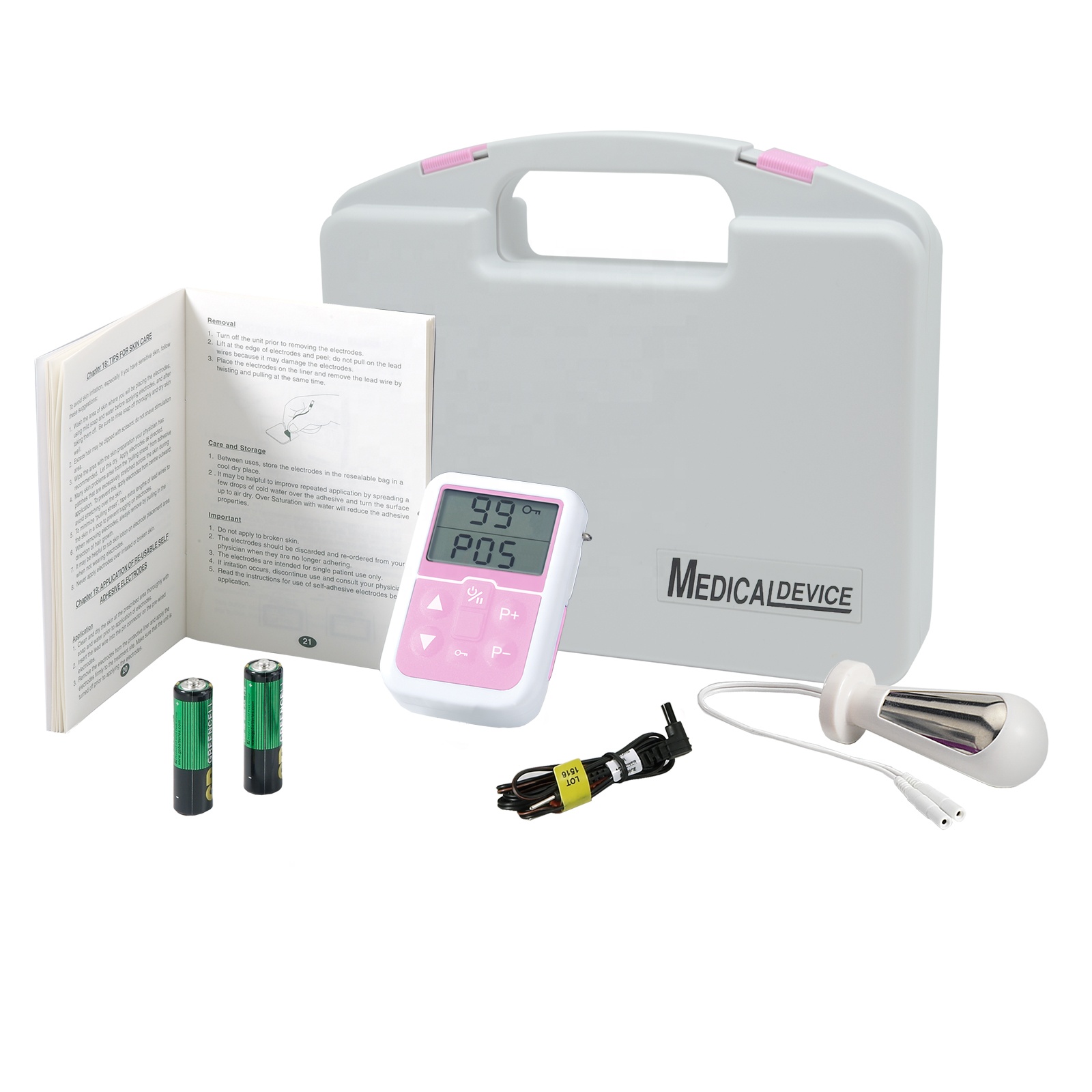
EVERYWAY EM-2400 Kegel Exerciser Incontinence Stimulator with Probe
View Product DetailsStrategic B2B Procurement Intelligence: China & Taiwan Electrotherapy Supply Ecosystem
An authoritative analysis on sourcing TENS, EMS, pelvic floor stimulators, and clinical traction systems for medical device distributors, brand owners, and hospital purchasing groups.
Regulatory Compliance Framework
Navigating global regulatory landscapes requires manufacturers with audited Quality Management Systems (QMS). Tier-1 facilities operate under ISO 13485:2016 certification, ensuring complete traceability from raw PCB SMT assembly to final bio-compatibility testing. Importers to North America and Europe must demand valid FDA 510(k) clearances, FDA Establishment Registrations, and CE Marking under EU MDR (2017/745) protocols to prevent customs detention and liability exposure.
OEM/ODM Customization Depth
Leading electrotherapy device manufacturers provide comprehensive engineering services beyond standard private labeling. Full-stack ODM capabilities include custom waveform digital signal processing (DSP) development, micro-controller programming (adjustable pulse width 50–400µs and frequencies 1–150Hz), ergonomic plastic injection molding, liquid crystal display (LCD) UI design, and medical-grade silicone/stainless steel probe engineering.
Supply Chain Resiliency & Volume
High-volume procurement requires automated manufacturing lines capable of maintaining low defect rates (PPM < 50). Vertical integration—combining PCB assembly, hydrogel compounding, electrode cutting, and cable extrusion within cleanroom environments—eliminates vendor bottlenecking, stabilizes unit economics, and ensures guaranteed lead times for high-volume reorders.
Expert Industry Insight (Information Gain): Unlike standard consumer electronics, medical-grade TENS and EMS stimulators require strict current regulation circuitry. Premium Chinese and Taiwanese manufacturers incorporate Constant Current Output technology (up to 80mA–100mA across a 500-ohm load) to ensure safe, repeatable stimulation during impedance shifts caused by skin moisture fluctuations or pad wear.
Direct Manufacturer vs. Trading Company Ecosystem
Comparative evaluation for procurement managers assessing supply partners in Asia.
| Evaluation Parameter | Direct ISO 13485 Manufacturer (e.g., USHC Medical) | Trading Intermediaries / Brokers |
|---|---|---|
| Quality System Audits | Direct SGS / TÜV SÜD third-party on-site verification; ISO 13485 facility. | Subcontracted; limited direct oversight on production lines. |
| Customization & R&D | Full hardware/firmware modification, custom PCB, proprietary mold tooling. | Restricted to external logo printing and cosmetic box redesigns. |
| Regulatory Technical Files | Direct access to Device Master Files (DMF), Biocompatibility Reports (ISO 10993). | Relies on third-party factories for documentation; risk of disclosure delays. |
| Production Capacity | 60,000+ electrode pads/day; scalable automated electrotherapy assembly. | Variable, dependent on allocation priority across multiple factories. |
| Total Cost of Ownership (TCO) | Factory-direct FOB pricing without middleman margins or commission stack. | 15% – 35% price markup to cover agent overhead and profit buffers. |
Comprehensive Category Analysis & Clinical Applications
Technical whitepaper deep-dive into the four core device sectors driving global electrotherapy growth.
1. Transcutaneous Electrical Nerve Stimulation (TENS) & EMS Units
TENS technology operates primarily on the Gate Control Theory of Pain and endorphin release mechanisms. Modern digital units offer 2-channel and 4-channel configurations with dual isolated outputs, allowing clinicians to target multiple muscle groups simultaneously. EMS channels trigger rhythmic motor-nerve depolarization to prevent muscle atrophy, improve localized micro-circulation, and accelerate post-surgical physical rehabilitation. Units feature 0-80mA intensity control across 99 granular steps, providing tailored therapy protocols for both acute sports injury and chronic neuropathic conditions.
2. Pelvic Floor Stimulators & Intracavity Probes
Addressing urinary stress, urge incontinence, and pelvic floor muscle dysfunction, targeted pelvic floor EMS devices incorporate precise micro-current delivery. Paired with medical-grade stainless steel (Class II ABS/Steel) vaginal and rectal probes (e.g., PR-13A+ series), these devices deliver biofeedback-compatible electrical impulses to re-educate the pubococcygeus (PC) muscle structure. Crucial manufacturing specifications include biocompatible materials compliant with ISO 10993 cytotoxicity standards and IPX7 moisture-ingress protection for clinical sterilization.
3. High-Conductivity Hydrogel Electrode Replacement Pads
The efficacy of electrotherapy relies heavily on the interface impedance of the electrode pad. Top-tier manufacturers utilize Japanese conductive hydrogel combined with high-purity carbon film substrates and biocompatible non-woven cloth or foam backings. Universal 2.0mm pin and 3.5mm snap connectors ensure broad cross-compatibility with global electrotherapy brands. Key performance indicators include low impedance (< 30 Ohms), uniform current dispersion to prevent hot-spot burns, and reusability rating of 25–30 application cycles without gel degradation.
Future Technology & Sourcing Trends (2025–2030)
Emerging engineering advancements reshaping global electrotherapy manufacturing and purchasing strategies.
Smart IoT & Tele-Rehabilitation
Next-generation TENS and EMS stimulators are integrating low-power Bluetooth (BLE) modules to connect with smartphone applications. This enables remote prescription protocol adjustments, patient compliance tracking, and cloud-based treatment logging for physical therapy clinics.
Wearable Conductive Garment Electrodes
Replacing localized gel pads, silver-woven conductive garments (gloves, knee sleeves, socks) offer 360-degree, uniform current distribution. This innovation significantly enhances patient comfort when treating arthritis, carpal tunnel syndrome, and diabetic peripheral neuropathy.
Eco-Friendly & Hypoallergenic Hydrogels
Environmental regulations are accelerating the phase-out of traditional synthetic polymers. Advanced R&D facilities are transitioning toward biodegradable, water-based, hypoallergenic hydrogels that reduce skin irritation while maintaining high electrical conductivity.
Why Partner with USHC Medical Instruments
Combining Taiwanese precision engineering with integrated manufacturing scale since 1989.
35+ Years of Industry Leadership
Founded in 1989, USHC Medical Instruments Co., Ltd. has established itself as an authoritative pioneer in TENS, EMS, and physical therapy traction technology. Over three decades of specialized manufacturing experience ensures unparalleled expertise in medical electrocircuitry and mechanical reliability.
SGS-Verified Manufacturing Facilities
Operating under strict ISO 13485 quality systems, our Taiwan and Greater China production hubs have undergone rigorous on-site assessments by SGS. Buyers gain complete transparency, guaranteed batch consistency, and direct access to verifiable audit reports.
60,000 Pcs Daily Consumable Output
Our high-speed automated hydrogel pad coating and die-cutting lines generate over 60,000 electrode pads daily. This massive capacity supports private label replacement pad programs for major global healthcare distributors with rapid turnaround times.
Frequently Asked Questions (FAQ) for B2B Sourcing
Addressing technical, regulatory, and commercial queries from medical device importers.
Is USHC Medical a direct manufacturer or a trading agency?
USHC Medical Instruments Co., Ltd. is a verified custom manufacturer with full production facilities located in Taiwan, complemented by dedicated export logistics management. The company has been independently audited and verified on-site by SGS, confirming direct control over manufacturing, assembly, and quality assurance processes.
What OEM and ODM customization options are available for TENS/EMS units?
We provide end-to-end OEM/ODM services, including microcontroller firmware tuning (custom pulse width, frequency ranges, and preset treatment programs), housing color molding, silk-screen brand printing, custom backlit LCD design, tailored user manuals, and certified medical-grade packaging (blister trays, retail color boxes).
Which regulatory certifications do USHC Medical electrotherapy devices carry?
Our manufacturing plant strictly operates under an ISO 13485 certified Quality Management System. Specific product lines hold CE Mark certifications (under EU Medical Device Regulations) and are listed with the US FDA (Establishment Registration & 510(k) clearances available per model specification).
What is the shelf life and reusability of your self-adhesive electrode pads?
When stored in original sealed aluminum foil packaging at temperatures below 25°C, our hydrogel electrode pads maintain a shelf life of 24 to 36 months. In clinical or home environments, a single pad typically achieves 25 to 30 re-application cycles depending on skin preparation and storage conditions.
What is the typical minimum order quantity (MOQ) and sample lead time?
Standard sample evaluation units are dispatched within 3 to 5 working days. For OEM private label projects, standard MOQs start at 500 to 1,000 units for main electrotherapy devices, and 5,000 pairs for custom-branded electrode pads, offering flexibility for market testing.
How do you ensure biocompatibility for pelvic floor probes and electrode gels?
All materials contacting human tissue undergo rigorous biocompatibility testing in compliance with ISO 10993 standards, including evaluation for cytotoxicity, skin sensitization, and intracutaneous reactivity. Our probes utilize medical-grade ABS and non-nickel stainless steel electrodes.
What export markets does USHC Medical currently supply?
We currently export to healthcare brand owners, physical therapy clinic chains, and medical distributors in over 70 countries across North America, the European Union, the United Kingdom, Australia, the Middle East, and Southeast Asia.
Partner with a World-Class Electrotherapy Manufacturer
Request our complete 2025 product catalog, technical data sheets, and OEM pricing matrix directly from our engineering sales team.
Get Catalog