Certified Medical Electrotherapy & Traction Systems
Explore our top-tier OEM/ODM product lines manufactured under strict ISO 13485 quality control standards for medical distributors, physical therapy clinics, and health brand importers worldwide.
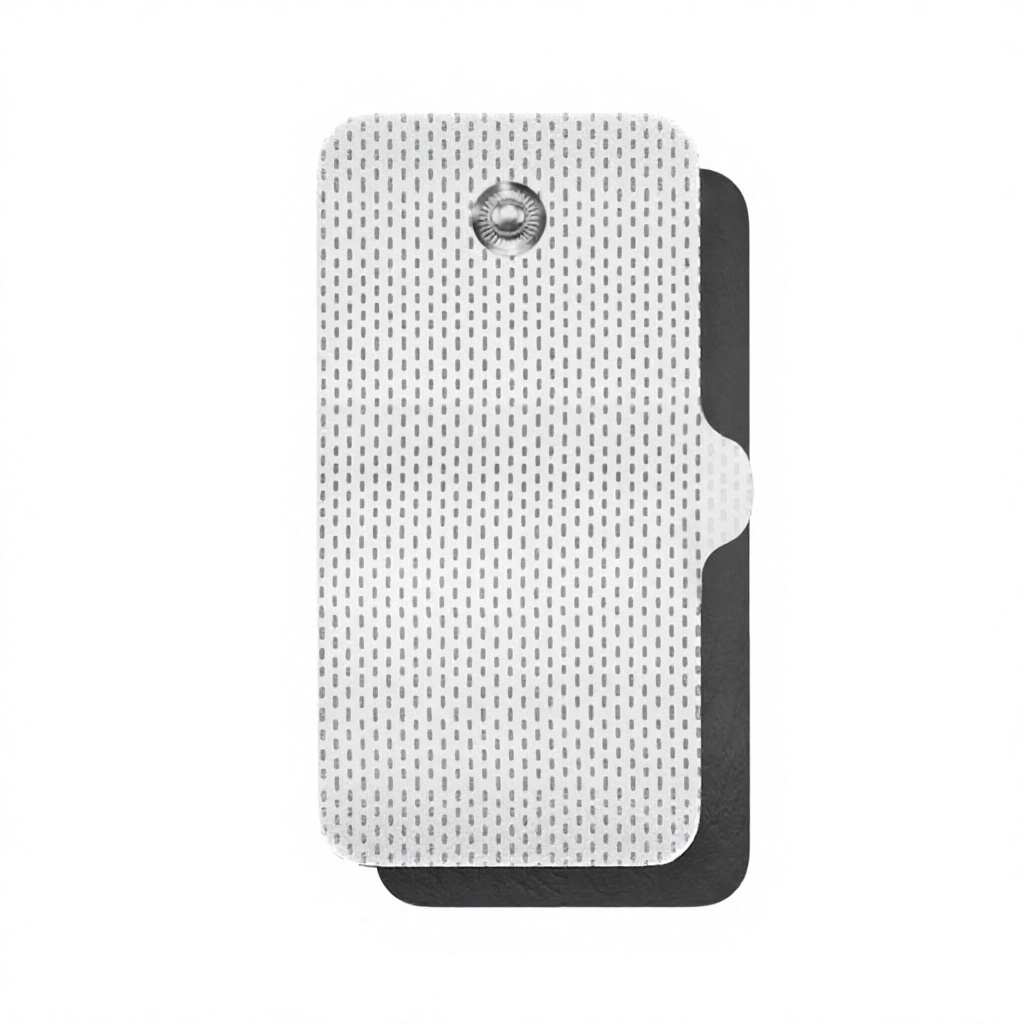
Reusable Non-woven Fabric TENS Electrode Pads with 2mm Pin Connector
- Premium Biocompatible Japanese Hydrogel
- Low-impedance Carbon Film Layer
- Universal 2.0mm Female Pin Connection
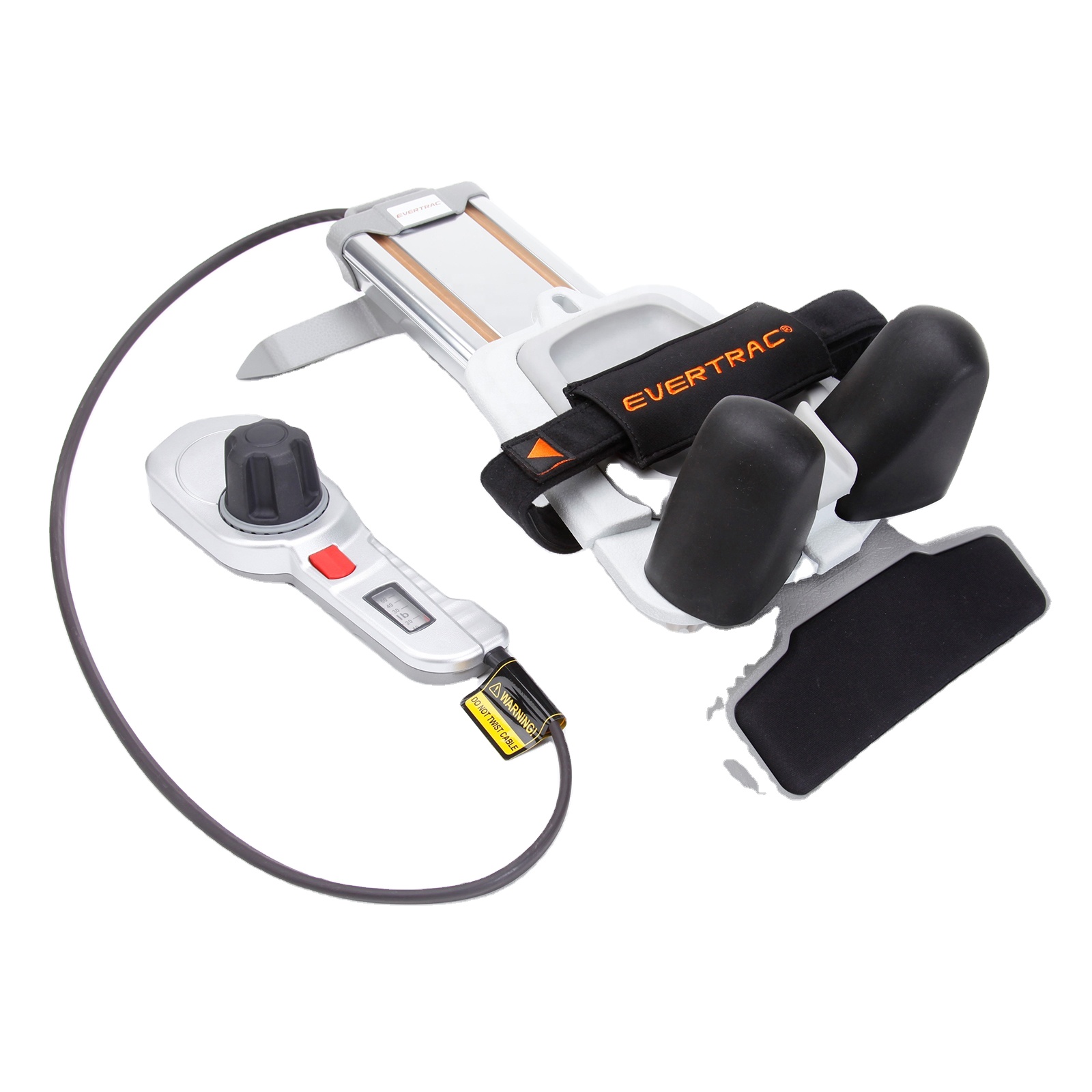
Taiwan CT-800 Portable Cervical Traction Unit Neck Pain Relief Device
- Calibrated Pneumatic Traction Gauge
- Ergonomic Neck Harness Cushioning
- Clinical Cervical Decompression
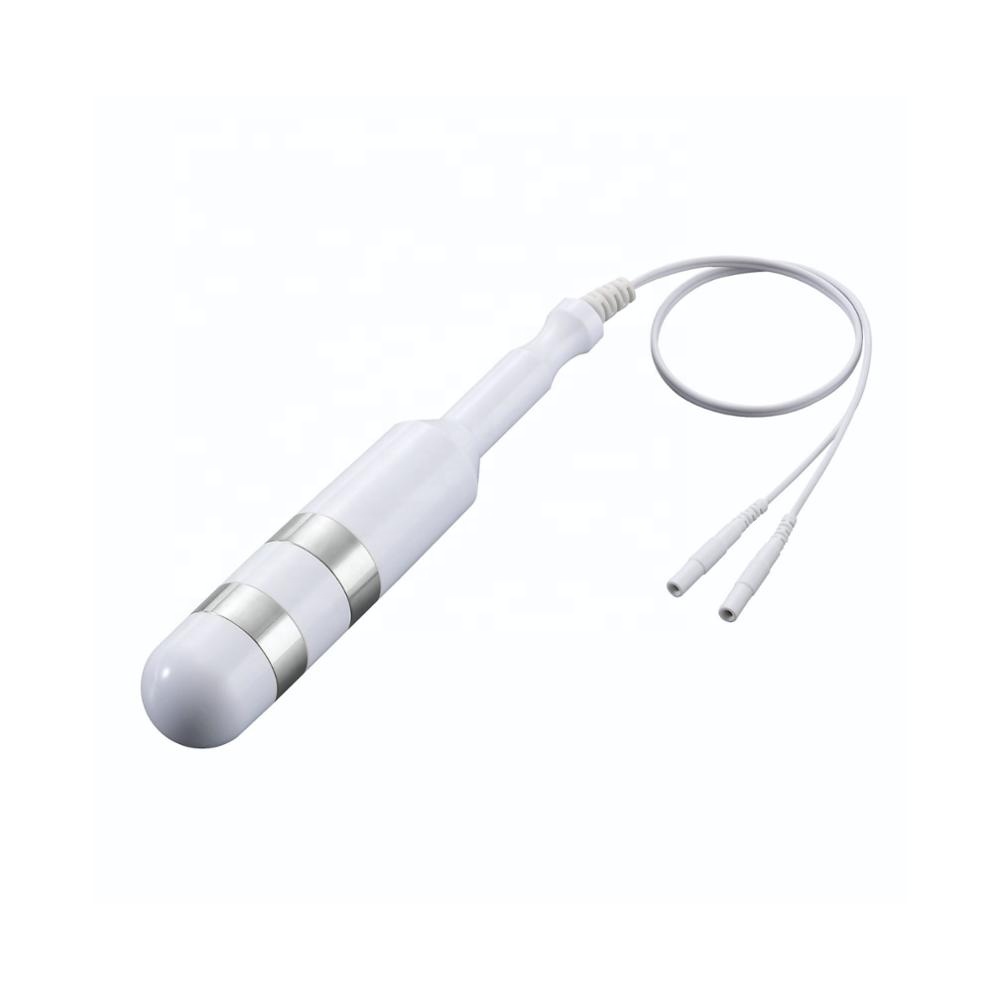
Everyway PR-03A Class II Vaginal Probe for Pelvic Floor Therapy
- Medical-Grade Stainless Steel Rings
- Smooth ABS Body & Biofeedback Fit
- Targeted Incontinence Rehabilitation
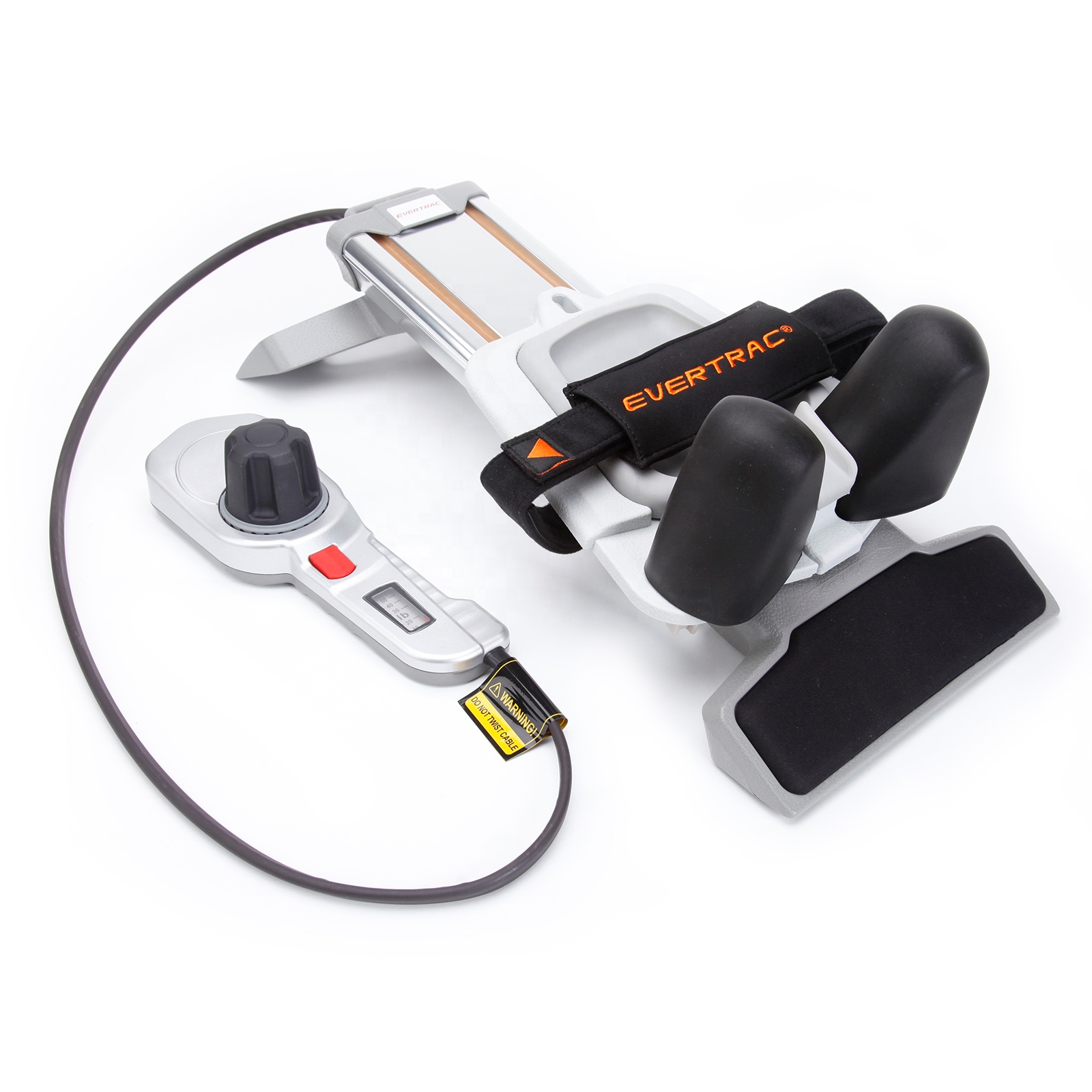
CT-800 Cervical Traction Unit Effective Neck Stretcher Device
- Precision Force Control Mechanism
- Heavy-Duty Clinical Construction
- Fast Setup for Home & Clinic Use
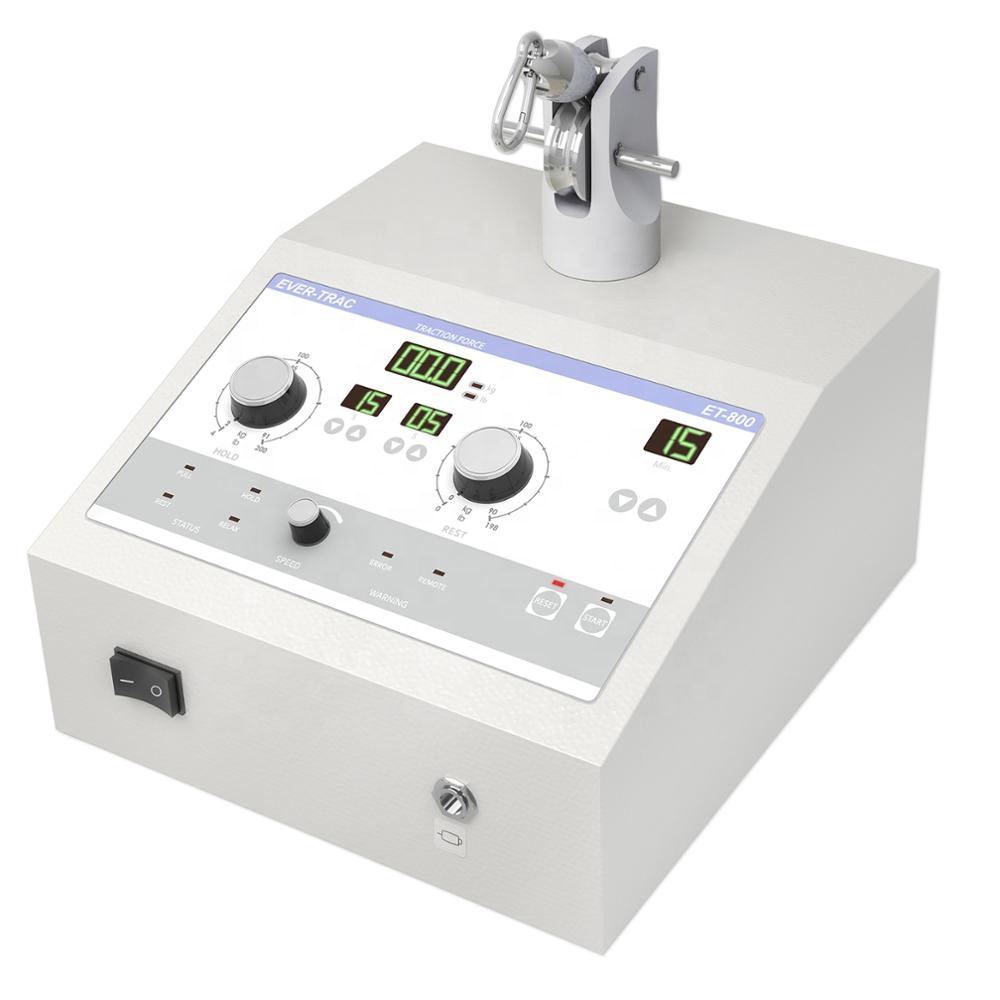
ET-800 Lumbar and Cervical Physiotherapy Traction Device
- Dual Cervical & Lumbar Capability
- Microprocessor Force Stabilization
- Comprehensive Spine Decompression
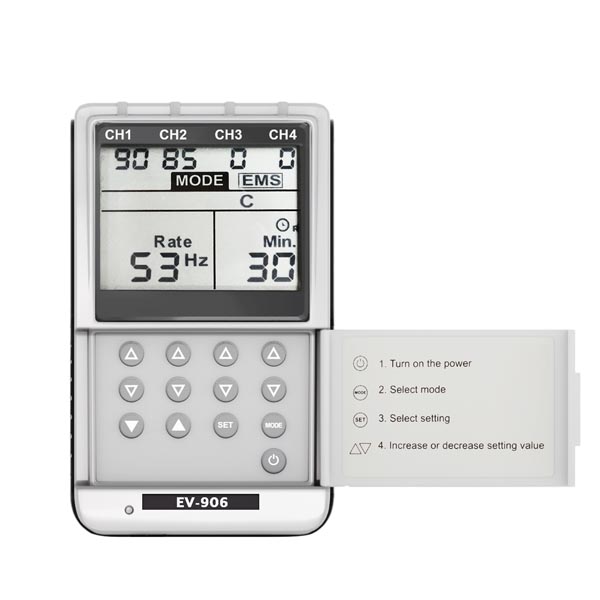
Taiwan EV-906 4-Channel Muscle Stimulator TENS EMS Unit
- 4 Independent Output Channels (8 Pads)
- Multi-preset TENS & EMS Programs
- Clinical Grade Pulse Modulation
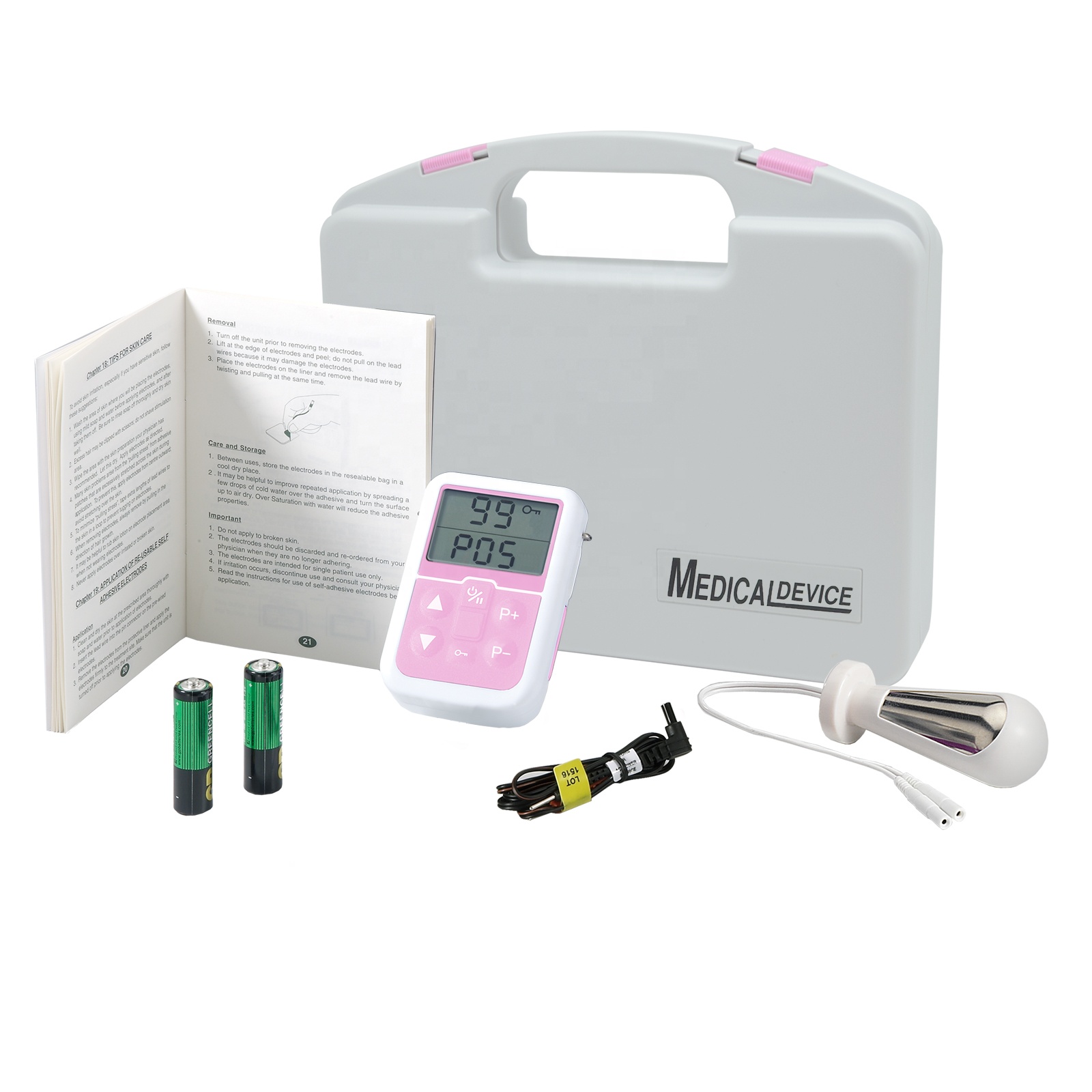
Portable EMS Incontinence Device with Professional Vaginal Probe
- Specialized EMS Kegel Exerciser
- Pre-programmed Continence Protocols
- Compact Digital Handheld Interface
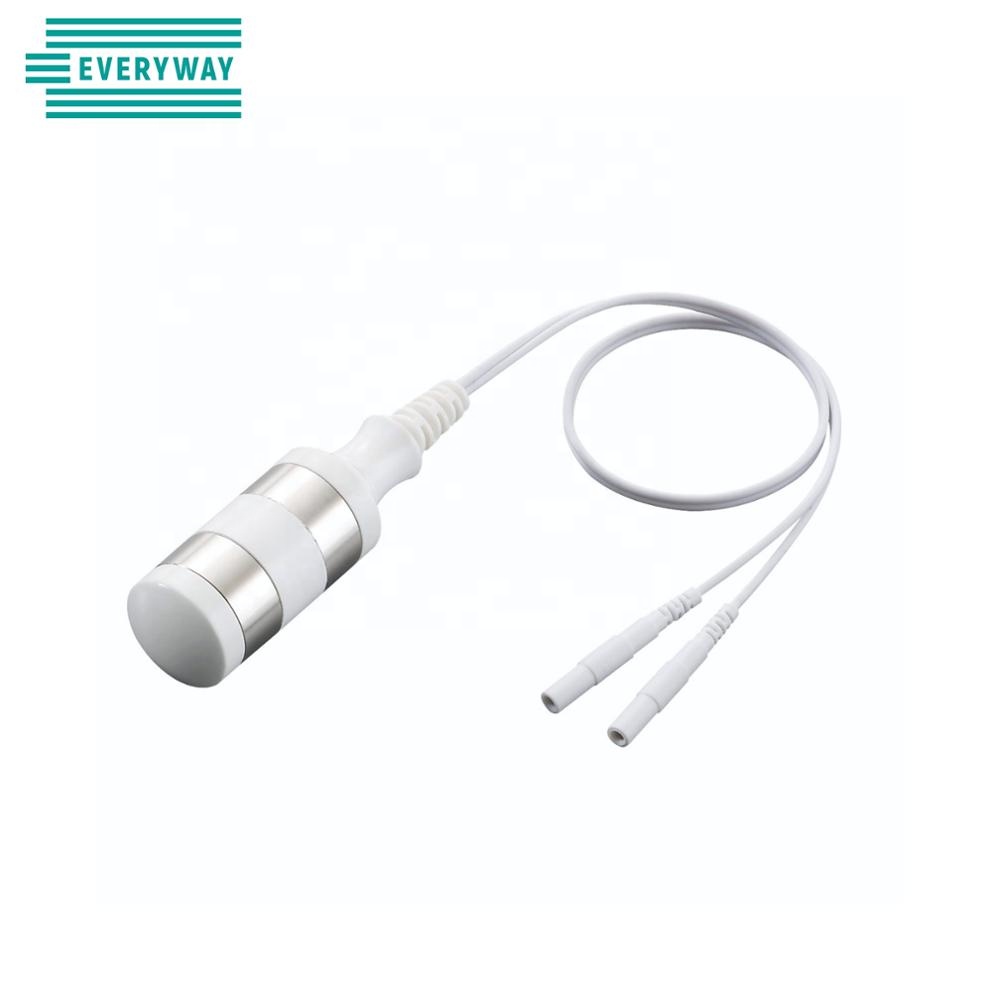
PR-14A Pelvic Floor Exerciser Lightweight Vaginal Probe
- Lightweight Short-Length Ergonomics
- ABS Body & Stainless Steel Electrodes
- Bio-compatible Intracavity Contact
1. Enterprise Heritage & Contract Manufacturing Infrastructure
As a premiere OEM/ODM manufacturer headquartered in Taiwan with extensive supply chain integration across Greater China, USHC Medical Instruments Co., Ltd. has established over three decades of engineering authority in non-invasive electrotherapy, neuromuscular electrical stimulation (EMS), and physical rehabilitation devices. Since 1989, our manufacturing ecosystem has adhered strictly to international medical quality management standards, providing global medical device brand owners, pharmaceutical distributors, and clinical hospital chains with certified, high-reliability electrotherapy systems.
Contract manufacturing of Class I and Class II medical devices requires far more than mere assembly; it demands uncompromising material traceability, biocompatibility verification, and electrical safety validation. Our integrated manufacturing facility operates under audited ISO 13485 Quality Management Systems, complemented by CE marking and FDA-listed device clearances. On-site facility inspections conducted independently by SGS validate our operational integrity, cleanroom assembly capabilities, and automated line precision.
Core Technical Superiority: USHC Medical maintains an automated hydrogel coating and converted electrode pad throughput exceeding 60,000 pieces per day. Our proprietary carbon-film conductive formulation guarantees uniform current density across the entire electrode surface, preventing localized impedance spikes and hot-spots that compromise patient safety.
Automated Hydrogel Synthesizing
In-house gel formulation utilizing biocompatible cross-linked polyacrylic polymers, achieving optimal moisture retention, low skin impedance, and up to 30+ clean re-application cycles.
Multi-Channel Firmware Synthesis
Microprocessor-controlled pulse wave generation capable of isolated 2-channel and 4-channel output execution, matching clinical therapeutic profiles for NMES, TENS, and Microcurrent therapy.
Full Regulatory Submissions
Complete technical documentation dossiers (STED), EMC/IEC 60601-1 electrical safety reports, and ISO 10993 biocompatibility compliance data packages provided for fast local registration.
2. Technological Evolution & Development Trends in Electrical Muscle Stimulation
Electrical Muscle Stimulation (EMS) and Transcutaneous Electrical Nerve Stimulation (TENS) have evolved from crude analog pulse generators into highly refined, software-driven neuromodulation modalities. Understanding the biophysical mechanics and engineering trajectories of EMS is vital for B2B procurement managers seeking to maintain a market edge over the next decade.
Biophysical Mechanisms & Waveform Engineering
Modern clinical EMS targets motor nerves (alpha motor neurons) to elicit involuntary skeletal muscle contractions, facilitating muscle hypertrophy, re-education, blood circulation enhancement, and prevention of disuse atrophy. The therapeutic outcome relies heavily on pulse wave shape, frequency (Hz), pulse width (µs), and duty cycles (ramp-up, hold, ramp-down, rest time).
- Symmetrical Biphasic Waveforms: Highly efficient for large muscle groups (e.g., quadriceps, hamstrings, gluteals). The equal positive and negative phase charges prevent net ion accumulation beneath the electrode pads, minimizing tissue irritation and skin burns.
- Asymmetrical Biphasic Waveforms: Frequently utilized for smaller, delicate muscle zones (such as facial stimulation or intrinsic hand muscles), concentrating excitation under the primary active electrode.
- Microcurrent Stimulation (MCT): Operating at sub-sensory current levels (<1000 µA), microcurrent technology mimics the body’s endogenous bio-electric currents, stimulating cellular ATP synthesis, protein synthesis, and cellular tissue repair.
- Targeted Pelvic Floor NMES: Specialized high-duty-cycle waveforms engineered specifically for intracavity probes (such as our PR-03A and PR-14A models) to rehabilitate pelvic floor floor musculature, directly treating stress, urge, and mixed urinary incontinence.
Smart Biofeedback Integration
The convergence of electromyography (EMG) biofeedback with EMS stimulation represents the forefront of physical rehabilitation. Devices automatically read physiological muscle action potentials before delivering proportional electrical stimulation, training patients to actively recruit motor units.
Advanced Conductive Textiles & Garments
Replacing traditional sticky pads with silver-thread conductive socks, gloves, and sleeves allows full 360-degree anatomical coverage. This innovation is revolutionizing peripheral neuropathy care, arthritic joint management, and athletic recovery protocols.
3. Global Procurement Trends in Electrotherapy Equipment (2025–2030)
As global medical markets adapt to changing demographics, home healthcare expansion, and evolving regulatory landscapes, procurement executives must align their supply chain strategy with market macro-trends. Based on market intelligence compiled across 70+ export destinations, USHC Medical identifies key procurement priorities for the coming decade:
1. Shift Toward Dual-Modality & Multi-Channel Systems
Institutional buyers and consumer brand owners are phasing out single-function devices. Modern buyers demand combo units integrating TENS (pain management), EMS (muscle strengthening), IF (Interferential therapy), and Microcurrent into a single portable housing. Multi-channel architecture—specifically 4-channel setups like the Taiwan EV-906 that drive 8 electrode pads simultaneously—allows physical therapists to treat multiple anatomical sites or larger body areas concurrently, vastly improving clinical throughput.
2. Stringent Biocompatibility and Hydrogel Stability Demands
With tighter scrutiny under the European Union Medical Device Regulation (EU MDR 2017/745) and US FDA 510(k) audits, non-compliant hydrogels present severe commercial liabilities. Global buyers now mandate non-cytotoxic, non-irritating hydrogels certified under ISO 10993-5 (Cytotoxicity) and ISO 10993-10 (Sensitization & Irritation). Furthermore, hydrogels must maintain stable electrical impedance (low ohm resistance) across wide temperature and humidity ranges during ocean freight transit.
3. Decentralization of Physical Therapy to Home Healthcare
Post-operative care and chronic pain management are shifting rapidly from inpatient settings to home care environments. Sourcing teams are requesting compact, battery-powered or USB-rechargeable EMS devices featuring intuitively locked clinician-preset modes. Simplified user interfaces prevent patient misuse while enabling accurate compliance tracking.
4. Demand for Complete OEM turnkey Solutions
Leading healthcare brands no longer source components from fragmented vendors. They seek fully integrated OEM/ODM partners capable of delivering turnkey solutions—from custom injection-molded enclosures, customized PCB layouts, and firmware programming to private-label blister packaging, user manual localization, and regulatory master file backing.
4. Technical Buyer's Evaluation Framework for EMS & TENS Manufacturing
To assist procurement managers, medical device buyers, and private-label brand strategists in performing rigorous supplier audits, USHC Medical recommends evaluating potential manufacturing partners across six core operational parameters:
1. Output Circuitry Isolation
Ensure multi-channel units feature true transformer-isolated circuits. Independent channel regulation prevents current cross-talk and unexpected energy surges if an electrode pad partially detaches during active treatment.
2. Carbon Film & Silver-Print Uniformity
Inspect electrode substrate construction. High-grade carbon film coated over conductive silver ink ensures electrical current spreads evenly across the entire surface area, eliminating pinpoint burning sensations.
3. Connector & Leadwire Durability
Verify leadwire strain relief performance. Standard 2.0mm pin connectors and snap terminals should withstand repeated strain tests (>50N pull force) without signal discontinuity or internal wire breakage.
4. Intracavity Probe Ergonomics & Materials
For pelvic floor stimulators, probes must utilize medical-grade, nickel-free stainless steel plates seamlessly molded into smooth biocompatible ABS plastic to prevent fluid ingress and allow sanitization.
5. Frequently Asked Procurement & Technical Questions (FAQ)
Here are definitive answers to the most common inquiries our engineering and sales teams receive from global B2B buyers:
What sets USHC Medical apart from other China/Taiwan EMS suppliers?
USHC Medical brings over 35 years of specialized electrotherapy engineering history (since 1989). Unlike general trading agencies, we operate fully audited, ISO 13485-certified manufacturing facilities in Taiwan with direct SGS third-party verification. We own the complete production vertical—from hydrogel chemical formulation and electrode converting to PCB firmware engineering, injection molding, and traction table fabrication.
Can USHC Medical customize pulse parameters and firmware for OEM orders?
Yes. Our in-house R&D engineering team routinely customizes pulse frequencies (1–150 Hz), pulse widths (50–400 µs), ramp times, treatment timers, and graphic LCD interfaces according to client specifications or clinical trial requirements. We also support complete custom housing design and private-label packaging.
What certifications and technical documentation packages are provided for import compliance?
We provide comprehensive regulatory dossiers for our medical devices, including ISO 13485 certificates, CE Declarations of Conformity, FDA establishment registration listings, IEC 60601-1 (Electrical Safety) and IEC 60601-1-2 (EMC) test reports, as well as ISO 10993 biocompatibility test data for all patient-contact consumables.
What is the shelf life and reuse expectation of your TENS hydrogel electrode pads?
When stored in sealed, moisture-proof polybags at room temperature, our un-opened hydrogel electrode pads maintain a shelf life of 24 to 36 months. In active clinical or home use, each pad typically delivers 25 to 35 reliable applications, depending on skin preparation and storage hygiene.
What are your daily production capacities and standard lead times?
Our integrated electrode production line produces over 60,000 pad pieces per day. For standard catalog electrotherapy units and consumables, sample orders ship within 3–5 business days. Mass production OEM orders typically carry a lead time of 30–45 days, depending on customization complexity and artwork approval.
Do your vaginal and rectal probes fit standard TENS/EMS devices from other brands?
Yes. Our pelvic floor probes (including PR-03A and PR-14A) utilize standard 2.0mm pin connectors or DIN connections, making them fully compatible with most major commercial EMS continence units, biofeedback devices, and physical therapy equipment worldwide.
Partner with China's Premier EMS & Electrotherapy Manufacturer
Whether you are expanding your medical device product line, sourcing high-grade replacement electrodes, or seeking a certified OEM/ODM contract manufacturer, our engineering team is ready to consult on your project.
Send an Inquiry