1. Executive Briefing: The Evolution of NMES Technology in Global Healthcare
Neuromuscular Electrical Stimulation (NMES) represents a specialized modality within medical electrotherapy, engineered specifically to elicit muscular contractions in paralyzed, paretic, or severely atrophied skeletal muscles. Unlike basic Transcutaneous Electrical Nerve Stimulation (TENS), which targets sensory A-beta fibers to modulate pain signals at the spinal gate, NMES delivers high-amplitude, phase-controlled electrical pulses directly to peripheral motor nerves (depolarizing alpha motor neurons). This depolarization triggers physiological myofibrillar contractions, facilitating motor re-education, preventing disuse atrophy, increasing local blood circulation, and providing range-of-motion (ROM) maintenance for post-stroke, orthopeadic, and pelvic floor rehabilitation.
For global medical equipment distributors, healthcare procurement directors, and brand owners, sourcing certified NMES hardware requires navigating rigorous technical parameters, international regulatory compliance frameworks (such as MDR 2017/745 in Europe and US FDA 21 CFR 882.5890), and manufacturing quality controls. As the global electrotherapy market moves toward home-based rehabilitation and connected digital healthcare, identifying qualified OEM/ODM partners with proven engineering lineage is critical to managing liability, ensuring therapeutic efficacy, and capturing market share.
2. Featured Medical Electrotherapy & NMES Equipment Portfolio
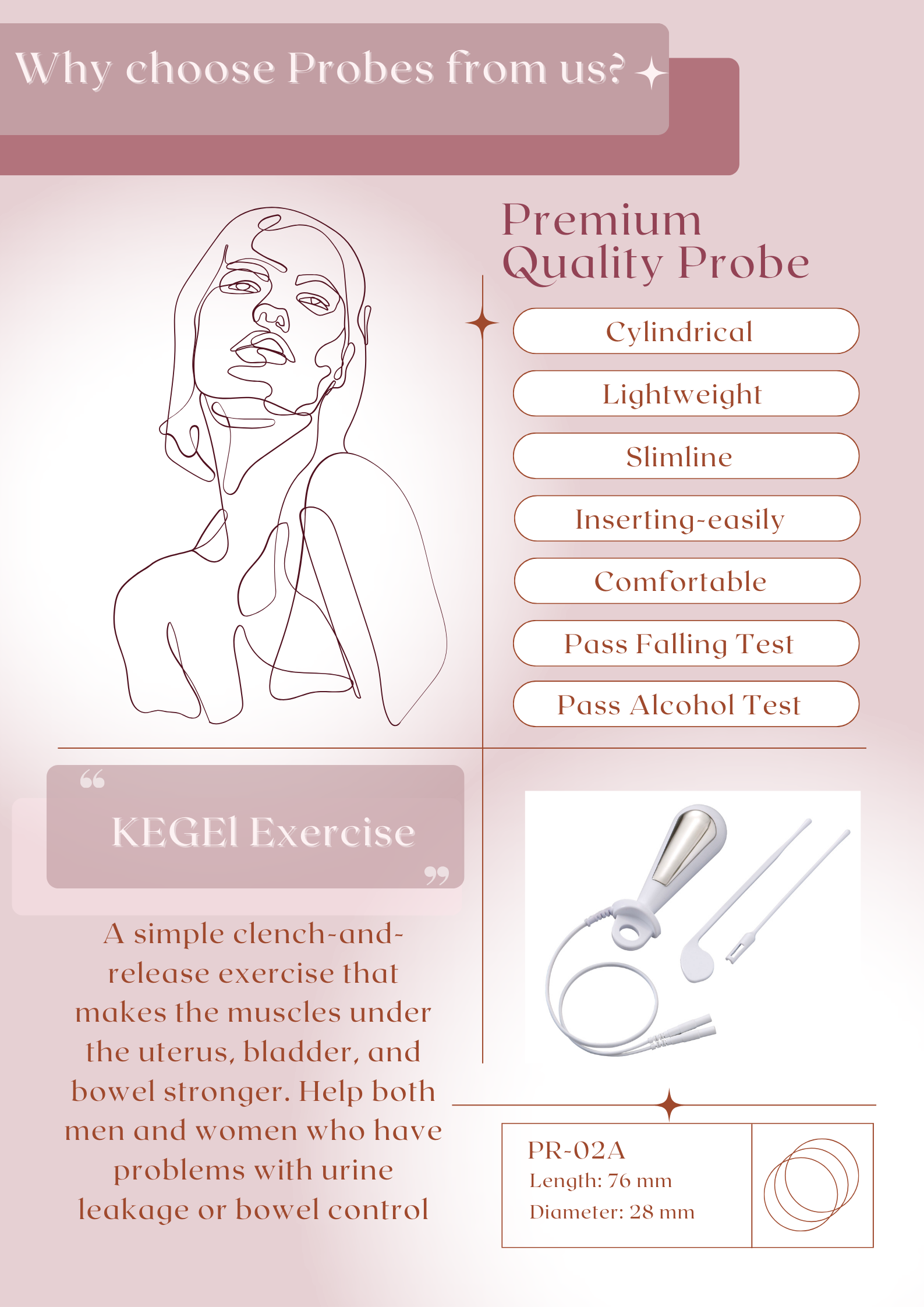
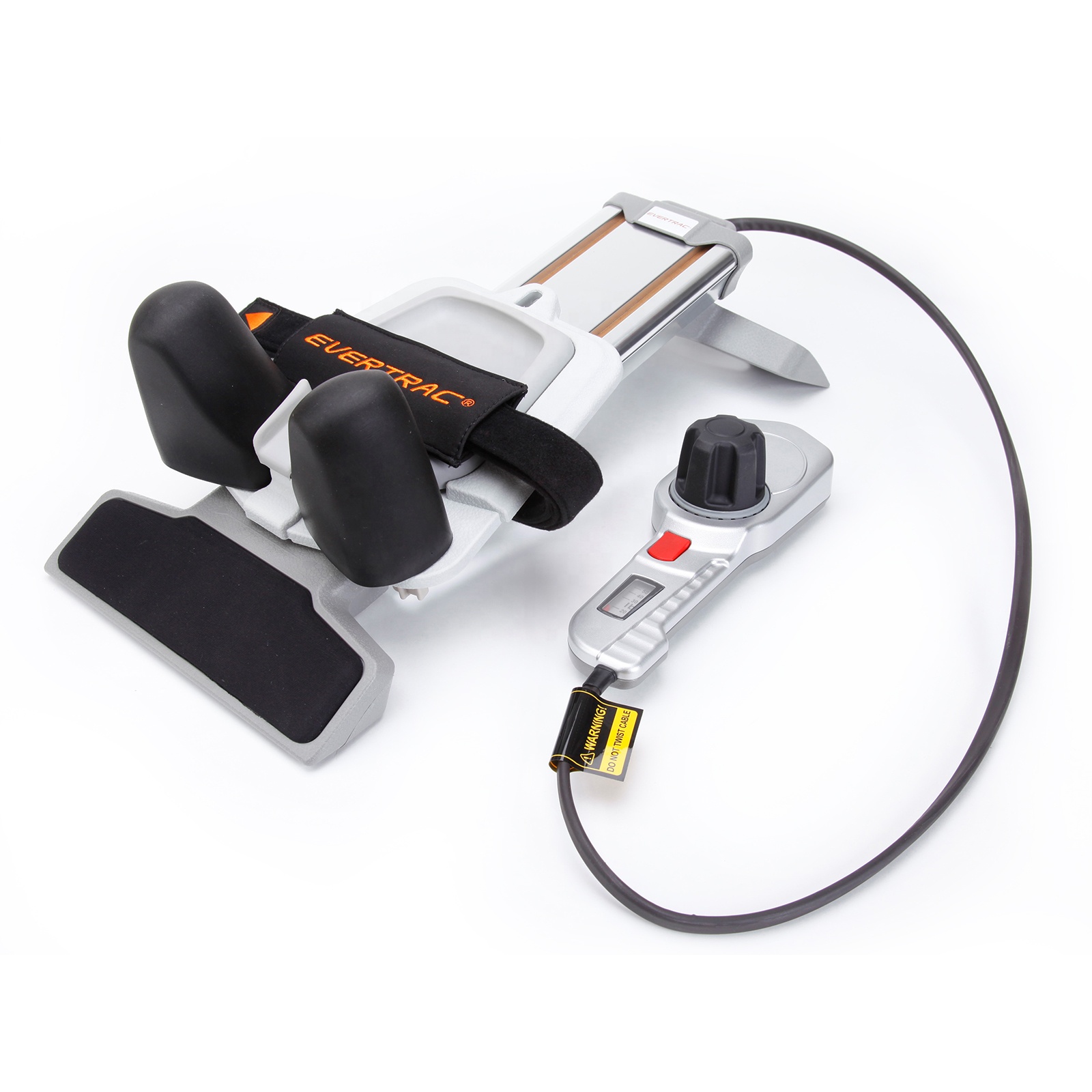
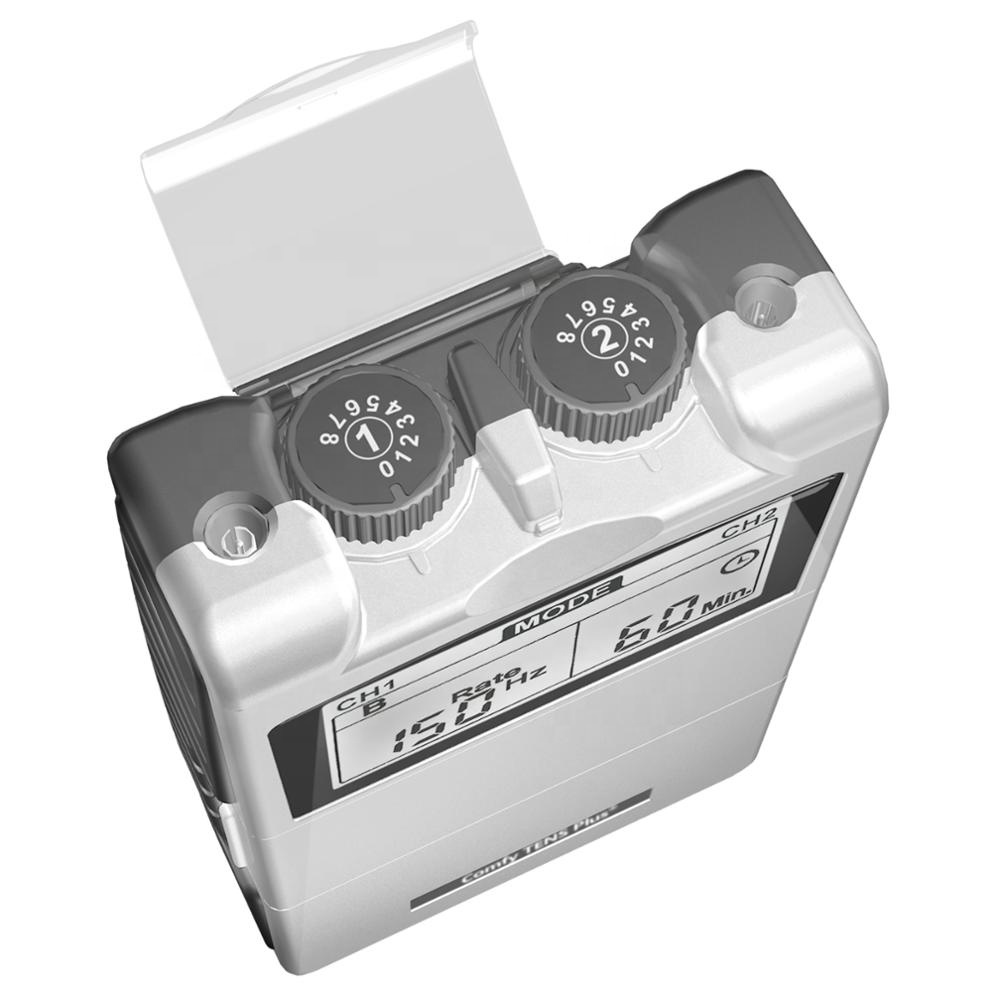
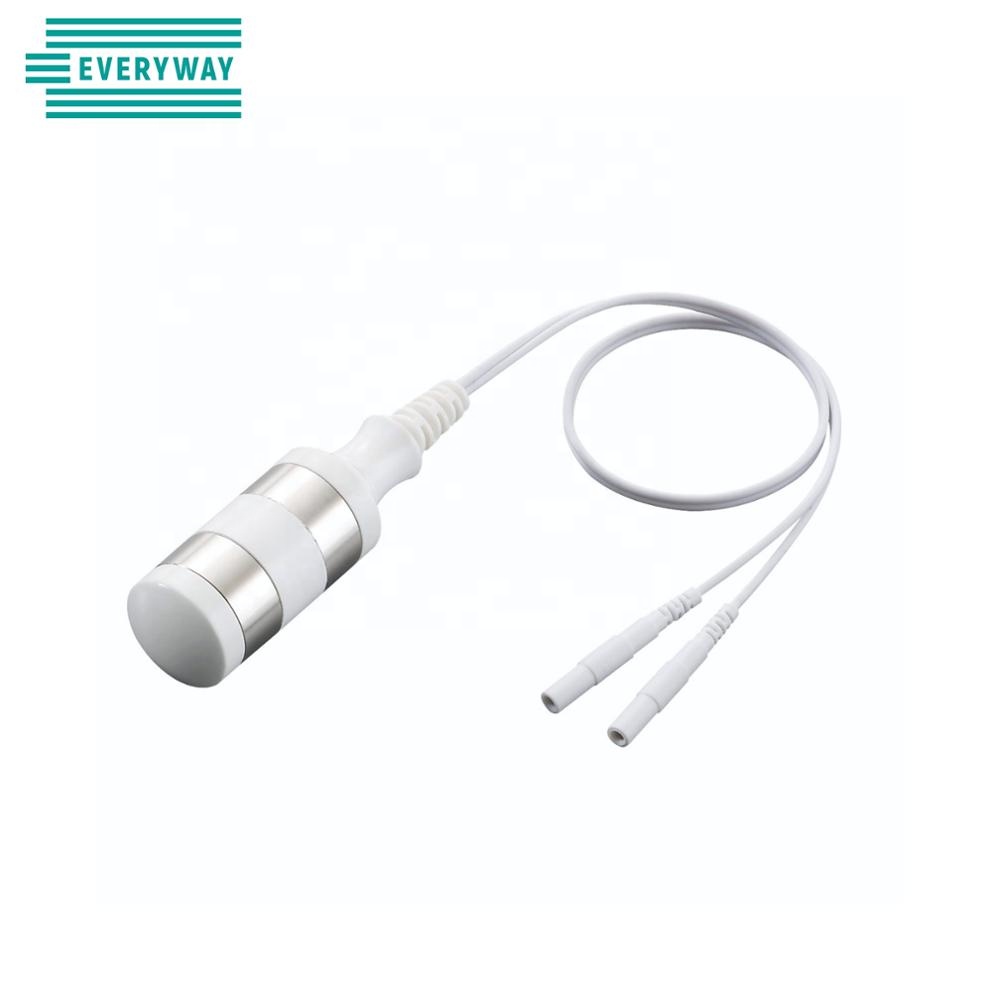
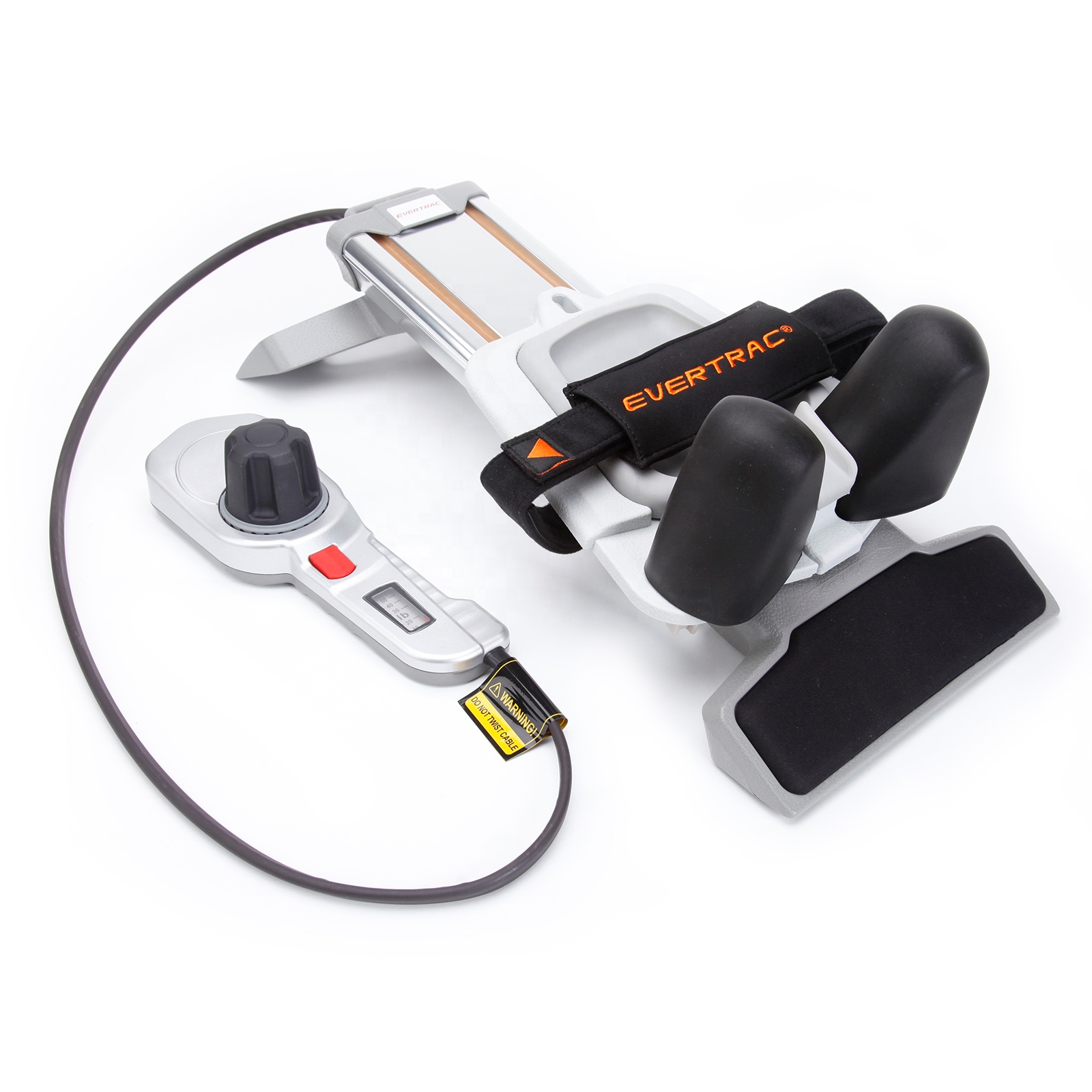
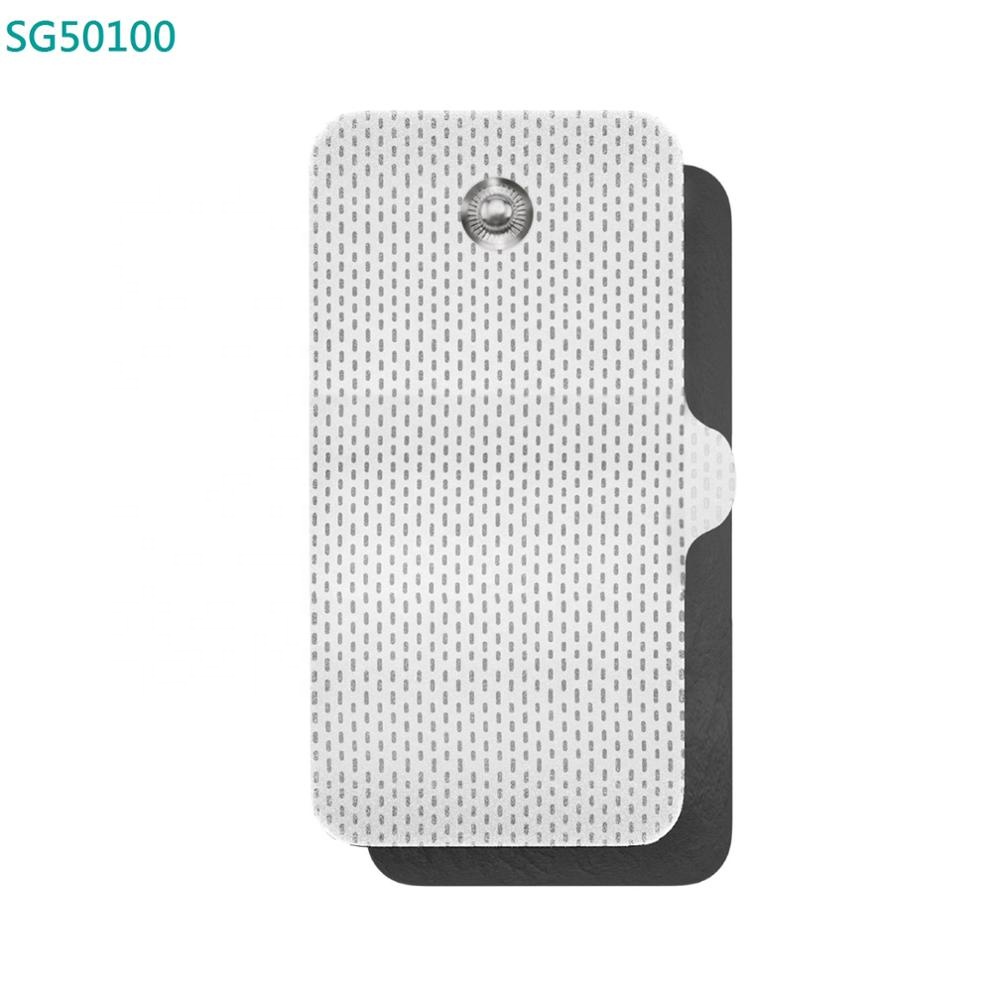
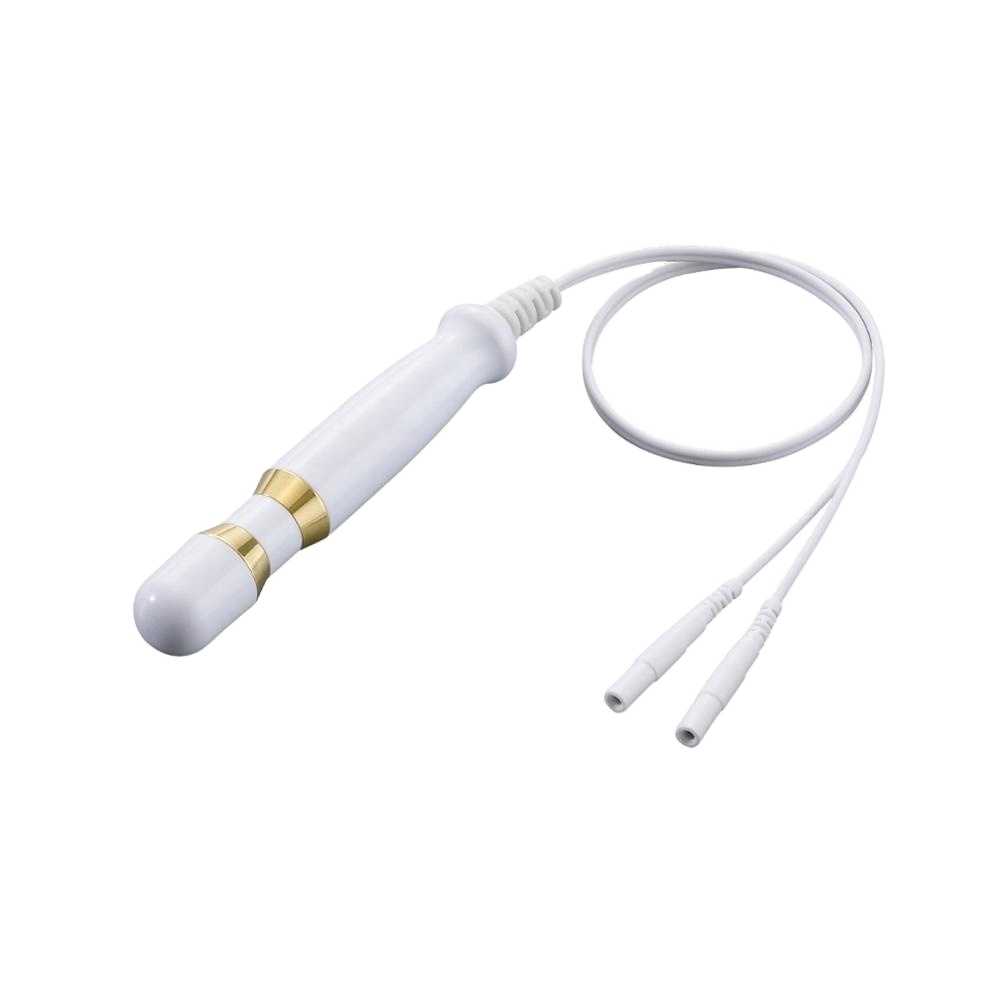
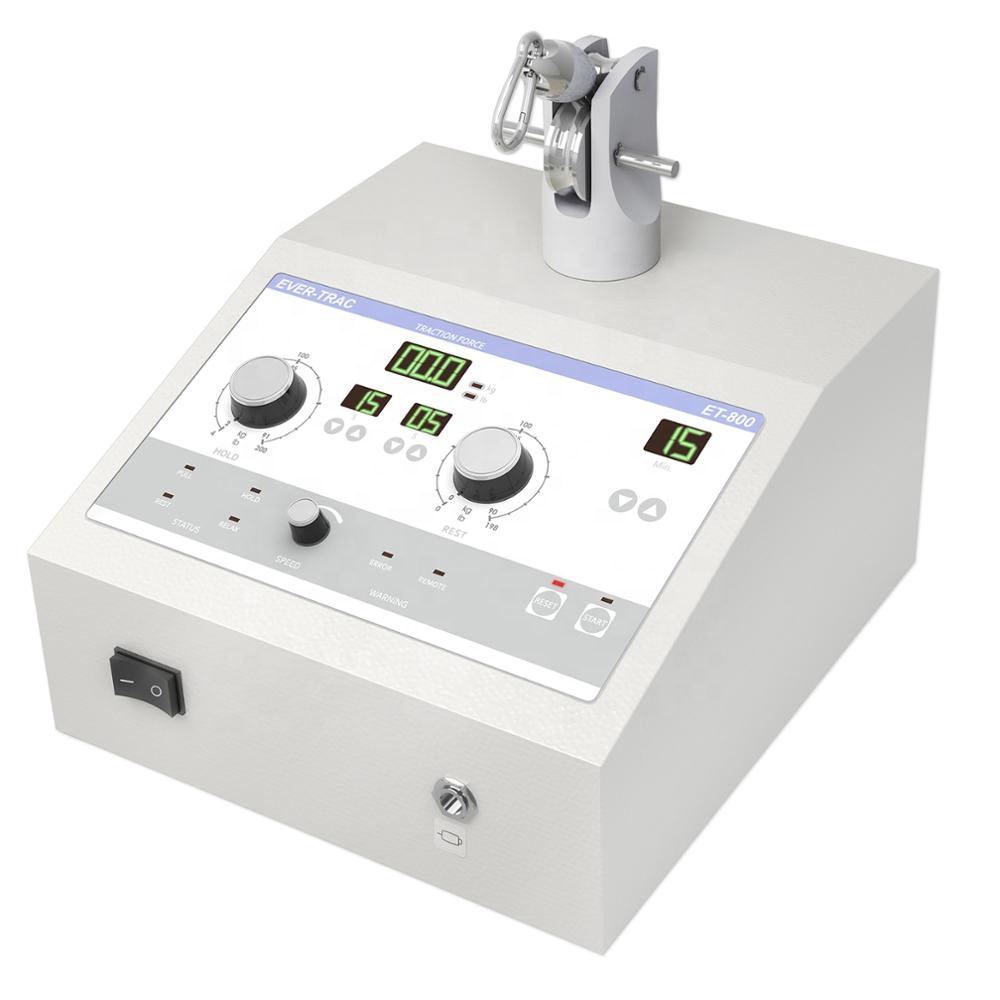
Below is our benchmark portfolio of clinical and portable electrotherapy devices, intracavity probes, specialized conductive hydrogel pads, and traction units engineered to rigorous Taiwanese manufacturing standards:
3. Technical Evaluation Criteria for Top NMES Manufacturers & Suppliers
Evaluating an NMES equipment manufacturer requires looking beyond superficial aesthetics. Medical procurement teams must conduct rigorous audits based on core electrical engineering, biological safety, and signal delivery stability. Below is the technical evaluation framework utilized by leading B2B buyers:
Waveform Integrity & Current Control
Clinical-grade NMES units must maintain a constant current (CC) output across varying skin-electrode impedance loads (typically 500Ω to 2000Ω). High-quality manufacturers employ symmetrical biphasic rectangular waveforms that prevent galvanic skin irritation, net charge accumulation, and localized tissue burn risks during sustained contraction cycles.
Biocompatibility & Hydrogel Rheology
Consumables such as snap/pin electrode pads and intracavity pelvic probes must pass rigorous ISO 10993 testing (Cytotoxicity, Sensitization, and Intracutaneous Reactivity). Hydrogel formulations require precise cross-linking density to maintain high capacitive conductivity, uniform current density distribution, and latex-free hypoallergenicity across 30+ reusable cycles.
Programmable Modality Isolation
Advanced NMES hardware architecture must incorporate isolated transformers per channel to prevent cross-talk when stimulating multi-group agonist/antagonist muscle structures. Independent control over Ramp Up (0.5-5s), Hold Time (1-30s), Ramp Down (0.5-5s), and Off/Rest Time (1-60s) is mandatory for preventing premature neuromuscular fatigue.
4. Technical Specifications Comparison: Clinical vs. Home-Care NMES Units
To assist B2B procurement managers in aligning technical specifications with target end-use applications, the matrix below highlights key engineering distinctions across electrotherapy categories:
| Specification Parameter | Clinical Rehabilitation NMES | Portable B2B OEM / EMS Units | Pelvic Floor EMS Exercisers | Analog Tactile Electrotherapy |
|---|---|---|---|---|
| Pulse Amplitude (mA) | 0 – 100 mA (Constant Current) | 0 – 80 mA (Adjustable 99 steps) | 0 – 80 mA Peak Output | 0 – 80 mA Dial Control |
| Pulse Width (μs) | 50 – 450 μs (Adjustable) | 50 – 300 μs Preset/Manual | 200 – 450 μs Optimized | 60 – 260 μs Fixed/Dial |
| Frequency (Hz) | 1 – 150 Hz | 2 – 100 Hz | 5 – 50 Hz Specific Protocol | 2 – 150 Hz Continuous |
| Output Channels | 4 Isolated Channels | 2 Channels (Dual) | 1 Dedicated Intracavity Channel | 2 Channels |
| Waveform Type | Symmetrical Biphasic Rectangular | Asymmetrical & Symmetrical Biphasic | Symmetrical Biphasic (Zero Net DC) | Asymmetrical Square Wave |
| Compliance Certification | CE Class IIa / FDA 510(k) cleared | CE Mark / FDA Listed | CE Class II / FDA Listed | CE Mark / Class I/II |
| Primary Application | Stroke Rehab, Quad Atrophy | Athletic Recovery, Post-Op EMS | Urinary Incontinence, Pelvic Toning | Analgesic Pain Relief (TENS) |
5. Future Procurement & Technological Trends in NMES (2025–2030)
The global physical therapy and electrotherapy equipment market is experiencing a structural paradigm shift driven by technological miniaturization, telemedicine integration, and evolving regulatory expectations. Sourcing executives should anticipate the following key trends over the next five years:
Trend 1: Smart Closed-Loop EMG-Triggered Stimulation
Traditional open-loop NMES delivers pre-programmed electrical bursts regardless of active muscle engagement. Next-generation devices integrate electromyographic (EMG) biofeedback sensors that monitor surface micro-volts generated by patient effort. When the patient's voluntary effort crosses a clinical threshold, the system triggers the NMES pulse train. This closed-loop neuro-plastic re-education significantly enhances cortical remodeling in post-stroke hemiplegia patients.
Trend 2: Wearable Conductive Garments & Dry-Gel Electrodes
While hydrogel snap-electrodes remain industry staples, high-volume procurement is shifting toward wearable conductive fabric electrodes (gloves, knee sleeves, anatomical wraps) silver-coated yarn structures. These garments eliminate positioning errors by non-technical patients, providing uniform current dispersion across large muscle groups while maintaining machine washability and long-term durability.
Trend 3: Mobile Health (mHealth) Bluetooth Connectivity & Tele-Rehab Logging
B2B buyers are demanding Bluetooth-enabled OEM hardware modules capable of pairing with iOS and Android care platforms. Cloud-synced compliance tracking allows physical therapists to remotely monitor contraction intensity, total therapy duration, and user adherence—unlocking remote therapeutic monitoring (RTM) reimbursement codes in North America and Western Europe.
Trend 4: Regulatory Tightening and EUDAMED Integration
With full implementation of the European Medical Device Regulation (EU MDR 2017/745), unverified trading intermediaries are being eliminated from medical supply chains. Importers are prioritizing direct contract manufacturers holding comprehensive technical documentation files (TDF), Unique Device Identification (UDI) compliance, and validated ISO 13485:2016 quality management systems.
6. Enterprise Profile & OEM/ODM Competitive Advantages: USHC Medical
Established in 1989 in Taiwan, USHC Medical Instruments Co., Ltd. has spent over 35 years establishing itself as a premier custom manufacturer of TENS, EMS, NMES, electrode consumables, intracavity probes, and clinical traction systems. Operating under strict ISO 13485 management and verified on-site by third-party inspector SGS, USHC provides an end-to-end manufacturing gateway for medical distributors and private-label brands across 70+ countries.
Precision Taiwan Engineering
All core circuit assembly, microprocessor firmware flashing, housing injection molding, and output testing are conducted in our Taiwan facility. This guarantees high MTBF (Mean Time Between Failures), zero-defect batch quality, and resistance to electrical interference.
Integrated Hydrogel Production (60k+/day)
Our automated electrode line produces over 60,000 self-adhesive carbon-film electrode pads per day. Featuring biocompatible, latex-free Japanese/Taiwanese gel options, we offer full private-label customization of pad dimensions, backing materials (cloth/foam), and connector types (2.0mm pin / 3.5mm snap).
Turnkey Regulatory Support
We maintain fully updated technical files, CE declaration certificates, and FDA listings for our product lines. Our regulatory team directly assists international buyers with local health authority registrations (US FDA 510k, EU MDR, TGA, Health Canada).
7. Comprehensive B2B Procurement FAQ for Global Buyers
USHC Medical Instruments Co., Ltd. is a verified custom manufacturer with complete in-house production lines based in Taiwan, supplemented by a dedicated international trading division for export logistics. Our facilities have undergone rigorous on-site audit assessments by SGS, an independent third-party inspector, confirming our manufacturing credentials and quality control systems.
We offer extensive design-based customization including custom plastic housing tooling, custom color silk-screening, client-branded LCD interface artwork, pre-programmed custom pulse sequences (RAMP, ON/OFF cycle times), specialized packaging graphics, multi-language user manuals, and customized lead-wire connector interfaces.
Our manufacturing processes strictly comply with the ISO 13485:2016 Quality Management System. Our electrotherapy unit portfolio includes CE-marked devices under European directives/MDR and FDA-listed models for the United States market. Specific certificate sets and test reports (IEC 60601-1 electrical safety, IEC 60601-1-2 EMC) are provided upon contract execution.
Our high-conductive hydrogel pads have a shelf-life of 24 to 36 months when stored in original sealed poly-foil packaging at temperatures between 5°C and 25°C away from direct sunlight. Once opened, each pad supports approximately 25 to 35 application cycles depending on patient skin preparation and storage backer placement.
Our vaginal and rectal electrotherapy probes (such as PR-14A and PR-06A+) utilize medical-grade 316L stainless steel or gold-plated electrode contacts paired with symmetrical biphasic pulse generators. The positive phase charge is exactly counterbalanced by an equal-amplitude negative phase charge, resulting in zero net DC current, eliminating electrolytic mucosa breakdown or tissue polarization.
Evaluation samples for standard catalog units are dispatched within 3 to 5 business days. Mass production lead times for initial private-label OEM orders typically range from 30 to 45 days post artwork finalization, while repeat shipments are delivered in 25 to 30 days via ocean or air freight.