Featured NMES & Rehabilitation Equipment
ISO 13485 & CE Certified Neuromuscular Stimulators, Probes, and Traction Systems Engineered for Professional Healthcare Channels
Executive Summary: Global NMES Sourcing Landscape & Engineering Rigor
Neuromuscular Electrical Stimulation (NMES) represents one of the fastest-growing segments in physical therapy, neurorehabilitation, pelvic floor rehabilitation, and clinical sports medicine. As global health networks, clinical procurement officers, and medical device distributors seek high-integrity manufacturing partners, evaluating an NMES device factory requires moving beyond base pricing to analyze waveform precision, electrode bio-compatibility, compliance architecture, and micro-controller reliability.
Unlike standard Transcutaneous Electrical Nerve Stimulation (TENS)—which primarily targets sensory nerves (A-beta fibers) for pain modulation via gate control theory—NMES generates targeted electrical pulses designed to depolarize motor nerves (alpha motor neurons). This depolarization triggers involuntary muscular contractions, mitigating disuse muscle atrophy, improving local blood circulation, re-educating paralyzed or paretic muscles post-stroke, and repairing pelvic floor muscle incompetence.
Strategic Procurement Insight: Sourcing high-grade NMES equipment requires verifying compliance with IEC 60601-2-10 (Particular requirements for the basic safety and essential performance of nerve and muscle stimulators). High-tier original equipment manufacturers (OEMs) integrate constant current output stages to prevent skin burns caused by sudden skin-impedance drops.
Neuro-Physiological Mechanisms & Device Parameter Specifications
To establish authoritative technical criteria for B2B tenders, procurement teams must evaluate four critical electrical parameters across NMES device platforms:
- Phase Duration (Pulse Width): Effective motor recruitment requires pulse durations typically ranging between 200 µs and 400 µs. Shorter pulse widths (< 100 µs) predominantly activate pain fibers without eliciting deep motor unit recruitment.
- Pulse Frequency (Rate): Frequencies between 35 Hz and 50 Hz are mandatory to produce smooth tetanic muscle contractions. Frequencies below 20 Hz induce individual muscle twitches, whereas frequencies above 80 Hz cause rapid motor fatigue.
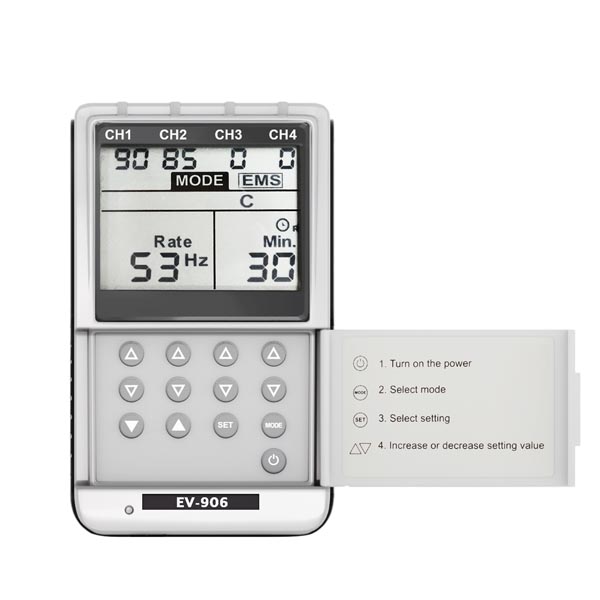
- Ramp Up/Down Timing: Clinical-grade multi-channel units (such as the Taiwan EV-906 4-Channel Muscle Stimulator) incorporate programmable ramp-up (0.5 to 5.0 seconds) and ramp-down phases to emulate physiological muscle recruitment and prevent sudden mechanical strain on tendinous insertions.
- Waveform Symmetry: Symmetrical biphasic square waveforms neutralize net DC charge accumulation, preventing tissue electrolysis and skin irritation during high-intensity clinical rehabilitation sessions.
Engineering Benchmark: Standard vs. Medical-Grade NMES Systems
When selecting a top-tier NMES exporter, OEM procurement agents must distinguish between consumer-grade EMS massagers and regulatory-cleared Class II medical NMES hardware.
| Evaluation Parameter | Consumer-Grade EMS Units | Medical-Grade NMES Systems (USHC Standards) |
|---|---|---|
| Output Regulation | Constant Voltage (Vulnerable to current spikes) | Constant Current Architecture (Auto-impedance balancing up to 1000 Ω) |
| Waveform Precision | Unregulated Peak Swings (> 20% harmonic distortion) | Crystal-locked Microcontroller Symmetrical Biphasic Pulse (< 2% distortion) |
| Electrode/Probe Metallurgy | Nickel-plated base metal (High allergic potential) | Gold-Plated Stainless Steel 316L & Medical ABS (Biocompatible per ISO 10993) |
| Compliance Clearances | Basic CE Mark (Self-declaration) | ISO 13485, FDA Listed, CE MDR Technical Documentation, SGS Assessed |
| Channel Configuration | 1 or 2 Channels (Shared Ground) | 2 to 4 Fully Isolated Channels (Independent Intensity Control, e.g., EV-906) |
| Application Scope | General Wellness / Massager | Post-stroke Re-education, Incontinence Relief, Cervical/Lumbar Rehab Alignment |
Future Sourcing & Technology Development Trends (2025–2030)
The global physical therapy and electrotherapy equipment market is undergoing rapid structural evolution. B2B buyers, medical device importers, and brand owners must align their product roadmaps with four major technological shifts:
1. High-Density Biofeedback Integration
Next-generation NMES units are converging with Surface Electromyography (sEMG) biofeedback. Devices will dynamically sense voluntary muscle effort and deliver triggered electrical stimulation only when the patient reaches a predetermined muscle activation threshold, drastically accelerating neurological re-education.
2. Gold-Plated Intracavity Biocompatibility
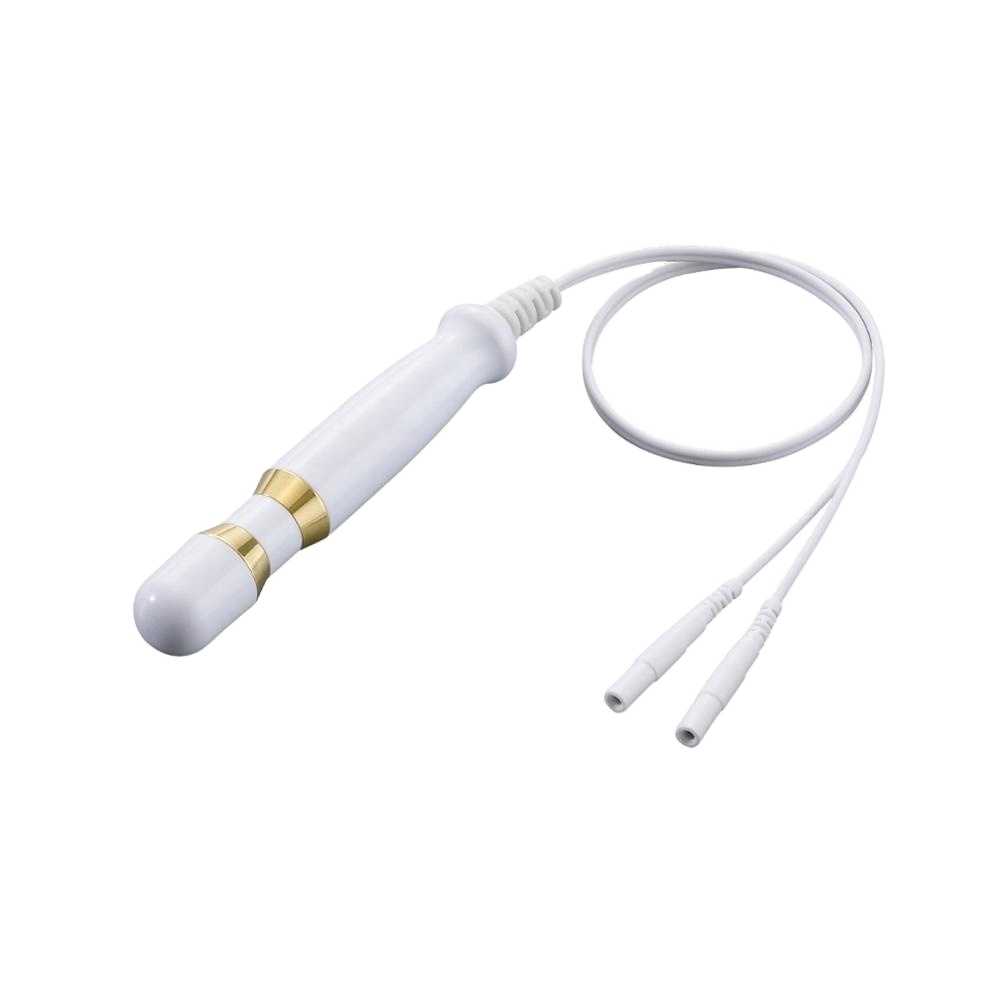
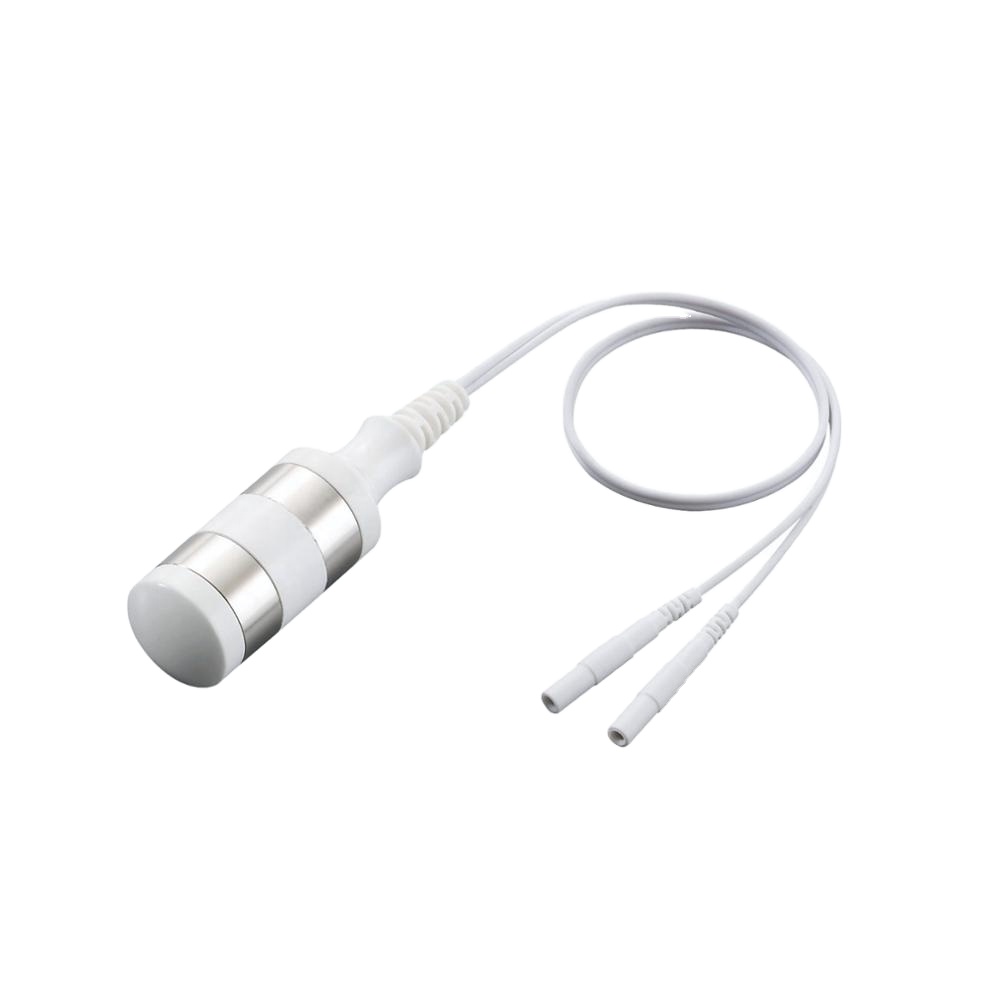
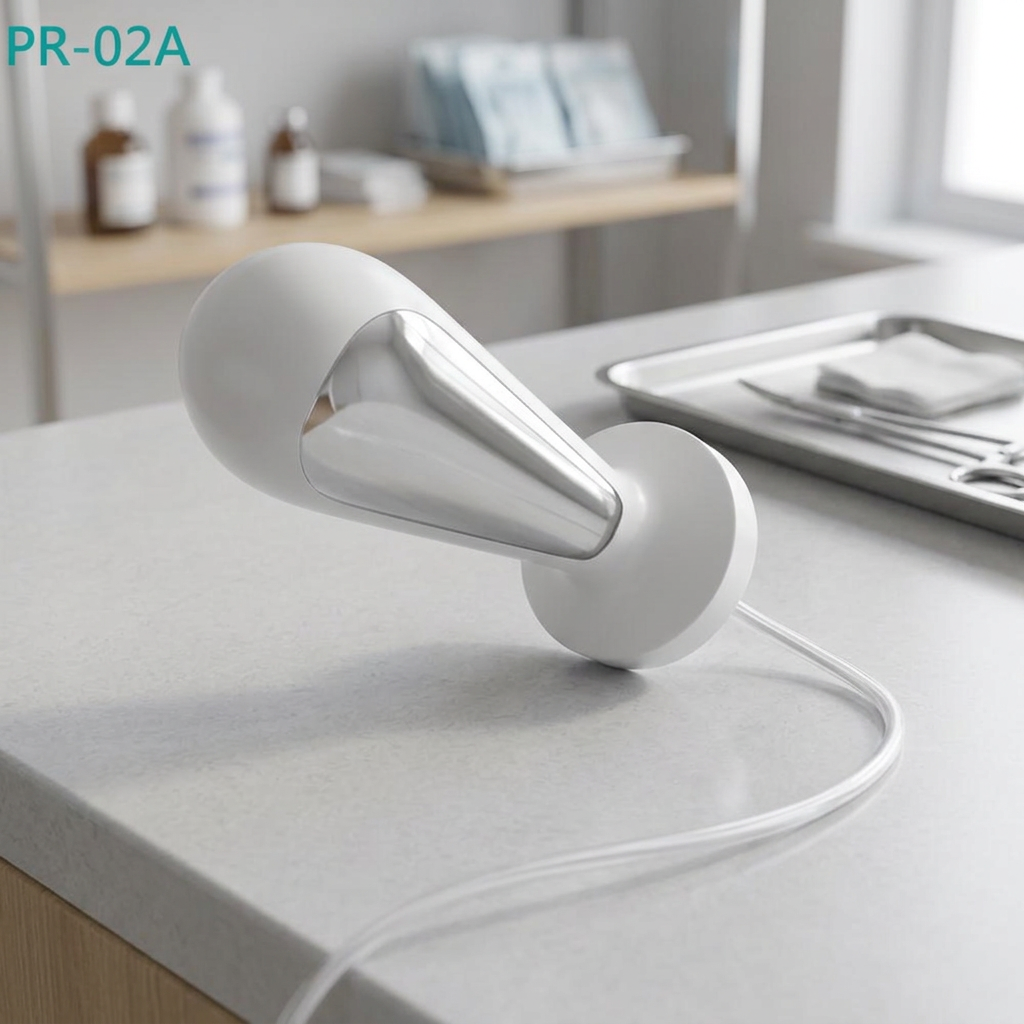
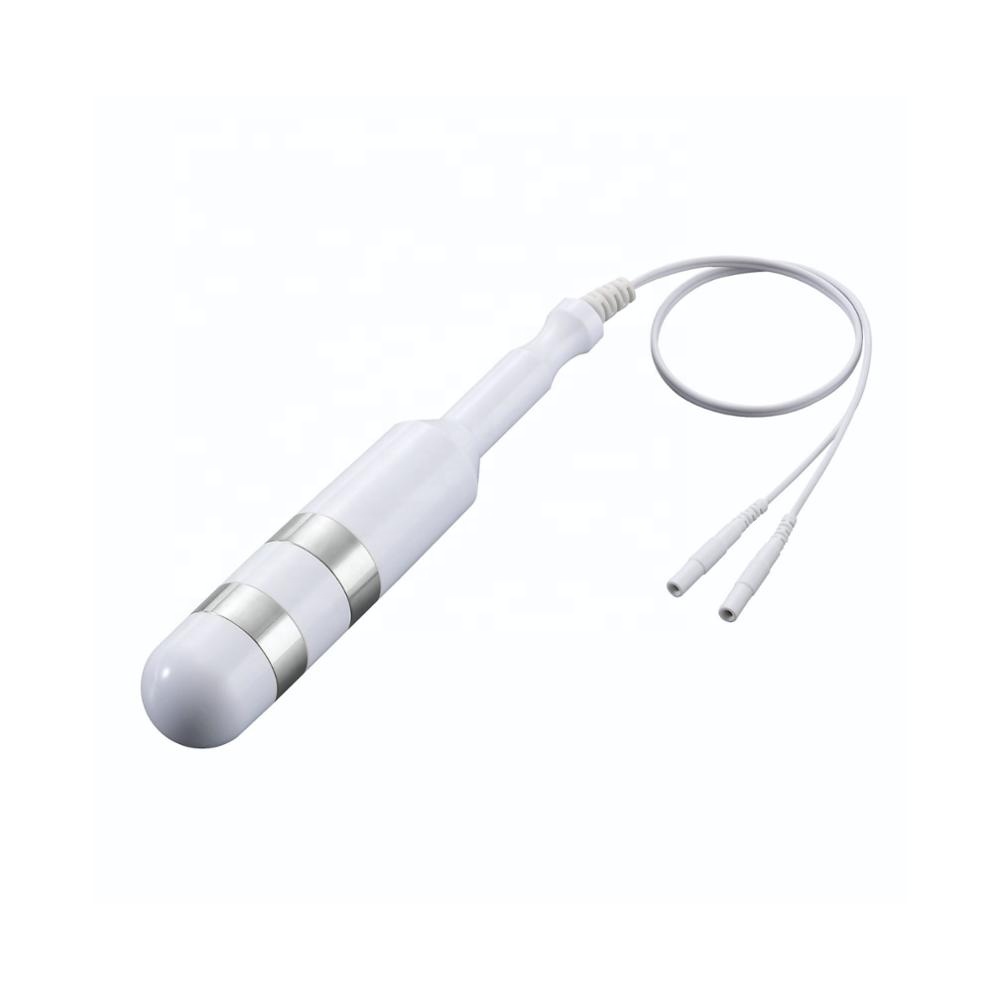
Pelvic floor health (incontinence management and pelvic organ prolapse rehabilitation) is witnessing unprecedented global demand. Intracavity probes, such as the PR-06A+ and PR-14A, utilize gold-plated steel electrodes to lower interface impedance, eliminate nickel allergy risks, and withstand aggressive hospital disinfection protocols.
3. Multi-Modality Synergy (Traction + NMES)
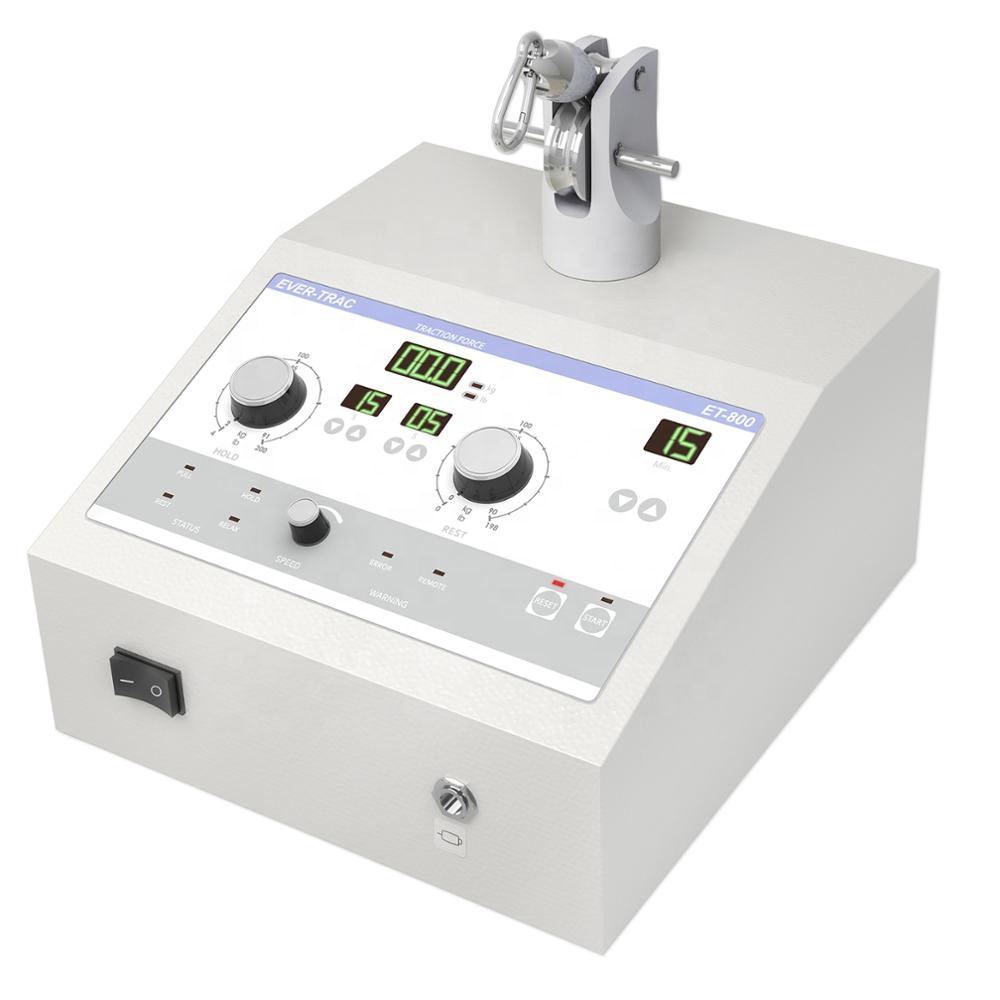
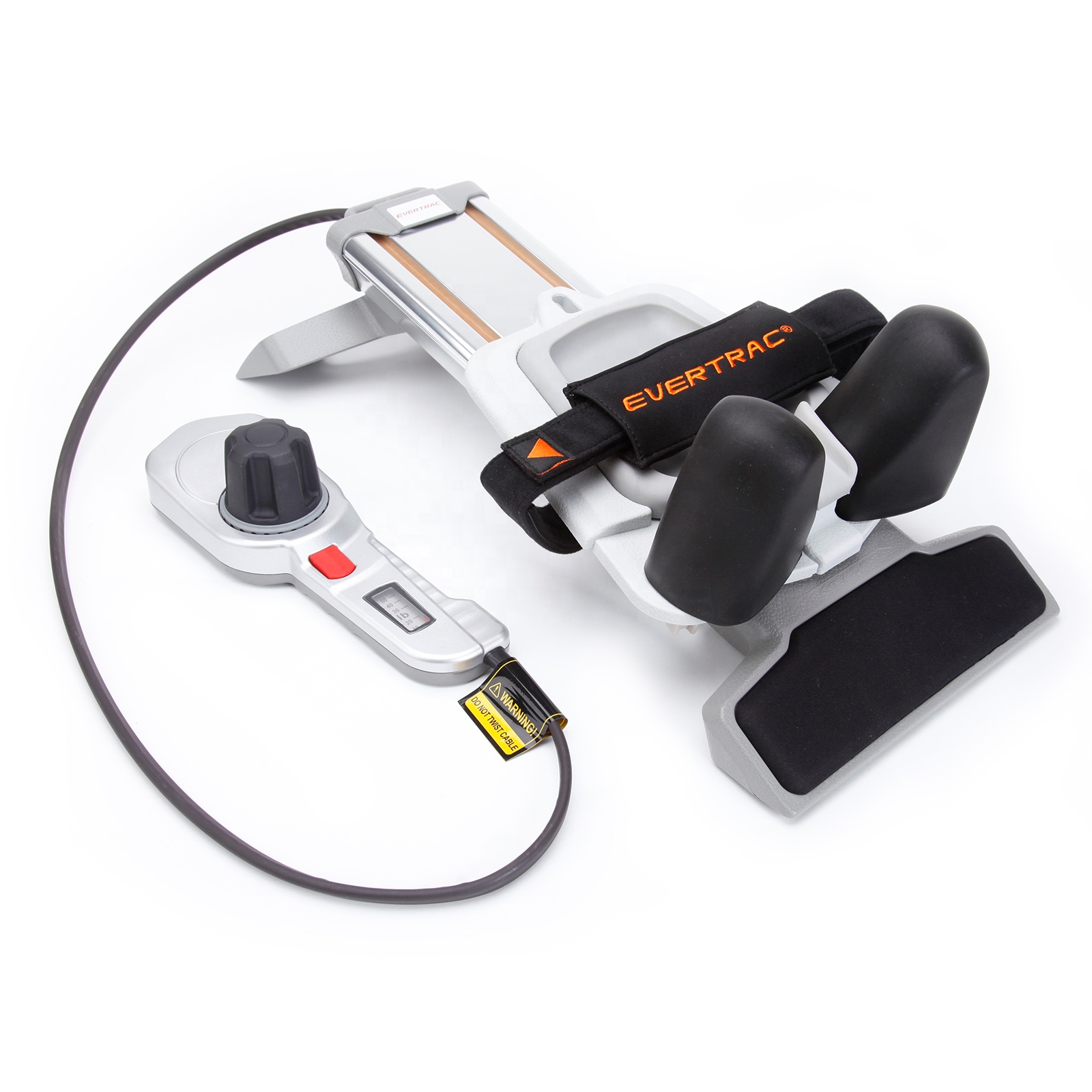
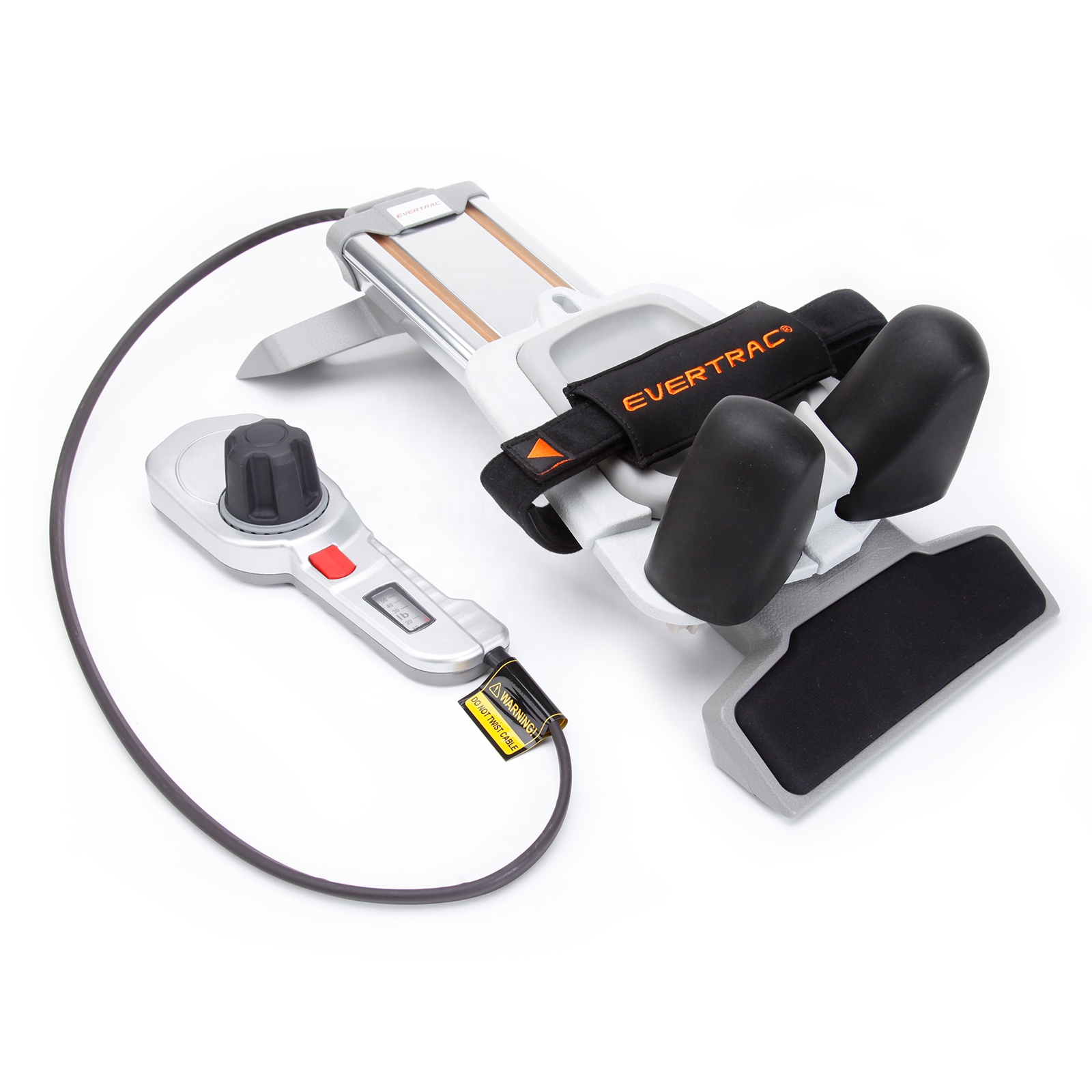
Clinical settings are moving toward multi-modal therapy suites. Combining cervical and lumbar traction tables (e.g., ET-800 and CT-800 series) with synchronized multi-channel electrical muscle stimulation relaxes paraspinal muscle spasms prior to mechanical spinal decompression, maximizing clinical efficacy.
Supply Chain Security Note: B2B importers are increasingly consolidating suppliers to manufacturers with integrated production lines—capable of producing electrotherapy hardware, self-adhesive hydrogel pads (60,000+ daily capacity), and specialty intracavity probes within a single ISO 13485 certified facility.
Frequently Asked Questions (B2B Procurement & Technical FAQ)
Detailed answers to key operational, regulatory, and engineering questions asked by medical device buyers and importers.
Is USHC Medical a direct manufacturer or a trading company?
USHC Medical Instruments Co., Ltd. is a verified custom manufacturer with complete production facilities based in Taiwan. Our site is independently audited and verified on-site by SGS. We maintain full control over circuit board assembly, probe molding, hydrogel electrode converting, and functional quality assurance testing, supported by an internal export division for direct global logistics.
What makes gold-plated rectal and vaginal probes superior for NMES pelvic floor stimulation?
Gold-plating (as featured on models like the PR-06A+) significantly enhances electrical conductivity while minimizing skin impedance variability. Gold resists oxidation and enzymatic degradation caused by bodily fluids or chemical sterilizing agents, providing long-term biocompatibility without risking nickel transfer or localized mucosa irritation during high-frequency pelvic rehabilitation protocols.
What regulatory documentation is provided for hospital and clinical tender compliance?
We provide comprehensive documentation suites including ISO 13485 Quality System Certificates, CE Declaration of Conformity under European Medical Device Regulations, FDA Listed establishment numbers, IEC 60601-1 (Electrical Safety) and IEC 60601-2-10 (Nerve/Muscle Stimulator) test reports, as well as ISO 10993 cytotoxicity and skin irritation reports for all skin-contacting accessories and probes.
Can USHC customize NMES pulse parameters and outer housing for private label brands?
Yes. Our engineering R&D team provides complete ODM services, including customized firmware (programming specific pulse width ranges, ramp times, and treatment frequencies), custom LCD graphics, custom injection-molded enclosure colors, private-label branding, localized instruction manuals, and retail/clinical packaging design.
What is your daily capacity for consumable accessories like self-adhesive electrode pads?
Our automated electrode manufacturing lines yield over 60,000 self-adhesive hydrogel electrode pieces per day. We utilize high-tack, low-impedance Japanese hydrogel paired with conductive carbon film backings, supporting both large-scale private label programs and mixed-size clinical supply shipments.
How do 4-channel units like the Taiwan EV-906 benefit clinical physical therapy facilities?
A 4-channel system allows clinicians to treat four distinct anatomical regions simultaneously or stimulate larger muscle groups (such as bilateral quadriceps and hamstrings during post-knee surgery rehabilitation) using a single generator. Isolated channel circuitry allows independent amplitude adjustment for each electrode pair, ensuring optimal physiological recruitment without causing discomfort.
What is the standard lead time for OEM orders and sample requests?
Standard sample requests for evaluation and lab testing are dispatched within 3 to 7 business days. Custom OEM production runs typically require 30 to 45 days following approval of engineering specifications and art proofs, depending on order volume and regulatory packaging requirements.
Accelerate Your Medical Electrotherapy Product Portfolio
Connect directly with USHC Medical's engineering and export sales department to receive technical specifications, factory direct quotes, sample units, and regulatory compliance packages.
Inquire Now