Executive Sourcing Analysis: Navigating the Global EMS Machine Market
The global electro-muscle stimulation (EMS) and transcutaneous electrical nerve stimulation (TENS) equipment market is experiencing a profound structural shift. Driven by expanding clinical applications in neuromuscular rehabilitation, non-invasive pain management, pelvic floor reconstruction, and athletic conditioning, procurement directors face unprecedented complexity. Choosing an OEM/ODM partner demands scrutiny beyond superficial unit pricing. B2B buyers must navigate complex regulatory landscapes (such as the EU MDR 2017/745 transition and US FDA 510(k) clearances), electrode biocompatibility standards (ISO 10993), and long-term signal generator stability.
Explore our benchmarked product lineup featuring dual-channel TENS/EMS units, clinical cervical traction devices, bio-compatible intracavity probes, and premium self-adhesive hydrogel electrode patches.
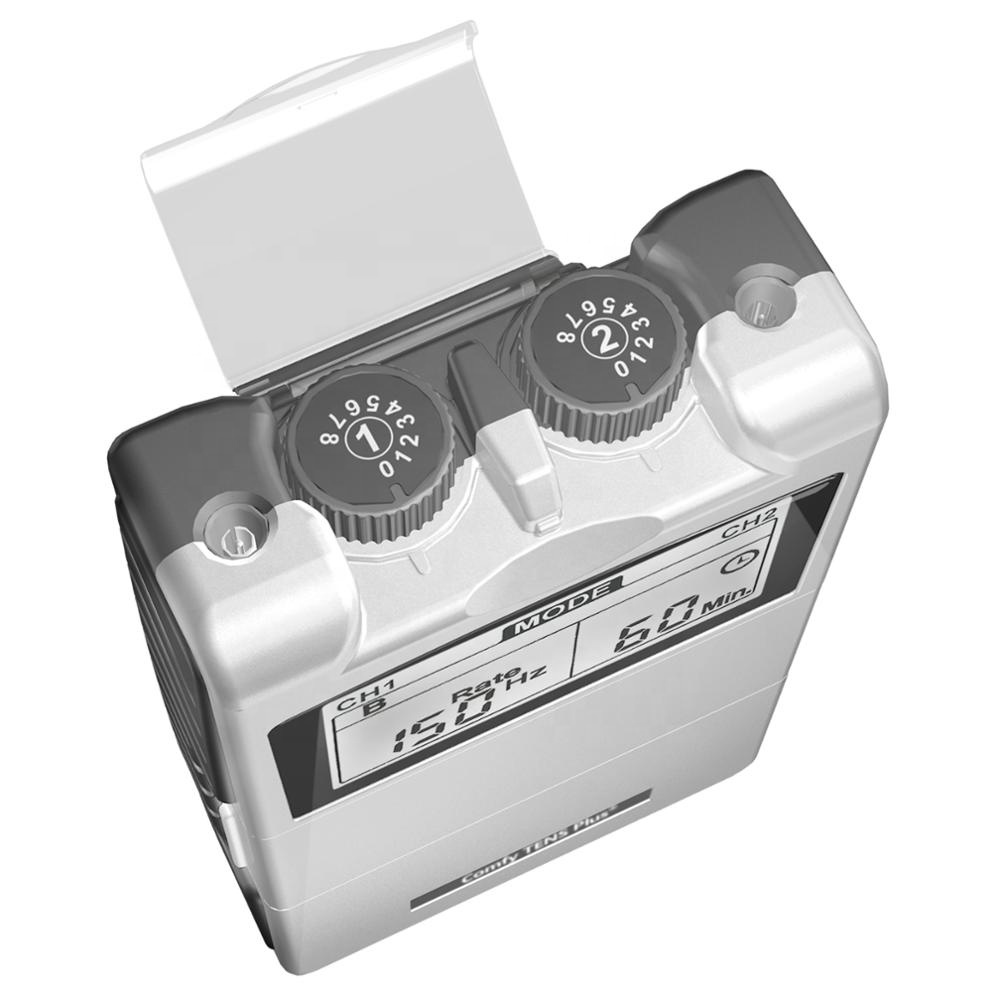
- Dual Channel Isolated Output
- Precision Dial Waveform Control
- Class II Medical Safety Standard
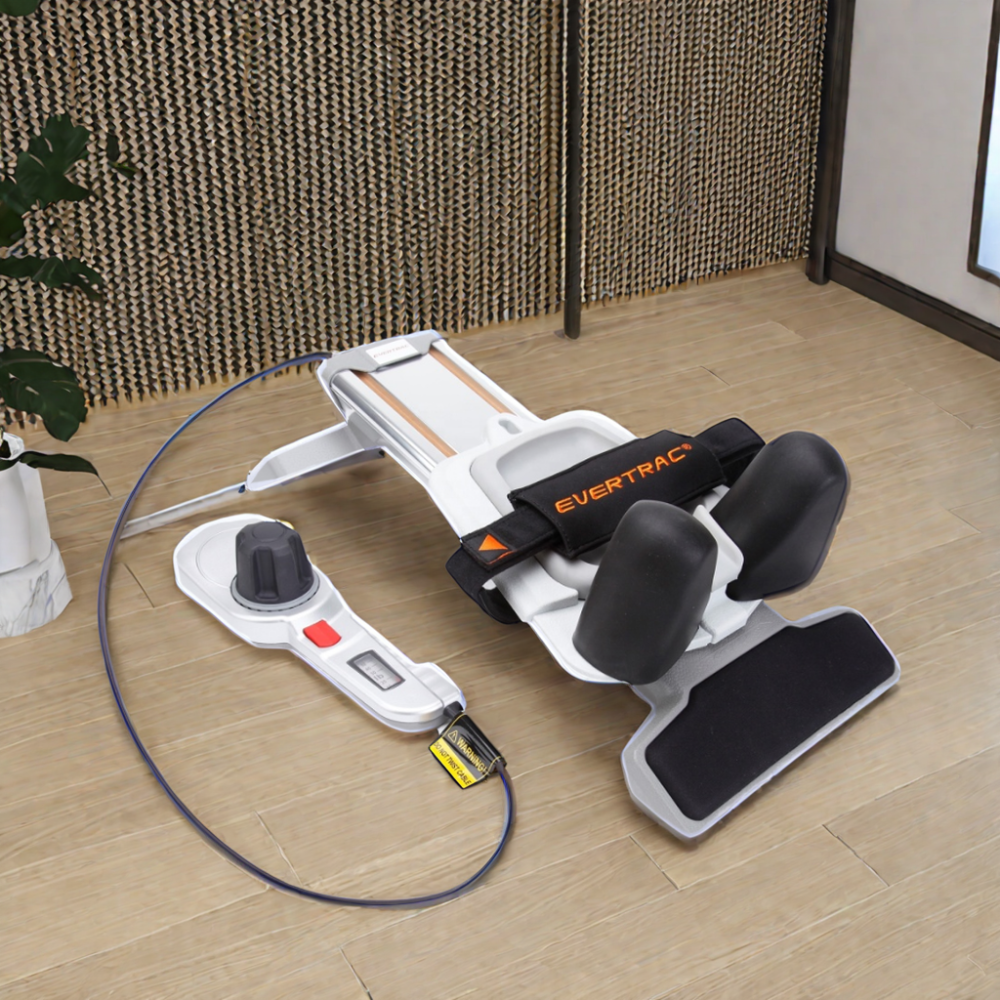
- Clinical-Grade Cervical Decompression
- Ergonomic Neck Calibration System
- 1-Year Manufacturer Warranty
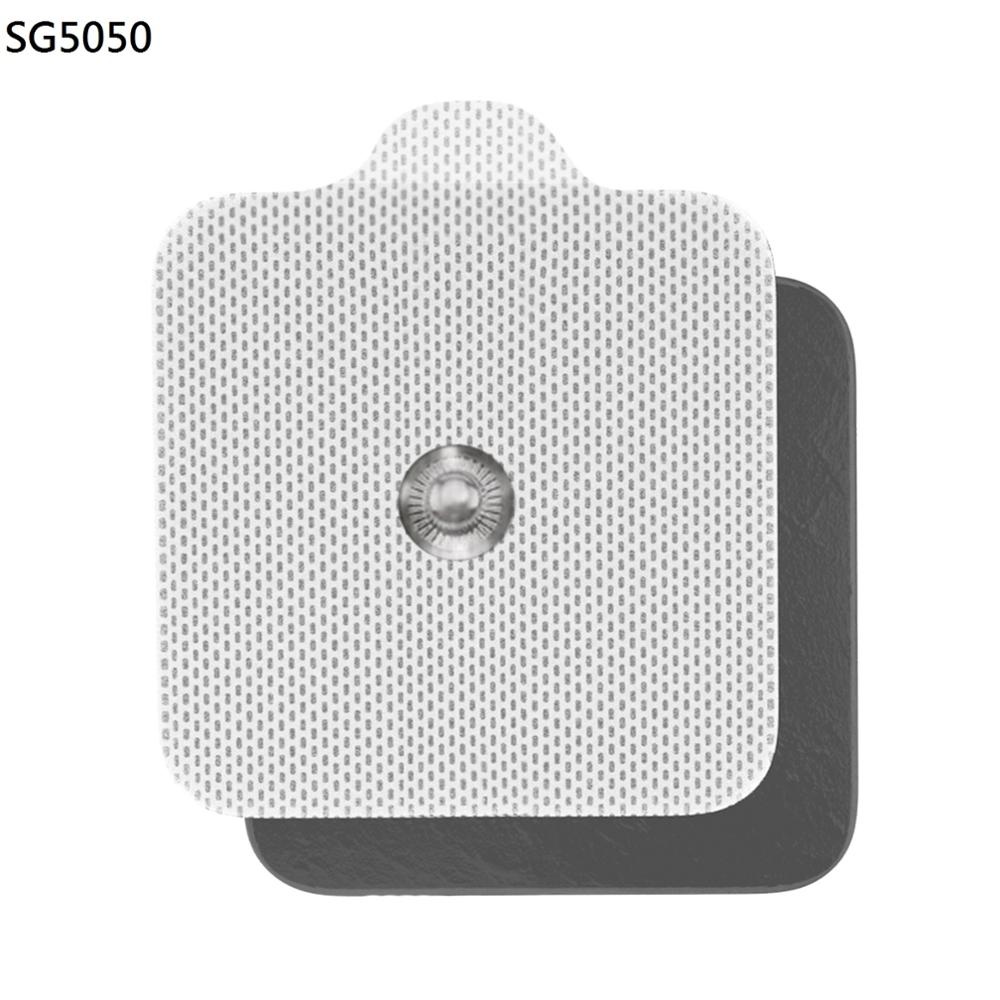
- Biocompatible Japanese Hydrogel
- High-Conductivity Carbon Mesh
- Universal 3.5mm Snap Connector
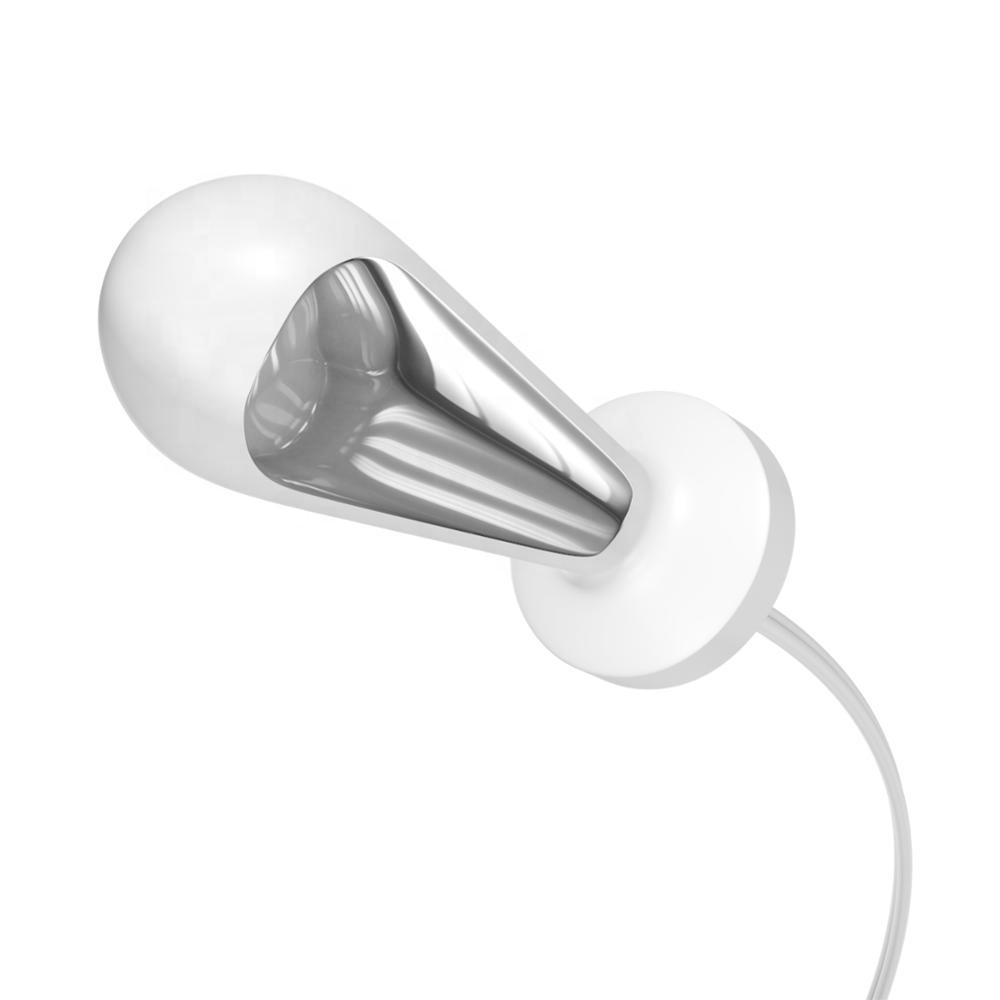
- Medical Stainless Steel Electrodes
- Pelvic Floor Continence Protocol
- Smooth Ergonomic Shaft Design
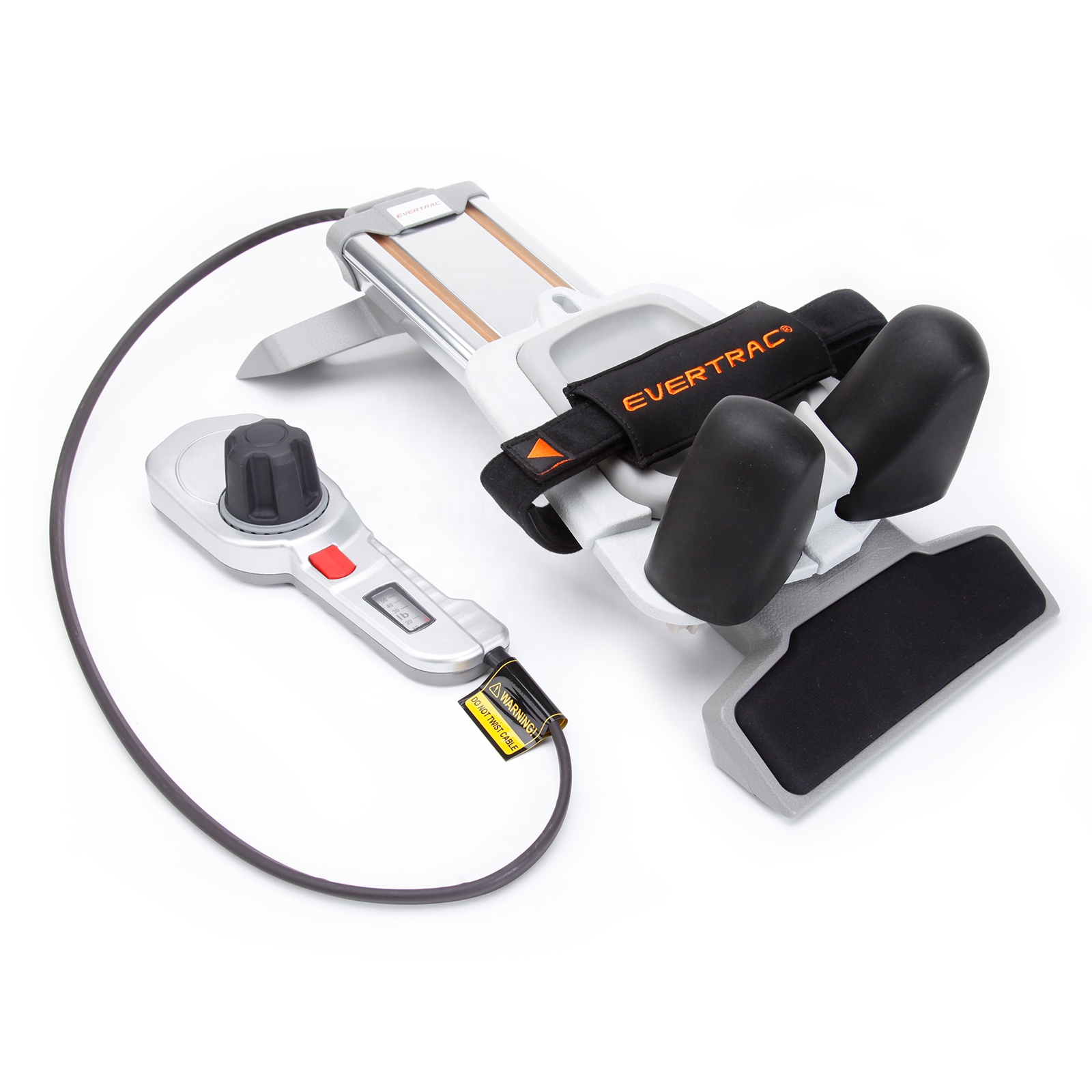
- Adjustable Mechanical Traction
- Clinic & Home-Care Compatible
- Taiwan Precision Engineering
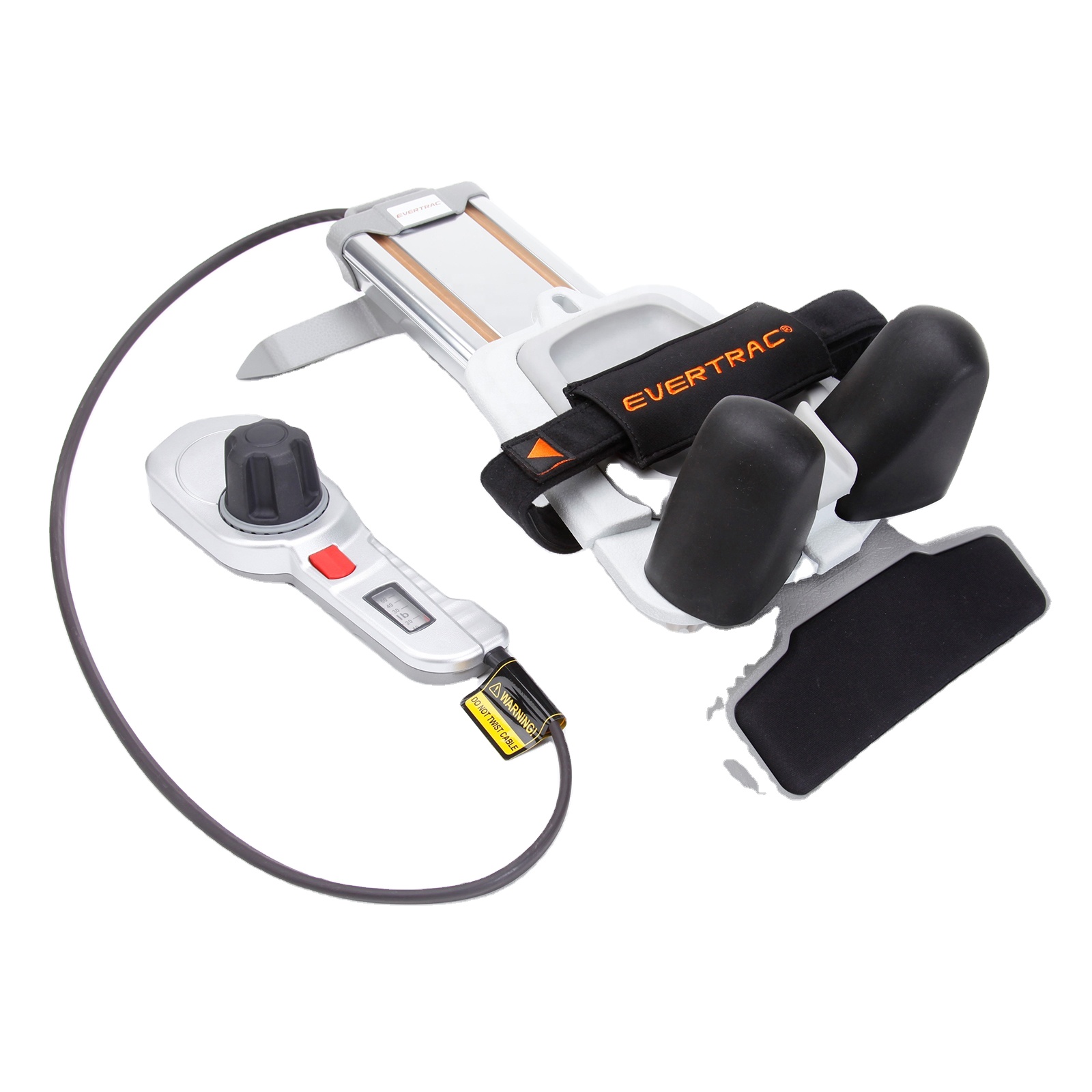
- Lightweight Portable Frame
- Precise Force Calibration
- Targeted Spinal Decompression
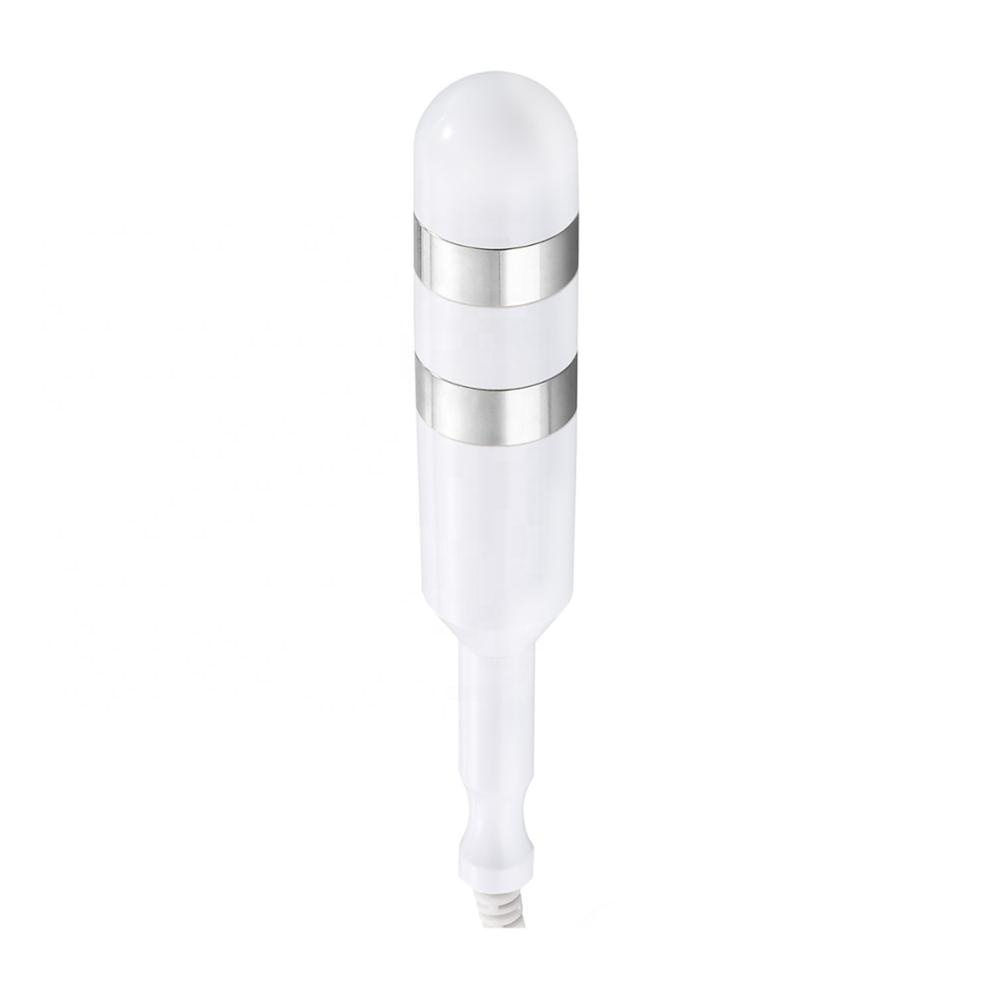
- Class II Certified Medical Device
- Biofeedback & EMS Compatible
- Integrated Cable Strain Relief
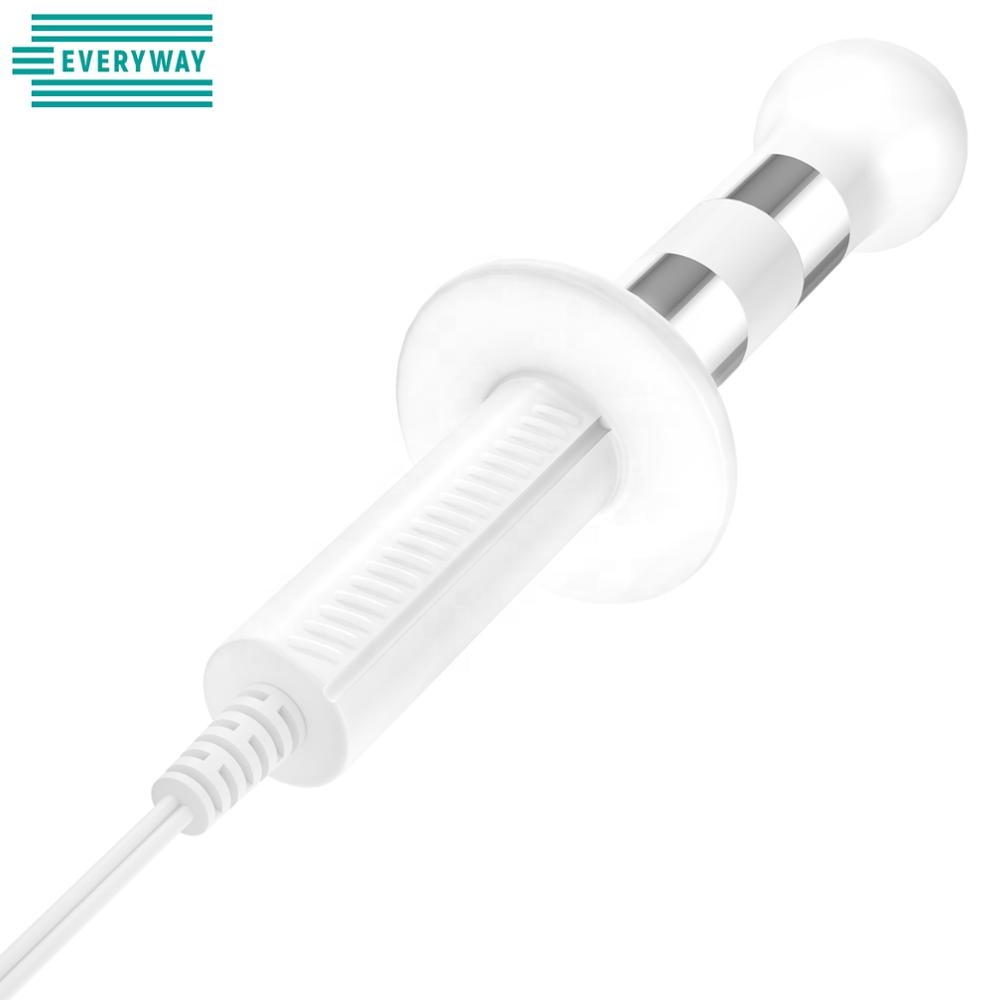
- Surgical-Grade Stainless Steel
- Dual Ring Contact Surface
- Pelvic & Sphincter Rehab Protocol
Benchmarking the Top 10 EMS Machine Exporters & Wholesalers
To assist medical equipment distributors, clinical procurement agencies, and direct-to-consumer brand owners, our technical team evaluated global exporters based on five core criteria: Quality Management Certification (ISO 13485), Circuit Board Calibration Accuracy, Electrode Hydrogel Conductive Stability, OEM/ODM Flexibility, and Regulatory Filing Support.
| Manufacturer / Hub Category | Primary Production Region | Key Regulatory Filings | Electrode & Unit QA Capability | Ideal Procurement Scope |
|---|---|---|---|---|
| USHC Medical Instruments | Taiwan (Integrated Facility) | ISO 13485, CE Class IIa, FDA Listed, SGS Verified | 100% In-line Waveform Testing; 60k Pads/Day | Custom OEM/ODM, Brand Owners & Hospital Chains |
| European Rehabilitation Specialists | Germany / Northern Italy | CE MDR 2017/745, ISO 13485 | High-end Clinical Multi-Channel Systems | Specialized European Clinical Networks |
| North American Medical Assembly Hubs | USA / Mexico Border | FDA 510(k), Health Canada | Domestic Final Assembly & Packaging | Rapid North American Local Fulfillment |
| High-Volume Asia Electronics Hubs | Mainland China (Shenzhen/Ningbo) | ISO 13485, Basic CE (LVD/EMC) | Automated SMT Assembly Lines | Mass Retail & Consumer E-Commerce Brands |
| Specialized Biofeedback Innovators | Taiwan / South Korea | ISO 13485, CE, MFDS | Integrated EMG Sensors & Bluetooth Probes | Specialty Pelvic Floor & Sports Rehab Brands |
Key Differentiators of Top-Tier EMS Machine Exporters
When selecting a manufacturing partner among the top 10 global suppliers, professional buyers must look beyond catalog product photos. High-performance neuromuscular electrical stimulators rely on stable pulse amplitude (mA), controlled pulse width (μs), and precise frequency (Hz) outputs under varying skin impedance (typically tested across 500Ω to 2000Ω loads). Tier-1 manufacturers implement automated oscilloscope-based test fixtures for every single PCB assembly leaving the SMT line.
Future Procurement Trends in EMS & Electrotherapy Devices
As the medical device ecosystem moves toward patient-centric care and remote therapeutic monitoring (RTM), wholesale procurement strategies must adapt. Sourcing teams are increasingly prioritizing electrotherapy platforms that incorporate the following macro trends:
Biocompatible & Eco-Friendly Hydrogels
Traditional single-use electrode pads generate significant plastic and chemical waste. Future-proof wholesale orders specify non-cytotoxic, hypoallergenic Japanese water-based hydrogels capable of maintaining tackiness and uniform current density over 30 to 50 re-application cycles without skin irritation.
Smart Wireless & App-Connected Telemetry
Modern clinical buyers are shifting away from wired handheld units toward Bluetooth Low Energy (BLE) micro-modules. Integrated mobile applications allow physical therapists to prescribe custom treatment protocols and monitor compliance remotely.
Hybrid TENS/EMS/Microcurrent Modalities
Rather than stocking single-function devices, wholesalers prefer multi-modality combo units (TENS + EMS + IF + Microcurrent). Combining pain management, muscle re-education, and tissue repair in a single device lowers inventory overhead while increasing unit value.
MDR-Ready Technical Documentation
With regulatory scrutiny intensifying in Europe and North America, buyers now require complete technical files (including IEC 60601-1 electrical safety, IEC 60601-1-2 EMC, and ISO 10993 biocompatibility) as part of the standard procurement package.
Technological Innovations Driving the Next Generation of EMS Devices
Engineering advancements in microcontroller units (MCUs) and conductive polymer materials have completely redefined electro-stimulation performance. B2B buyers evaluating factory technical specs should monitor four key engineering innovations:
1. Constant Current vs. Constant Voltage Circuitry
Legacy budget stimulators rely on constant voltage outputs. However, as human skin impedance fluctuates due to sweat, moisture, or gel breakdown, constant voltage leads to uncomfortable current spikes or diminished therapeutic efficacy. Advanced OEM manufacturers utilize Constant Current (CC) control circuits that automatically adjust voltage in real time to deliver exact micro-coulomb charge levels per pulse, ensuring patient safety and uniform muscle recruitment.
2. Asymmetrical Balanced Biphasic Waveforms
Symmetrical waveforms are suitable for large muscle groups, but localized physical therapy—such as pelvic floor re-education or facial rehabilitation—requires precise asymmetrical balanced biphasic pulses. This waveform minimizes net DC charge accumulation under the skin, eliminating chemical burns while providing targeted neural stimulation.
3. Conductive Garment Integration (Silver Thread Textiles)
The convergence of electrotherapy and smart textiles has created a rapidly growing market for conductive gloves, socks, knee sleeves, and full-body EMS suits. By weaving high-purity silver fibers directly into breathable elastane fabrics, these garments eliminate the need for localized adhesive pads, delivering uniform electrical field distribution across complex anatomical contours.
Why USHC Medical Instruments is the Preferred OEM/ODM Partner
Established in 1989 in Taiwan, USHC Medical Instruments Co., Ltd. has built a 35-year legacy of precision electrotherapy manufacturing. Operating under a comprehensive ISO 13485 Quality Management System, our facility serves leading medical device brands, hospital procurement networks, and rehabilitation chains across 70+ countries.
35+ Years of Industry Experience
Decades of specialized engineering knowledge in electro-medical device design, PCB layout optimization, and firmware customization for precise clinical protocols.
SGS Verified & ISO 13485 Certified
Our production facilities undergo independent third-party audits by SGS. All products comply with stringent CE marking, Class II medical guidelines, and FDA establishment listings.
Integrated High-Volume Production
Our automated electrode pad conversion lines produce over 60,000 hydrogel patches daily, backed by dedicated SMT PCB assembly and cleanroom packaging facilities.
End-to-End Turnkey OEM/ODM
From industrial enclosure design and custom firmware algorithm development to private label packaging and export documentation clearance, we provide complete lifecycle management.
Frequently Asked Sourcing Questions (B2B FAQ)
Direct answers from our Senior Electrotherapy Engineering Team to common procurement and technical queries.
Launch Your Custom EMS Machine & Electrotherapy Line
Partner with a 35-year verified Taiwan manufacturer. Connect directly with our engineering sales team to request product samples, custom OEM quotes, or technical compliance files.