Featured Clinical Electrotherapy Equipment & Consumables
Explore ISO 13485 certified physical therapy hardware, digital stimulators, and high-conductivity electrode supplies engineered for global clinical distribution.
Executive Summary: Navigating the Global Electrotherapy Equipment Supply Chain
The global electrotherapy device market is experiencing an unprecedented structural shift driven by non-invasive chronic pain management protocols, aging demographics, and post-surgical athletic rehabilitation demand. As professional clinical chains, OTC healthcare brands, and medical distributors evaluate top electrotherapy equipment suppliers, sourcing decisions have evolved far beyond unit cost considerations. Supply chain security, bio-compatibility certifications (ISO 10993), electrical safety compliance (IEC 60601-1-2), and OEM engineering versatility now form the bedrock of competitive procurement.
Selecting a high-tier wholesale manufacturer requires analyzing vertical integration capabilities—from PCB firmware design to automated hydrogel coating. A premium manufacturer must maintain rigorous quality management frameworks capable of satisfying stringently updated international regulatory standards, including the European Union Medical Device Regulation (EU MDR 2017/745) and US FDA 510(k) cleared pathways. This white-paper guide presents an exhaustive procurement matrix for procurement directors, product managers, and medical equipment distributors looking to partner with world-class electrotherapy OEMs.
Future Trends in Electrotherapy Technology & Sourcing (2025–2030)
Emerging technological breakthroughs reshaping physical therapy devices, pelvic health stimulators, and high-frequency electrotherapy consumables.
1. Multi-Modality Signal Integration
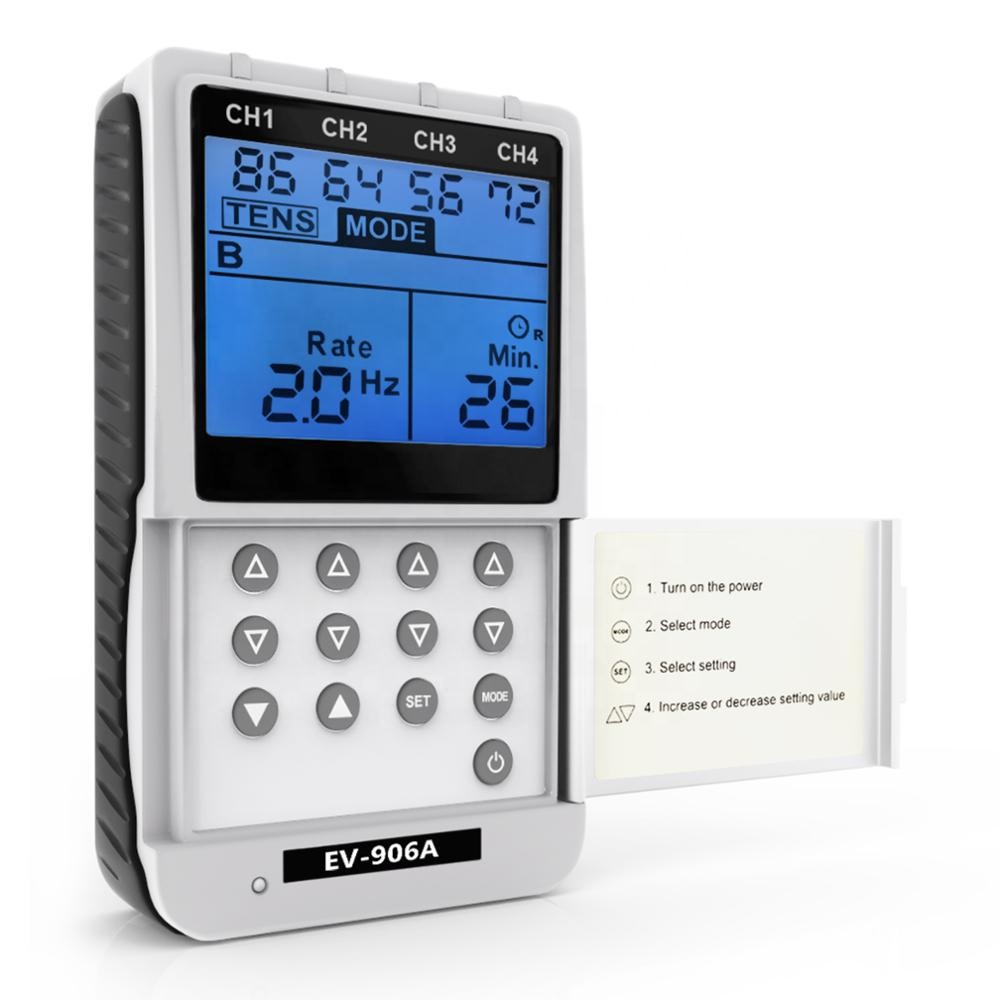
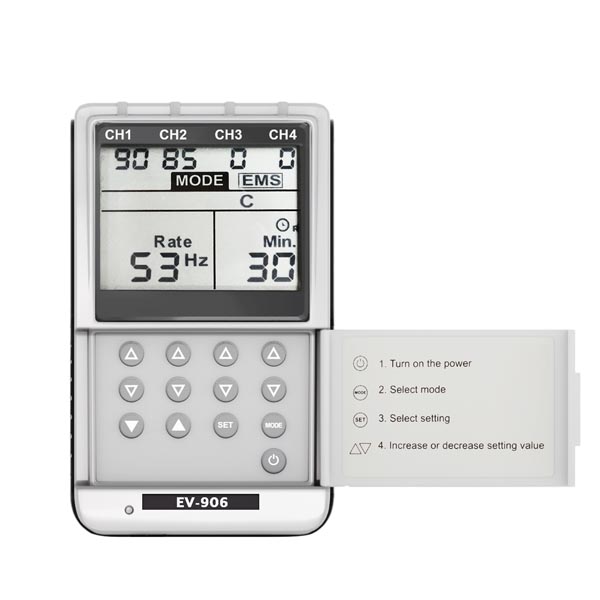
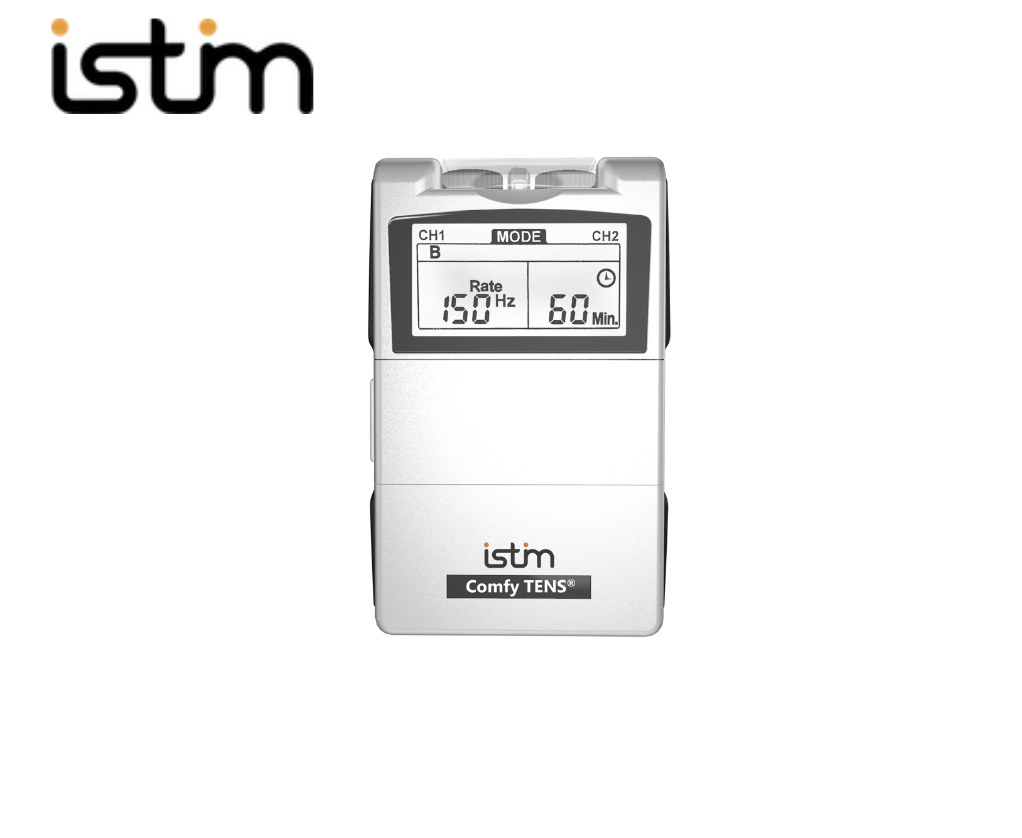
Modern clinical buyers are shifting away from single-function devices toward unified platforms combining TENS (Transcutaneous Electrical Nerve Stimulation), EMS (Electrical Muscle Stimulation), Microcurrent, and Interferential Current (IFC). Modern PCB design allows microcontrollers to adjust pulse widths (50μs–400μs) and frequencies (1Hz–150Hz) dynamically without signal degradation.
2. Biocompatible & Low-Impedance Hydrogels
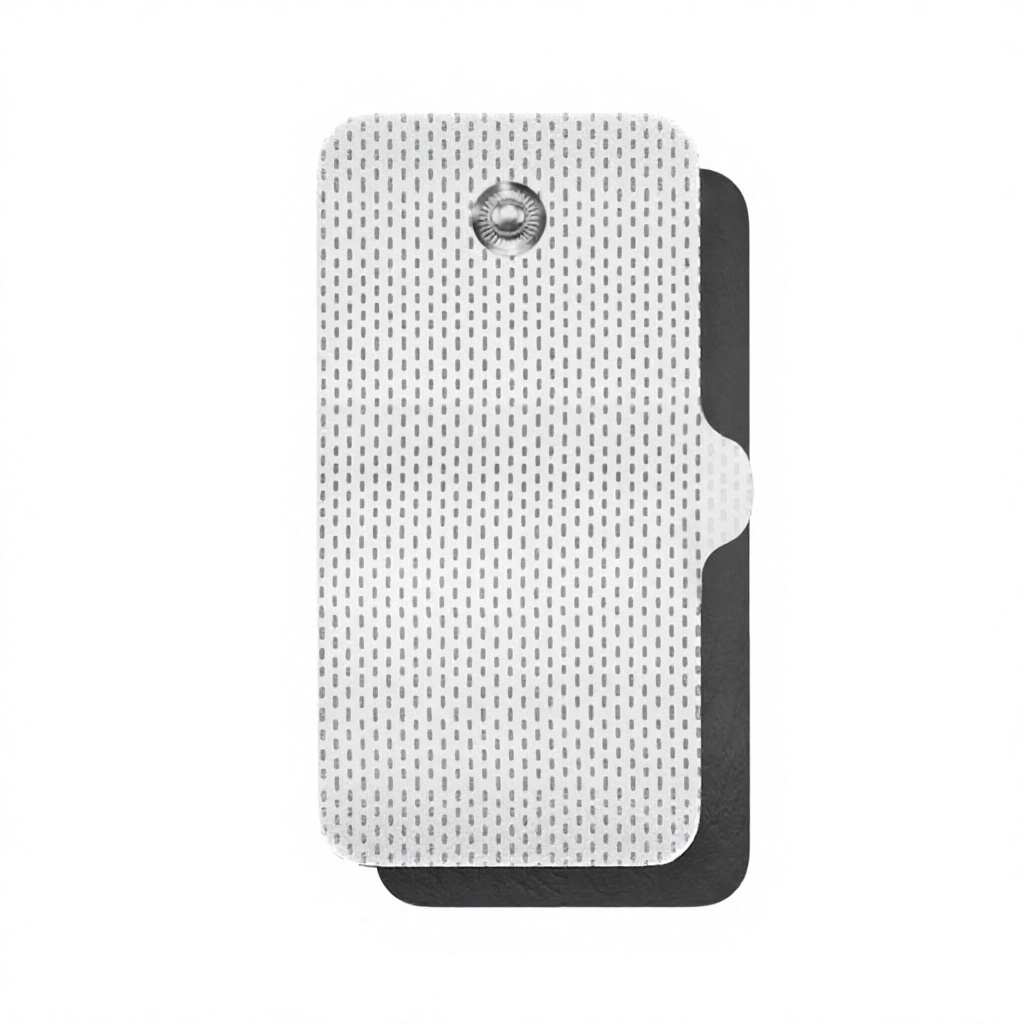
Electrode longevity depends on hydrogel formulation. Next-generation reusable non-woven TENS pads utilize conductive carbon film technology and Japanese polymer gels, ensuring stable electrical dispersion, minimal skin impedance, and resistance to drying over 30+ application cycles.
3. Specialized Pelvic Health & Biofeedback
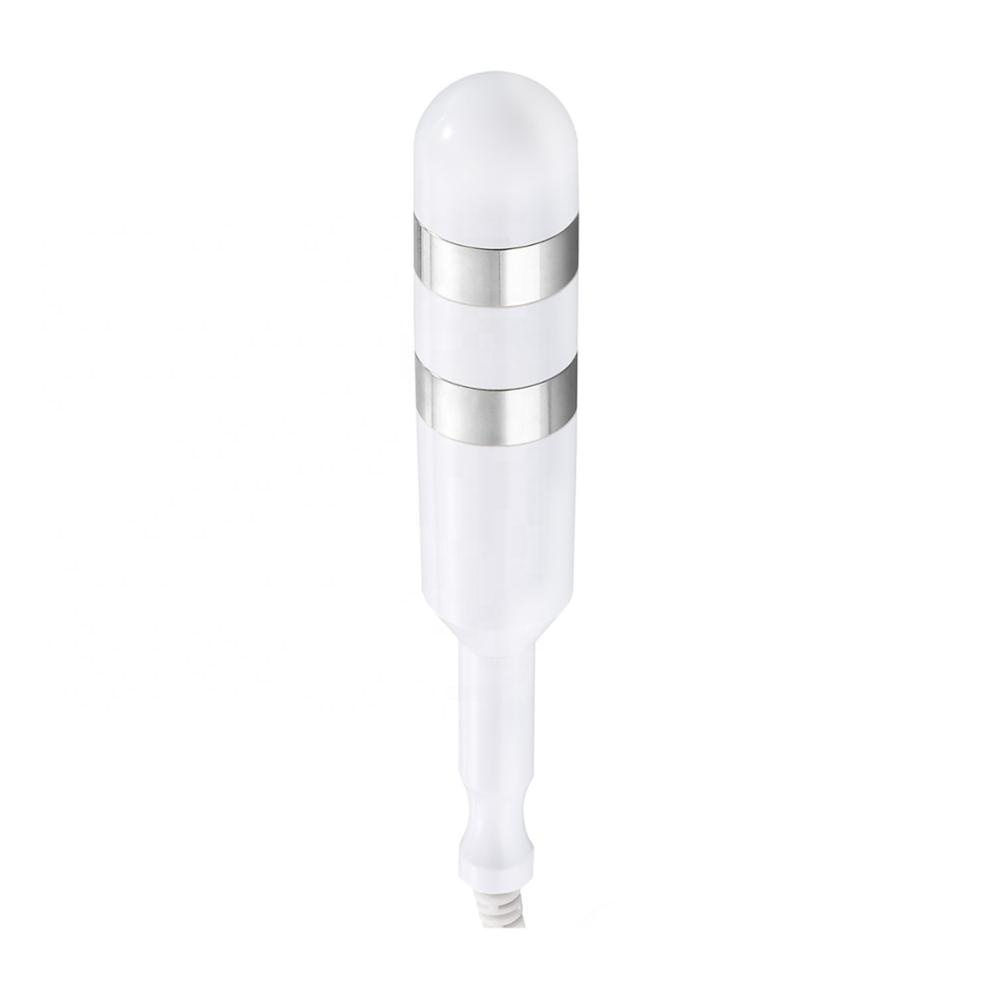
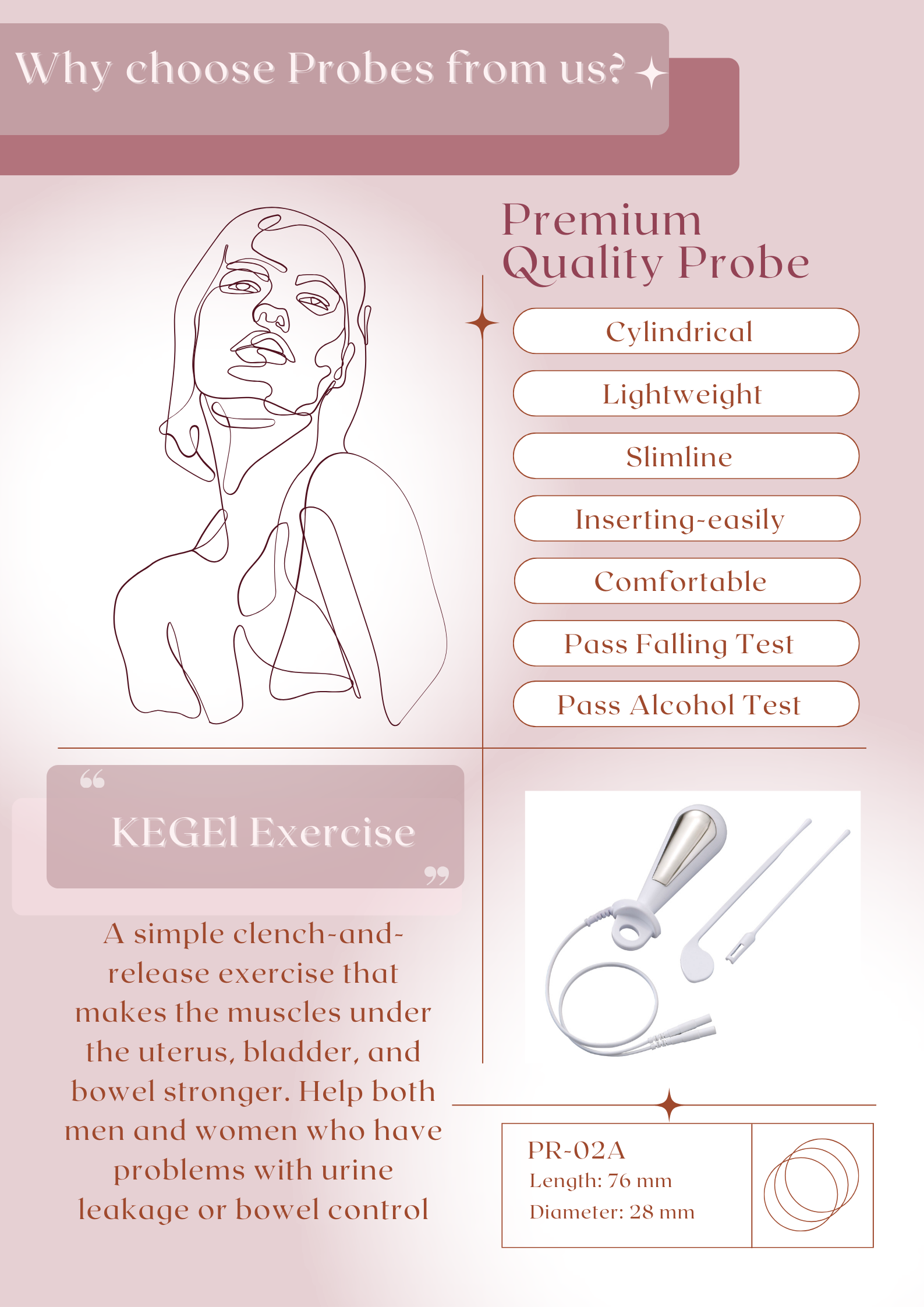
Incontinence management and pelvic floor rehab are rapidly growing segments. Devices featuring high-precision intracavity probes (such as Class II medical-grade vaginal and rectal probes) offer fine digital intensity controls (0-80mA across 99 steps) to deliver precise muscle retraining.
4. Ergonomic Mechanical & Traction Systems
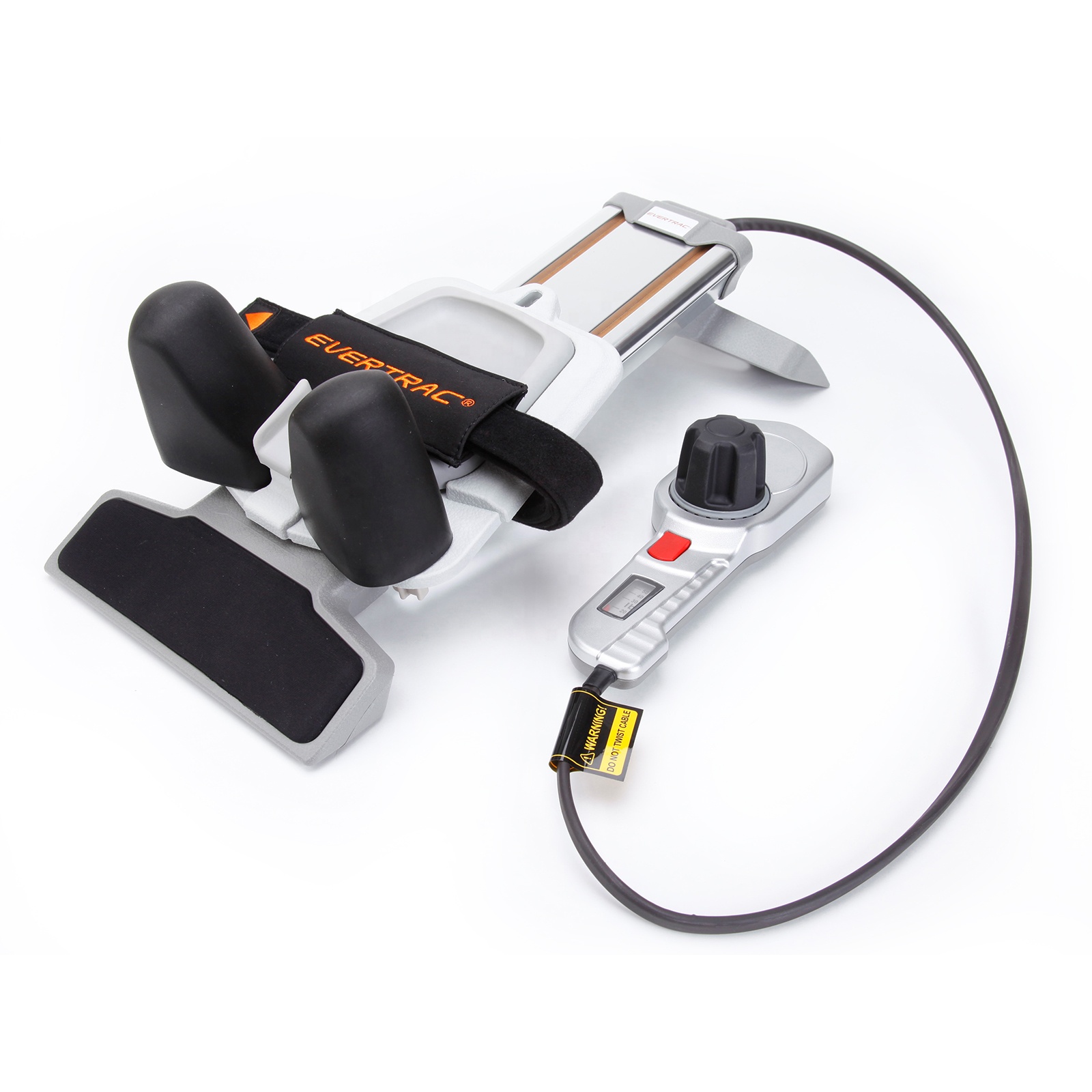
Spinal decompression tables and cervical traction devices (like the CT-800 unit) now integrate calibrated tension controls and high-tensile safety harnesses, satisfying strict ergonomic requirements in physical therapy clinics worldwide.
5. Digital-Analog Hybrid Form Factors
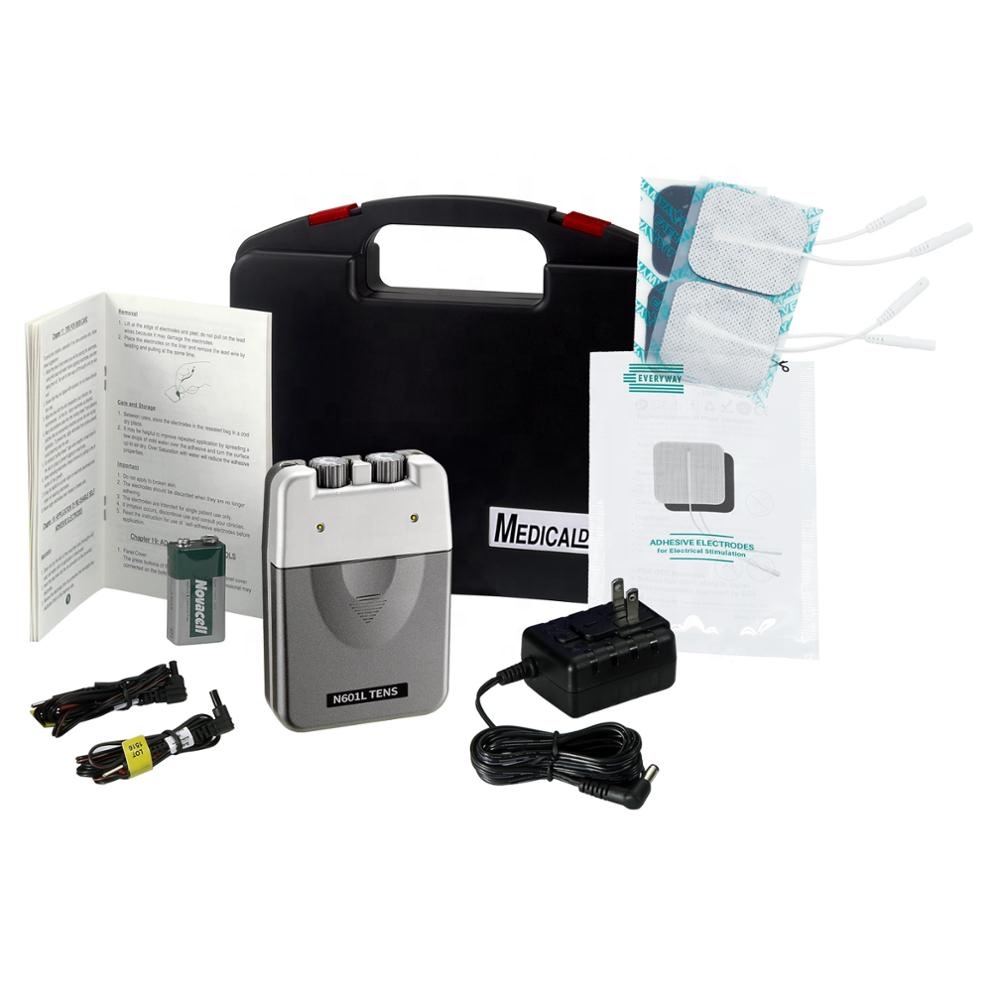
While digital touchscreens dominate clinical units, tactile analog dials remain vital for home health, eldercare, and quick clinical setups where instant manual intensity adjustment is required during ongoing treatments.
Key Selection Criteria for Wholesale Electrotherapy Buyers
When shortlisting high-volume suppliers and OEM partners for physical therapy and electrotherapy machinery, procurement directors must evaluate manufacturers against four key pillars:
1. Manufacturing Integrity & Quality Management Systems (ISO 13485)
Medical electrotherapy production requires cleanroom assembly environment controls, strict ESD (Electrostatic Discharge) prevention protocols, and 100% functional output testing. Partners must operate under fully certified ISO 13485 conditions, ensuring traceabilities from sub-assembly IC component lots to finished retail packaging.
2. Biocompatibility & Material Safety Compliance
Electrode pads, conductive garments, and intracavity probes make direct contact with skin or mucous membranes. Standard non-woven hydrogel electrodes must undergo strict testing for cytotoxicity, intracutaneous reactivity, and skin sensitization under ISO 10993 standards. Sourcing unverified electrodes risks severe dermatitis for end users and regulatory recalls for distributors.
3. Supply Chain Scalability & Daily Output Capacity
A reliable supplier must demonstrate sufficient capacity to support unexpected demand surges. Facilities producing over 60,000 electrode pad pieces per day provide scale efficiencies, reduced component lead times, and stable price structures for long-term contract supply agreements.
4. OEM/ODM Engineering Support & Regulatory Filing Assistance
Commercial importers often require tailored PCB programming, custom plastic enclosure molding, localized branding, custom blister packaging, and technical documentation support (including DHF and DMR compilation) to facilitate FDA 510(k) or EU MDR registrations.
35+ Years Taiwan Precision Engineering
Established in 1989, USHC Medical Instruments Co., Ltd. brings over three decades of electrotherapy manufacturing experience. Operating state-of-the-art facilities in Taiwan, USHC delivers high-reliability TENS, EMS, and pelvic floor devices engineered for long service life.
Independent SGS On-Site Verification
To ensure absolute transparency for international buyers, USHC facilities undergo rigorous independent on-site audits by SGS. Our complete device lines maintain certified compliance, providing smooth customs clearance and regulatory entry into over 70 target countries.
Integrated OEM/ODM Production Lines
From initial circuit design and firmware coding to custom hydrogel formulations and private-label box packaging, USHC provides turnkey OEM/ODM solutions tailored to your target market's regulatory and commercial requirements.
Frequently Asked Questions (FAQ) for Global Importers
Clear, authoritative answers regarding manufacturing processes, minimum order quantities, regulatory documentation, and custom OEM capabilities.
Partner with a Leading Electrotherapy Equipment OEM Manufacturer
Expand your distribution product line with ISO 13485 certified TENS/EMS units, traction systems, and high-performance hydrogel electrodes built to medical-grade standards.
Contact Us