Industry Whitepaper: The Engineering & Regulatory Matrix of OEM/ODM Pain Relief Electrotherapy Devices
The non-invasive electrotherapy market is undergoing a rapid evolution. Driven by the shift toward non-pharmacological pain management, digital biofeedback integration, and over-the-counter (OTC) personal recovery devices, global buyers—ranging from medical equipment distributors to retail pharmacy chains—must navigate increasingly strict regulatory requirements, biophysical performance criteria, and hardware-software integration challenges.
As an established Taiwan-based original equipment manufacturer (OEM) and original design manufacturer (ODM) with over 35 years of dedicated R&D in physical therapy instrumentation, USHC Medical Instruments Co., Ltd. (Everyway Medical Taiwan) provides this technical whitepaper to guide B2B procurement teams, medical brand directors, and healthcare supply chains through the core engineering principles, material science, and global market trends shaping pain relief machines today.
Key Procurement Insight: Sourcing Class II medical electrotherapy devices requires verifying complete technical files (STED), ISO 13485 quality management systems, FDA 510(k) clearances, and EU MDR compliance to eliminate regulatory hold-ups at customs and shield brand equity.
1. Biophysical Mechanisms of Pain Relief Technology (TENS vs. EMS vs. IF)
Pain relief machines rely on precise neuro-stimulation and muscle-stimulation micro-currents. Understanding the physical parameters behind these therapeutic modalities is critical when defining custom OEM firmware specifications:
- Transcutaneous Electrical Nerve Stimulation (TENS): TENS units deliver controlled electrical pulses across the skin to activate peripheral sensory nerve fibers. Operating under two primary neuro-physiological principles—the Gate Control Theory of Pain (high frequency: 80Hz–120Hz) which blocks pain signals at the spinal cord presynaptic level, and Endorphin Release Mechanism (low frequency: 1Hz–5Hz) which triggers central opioid peptide secretion—TENS remains the benchmark for symptomatic relief of chronic intractable pain, post-surgical pain, and acute post-traumatic pain.
- Electrical Muscle Stimulation (EMS): Unlike TENS which targets sensory nerves, EMS directly targets motor nerves to induce involuntary skeletal muscle contractions. OEM specifications for EMS units require controllable pulse rise times (ramp-up), sustained contraction periods (on-time), ramp-down rates, and rest intervals (off-time) to prevent focal muscle fatigue while rebuilding atrophied muscle groups, promoting local micro-vascular circulation, and enhancing athletic recovery.
- Interferential Current (IF) & Microcurrent (MET): Advanced digital pain relief machines integrate medium-frequency interferential currents (typically 4000Hz modulated with low-frequency beat envelopes) to penetrate deeper into muscular and joint tissue structures with minimal cutaneous skin resistance, offering superior relief for deep-seated lumbo-sacral and cervical pain conditions.
2. Component Science: Hydrogel Electrodes & Intracavity Probes Metallurgy
The therapeutic efficacy of any electrotherapy unit depends heavily on the interface between the device output leads and human skin tissue. Inferior consumables introduce uneven current density, hotspots, skin irritation, and premature gel degradation.
| Component Type | Material & Metallurgy Standard | Electrical & Biological Performance | Key B2B Quality Metric |
|---|---|---|---|
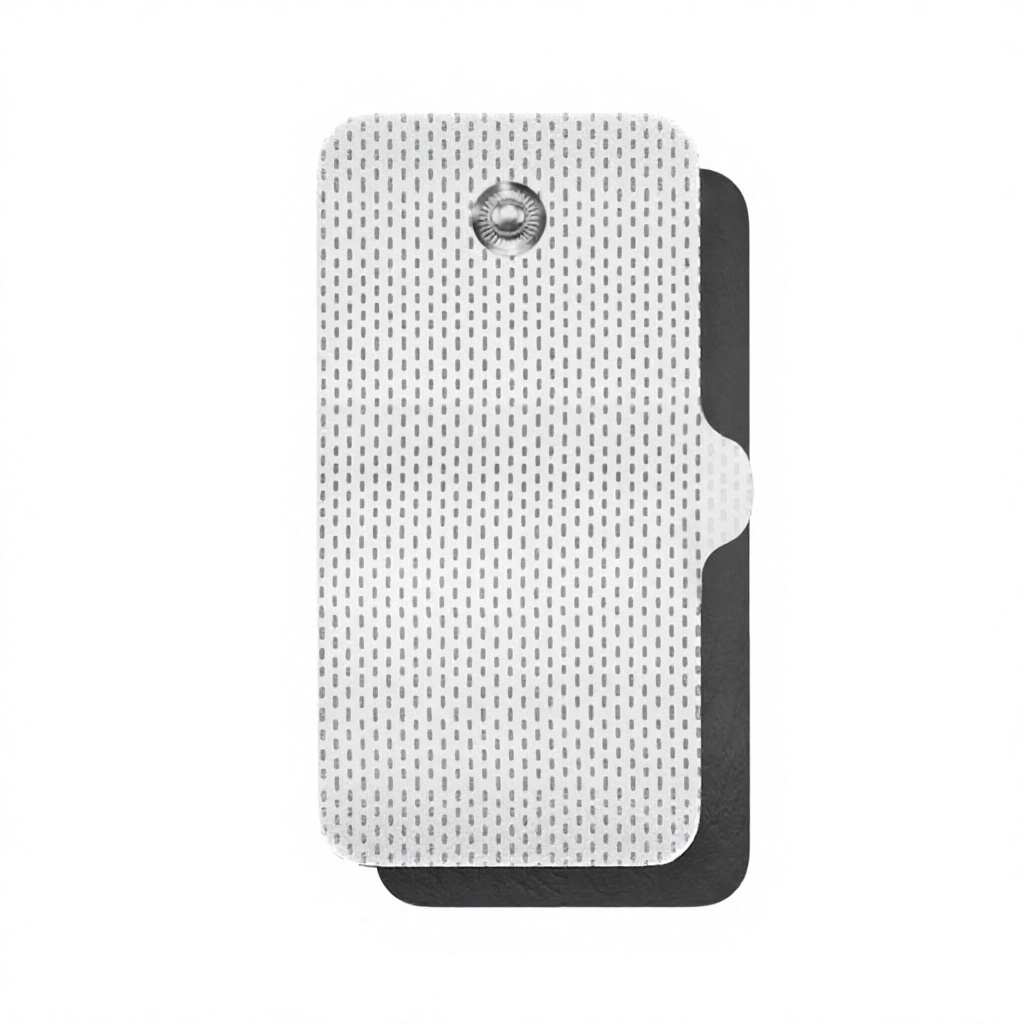
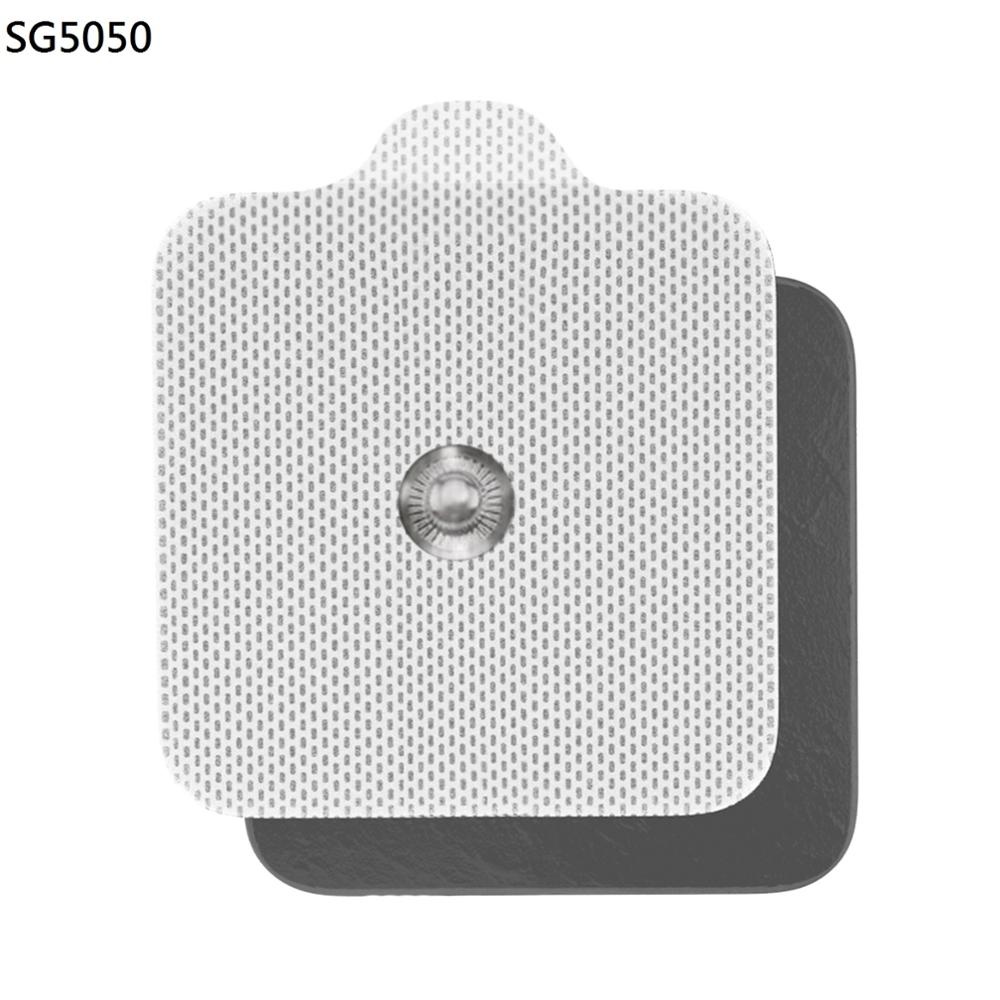
| Hydrogel Pads (2mm Pin / 3.5mm Snap) | Non-woven fabric/Foam backing, Silver/Silver Chloride (Ag/AgCl) conductive print layer, Biocompatible polymer hydrogel. | Low contact impedance (<100 Ω), uniform current dispersal, hypoallergenic formulation adhering to ISO 10993-5/10 testing. | Maintains consistent adhesiveness and electrical conductivity over 30 to 50 application/reuse cycles. |
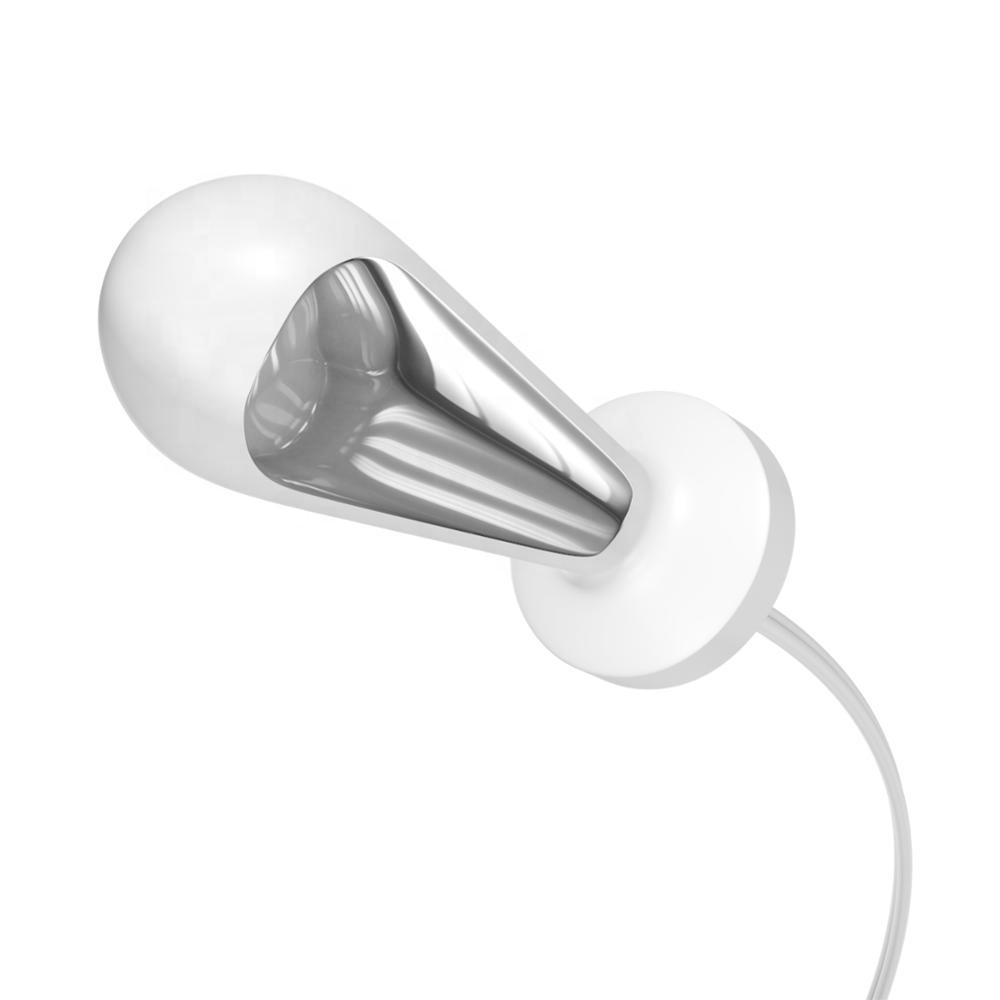
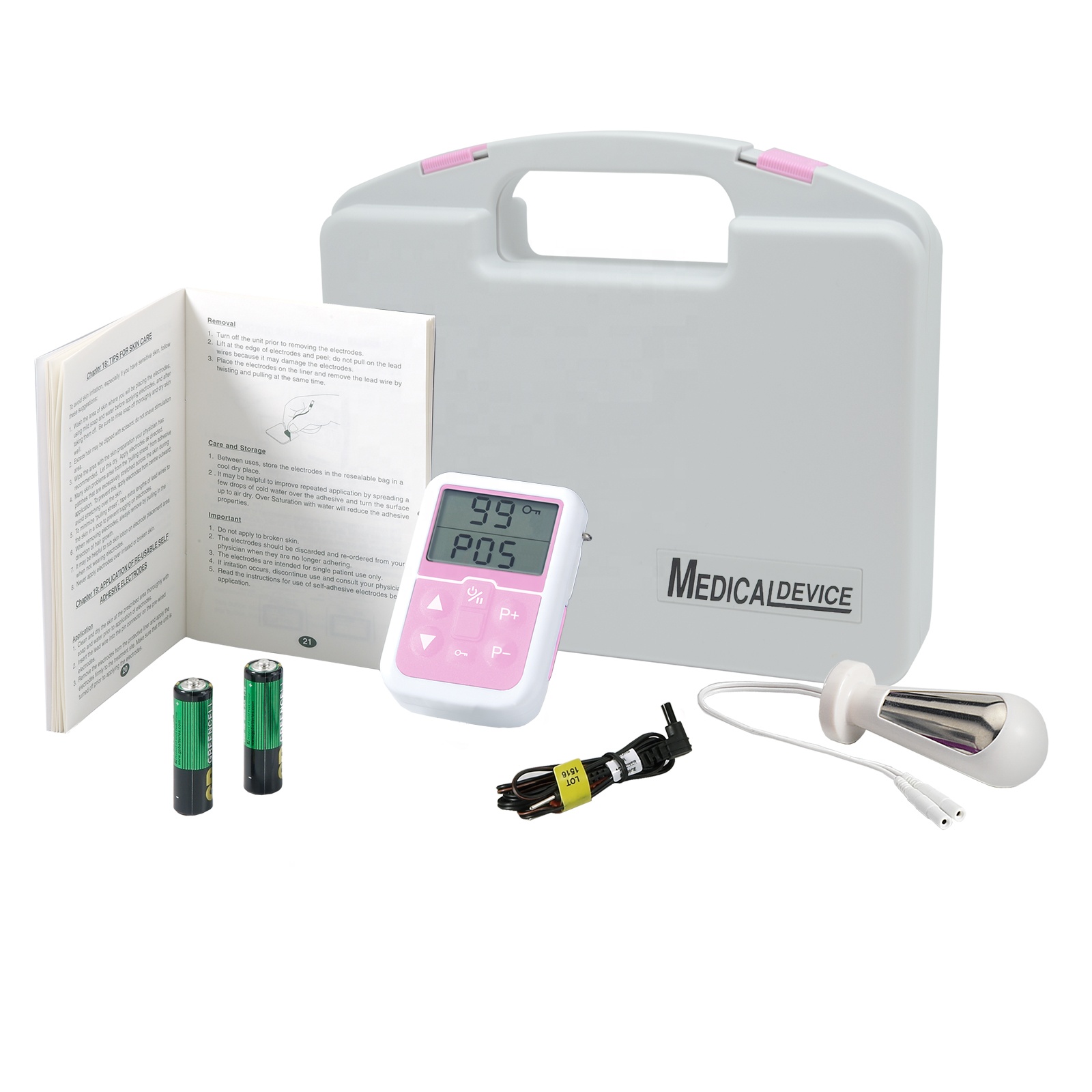
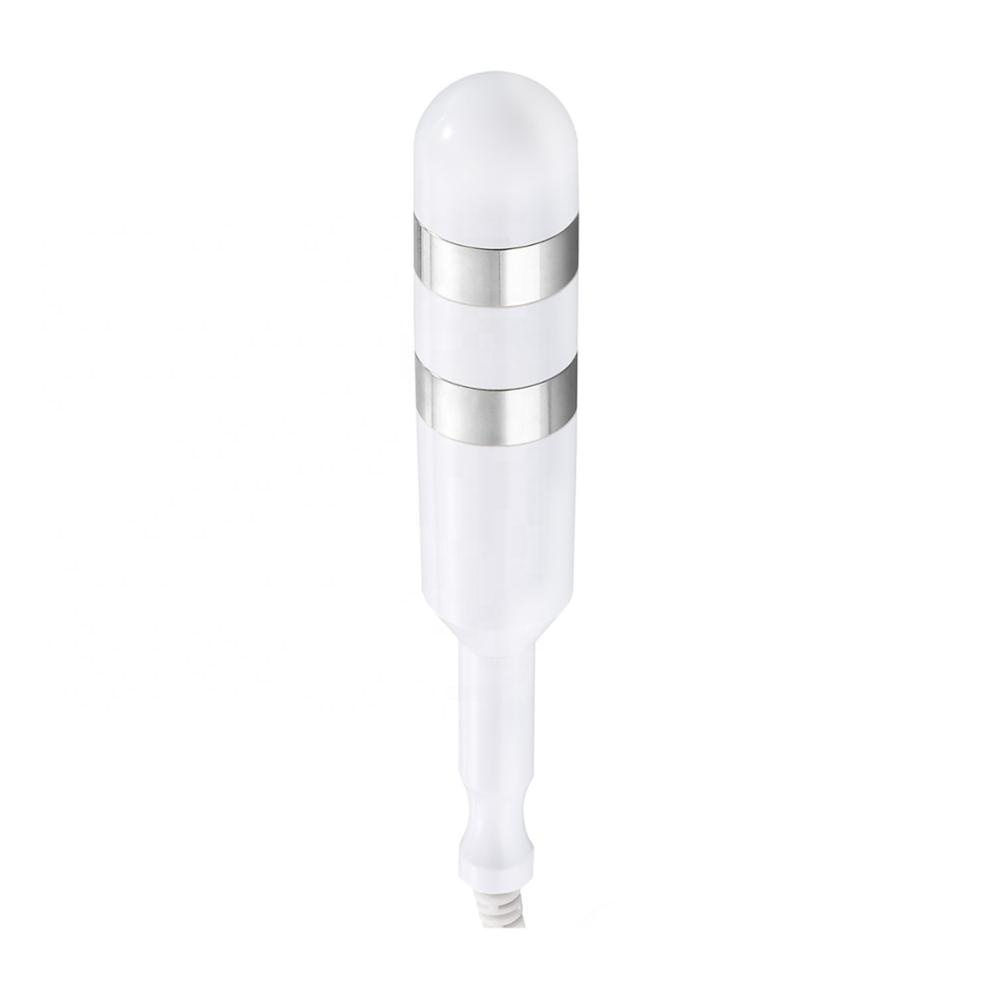
| Vaginal & Rectal Probes (PR-02A / PR-03A) | Medical-grade ABS structural housing with 316L stainless steel longitudinal/radial electrode ring inserts. | Optimal tissue surface contact area for low-voltage pelvic floor muscle depolarization and biofeedback response. | 100% waterproof sealing, non-toxic, latex-free construction certified under Class II medical standards. |
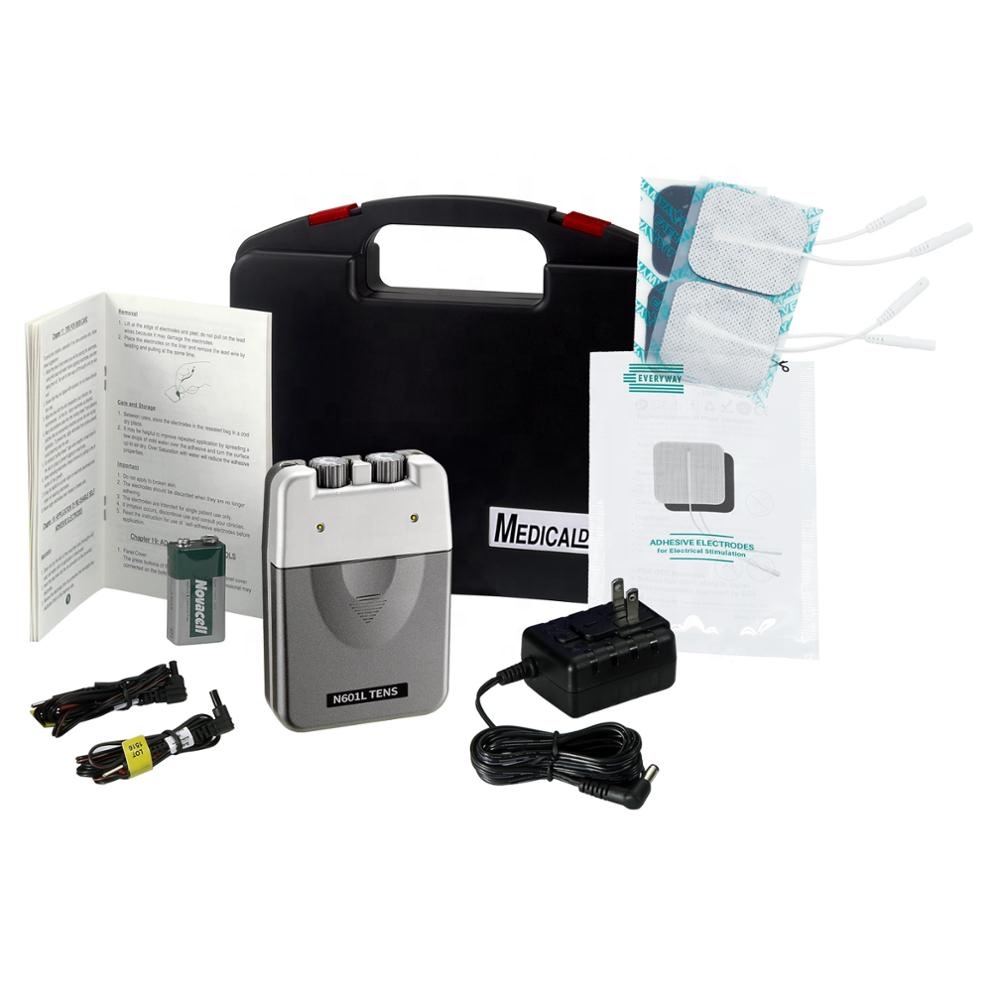
| Analog Dial Controllers (N601L Series) | Precision rotary potentiometers with mechanical click-stop detents housed in high-impact ABS enclosures. | Tactile, linear amplitude tuning allowing granular adjustment (0 to 80mA into 500 Ω load) without abrupt intensity jumps. | High mechanical lifespan (>50,000 rotary cycles), favored by geriatric patients and clinical physical therapy environments. |
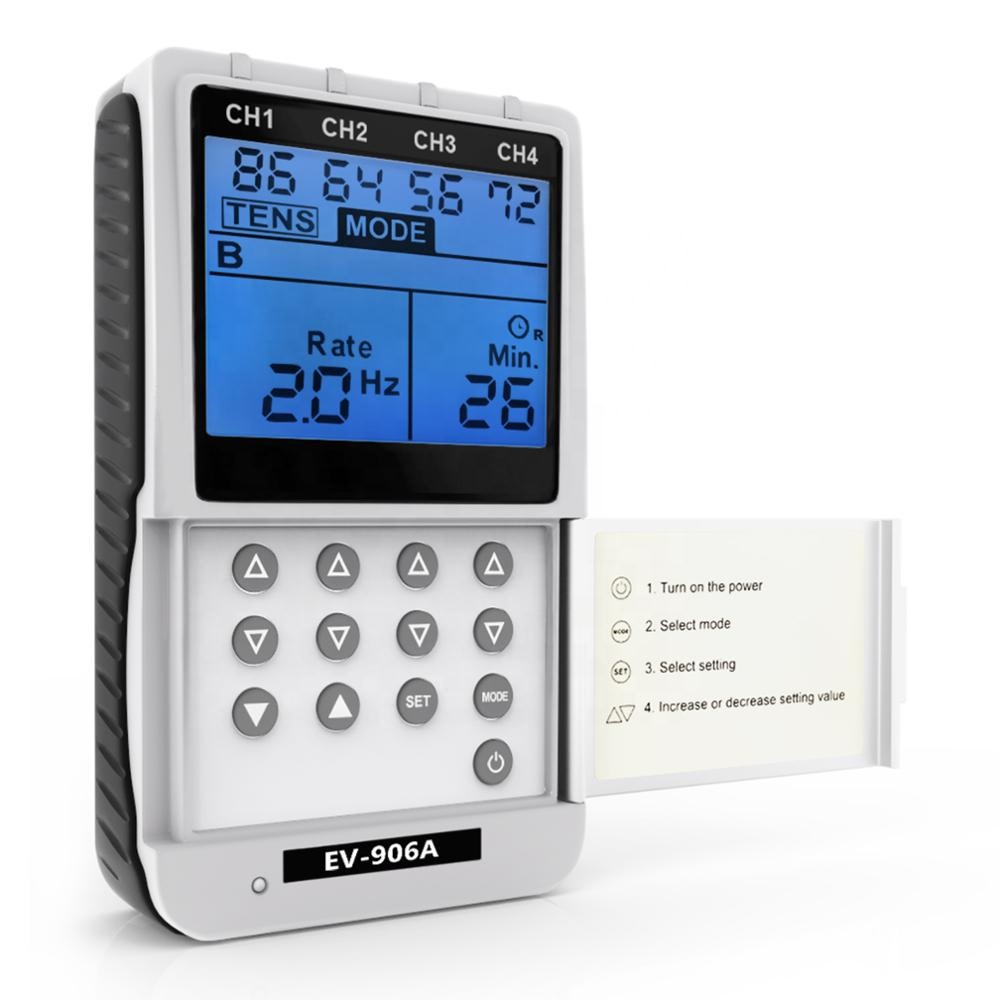
| Multi-Channel Digital Units (EV-906A) | ARM-based micro-controller, backlit custom LCD panel, dual/quad isolated output transformer circuits. | Multi-waveform generation (Asymmetrical Bi-phasic, Symmetrical, Burst, Modulation) with independent channel intensity tuning. | Integrated compliance timers, battery charge protection circuits, and zero-start safety fail-safes. |
3. Future Sourcing Trends: 2025–2030 Market Requirements
B2B buyers and brand owners sourcing pain relief equipment must align their OEM/ODM development roadmaps with upcoming industry shifts:
Shift to Smart Rechargeable Ecosystems: Legacy battery-operated units (9V or AAA) are rapidly being superseded by USB Type-C fast-charging lithium-ion battery modules. Modern buyers demand lightweight, ergonomic profiles capable of delivering 20+ hours of continuous therapy on a single charge while meeting strict UN38.3 transport security certifications.
Over-The-Counter (OTC) Cleared Products for E-Commerce Expansion: Online retail channels and direct-to-consumer (D2C) healthcare brands require pain relief machines with pre-programmed safety limits (e.g., maximum pulse width restrictions and automatic load detection) to achieve OTC 510(k) status in the United States and CE-MDR self-use clearance in Europe, eliminating the requirement for a physician's prescription.
Supply Chain Consolidation & Factory Transparency: Global buyers are reducing risk by decoupling from unverified trading companies and partnering directly with single-source custom manufacturers who own full-process manufacturing—from PCB assembly, plastic injection molding, and cleanroom hydrogel compounding to final packaging.
4. Full-Spectrum OEM/ODM Customization Capabilities
USHC Medical / Everyway Taiwan offers complete original engineering and manufacturing capabilities tailored to private label distributors:
- Industrial Design & Tooling: Custom housing mold engineering, ergonomic hand-grip shaping, button tactile customization, and rubberized protective side-grips.
- Firmware & Waveform Development: Custom program sequences, pulse width (50µs–400µs), frequency adjustments (1Hz–150Hz), custom ramp-up profiles, and localized LCD language menus.
- Brand Integration & Packaging: Private label silk-screen printing, customized foil-sealed pad pouches, instruction manual translation, and retail display box design.
- Regulatory Technical Dossier Support: Provision of full testing documentation (IEC 60601-1 electrical safety, IEC 60601-1-2 EMC compatibility, ISO 10993 biocompatibility) for seamless regional health authority registration.