Engineered Electrotherapy Systems & Accessories
Explore our certified range of low-frequency stimulators, traction systems, and specialized probes designed for worldwide clinical and home healthcare markets.
Technical Whitepaper: Low-Frequency Electrotherapy Mechanism & Engineering Standard
Low-frequency electrotherapy—spanning frequencies from 0.5 Hz to 1,000 Hz—represents a foundational modality in modern physical medicine, non-invasive analgesic care, neuromuscular re-education, and pelvic floor rehabilitation. As a dedicated OEM/ODM manufacturer headquartered in Taiwan with over three decades of clinical electrotherapy experience, USHC Medical Instruments Co., Ltd. designs and manufactures Class II medical devices operating on Transcutaneous Electrical Nerve Stimulation (TENS), Electrical Muscle Stimulation (EMS), Neuromuscular Electrical Stimulation (NMES), and Microcurrent Electrical Neuromuscular Stimulation (MENS) principles.
The bio-electrical mechanism of low-frequency stimulation relies on modulating cell membrane action potentials. By delivering controlled asymmetric or symmetric biphasic square waveforms, low-frequency stimulators selective activate specific nerve fibers based on pulse width and frequency configuration:
- A-Beta (Αβ) Fiber Activation (Gate Control Theory): High-frequency TENS parameters (80 Hz – 120 Hz with short pulse widths of 50 μs – 100 μs) stimulate large-diameter myelinated sensory fibers, presynaptically inhibiting nociceptive transmission at the dorsal horn of the spinal cord.
- Endorphin & Enkephalin Release (Humoral Mechanism): Low-frequency TENS parameters (1 Hz – 10 Hz with longer pulse widths of 150 μs – 300 μs) recruit A-Delta (Αδ) fibers, triggering endogenous opioid peptide release within the central nervous system for long-lasting analgesia.
- Neuromuscular Motor Unit Recruitment (EMS/NMES): Frequencies between 20 Hz and 80 Hz with higher current amplitudes induce motor neuron depolarization, resulting in repetitive muscle contractions that prevent disuse atrophy, promote localized blood circulation, and re-educate paretic musculature.
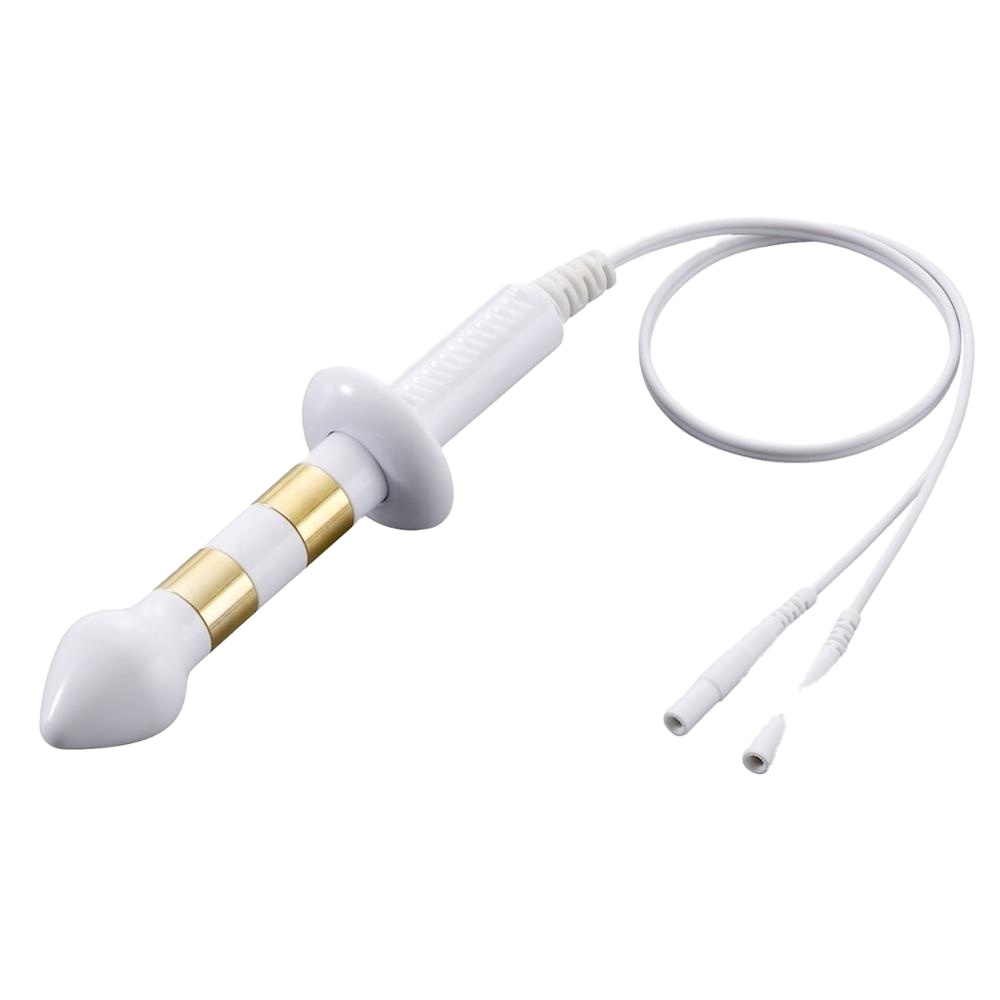
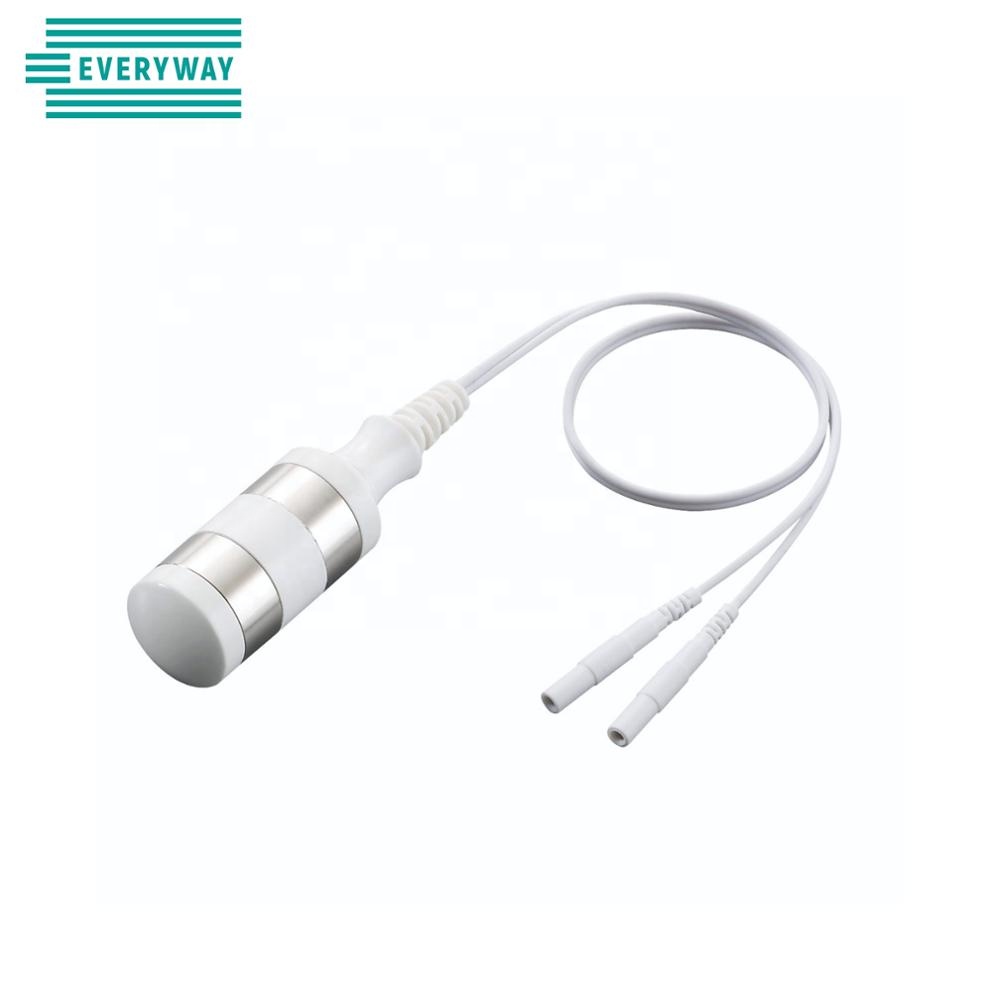
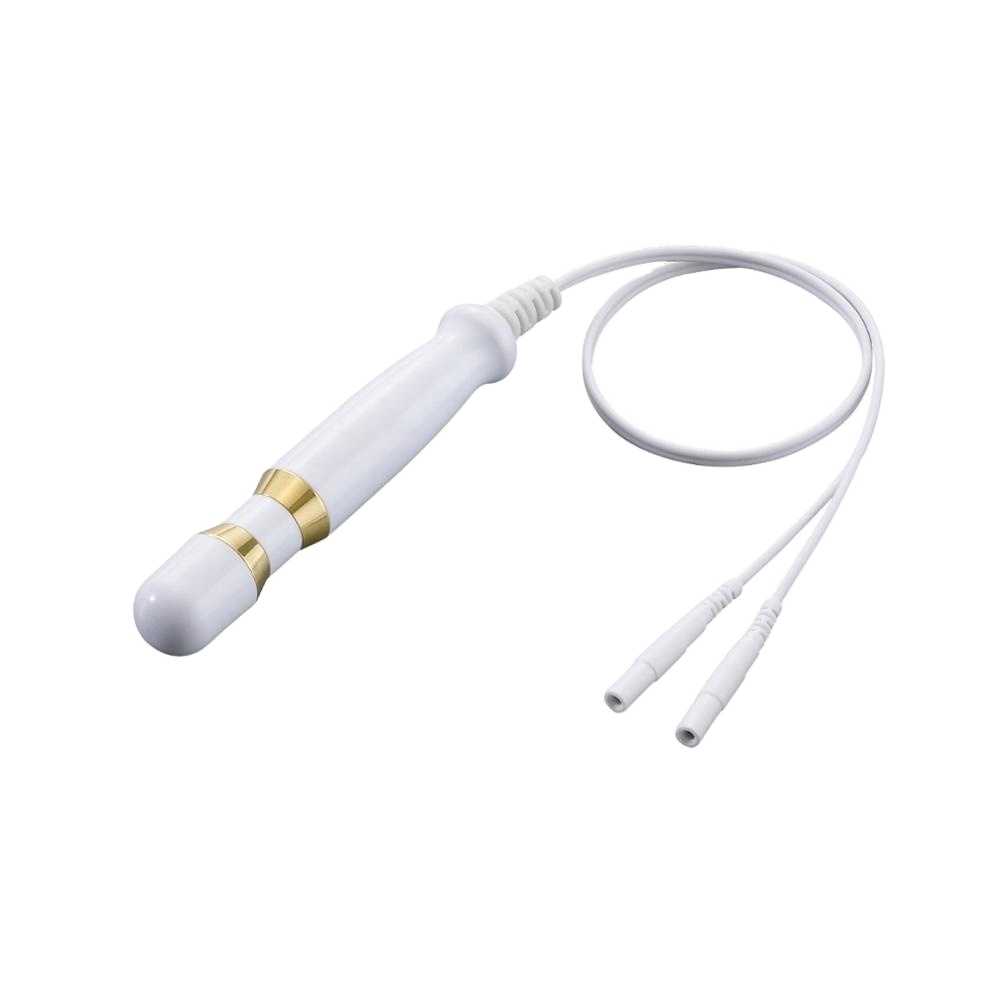
- Pelvic Floor Re-education & Biofeedback: Intracavity vaginal and rectal probes (such as the PR-13A+ and PR-14A series) deliver focused low-frequency pulses (10 Hz – 50 Hz) directly to the levator ani and pubococcygeus muscles, conditioning targeted smooth and skeletal muscle tissues to address stress, urge, and mixed incontinence.
From an engineering standpoint, maintaining absolute waveform integrity under varying cutaneous tissue impedance (typically ranging from 500 Ω to 2,000 Ω) requires constant-current output stage circuitry. USHC Medical integrates active load compensation in all digital TENS/EMS circuits, ensuring that phase charges remain balanced to completely eliminate skin polarization, tissue electrolysis, and thermal burns under prolonged clinical use.
OEM/ODM Contract Manufacturing Infrastructure & Enterprise Rigor
Navigating the complex global market for medical devices requires a manufacturing partner with proven technical maturity, regulatory compliance infrastructure, and scalable production capacity. USHC Medical Instruments Co., Ltd. operates state-of-the-art facilities assessed on-site by third-party inspection bodies such as SGS, delivering end-to-end original equipment manufacturing (OEM) and original design manufacturing (ODM) turnkey programs to brands across 70+ countries.
Quality Management Architecture
Full implementation of ISO 13485 QMS standards across all stages: component procurement, SMT assembly, firmware validation, and 100% finished-good functional verification.
Cleanroom Hydrogel Production
Automated coating lines capable of outputting over 60,000 self-adhesive hydrogel electrode pads per day utilizing non-cytotoxic, biocompatible Japanese water-gel formulations.
Custom Firmware & Tooling
In-house microcontroller programming (MCU), custom PCB layout designs, custom housing injection tooling, LCD/LED screen customization, and tailored treatment protocols.
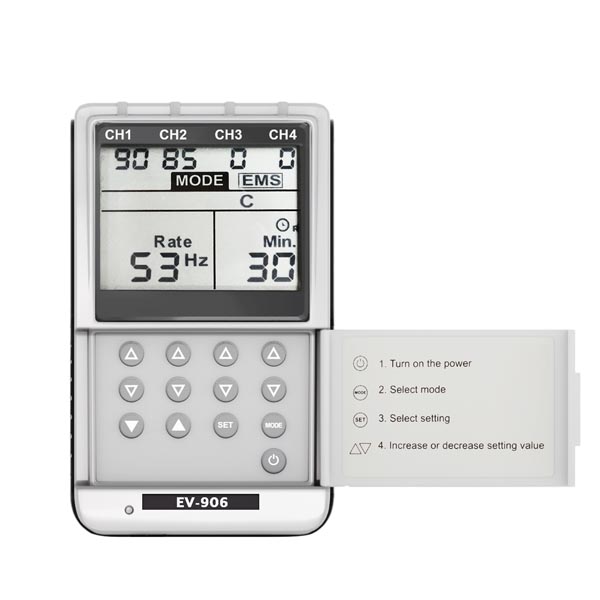
Our comprehensive ODM services cover every stage of the product lifecycle: from initial industrial design and schematic creation, through circuit prototyping, plastic injection molding, biological evaluation testing (ISO 10993 compatibility), to global regulatory filing support (FDA 510k establishment listing, CE Marking under EU MDR 2017/745, and TFDA certification). Whether brand owners require private-label packaging for established digital TENS/EMS models (such as the EV-906 4-channel series) or groundbreaking developments in micro-current facial or pelvic rehabilitation devices, USHC Medical acts as an agile engineering extension of your team.
Industry Development & Technological Trends in Electrotherapy (2025–2030)
The global market for low-frequency electrotherapy equipment is undergoing rapid technological evolution driven by demographic aging, an increasing preference for non-opioid pain management solutions, and the convergence of medical-grade hardware with digital health algorithms. Sourcing managers and brand executives must align their product roadmaps with five critical technological shifts defining the next decade:
1. Smart Connectivity & App-Guided Protocols
Modern low-frequency stimulators are transitioning from basic standalone units to Bluetooth Low Energy (BLE) connected platforms. Users can load personalized treatment programs via mobile apps, enabling real-time compliance tracking, therapeutic biofeedback recording, and remote patient monitoring (RPM) integration for healthcare providers.
2. Multi-Frequency Hybrid Waveform Synthesizers
Next-generation devices combine low-frequency pulse stimulation (TENS/EMS) with medium-frequency carrier waves (Interferential Current - IFC / Russian Stimulation) within portable handheld form factors. This hybrid approach allows deeper tissue penetration while maintaining surface sensory comfort.
3. High-Conductivity, Non-Allergenic Contact Materials
Consumable electrode engineering has moved away from standard carbon-printed films toward silver/silver-chloride (Ag/AgCl) printed substrates combined with synthetic hydrogels. This transition dramatically reduces contact impedance, prevents hot-spot current density concentrations, and extends electrode pad reusability over 30+ application cycles.
4. Specialized Intracavity Pelvic Floor Electrodes
The women’s pelvic health market is demanding highly ergonomic, nickel-free probes. Gold-plated medical-grade stainless steel electrodes (such as our PR-06A+ series) prevent metallic ion leaching, offering superior biocompatibility for long-term pelvic rehabilitation and biofeedback diagnostic sessions.
Strategic B2B Procurement Trends & Global Supply Chain Adaptation
Procurement strategies in the medical device sector have pivoted from pure unit-cost minimization toward supply chain resilience, total cost of ownership (TCO), and absolute regulatory risk mitigation. Enterprise buyers, clinical hospital procurement groups, and retail OTC distributors are restructuring their vendor selection criteria based on several strategic macro-trends:
- Geographic Risk Diversification (Taiwanese Precision Manufacturing): Importers are actively mitigating geopolitical supply chain concentration risks by establishing OEM partnerships with experienced Taiwanese medical manufacturers who offer intellectual property security, transparent pricing, and robust legal protections.
- Turnkey Device & Consumable Integration: Sourcing managers increasingly prefer single-source manufacturers capable of producing both the electronic electrotherapy generator unit and the associated hydrogel pads, lead wires, and specialized probes. Integrated sourcing eliminates inter-component compatibility issues and simplifies batch traceability under ISO 13485 audits.
- Regulatory Documentation Readiness: With the implementation of strict EU MDR standards and updated US FDA cybersecurity guidelines for connected medical devices, procurement teams require manufacturers to supply pre-validated Technical Documentation Files (TDF), biological evaluation reports (ISO 10993), electrical safety testing (IEC 60601-1), and EMC compliance certificates (IEC 60601-1-2).
- Sustainable Packaging & Green Electronics: Global healthcare systems are prioritizing eco-friendly supply chains. OEM manufacturers are challenged to implement lead-free RoHS and REACH compliant soldering, recyclable packaging designs, and low-power microcontroller architectures to minimize environmental impact.
Technical Specification & Selection Matrix for Procurement Evaluation
To assist global procurement officers in selecting the optimal electrotherapy hardware platform, the table below provides a comparative technical evaluation across standard low-frequency device categories:
| Device Category | Waveform Architecture | Frequency Range | Output Channels | Primary Clinical Application | Regulatory Class |
|---|---|---|---|---|---|
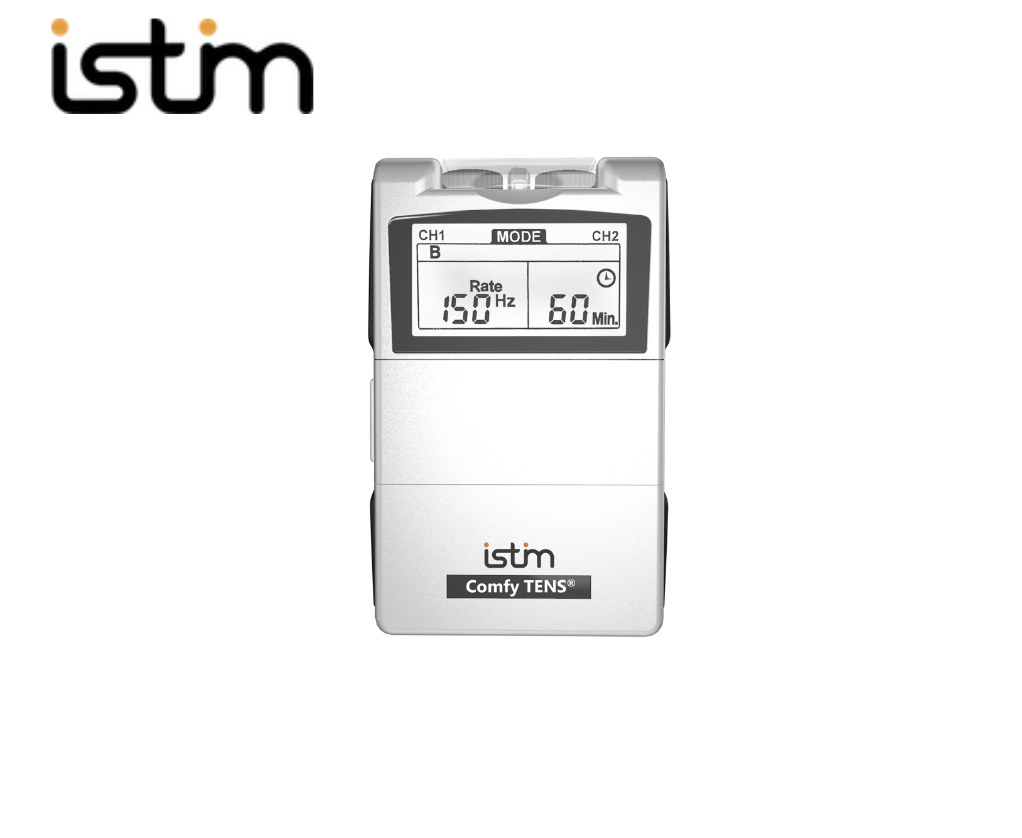
| Analog TENS Devices | Asymmetric Biphasic Pulse | 2 Hz – 150 Hz | 2 Channels (Independent) | Symptomatic chronic & acute pain management, OTC home use | FDA Class II / CE Class IIa |
| Digital Combo TENS/EMS | Symmetric Biphasic Square Wave | 1 Hz – 120 Hz | 2 / 4 Channels | Muscle conditioning, disuse atrophy prevention, pain relief | FDA Class II / CE Class IIa |
| Pelvic Floor Stimulators | Monophasic / Biphasic Modulated | 10 Hz – 50 Hz | 1 / 2 Channels (Intracavity) | Stress, urge & mixed incontinence treatment, biofeedback | FDA Class II / CE Class IIa |
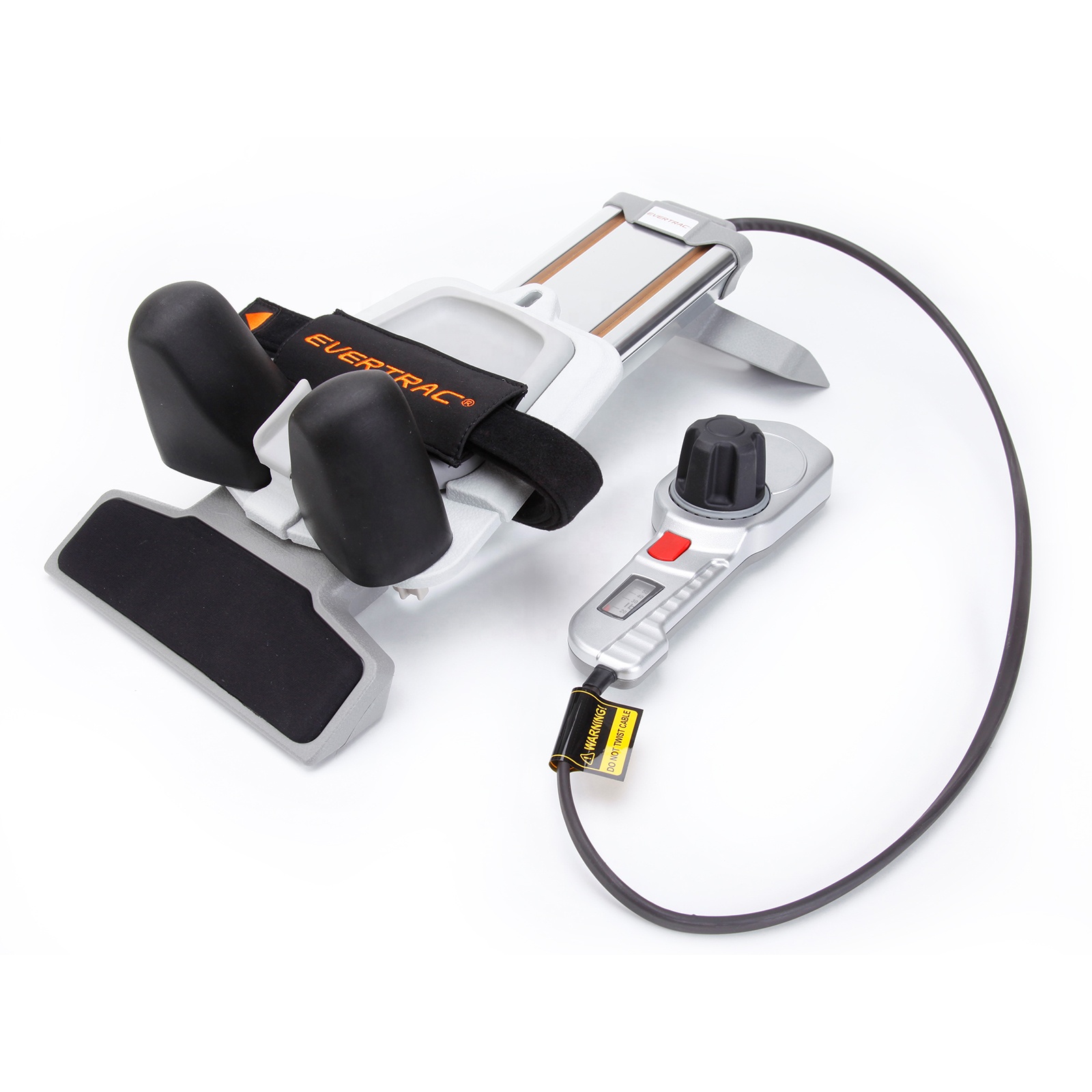
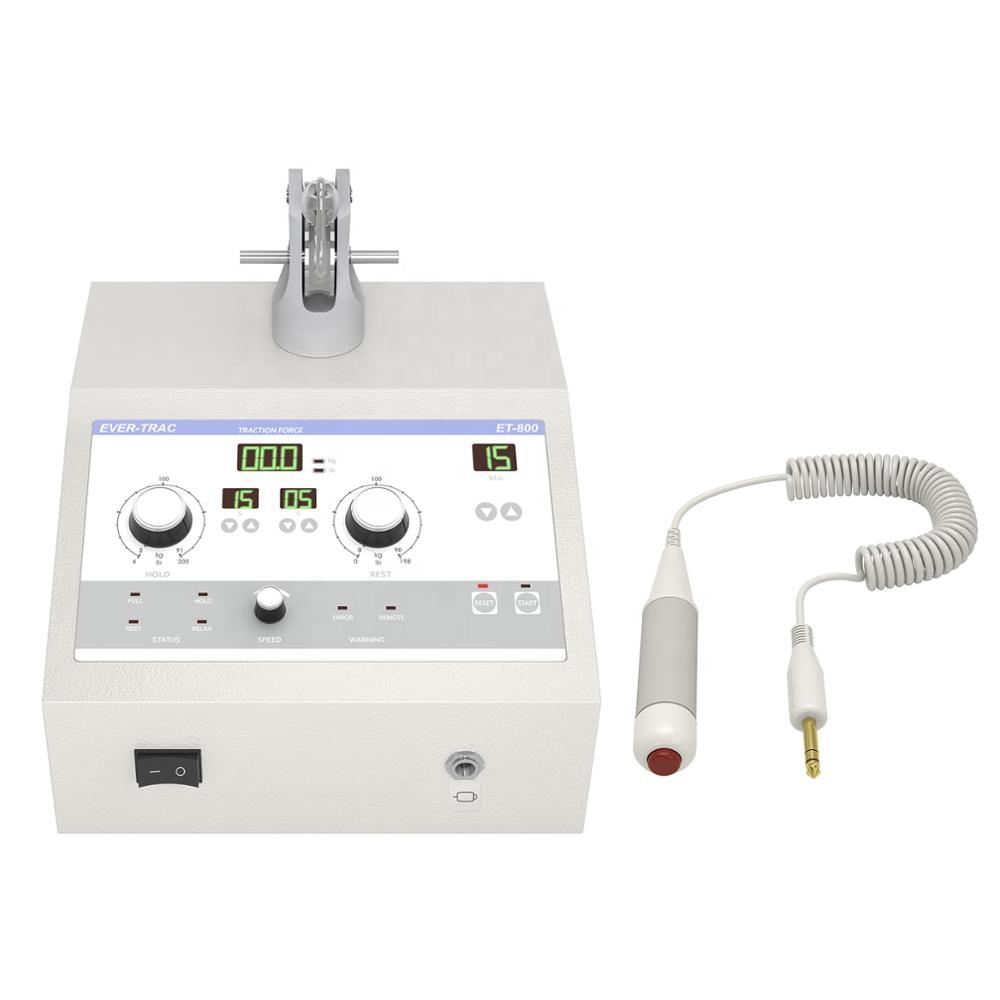
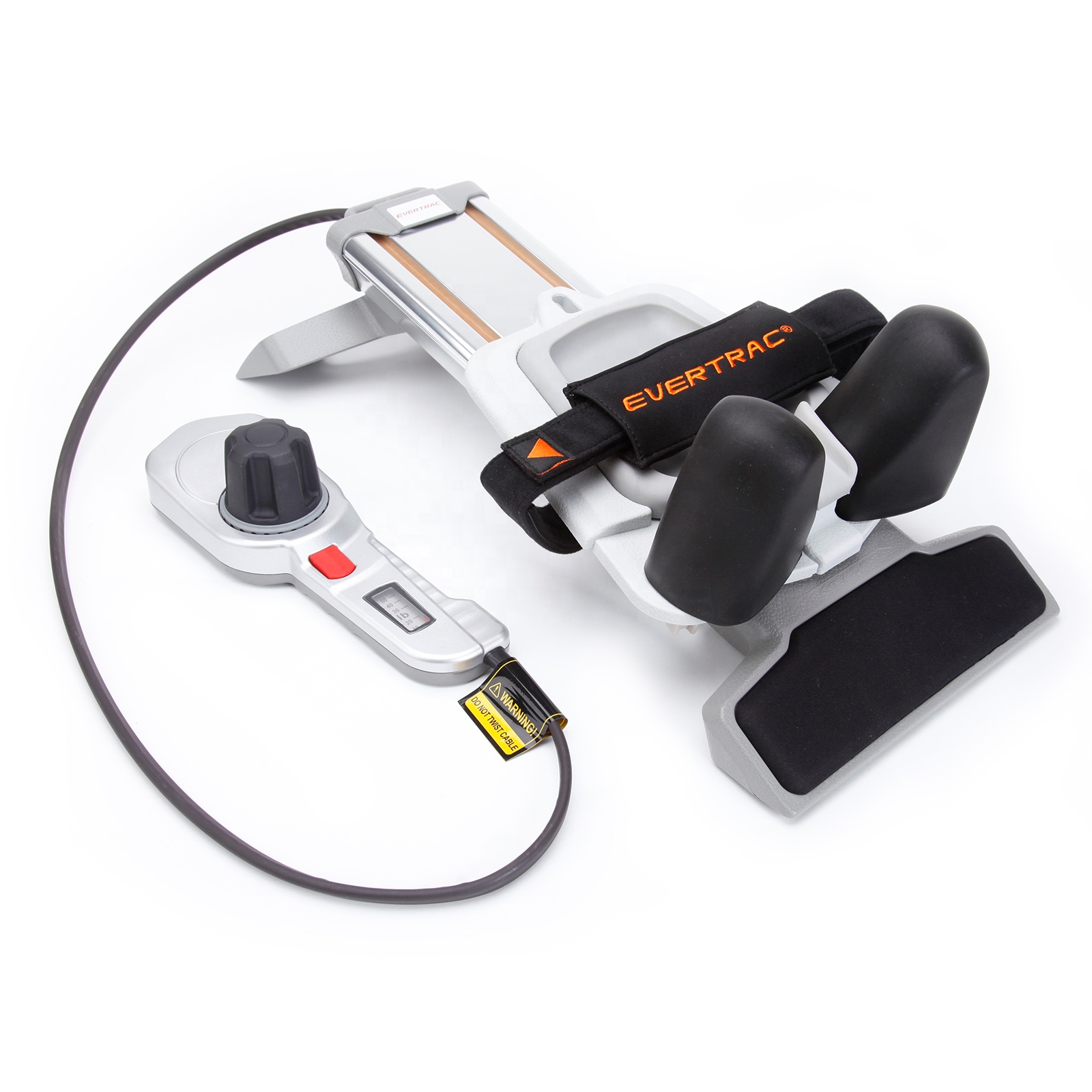
| Clinical Traction & Stim Units | Intermittent / Continuous Force + Microcurrent | 0.5 Hz – 200 Hz | Multi-Channel Modular | Spinal decompression, severe musculoskeletal correction | FDA Class II / CE Class IIb |
Frequently Asked Questions (FAQ) for Global B2B Sourcing
Is USHC Medical a factory direct manufacturer or a trading intermediary?
USHC Medical Instruments Co., Ltd. is a verified custom manufacturer with complete in-house manufacturing operations in Taiwan, supported by export management services. Our facility has been audited on-site by SGS as an independent inspection authority, verifying our production capabilities, cleanroom hydrogel lines, and engineering team.
What are the minimum order quantities (MOQ) for custom OEM/ODM projects?
Standard white-label and private-label packaging programs for existing TENS/EMS models typically start at an MOQ of 500 to 1,000 units. Custom firmware programming, specialized plastic injection colors, or completely new PCB developments (ODM) depend on component tooling requirements and can be tailored to meet your annual procurement projections.
Which regulatory certificates and testing reports can you provide for import clearance?
Our manufacturing plant maintains an ISO 13485 Quality Management System certification. Depending on the chosen product line, we provide full technical documentation including CE Marking, FDA 510(k) listings, IEC 60601-1 electrical safety reports, IEC 60601-1-2 EMC test data, and ISO 10993 biocompatibility reports for hydrogel pads and intracavity probes.
What is your production capacity for hydrogel electrode pads and electrotherapy accessories?
Our automated coating and converting lines produce over 60,000 self-adhesive hydrogel electrode pieces daily. We support custom shape die-cutting, private-label backing cloth printing, pin or snap connector customization, and specialized retail pouch packaging.
Can you program custom stimulation waveforms or specialized treatment modes into the device firmware?
Yes. Our software engineers can customize pulse frequencies, pulse durations, ramp-up/ramp-down times, burst modes, and pre-set timer protocols to match your clinical requirements or brand specifications prior to microcontroller mask burning.
How do you ensure batch-to-batch quality control across global shipments?
We implement a strict 4-stage Quality Assurance protocol: Incoming Quality Control (IQC) on raw materials, In-Process Quality Control (IPQC) during SMT and sub-assembly, 100% automated output testing on calibrated load simulators, and Final Quality Control (FQC) prior to container sealing.
Partner with Taiwan’s Premier Electrotherapy Manufacturer
Contact our engineering and export team today to request product samples, detailed technical dossiers, or custom OEM/ODM cost quotations.
Send an Inquiry