Featured Medical-Grade Electrotherapy Equipment & Consumables
Explore our certified portfolio engineered for global medical brands, physical therapy chains, and B2B distributors.
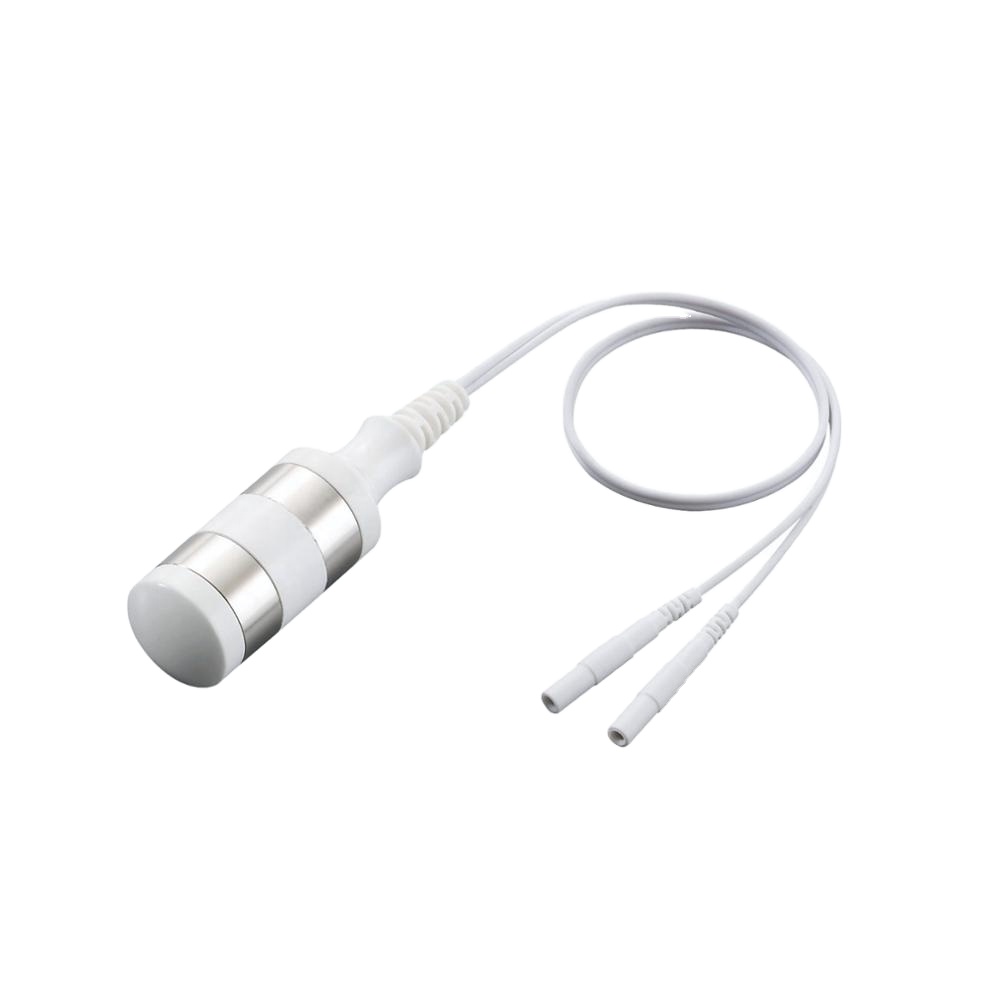
Taiwan PR-14A Pelvic Floor Muscle Stimulation Vaginal Probe Equipment
View Product Details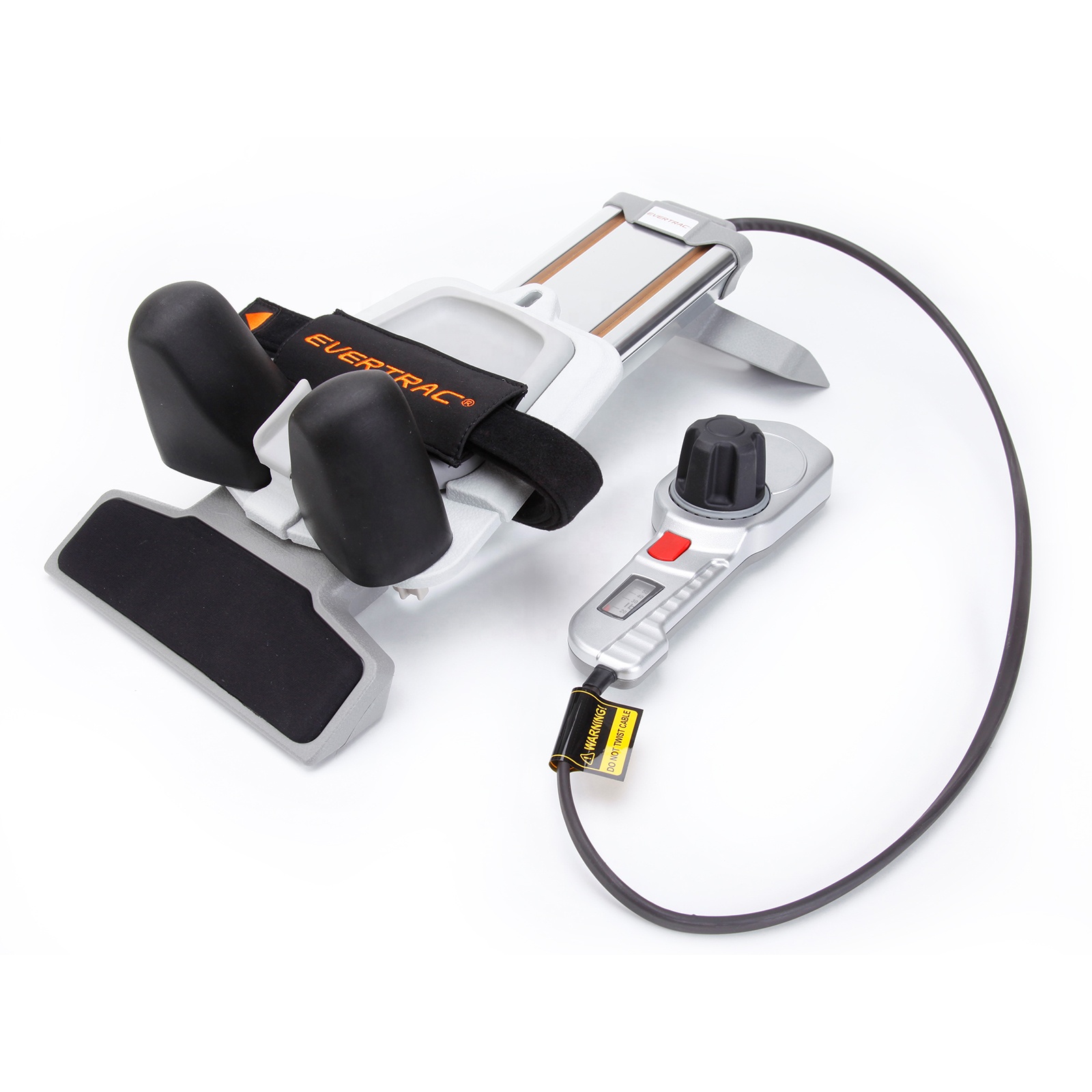
Taiwan CT-800 Physiotherapy Cervical Traction Treatment Device
View Product Details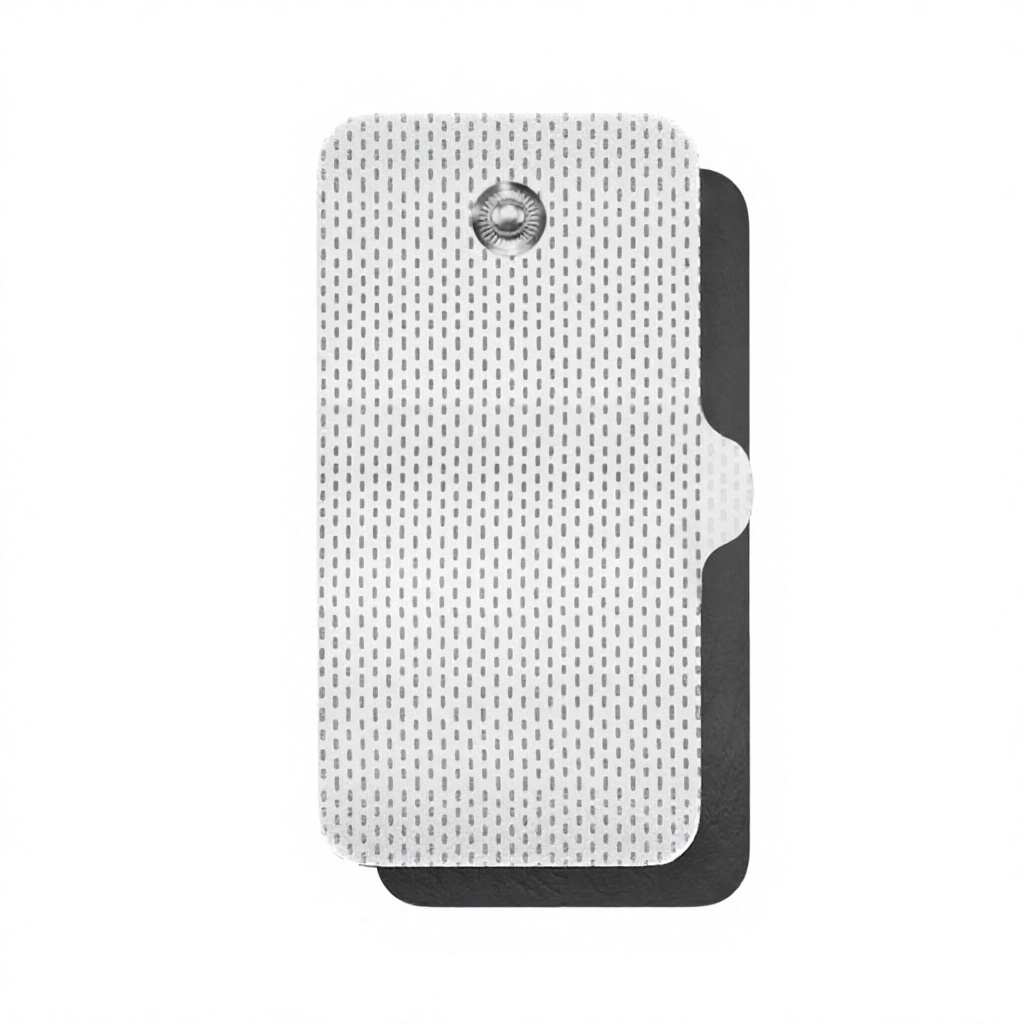
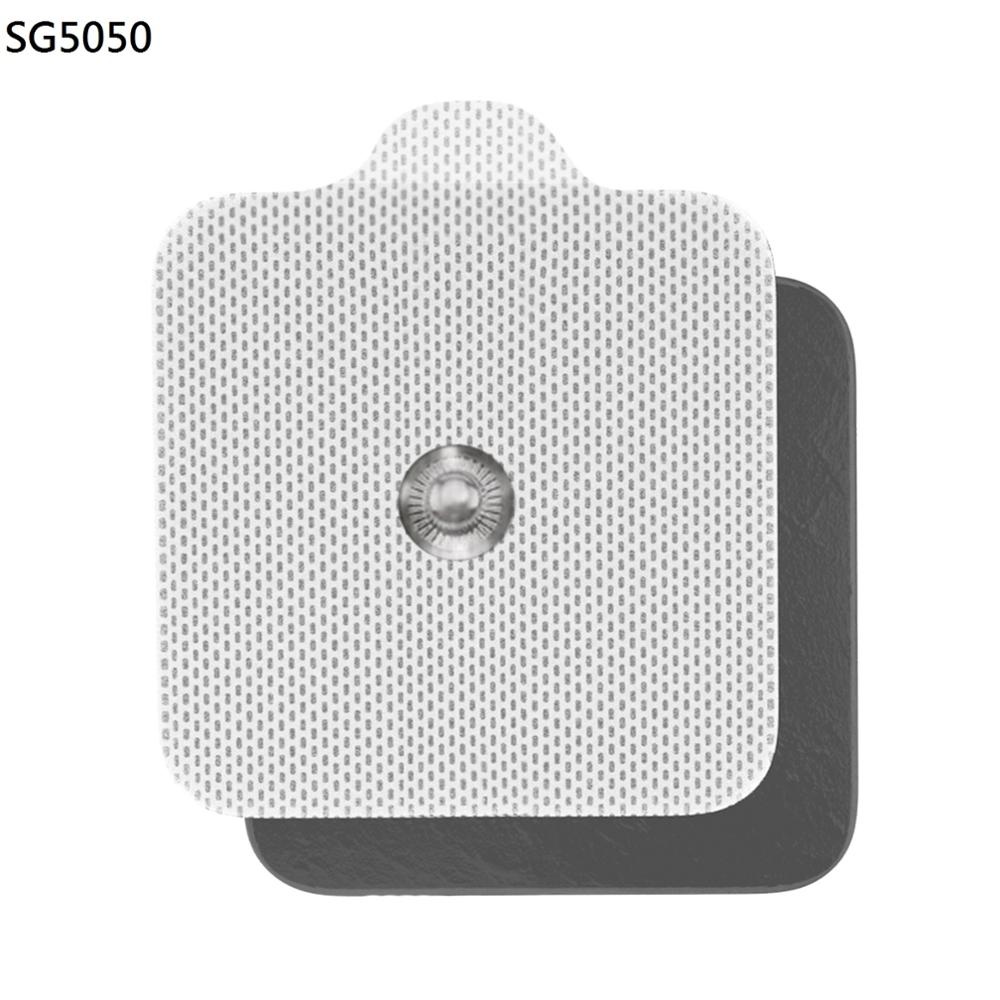
Reusable Non-Woven Fabric TENS Electrode Pads (2mm Pin Connector)
View Product Details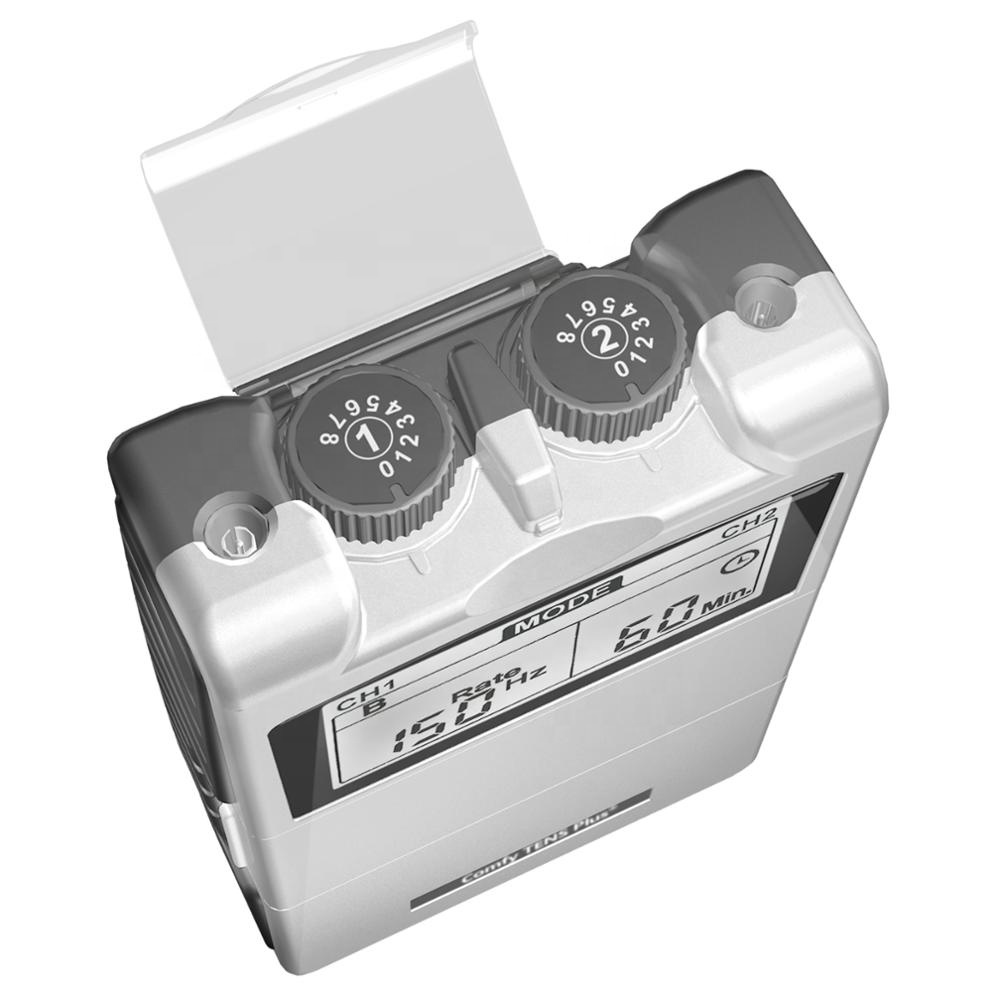
Everyway EV-804P Portable TENS Unit Dual Channel Muscle Stimulator
View Product Details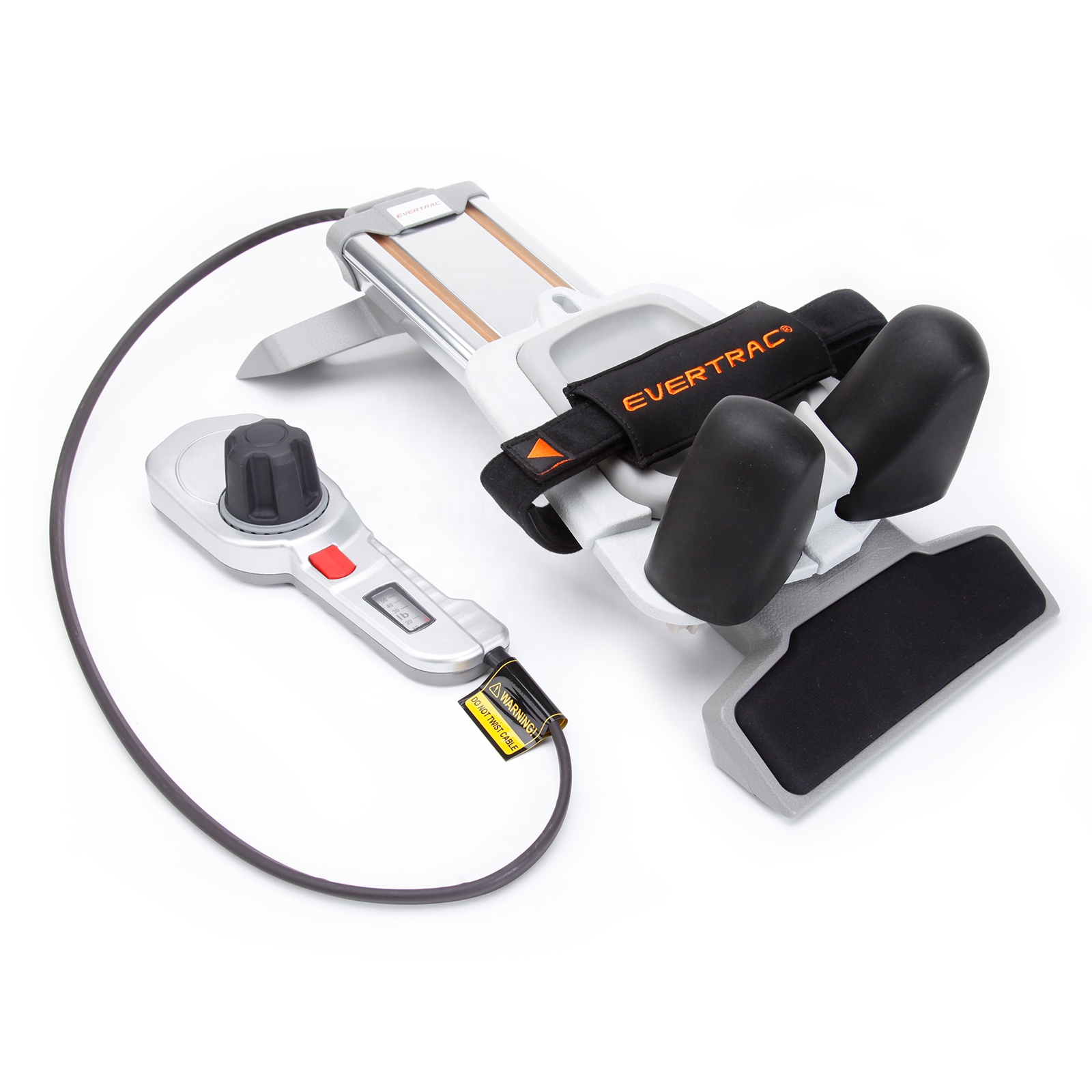
Taiwan CT-800 Neck Traction Physiotherapy System for Physical Therapy
View Product Details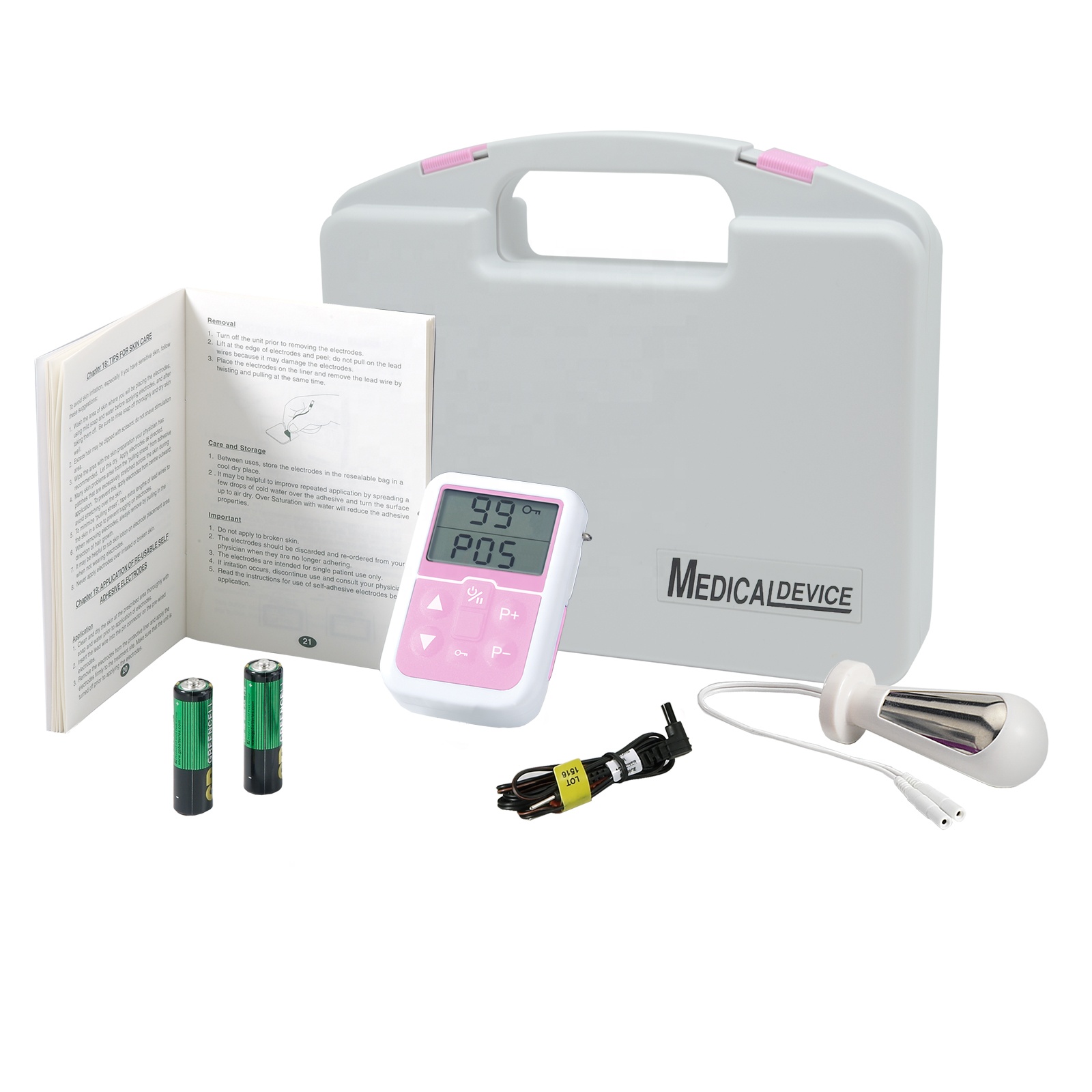
EVERYWAY EM-2400 Kegel Exerciser Incontinence Stimulator with Probe
View Product Details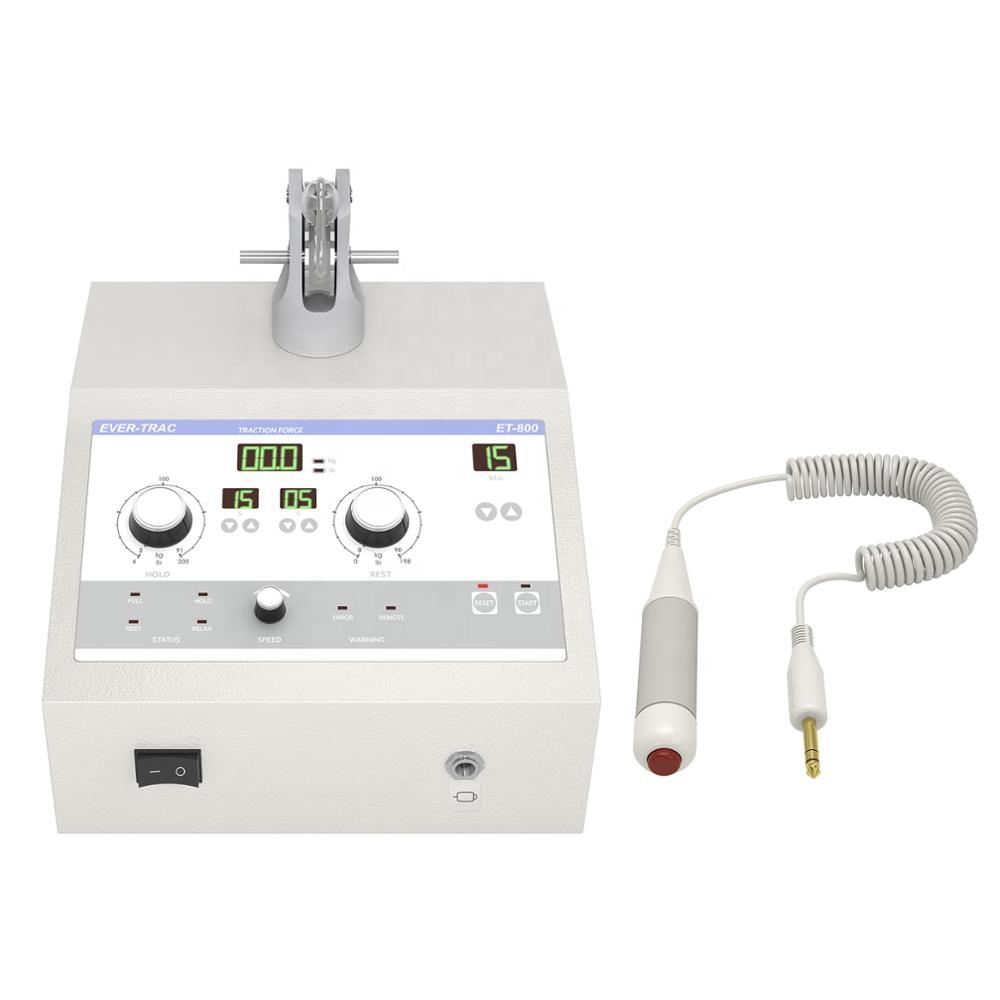
ET-800 Professional Therapy Machines for Traction & Correction Units
View Product Details35+
Years Manufacturing Excellence
70+
Export Destination Countries
60,000+
Daily Hydrogel Pad Output
ISO 13485
Certified Quality Management
Strategic Engineering Analysis: Selecting Premier OEM/ODM EMS Muscle Stimulator Manufacturers
A Technical Procurement Manual for Medical Device Importers, Healthcare Brands, and Institutional Distributors
The global electrotherapy market is undergoing a structural evolution. Electrical Muscle Stimulation (EMS) and Transcutaneous Electrical Nerve Stimulation (TENS) technologies are transitioning from static clinical modalities to intelligent, user-centric therapeutic systems. For medical procurement officers, hospital supply networks, and direct-to-consumer health brands, navigating the landscape of OEM/ODM EMS Muscle Stimulator Manufacturers requires a rigorous understanding of hardware architecture, bio-compatibility compliance, wave generator precision, and global regulatory frameworks.
Contract manufacturing in the electro-medical domain is not merely assembly; it is an integrated engineering workflow. A modern EMS muscle stimulator must deliver precise electrical micro-impulses—typically ranging from 1 Hz to 150 Hz with pulse widths between 50 μs and 400 μs—capable of safely depolarizing motor nerve membranes without causing tissue inflammation or epidermic burning. Achieving this balance requires strict manufacturing controls, reliable microcontrollers, highly stable current output stages, and skin-conforming hydrogel interfaces.
Core Technical Directive: True Information Gain in electrotherapy contract manufacturing comes from mastering the signal delivery pathway—from PCB micro-step voltage boosting to bio-compatible hydrogel impedance matching. Standardized manufacturing guarantees long-term clinical safety and brand reputation protection.
1. Neuromuscular Electrical Stimulation (NMES) vs. TENS Engineering Specs
When executing an OEM or ODM manufacturing project, defining the underlying waveform dynamics is paramount:
- EMS / NMES Principles: Targeted at motor nerves to elicit skeletal muscle contractions. Requires symmetrical biphasic square pulses with adjustable ramp-up, sustain, and ramp-down cycle timing to prevent localized muscular fatigue.
- TENS Principles: Engineered to activate sensory nerve pathways (Gate Control Theory) or trigger endogenous opioid release. Demands precise pulse frequency modulation (burst, continuous, or modulated modes) to reduce neuronal accommodation.
- Intracavity Pelvic Stimulation: Demands specialized, high-grade stainless steel electrode probes (such as the Taiwan PR-14A Vaginal Probe) combined with biocompatible ABS structures designed specifically for incontinence rehabilitation and Kegel biofeedback integration.
Enterprise OEM/ODM Manufacturing & Customization Modules
How top-tier contract manufacturers convert client specifications into market-ready, certified medical hardware.
Custom Firmware & PCB Design
Complete ODM circuit design, multi-channel independent control algorithms, custom LCD/LED interface programming, and energy-efficient battery power management for handheld units.
Biocompatible Hydrogel Line
In-house manufacturing of reusable non-woven fabric and carbon-film self-adhesive electrode pads. Japanese hydrogel integration ensures minimal skin impedance and up to 30+ reusable applications.
Regulatory Turnkey Dossiers
Full support for global registration. We supply comprehensive technical files, 510(k) supporting data, CE MDR technical documentation, and ISO 10993 biocompatibility test records.
2025–2030 Global Sourcing Trends in EMS & Electrotherapy Manufacturing
Key Technological Disruptions and Supply Chain Shifts Shaping B2B Buying Strategies
As the electrotherapy sector rapidly matures, B2B buyers must anticipate next-generation industry shifts to maintain market dominance. The convergence of digital health technologies, consumer wellness, and clinical rehabilitation has established several definitive procurement trends:
A. Wireless, Wearable & App-Integrated EMS Platforms
Traditional wired table-top devices are increasingly supplemented by wearable, ultra-compact electrotherapy modules. Modern ODM clients are requesting micro-stimulated wearable garments (conductive gloves, socks, knee sleeves, and full-body EMS suits) driven by low-energy Bluetooth (BLE) chips. Custom app connectivity allows patient data logging, cloud-based physical therapy monitoring, and adaptive treatment profiles.
B. Multi-Channel Frequency Ramping & Dynamic Modulation
Static pulse output is quickly becoming obsolete. Advanced 2-channel and 4-channel stimulators (like the Everyway EV-804P series) now leverage dynamic frequency sweeping algorithms. By dynamically modulating pulse widths and frequencies in real time, these machines prevent motor nerve accommodation, leading to enhanced muscle fiber recruitment during clinical rehabilitation.
C. Sustainable, Non-Cytotoxic Hydrogel Formulations
Consumable electrode patches represent a major ongoing revenue stream for medical brands. The regulatory scrutiny over skin contact materials (ISO 10993-5 Cytotoxicity and ISO 10993-10 Irritation/Sensitization) is at an all-time high. Future sourcing dictates transitioning to hypo-allergenic, solvent-free, water-based hydrogels mounted on recyclable non-woven fabric backings with universal 3.5mm snap or 2mm pin connection points.
D. Consolidation of Traction & Electrotherapy Systems
Physiotherapy clinics are moving toward unified treatment tables that combine motorized cervical/lumbar mechanical traction (such as the CT-800 and ET-800 series) with multi-modal electrical stimulation. Contracting with a single manufacturer capable of producing both heavy physical correction machinery and micro-current electronics dramatically simplifies supply chain logistics and warranty tracking.
Why Partner with USHC Medical Instruments Co., Ltd.?
Combining 35+ Years of Precision Engineering in Taiwan with Uncompromised Global Manufacturing Compliance
Taiwan Factory Footprint
Established in 1989, our facility delivers end-to-end production integrity. We avoid third-party trading markups, ensuring complete manufacturing control from raw material to shipping port.
SGS Third-Party Verified
Our production facilities undergo strict on-site audits by SGS. Importers receive full verification of line capacity, cleanroom assembly standards, and quality management protocols.
Global Export Reach
With an active supply footprint across 70+ countries, our logistics team manages localized packaging, multi-lingual manuals, tariff classifications, and export documentation seamlessly.
Frequently Asked Questions (FAQ) for OEM/ODM Buyers
Essential Answers to Procurement, Regulatory, Technical, and Customization Inquiries
Is USHC Medical an independent manufacturer or a trading intermediary?
USHC Medical Instruments Co., Ltd. is a verified custom manufacturer with dedicated production facilities located in Taiwan. Supported by an in-house international trade team, we handle direct design, molding, PCB assembly, hydrogel coating, and global export shipping. Our operations are fully audited on-site by SGS.
What are the scope and limitations of your OEM and ODM services?
We provide end-to-end customization including custom plastic injection tooling, corporate branding, custom PCB firmware design, bespoke pulse channel configurations, private-label hydrogel pad shapes/sizes, multi-lingual manual typesetting, and retail-ready medical box packaging.
What regulatory certifications accompany your EMS and TENS devices?
Our manufacturing plant operates under the ISO 13485 Quality Management System. Specific device models hold CE marking under European medical regulations and are FDA-listed for commercial distribution in the United States. Technical files and test reports (EMC, LVD, Biocompatibility) are provided during contract negotiation.
What is your daily production volume for consumable electrode pads?
Our automated high-speed coating and die-cutting lines produce over 60,000 electrode pieces per day. We support both high-volume private label distributor contracts and customized mixed-dimension batch orders with stable lead times.
How do you handle skin irritation risks associated with TENS replacement gel pads?
We strictly utilize medical-grade, biocompatible hydrogels that meet ISO 10993 cytotoxicity and sensitization benchmarks. Our conductive carbon film maintains low electrical resistance, preventing uneven current density "hotspots" that cause discomfort or burns during high-intensity EMS muscle stimulation.
What is the standard procedure to request evaluation samples and start an OEM project?
Prospective B2B partners can initiate an inquiry by clicking our contact button. Please specify your target geographic markets, estimated annual purchase volume, preferred device specifications (channels, wave modes), and branding requirements. Our engineering team responds with technical recommendations and sample arrangement details within 24–48 hours.
Ready to Engineer Your Private-Label EMS & Electrotherapy Product Line?
Partner with a proven Taiwan OEM/ODM manufacturer backed by 35+ years of clinical innovation, ISO 13485 certification, and global delivery networks.
Contact Us