Featured OEM/ODM Electrotherapy & Physical Therapy Systems
High-reliability electrotherapy stimulators, clinical traction devices, and medical-grade consumable gel pads manufactured under strict ISO 13485 quality control standards.
Why Partner With USHC Medical Instruments Co., Ltd.
Established in Taiwan in 1989, USHC Medical operates fully integrated electrotherapy device manufacturing facilities assessed on-site by SGS, delivering end-to-end contract manufacturing for international distributors and hospital brands.
Full Regulatory Dossier Support
Complete compliance backing including ISO 13485 quality systems, CE Marking (MDR 2017/745 Class IIa readiness), FDA establishment listings, and full RoHS/REACH material testing reports.
Custom Firmware & PCB Assembly
In-house biomedical engineering offering specialized waveform development, adjustable pulse width algorithms (50µs–400µs), preset clinical programs, and private label graphic interfaces.
Global Export Operations
Active distribution partnerships across 70+ countries including North America, European Union, Middle East, and Asia-Pacific, backed by multi-lingual technical and export documentation services.
Engineering Whitepaper: B2B Procurement Standards for Transcutaneous Electrical Nerve Stimulation (TENS) & EMS Devices
In the evolving landscape of non-invasive pain management and neuro-muscular rehabilitation, selecting an OEM/ODM partner for Transcutaneous Electrical Nerve Stimulation (TENS) and Electrical Muscle Stimulation (EMS) requires rigorous technical scrutiny. Modern healthcare channels demand not only regulatory compliance but superior electro-stimulation precision, robust component longevity, and customizable user profiles.
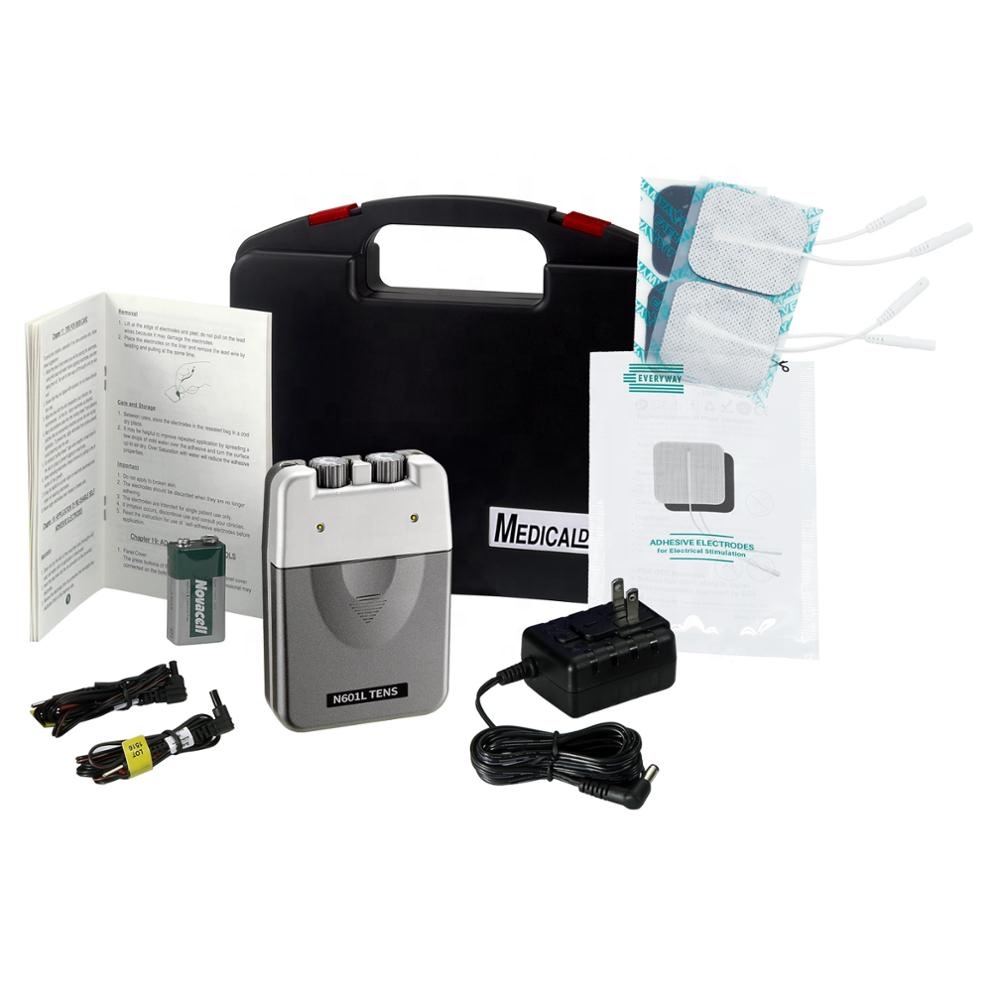
Technical Consensus: High-performance TENS/EMS units depend on output current stability under varying skin impedance loads (200Ω to 1000Ω), bi-phasic symmetrical waveform purity, and biocompatible hydrogel interface performance to eliminate galvanic burn risks.
1. Waveform Modality & Output Circuitry Engineering
Commercial electrotherapy units utilize pulsed electrical current to excite sensory or motor nerves. To maintain clinical efficacy and patient safety, OEM procurement engineers evaluate three core electrical parameter matrices:
- Constant Current vs. Constant Voltage Output Stages: Advanced clinical units employ constant current output drivers. When skin resistance changes due to perspiration or gel desiccation, constant current architecture dynamically adjusts output voltage up to safety thresholds (typically 80mA–100mA peak into 500Ω load), ensuring consistent charge delivery per pulse.
- Pulse Width & Frequency Modulation: Sensory nerve stimulation (Gate Control Theory) optimal efficacy occurs between 80Hz–120Hz with narrow pulse widths (50µs–100µs). Motor nerve excitation for muscle conditioning (Endorphin Release) requires 2Hz–10Hz with wider pulse parameters (200µs–400µs). Multi-channel ODM platforms must incorporate microcontrollers capable of executing dual-phase sweep modulation to prevent neural accommodation.
- Asymmetrical/Symmetrical Biphasic Waveforms: Biphasic square waves prevent electrolytic polarization under the electrode surface. Symmetrical biphasic pulses are ideal for large muscle group stimulation (EMS), while asymmetrical biphasic pulses allow targeted nerve firing in localized pain therapy (TENS).
| Electrical Parameter | Standard Retail TENS Specifications | Clinical/Professional OEM Grade | Technical Sourcing Significance |
|---|---|---|---|
| Channels | 2 Channels (Isolated) | 2 to 4 Independent Channels | Allows multi-quadrant therapy or simultaneous multi-patient clinic application. |
| Current Output | 0 - 60 mA (Peak) | 0 - 100 mA (Precision Step Control) | Higher intensity headroom allows penetration through deep tissue fascia. |
| Waveform Geometry | Monophasic / Unregulated Square | Symmetrical/Asymmetrical Biphasic | Eliminates DC charge buildup; prevents chemical skin irritation. |
| Power Source | 9V Battery / Standard AAA | Rechargeable Li-ion (USB-C) / Medical AC | Ensures stable voltage rails and lowers ongoing total cost of ownership. |
| Hydrogel Adhesion | Standard Synthetic Polymer | Japanese Nitto/Sekisui Bio-Hydrogel | Maintains low impedance across 30+ reusable gel attachment cycles. |
2. Material Science in Self-Adhesive Hydrogel Electrodes & Probes
As a leading custom consumable manufacturer with daily output exceeding 60,000 pieces, USHC Medical enforces strict raw material qualification for electrode pads and intra-cavity probes:
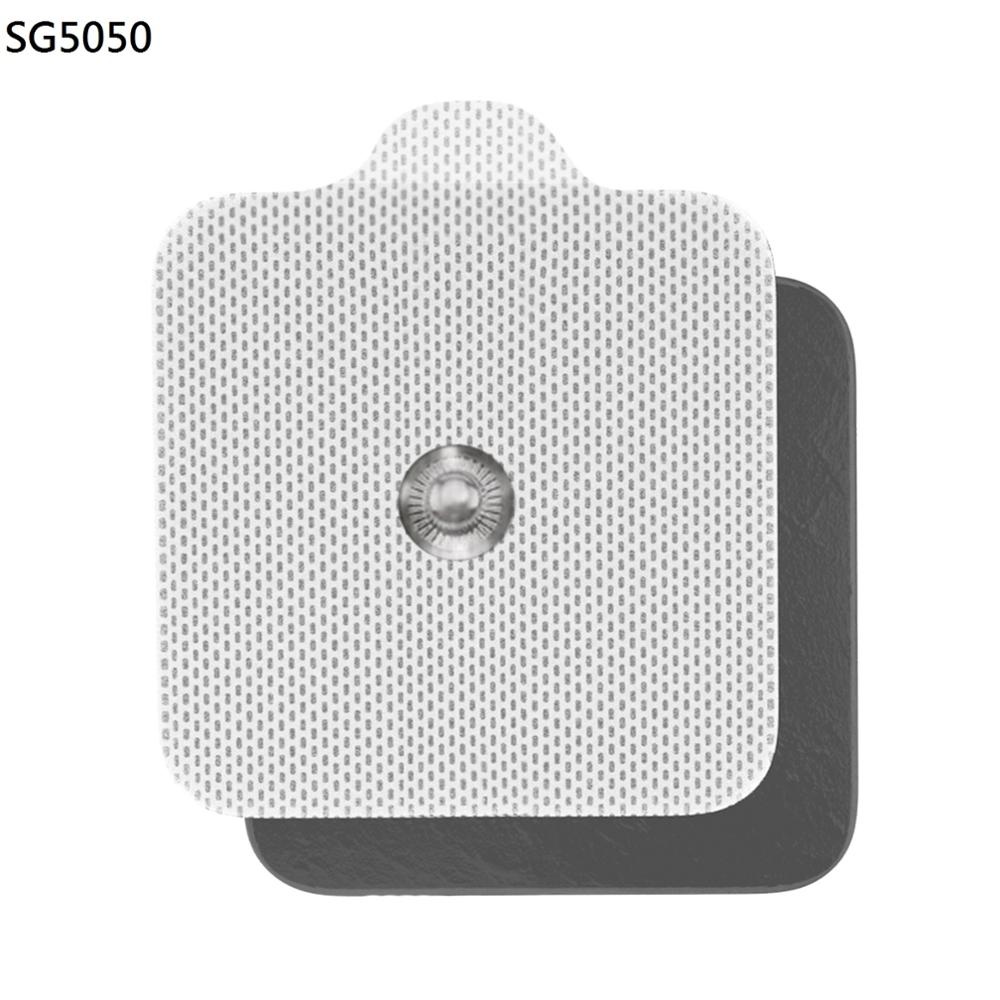
Conductive Silver/Silver Chloride (Ag/AgCl) Ink Matrices: High-performance electrode backing utilizes screen-printed Ag/AgCl ink layers on conductive carbon film. This setup provides ultra-low impedance (<20Ω), uniform current distribution, and eliminates local "hot spots" that cause epidermal discomfort during sustained 80mA stimulation sessions.
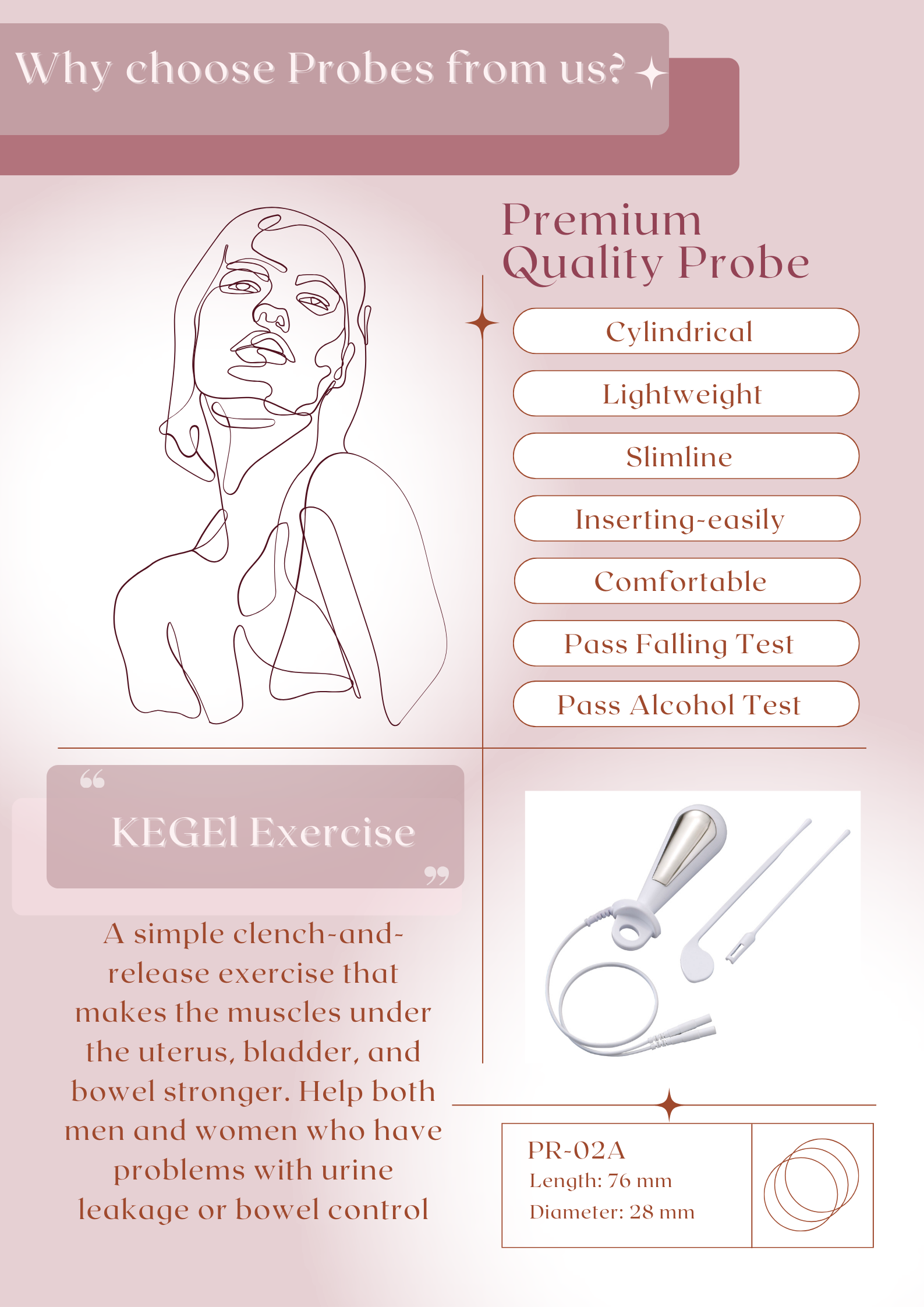
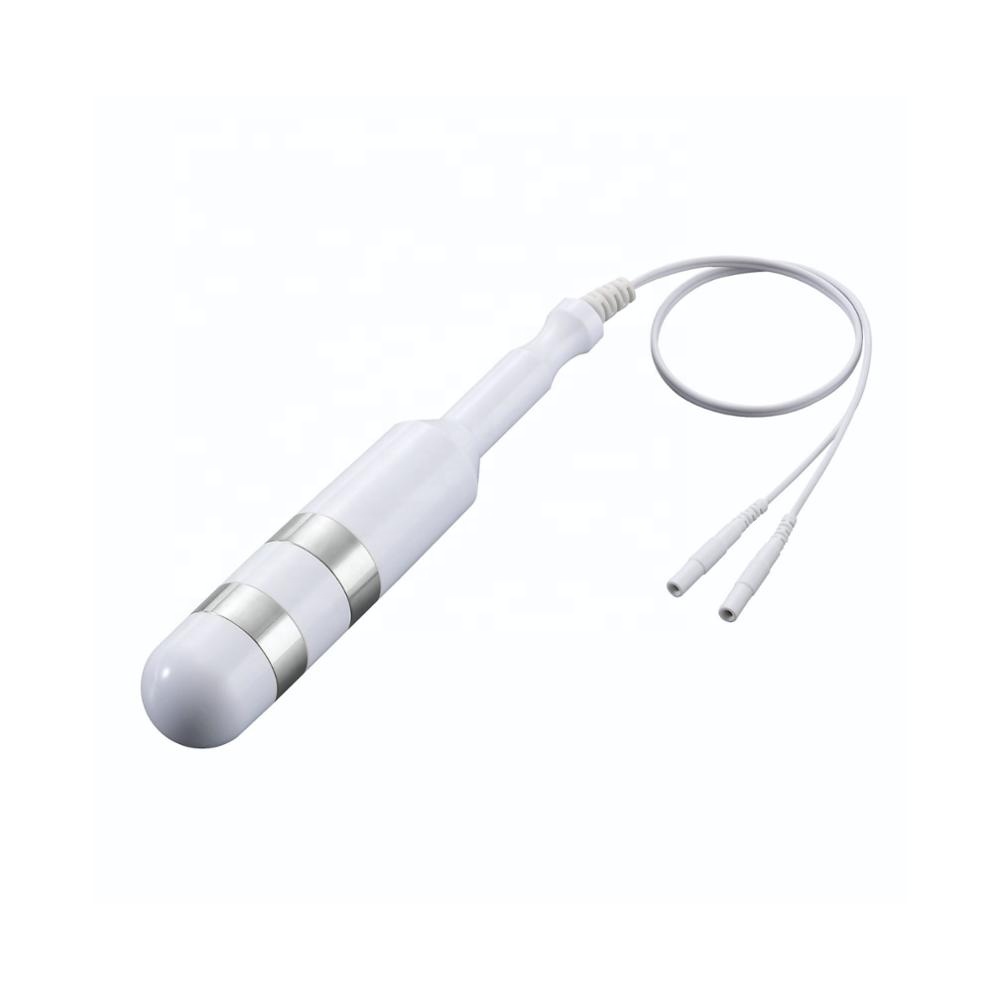
Intra-Cavity Pelvic Floor Probes: Class II medical probes (e.g., PR-03A Vaginal/Rectal series) require bio-compatible ABS bodies with medical-grade stainless steel or gold-plated electrode rings. Material formulations undergo ISO 10993 cytotoxicity, sensitization, and intracutaneous reactivity testing to guarantee patient safety during pelvic floor incontinence muscle re-education.
3. Cervical & Lumbar Traction Systems Engineering
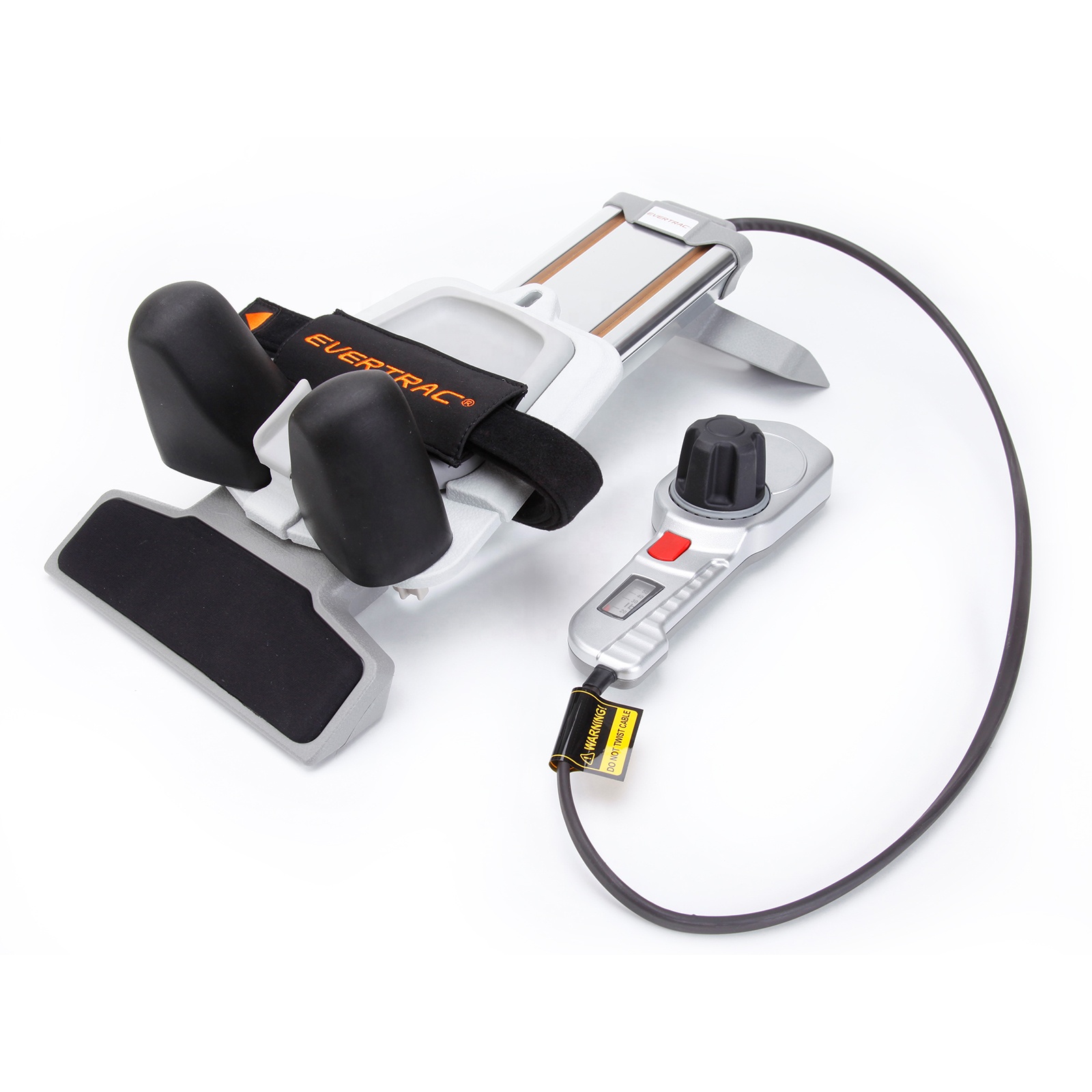
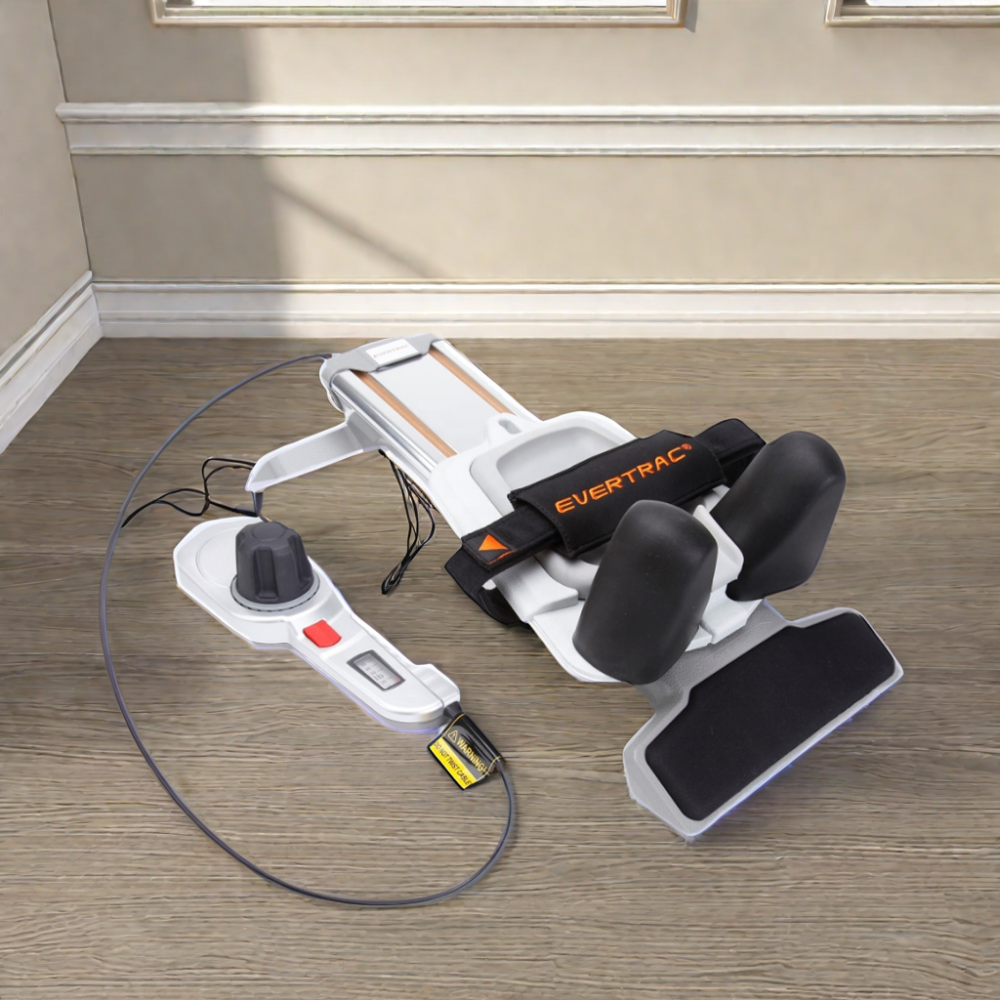
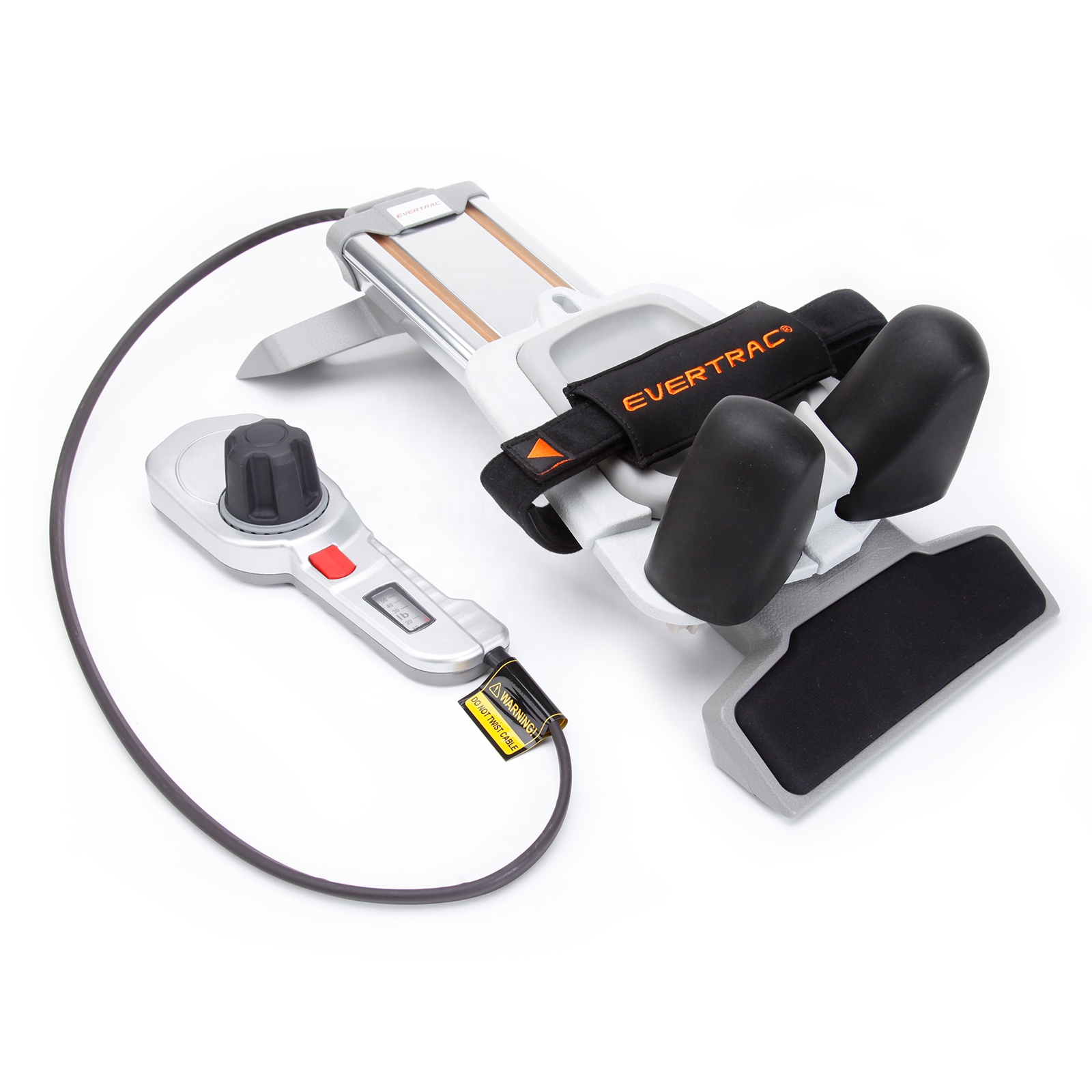
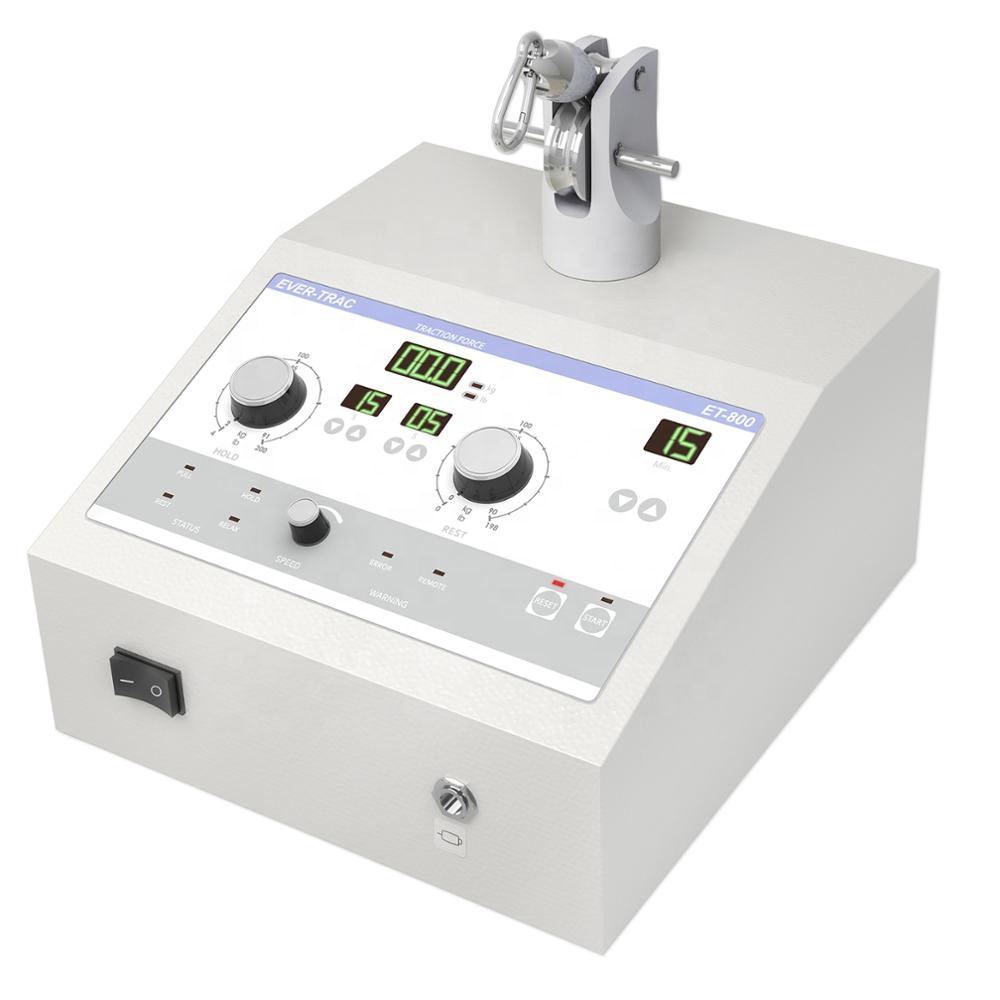
Integrating mechanical traction with electrical modality treatment represents a growing trend in physical therapy centers. Units like the CT-800 and ET-800 utilize digital force transducers and closed-loop motor control algorithms to supply static, intermittent, and progressive traction protocols. Precision load cell monitoring maintains tension within ±1.5 lbs of programmed limits, preventing muscle guarding and assisting spinal disc decompression safety.
Future Procurement & Development Trends in Electrotherapy
Anticipating technological convergence and shifting regulatory expectations empowers healthcare distributors to make future-proof sourcing decisions.
1. Smart Wearable & App Connectivity
Next-generation TENS/EMS units incorporate low-energy Bluetooth (BLE 5.2) modules, enabling smartphone app configuration, digital treatment logging, and remote patient monitoring (RPM) compliance for tele-rehabilitation networks.
2. Closed-Loop Biofeedback Integration
Pelvic floor and muscle recovery devices are combining real-time Electromyography (EMG) biofeedback with EMS stimulation. Devices continuously adjust stimulus intensity based on real-time muscle fatigue indices.
3. Sustainable Bio-Hydrogels & Materials
Environmental regulations (EU REACH/RoHS) drive the adoption of solvent-free, eco-friendly hydrogels and recyclable thermoplastic elastomers (TPE) in electrode pad manufacturing, reducing clinical medical waste footprints.
Frequently Asked Questions for B2B Procurement Managers
Essential information on ordering, regulatory dossiers, OEM design cycles, and quality control protocols.
Is USHC Medical Instruments Co., Ltd. a verified custom manufacturer?
Yes. USHC Medical Instruments Co., Ltd. is an established manufacturer with factory headquarters in New Taipei City, Taiwan. Production facilities are certified under ISO 13485 quality management systems and have undergone independent on-site audits by SGS. We manage full-process manufacturing from PCB assembly, housing tooling, and hydrogel formulation to final functional quality control testing.
What OEM and ODM customization options are available for TENS/EMS units?
We provide full-spectrum OEM/ODM engineering services including: custom enclosure color matching and surface finishing, custom silicon button layouts, private label screen printing, customized LCD/LED display graphics, customized firmware preset programs (frequency, pulse width, work/rest ramp cycles), private label instruction manual creation, and tailored retail or clinical packaging design.
Which medical device certifications are provided with bulk orders?
Our device portfolio holds ISO 13485 certification, CE markings under European Medical Device Regulation standards, and FDA 510(k) listings for selected models. Model-specific technical files, Declaration of Conformity (DoC), IEC 60601-1 electrical safety reports, and IEC 60601-1-2 EMC test reports are provided upon project clearance for regulatory registration in target import regions.
What is the daily production capacity for self-adhesive electrode pads?
Our automated hydrogel mixing and converting assembly lines yield over 60,000 electrode pad units daily. We support varied connector options including standard 2.0mm pin, 3.5mm snap, and custom molded lead wire assemblies with backing materials ranging from spun-lace non-woven fabric to durable white foam.
How are hydrogel biocompatibility and shelf-life verified?
All hydrogels undergo ISO 10993 testing covering Primary Skin Irritation, Cytotoxicity, and Skin Sensitization. Unopened gel pads carry a 2-year shelf-life stability rating when stored in light-shielded aluminum foil zip-pouch packaging, retaining optimal conductivity and re-tackiness over 30 to 50 application cycles.
What is the standard manufacturing lead time for custom OEM orders?
Standard production lead times for private label TENS/EMS orders range from 30 to 45 days post-sample sign-off and packaging art confirmation. Repeat production orders for standardized consumable hydrogel pads can be fulfilled within 14 to 21 days depending on batch volume.
How do I request evaluation samples and technical datasheets?
Procurement managers and brand owners can request sample units by contacting our sales engineering team via email or live chat. Please provide target market regulatory requirements, estimated annual purchase volume, and target device specifications to expedite sample evaluation processing.
Launch Your Custom Electrotherapy Brand With USHC Medical
Partner with an ISO 13485 certified manufacturer equipped to meet your custom OEM specifications, technical documentation demands, and volume delivery schedules.