Top-Rated TENS, EMS & Physical Therapy Devices
Navigating the Global Wholesale TENS & EMS Manufacturing Ecosystem
An engineering analysis for medical procurement managers, clinical buyers, and private-label brand owners seeking reliable OEM electrotherapy partners.
Transcutaneous Electrical Nerve Stimulation (TENS)
TENS technology operates primarily on the Gate Control Theory of Pain proposed by Melzack and Wall, as well as the stimulation of endogenous opioid release. By delivering targeted micro-current electrical pulses through self-adhesive hydrogel electrodes across the skin surface, TENS units effectively block pain signals from reaching the central nervous system. Modern wholesale manufacturing requires precise control over pulse frequency (typically 2 Hz to 150 Hz), pulse width (50 µs to 400 µs), and asymmetrical biphasic waveforms to prevent subcutaneous charge accumulation and skin irritation.
Electrical Muscle Stimulation (EMS)
Unlike TENS which targets sensory nerve fibers, EMS (Neuromuscular Electrical Stimulation) acts directly on motor nerves to elicit involuntary muscle contractions. EMS is clinically deployed for muscle re-education, prevention of disuse atrophy, enhancement of local blood circulation, and post-surgical rehabilitation. Technical manufacturing parameters demand higher peak output currents (up to 100 mA into 500 ohm load), customizable ramp up/down timing, work-to-rest cycle programming, and robust thermal/over-current safety cut-offs compliant with IEC 60601-2-10 safety standards.
Comparing Sourcing Tiers: Taiwan vs. Mainland China Supply Chains
When sourcing electrotherapy devices wholesale, international buyers face distinct trade-offs between component supply chains, regulatory agility, and manufacturing maturity. As an integrated manufacturer operating under Taiwanese engineering heritage (established in 1989 as USHC Medical Instruments Co., Ltd.) alongside expanded regional assembly capabilities, we provide global importers with the optimal balance of certified safety and cost efficiency.
| Engineering Evaluation Metrics | Standard Commodity Suppliers | USHC Medical Manufacturing Benchmark |
|---|---|---|
| Quality System Certification | Basic ISO 9001 (Non-medical) or unverified factory claims | ISO 13485:2016 audited by SGS, FDA Listed, CE Marked |
| Waveform Precision & Stability | Analog tolerance variance up to ±25% under variable load | Microprocessor-controlled stability within ±5% across 500–1500 Ω |
| Electrode Pad Hydrogel Quality | Low-tack gel, rapid dry-out (<10 application cycles) | Biocompatible Japanese/Taiwanese hydrogel (30+ reusable cycles) |
| Regulatory Documentation Support | Generic test certificates, limited technical files | Full CE Technical Files (MDR compliant), 510(k) supporting data |
| Custom OEM / ODM Capabilities | Simple logo printing only | Full PCB design, custom casing tooling, customized LCD UI & software |
In-Depth Evaluation of Core Wholesale Product Categories
Detailed breakdown of specialized clinical machines, portable units, and non-invasive therapy consumables.
Portable Digital & Analog TENS/EMS Units
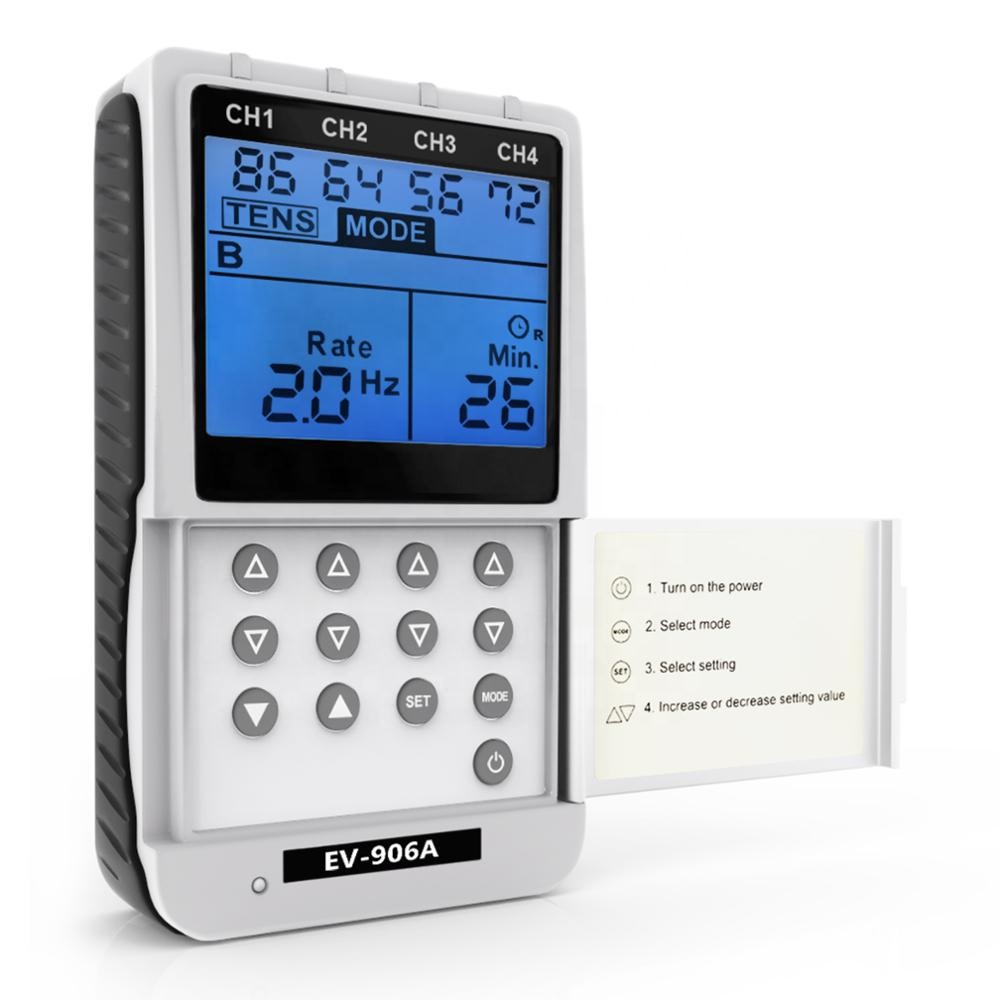
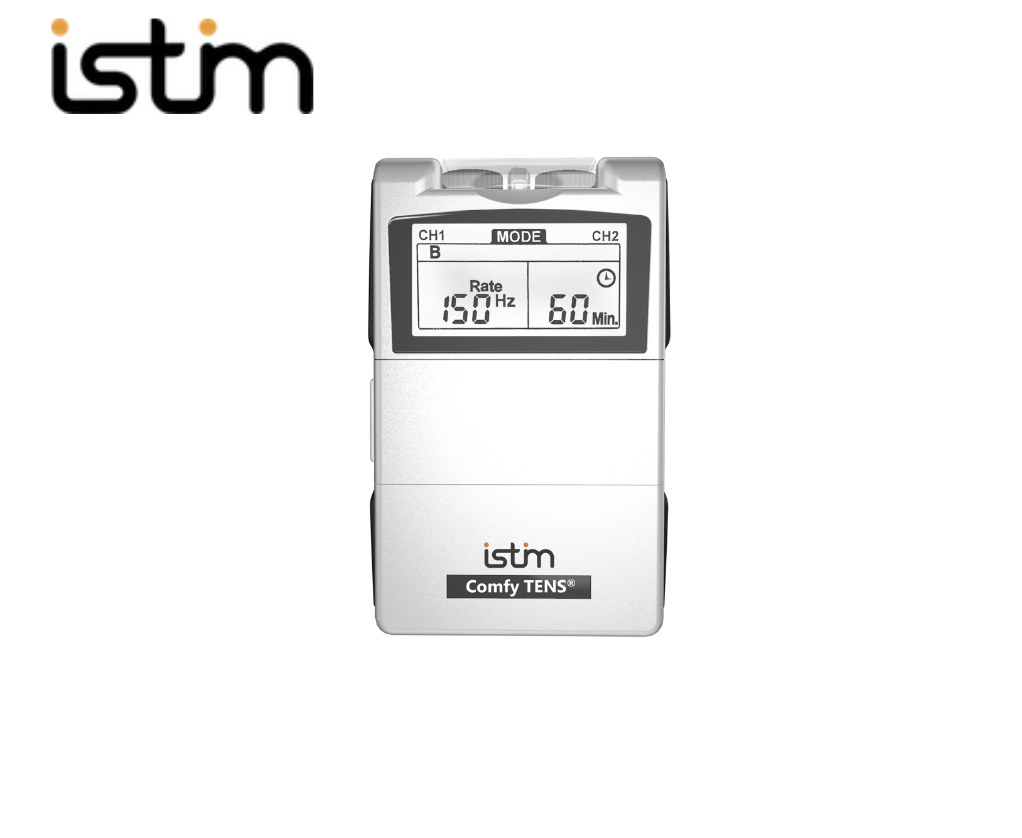
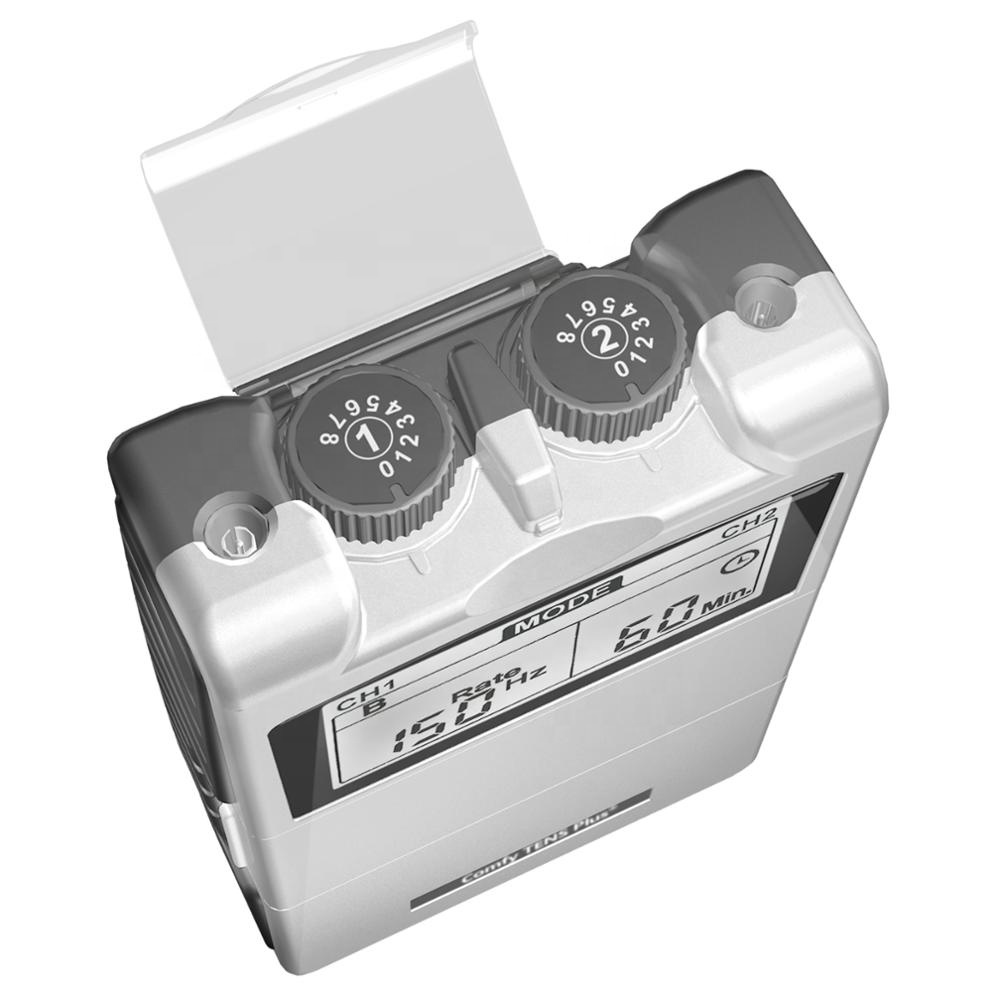
Our dual-channel portable units (such as the EV-804, EV-804P, and EV-906A) combine tactile reliability with digital program flexibility. Featuring independent intensity controls for Channel A and Channel B, these devices enable simultaneous treatment of multiple body zones (e.g., lower back and shoulder). Designed with protective compliance covers over intensity knobs to prevent accidental output jumps, making them ideal for home-care retail pharmacy channels and direct patient prescription.
Pelvic Floor Muscle Stimulators & Probes
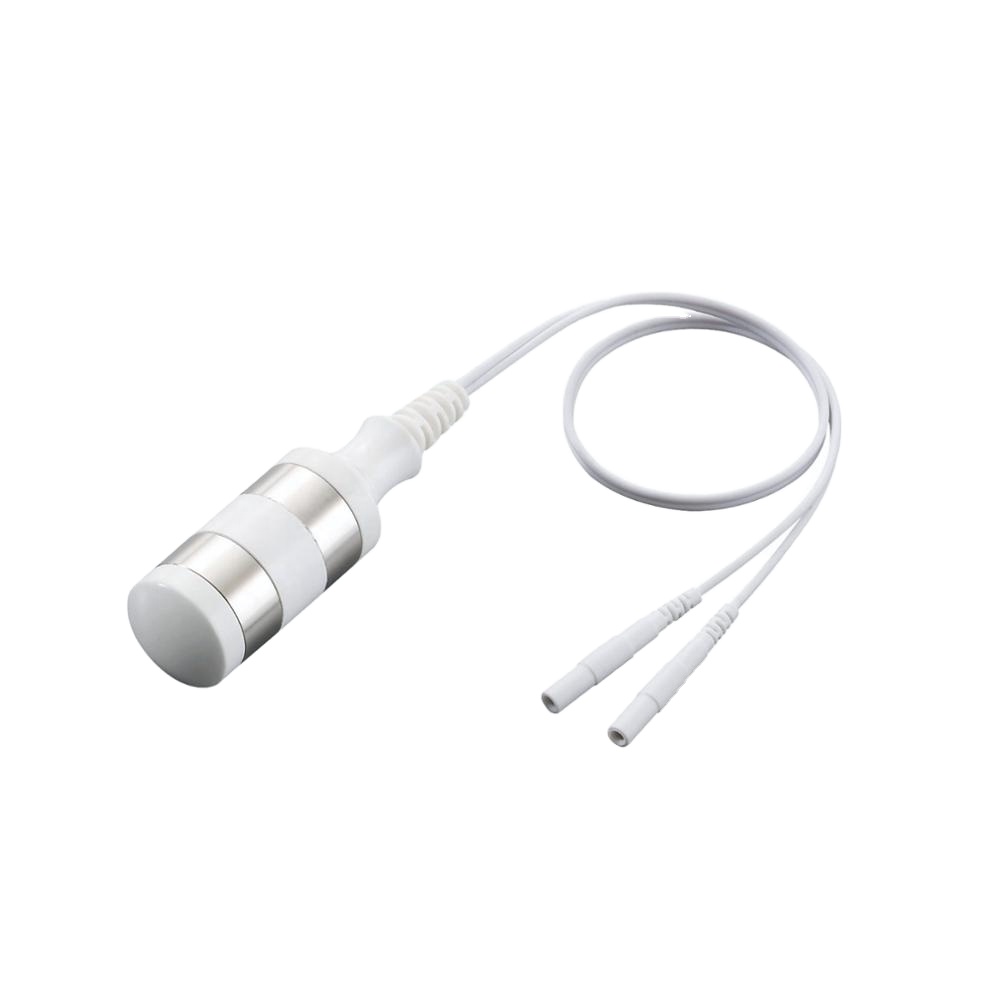
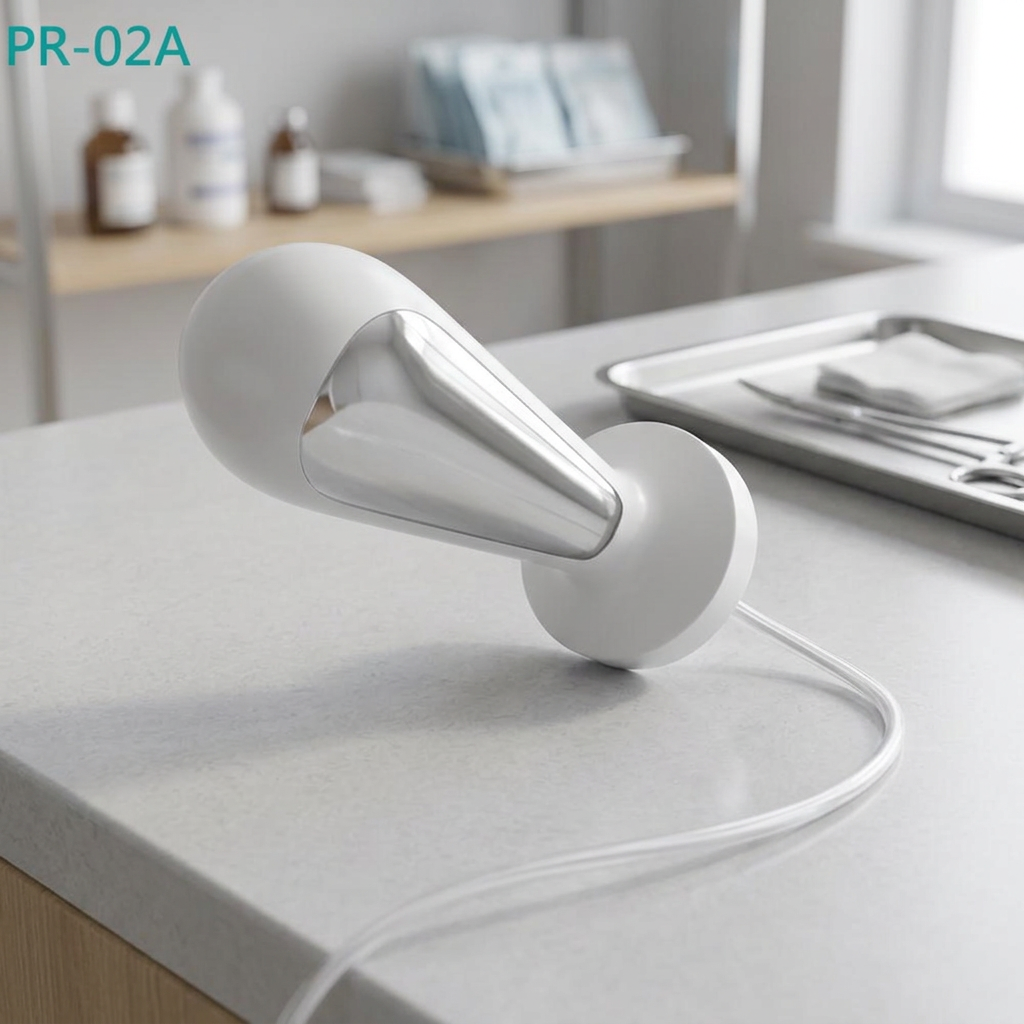
Addressing stress, urge, and mixed incontinence, our clinical pelvic floor stimulation devices (including model PR-14A and medical-grade probes) utilize targeted intracavity biofeedback and electrical stimulation. Probes are molded from high-impact ABS plastic and medical-grade stainless steel electrode rings, ensuring seamless biocompatibility (ISO 10993 tested) and smooth insertion for physical therapy rehabilitation centers and specialized gynecology practices.
Cervical & Lumbar Traction Systems
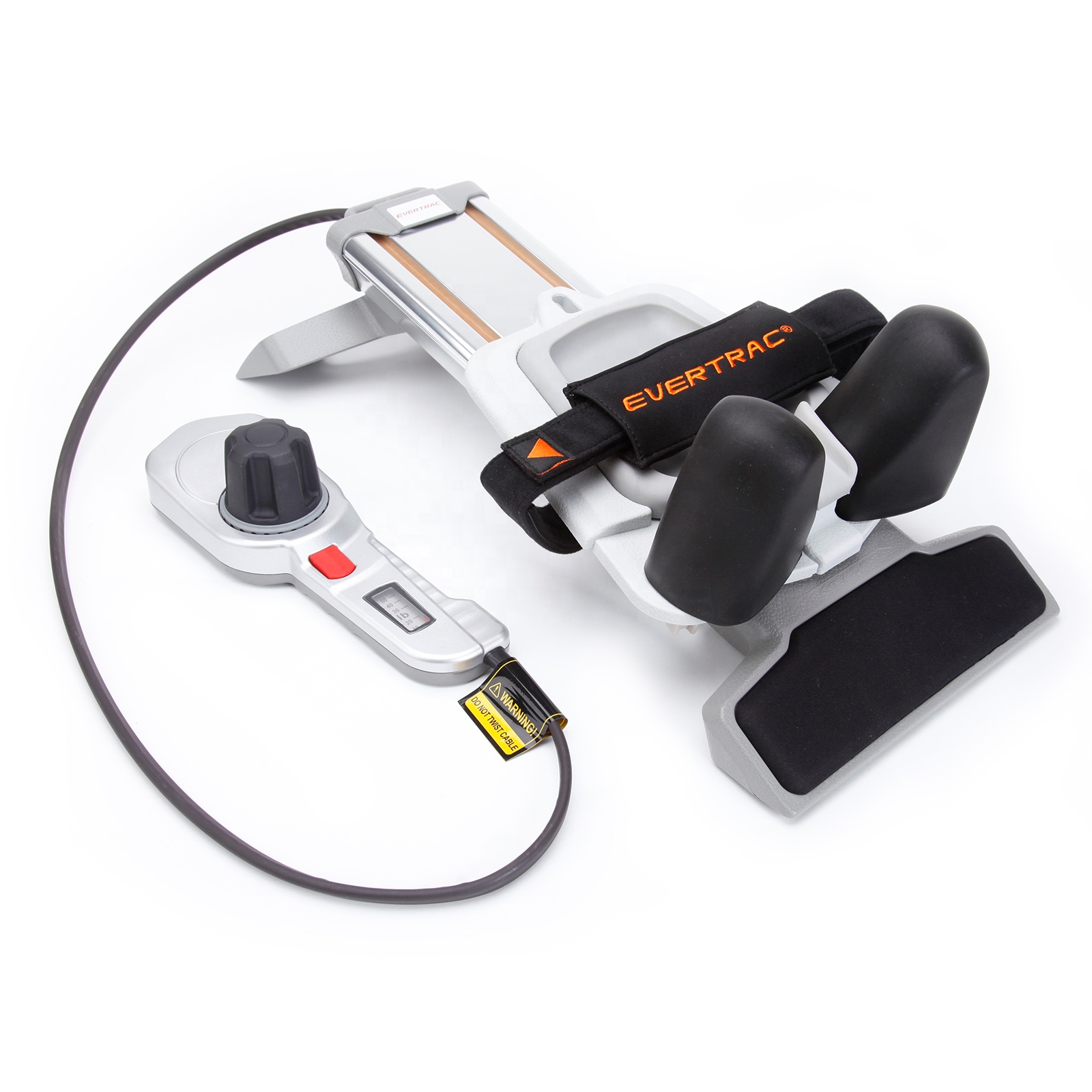
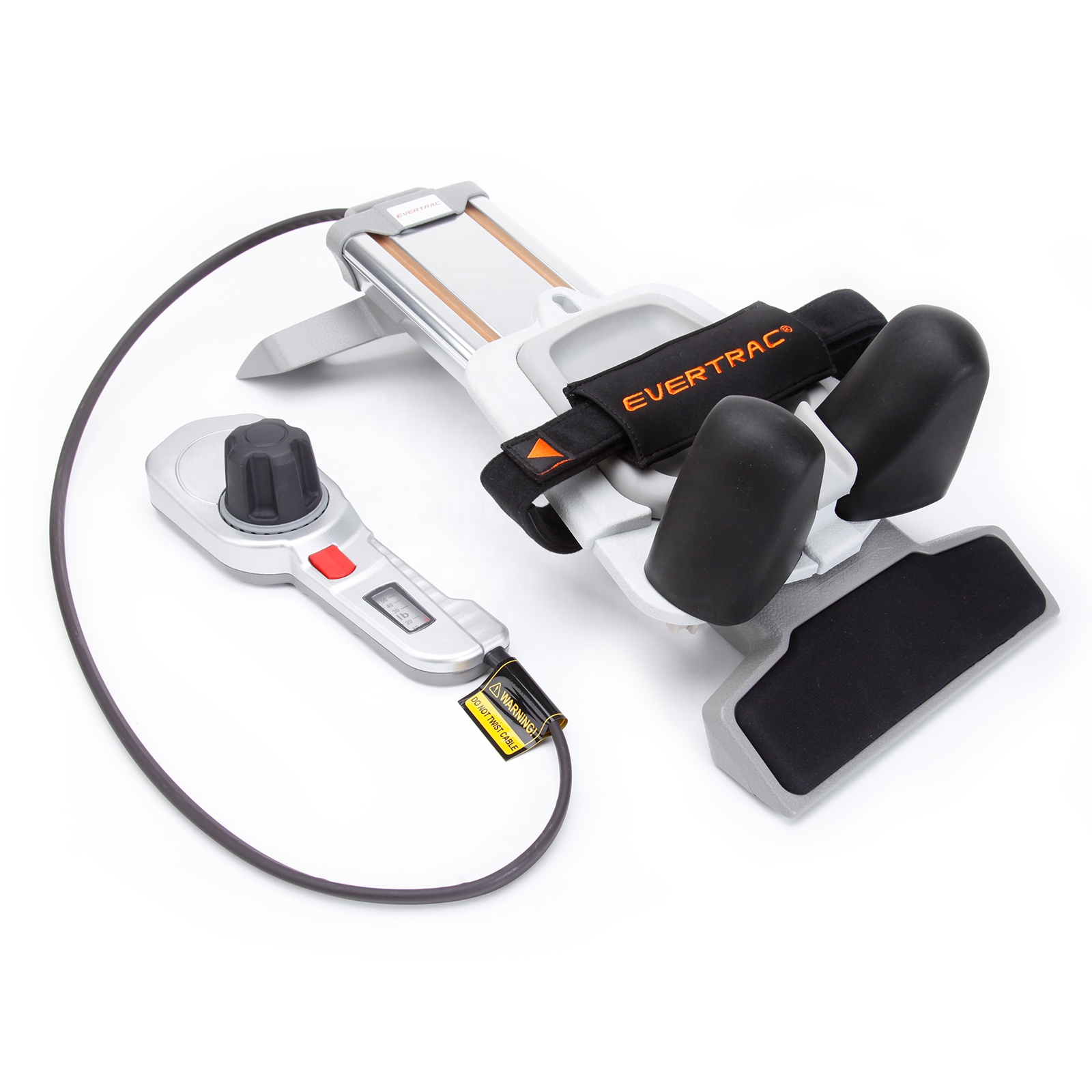
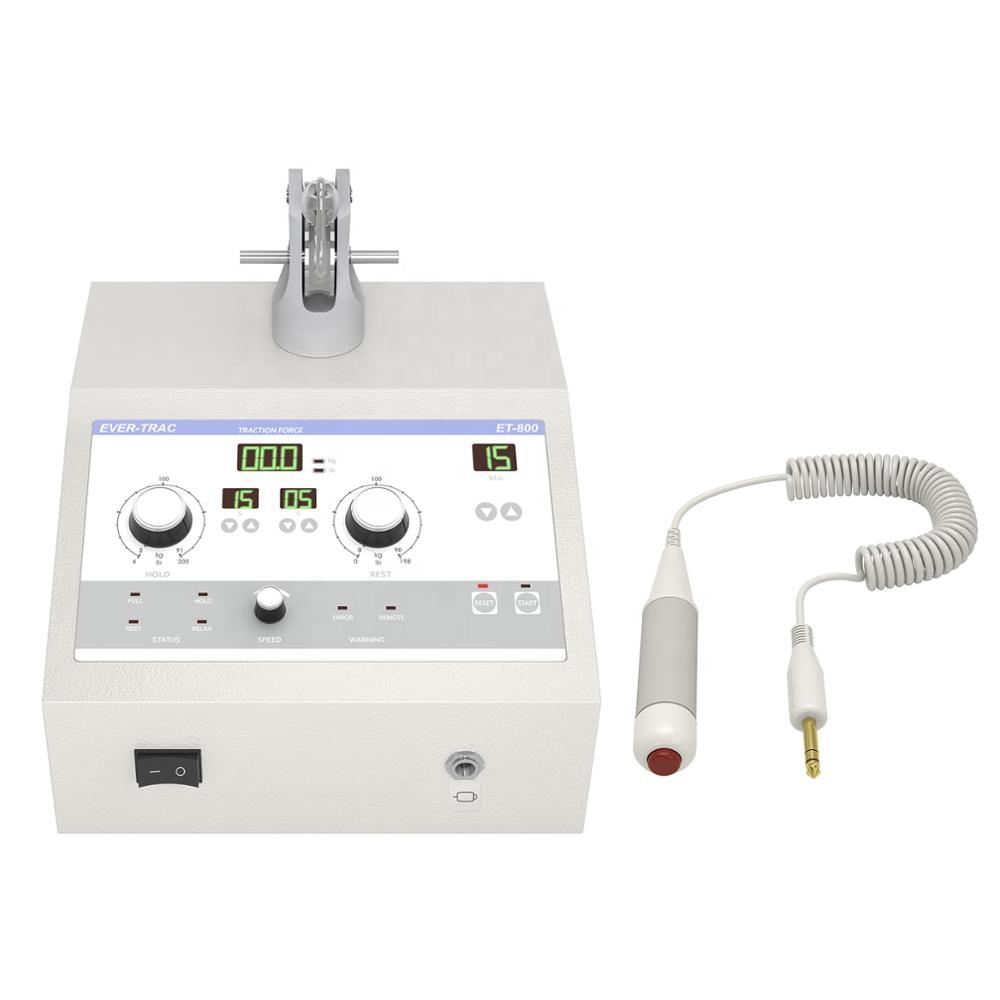
Designed for professional physiotherapy clinics, chiropractic centers, and orthopedic rehabilitation facilities, the CT-800 and ET-800 traction systems offer digital force calculation, continuous/intermittent hold-and-rest cycles, and automatic tension relief safety switches. Coupled with motorized multi-section treatment tables, these systems deliver precise decompressive force for intervertebral disc herniation and nerve impingement relief.
Self-Adhesive Hydrogel Electrodes & Conductive Garments
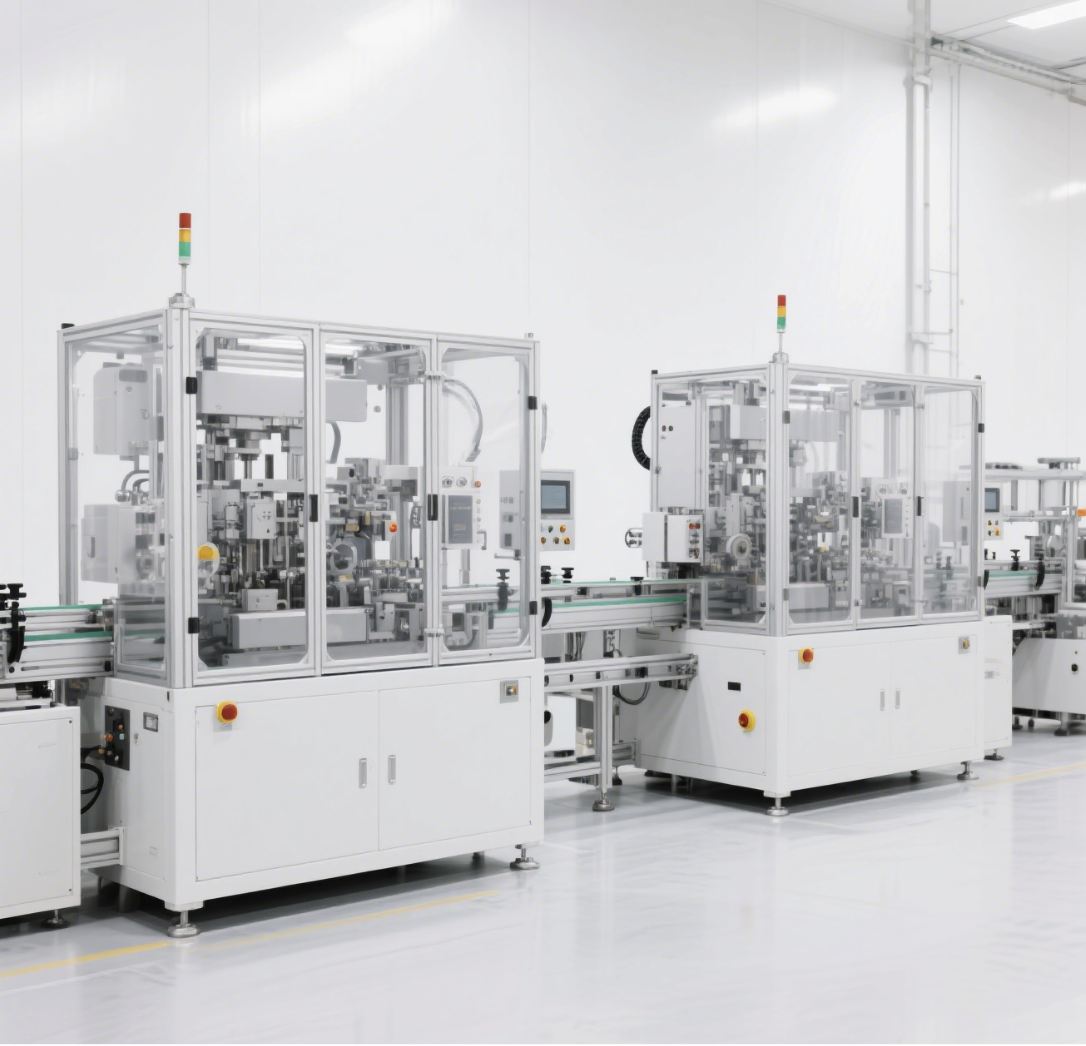
The long-term profitability of an electrotherapy distributor relies heavily on re-order revenue generated by high-performance consumables. Our automated production lines manufacture over 60,000 electrode pieces per day.
- Conductive Carbon Film: Uniform current distribution eliminating hot spots and electrical stinging.
- Biocompatible Hydrogel: Hypoallergenic, latex-free, retaining moisture across 30+ reuse cycles.
- Universal Connectors: Standard 2.0mm pin connectors and snap-button variants matching worldwide device lead-wires.
- Conductive Textiles: Silver-thread woven gloves, socks, and knee sleeves for circumferential diabetic neuropathy and arthritis relief.
Future Procurement Trends & Technological Evolution
Strategic insights into how digital healthcare convergence, micro-miniaturization, and regulatory shifts are reshaping the electrotherapy market.
1. Bluetooth IoT Integration & App-Controlled Therapy
The market is transitioning rapidly away from bulky standalone LCD units toward wire-free pod stimulators controlled via iOS and Android apps. These smart systems enable cloud-synced patient compliance tracking, remote physician prescription updating, and real-time logging of treatment intensity and duration—creating new recurring software-as-a-service (SaaS) business models for medical brands.
2. Multi-Modality Hybrid Waveform Protocols
Single-function devices are being superseded by multi-modality platforms integrating TENS, EMS, Interferential Current (IFC), and Microcurrent Stimulation (MCR) into a single system. Combining high-frequency IFC for deep tissue pain with low-frequency TENS for superficial analgesia accelerates patient recovery times and enhances distributor profit margins.
3. Heightened Regulatory Requirements (EU MDR & US FDA)
With the transition from EU MDD to MDR (Regulation EU 2017/745), active electrotherapy devices face rigorous Class IIa re-classification demands, clinical evaluation reports (CER), and Post-Market Clinical Follow-up (PMCF). Procurement teams must partner exclusively with manufacturers possessing established Technical Documentation Files to avoid sudden market access disruptions.
4. Sustainable & Biocompatible Consumables
Environmental regulations are driving innovations in eco-friendly packaging, hydrogels free of hazardous preservatives (e.g., parabens and skin sensitizers), and recyclable electrode backings. Advanced conductive textiles embedded with nanosilver matrix offer washable, long-life alternatives to disposable gel pads for chronic pain management.
USHC Medical OEM / ODM Capabilities & Corporate Strength
Why leading international healthcare brands choose USHC Medical as their primary contract manufacturer.

Vertically Integrated Manufacturing Facility
Founded in 1989, USHC Medical Instruments Co., Ltd. operates state-of-the-art production facilities certified under ISO 13485. Unlike trading companies or basic assembly shops, we control the complete manufacturing process—from plastic injection molding, Surface Mount Technology (SMT) PCB assembly, and microprocessor programming, to hydrogel compounding, lead-wire crimping, and final cleanroom packaging.
Our facility undergoes annual third-party audits by SGS and maintains official establishment listings with the US FDA and European Notified Bodies, offering uncompromised traceability across all serial numbers.
Custom OEM/ODM Project Lifecycle
Reviewing target market regulatory class, channel requirements, waveform specs, and enclosure ergonomics.
Developing custom circuit board schematics, firmware algorithms, LCD screen icons, and 3D CAD casing tooling.
Executing electrical safety (IEC 60601-1), EMC testing (IEC 60601-1-2), and biocompatibility assays on pre-production prototypes.
100% automated functional testing on calibrated test benches followed by cleanroom packaging and export dispatch.
Frequently Asked Questions for B2B Importers & Distributors
Clear answers to critical operational, technical, and regulatory questions.
USHC Medical Instruments Co., Ltd. is a verified custom manufacturer with its own production facilities located in Taiwan, supported by an integrated international trading and export logistics organization. Our manufacturing plant has been inspected on-site by SGS as an independent third-party auditor. Importers are welcome to schedule virtual factory tours or on-site quality control audits.
Our company operates under an ISO 13485 certified quality management system. The product portfolio includes CE-marked medical devices (with technical documentation aligned with EU MDR requirements) and US FDA-listed equipment. Model-specific test reports for safety (IEC 60601-1), electromagnetic compatibility (IEC 60601-1-2), and skin biocompatibility (ISO 10993) are supplied upon agreement during project onboarding.
MOQs depend on the level of customization required:
• Standard catalog items with private label branding: MOQs typically start at 500 to 1,000 units.
• Custom hydrogel electrode pad sizes/packaging: Starting at 10,000 pieces.
• Full ODM projects (custom plastic molds and PCB firmware): Evaluated based on annual forecast targets. Contact our engineering sales team for customized volume breakdowns.
We utilize medical-grade, hypoallergenic, conductive hydrogels formulated for low impedance and consistent moisture retention. Each batch undergoes peel-adhesion testing, electrical impedance testing, and accelerated aging stability studies. Sealed in protective aluminum foil pouches with resealable zip-locks, our electrode pads maintain a certified shelf life of 2 to 3 years under proper storage conditions.
Yes. Our in-house design and regulatory departments provide complete graphic design support for retail blister packs, color gift boxes, master cartons, and localized instruction manuals (English, Spanish, French, German, Arabic, etc.). We ensure all outer labeling complies with UDI (Unique Device Identification) and local medical device labeling directives.
Standard repeat orders for established models are delivered within 30 to 45 days upon artwork approval and deposit receipt. Initial OEM orders requiring custom enclosure tooling or regulatory file updates require 60 to 90 days. Expedited production slots are available for strategic stocking partners.
Partner with a Certified TENS & EMS Manufacturing Leader
Whether you are expanding an established medical brand, sourcing clinical devices for hospital contracts, or launching a new direct-to-consumer pain relief line, USHC Medical provides the technical expertise and manufacturing scale you require.
USHC Medical Instruments Co., Ltd. — Trusted Supply Chain Partner to 70+ Countries Worldwide.