Featured Medical Electrotherapy & Traction Products
Explore our flagship certified physical therapy machinery, digital TENS/EMS muscle stimulators, traction units, and precision intracavity rehabilitation probes manufactured in Taiwan and mainland industrial hubs under rigorous medical-grade quality management.
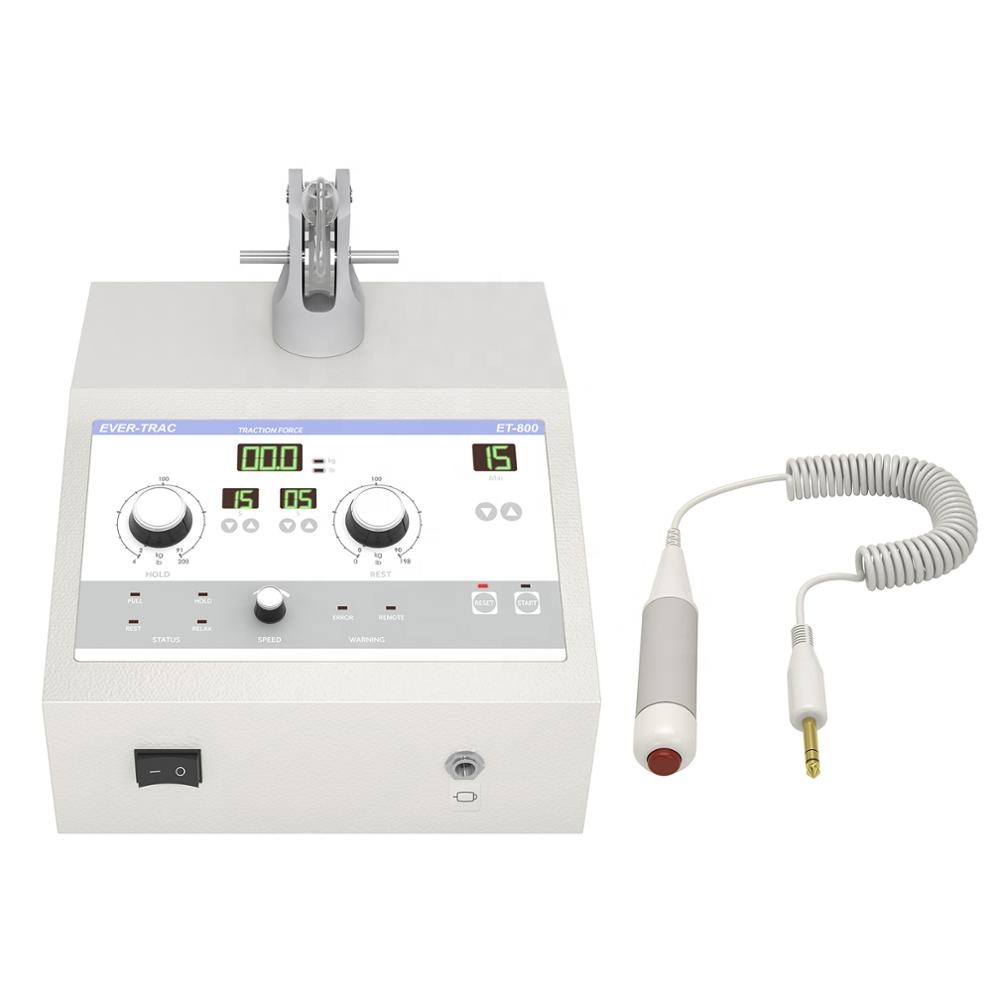
ET-800 Effective Lumbar Traction System Pain Relief Correction Device
View Product Specifications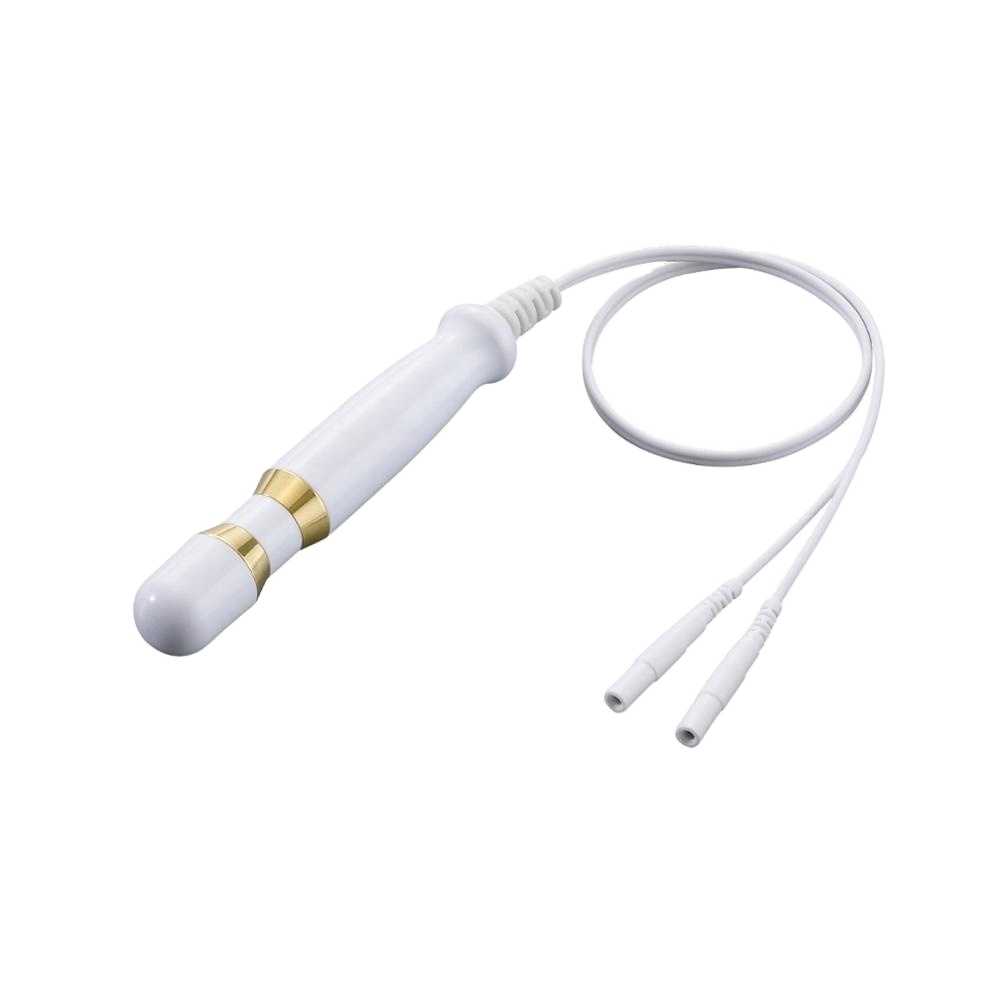
PR-06A+ Gold-Plated Rectal Probe Steel and ABS Class II Instrument
View Product Specifications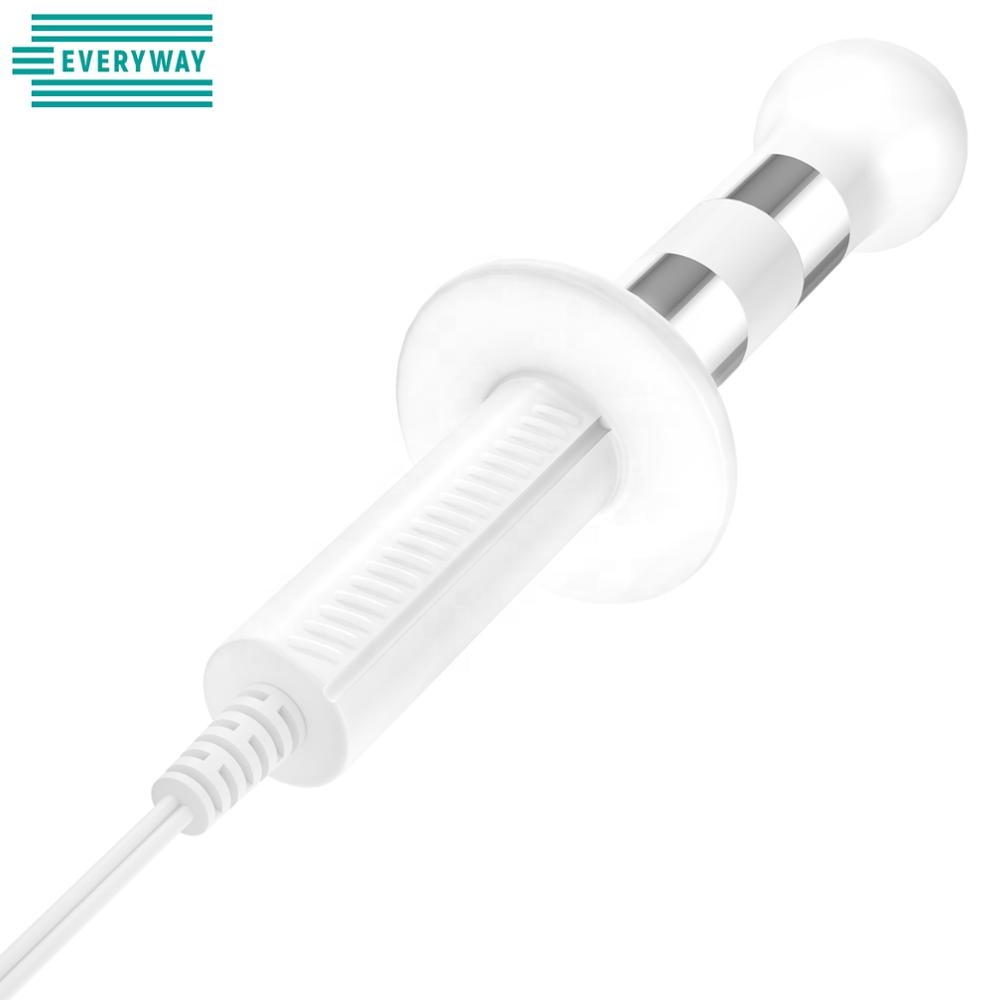
Taiwan PR-13A Medical Steel and ABS Rehabilitation Probe for Rectal Use
View Product Specifications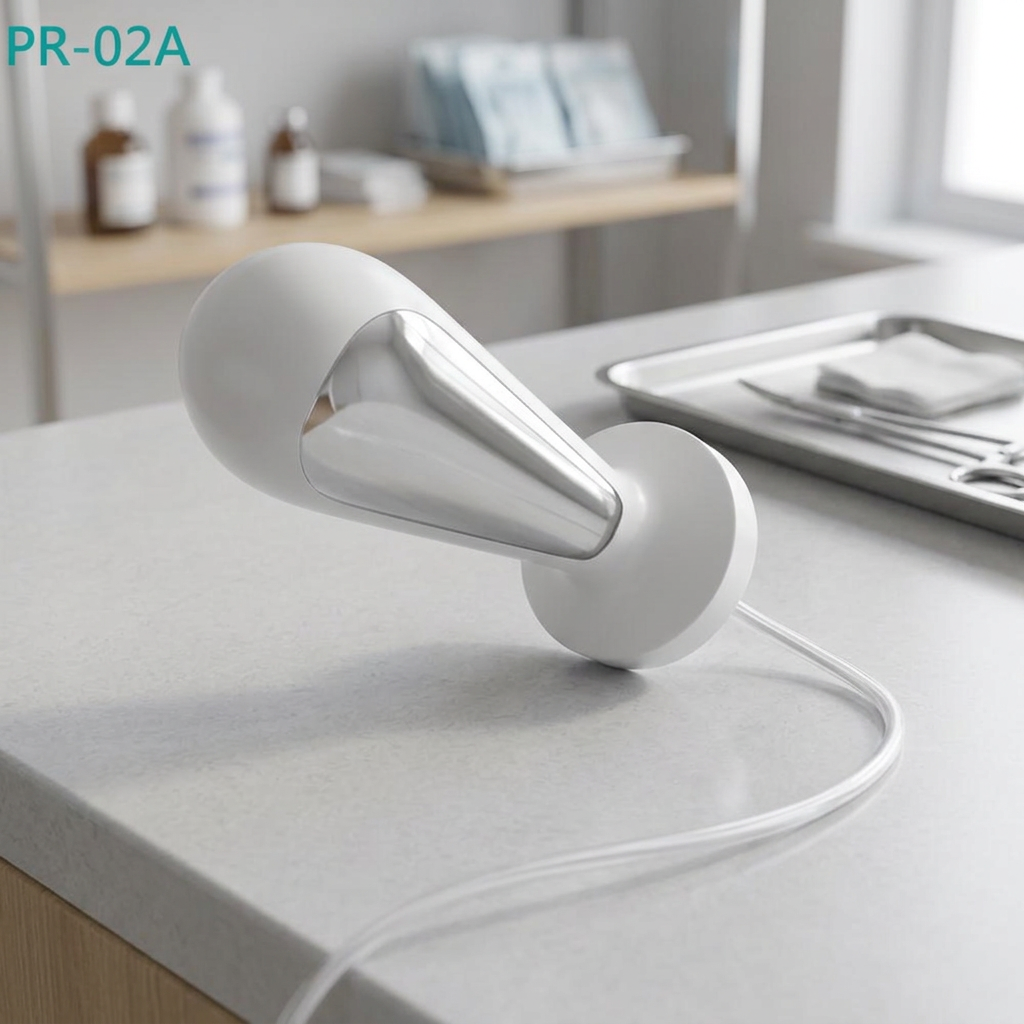
Medical Grade Pelvic Floor Stimulation Probe for EMS Incontinence Care
View Product Specifications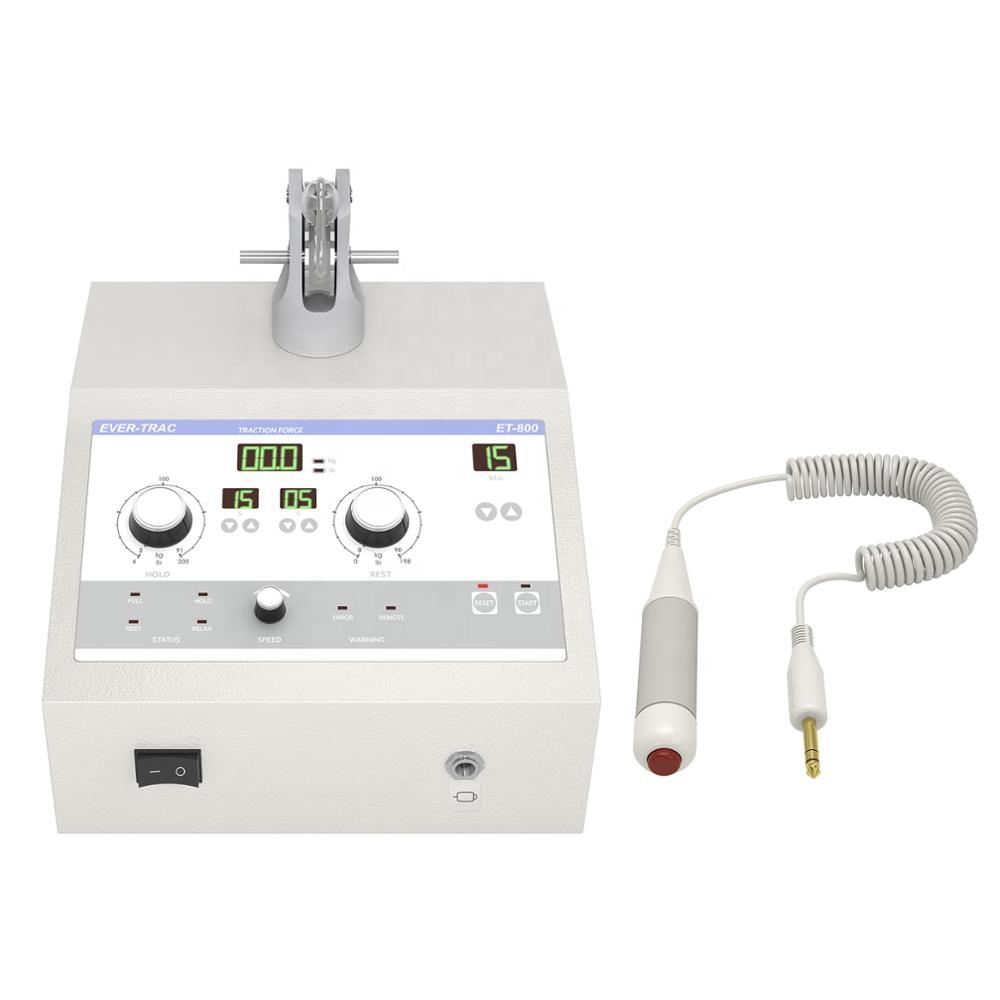
ET-800 Therapy Machines for Traction and Correction Units
View Product Specifications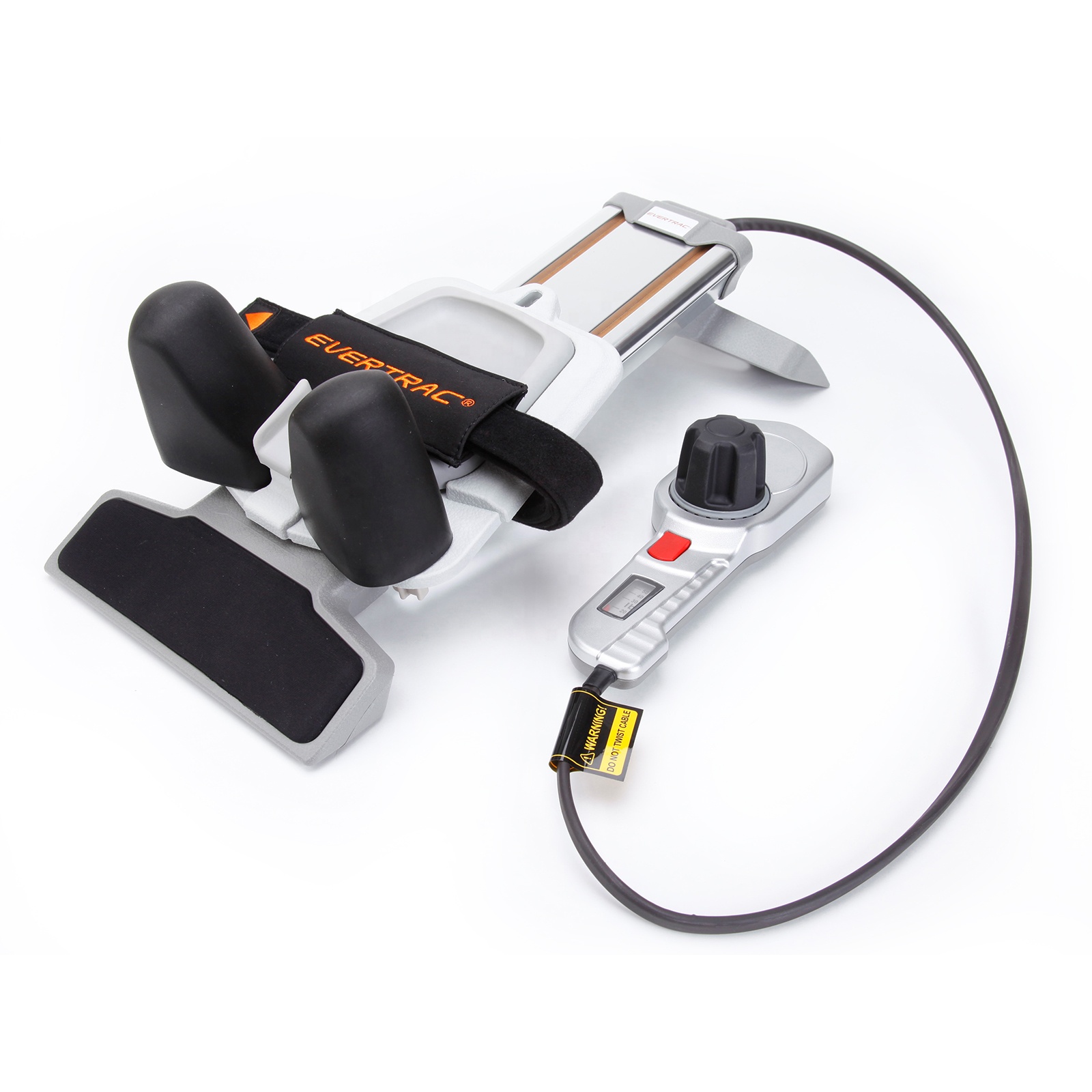
Taiwan CT-800 Neck Traction Unit Physical Therapy Equipment
View Product Specifications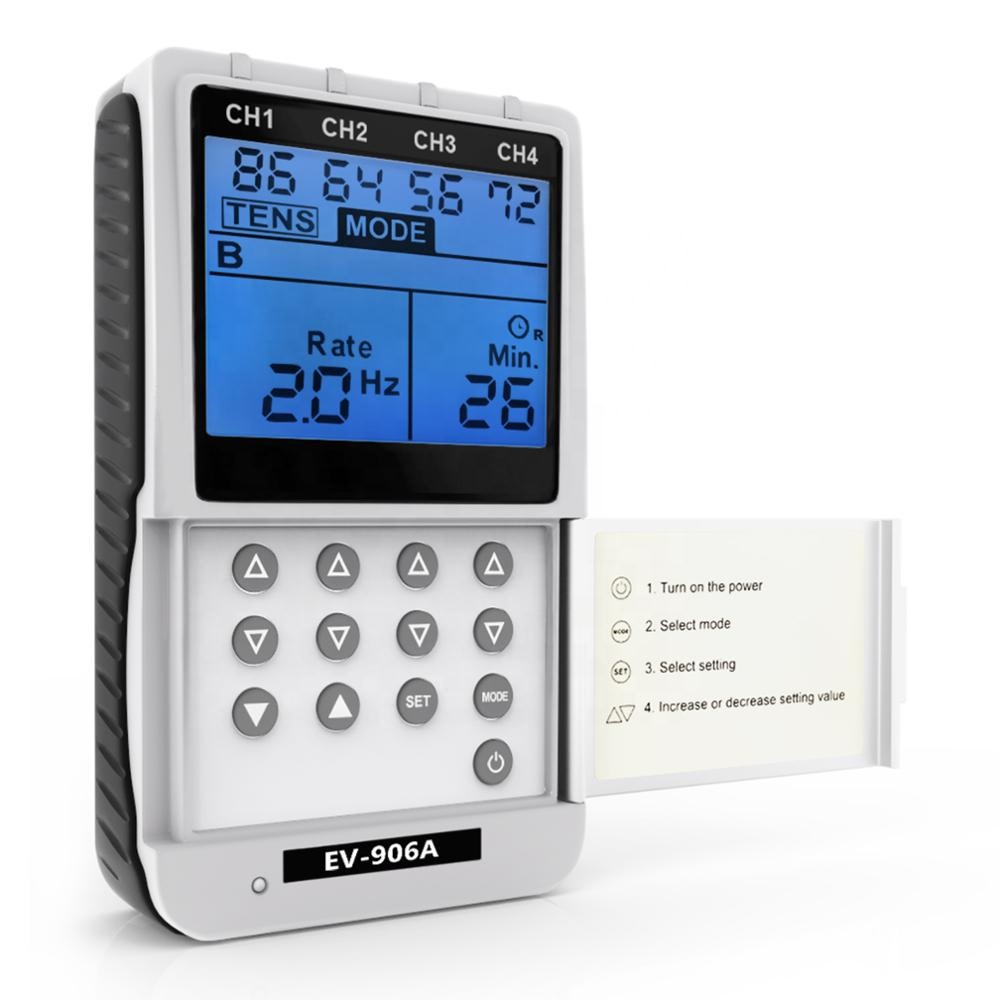
EV-906A TENS EMS Physical Therapy Equipment for Clinical Treatments
View Product Specifications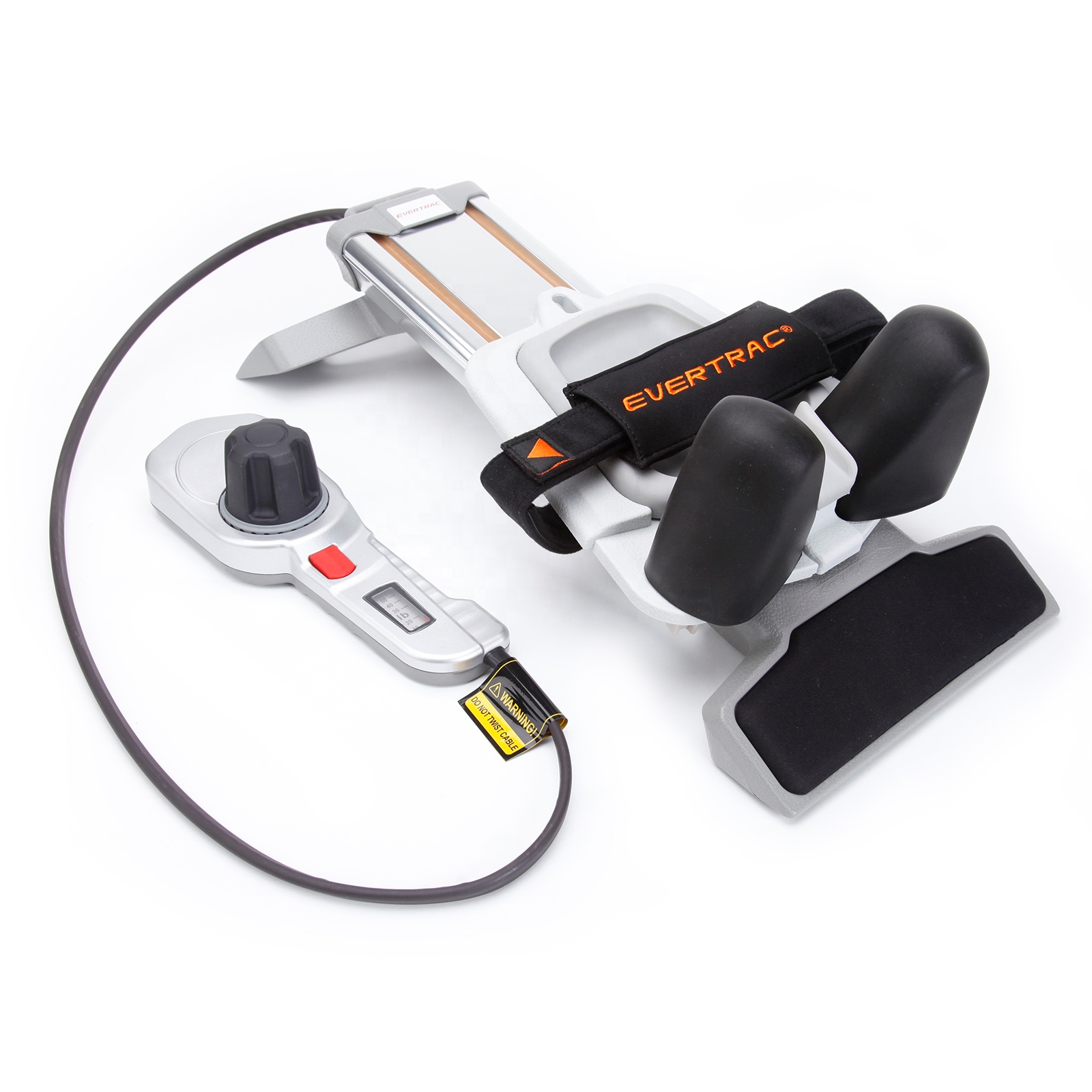
CT-800 Cervical Traction Unit Effective Neck Stretcher System
View Product SpecificationsExecutive Market Analysis: The Evolution of Chinese & Taiwanese Electrotherapy Manufacturing
The global market for electrotherapy equipment—encompassing Transcutaneous Electrical Nerve Stimulation (TENS), Neuromuscular Electrical Stimulation (NMES/EMS), pelvic floor rehabilitation devices, and spinal traction systems—is undergoing a rapid technological transformation. Projected to expand at a compound annual growth rate (CAGR) of 6.8% from 2025 to 2032, the market is driven by an aging global population, the rising incidence of chronic musculoskeletal disorders, and an accelerated transition toward non-invasive, drug-free pain management solutions.
Navigating the supplier matrix in China requires evaluating beyond basic price points. Tier-1 manufacturers differentiate themselves through strict adherence to international quality management systems (ISO 13485:2016), comprehensive regulatory technical documentation (EU MDR 2017/745 Class IIa/IIb and US FDA 510(k) clearances), and complete control over the vertical manufacturing ecosystem—from circuit board surface mount technology (SMT) to cleanroom automated hydrogel coating.
| Technology Modality | Primary Clinical Indication | Key Waveform Parameters | Regulatory Class (US/EU) | Primary Target Market Segment |
|---|---|---|---|---|
| Digital Dual-Channel TENS | Symptomatic relief of chronic intractable pain, post-traumatic pain | Asymmetrical Biphasic Pulse (1-150 Hz, 50-300 µs) | Class II (FDA 510k) / Class IIa (MDR) | Home Care, E-Commerce Brands, OTC Retail |
| EMS / NMES Muscle Stimulators | Muscle re-education, prevention of disuse atrophy, spasm relaxation | Symmetrical Biphasic Pulse (20-100 Hz, 100-400 µs) | Class II (FDA 510k) / Class IIa (MDR) | Sports Medicine, Physical Therapy Clinics |
| Pelvic Floor Rehabilitation (Intracavity) | Stress, urge, and mixed urinary incontinence; pelvic muscle toning | Low-frequency Monophasic/Biphasic (10-50 Hz) | Class II (FDA 510k) / Class IIa (MDR) | Urology & Gynecology Distributors, Specialized Rehab |
| Motorized Cervical & Lumbar Traction | Herniated discs, radiculopathy, facet syndrome, spinal decompression | Static / Intermittent Force (up to 91 kg / 200 lbs) | Class II (FDA 510k) / Class IIa (MDR) | Hospital Rehab Centers, Chiropractic Clinics |
Engineering & Manufacturing Excellence: The Technical Anatomy of Premium TENS & EMS Devices
Sourcing medical electrotherapy equipment demands an in-depth understanding of the hardware, electrical safety engineering, and material science that govern long-term clinical efficacy and patient safety. Leading Taiwanese and Chinese exporters like USHC Medical Instruments have spent decades perfecting these core technological modules:
1. Microcontroller & Output Stage Circuitry
The core of modern digital TENS/EMS units lies in high-precision microcontrollers delivering true constant-current or constant-voltage output stages. Advanced circuitry prevents uncomfortable skin stinging by maintaining stable pulse amplitude even as skin-electrode impedance fluctuates between 500 Ω and 2000 Ω.
2. Hydrogel & Electrode Pad Science
The electrode interface dictates impedance efficiency and skin safety. Tier-1 facilities utilize Japanese or medical-grade US hydrogels paired with low-impedance carbon conductive film. Biocompatibility testing according to ISO 10993-5 (Cytotoxicity) and ISO 10993-10 (Sensitization) guarantees non-irritating, reusable performance over 30+ applications.
3. Intracavity Biofeedback Probes
Rehabilitation for incontinence requires medical-grade stainless steel (SUS304/316L) or pure gold-plated electrode plates fused to biocompatible ABS bodies. Gold plating prevents nickel allergies, enhances signal conductivity, and resists degradation during clinical chemical disinfection procedures.
Procurement Trends & Future Outlook: What Global Buyers Must Plan For
As healthcare delivery models shift toward home-based therapy, remote patient monitoring (RPM), and eco-conscious manufacturing, global B2B procurement directors must align with factories capable of supporting next-generation product lifecycles.
IoT & Wireless Wearable Integration
Traditional wired lead cables are giving way to ultra-compact, Bluetooth-enabled app-controlled TENS/EMS patches. Modern OEM factories must possess wireless RF testing capabilities, mobile application firmware co-development, and low-power battery optimization standards.
Regulatory Tightening (EU MDR & FDA 510k)
With the full implementation of EU MDR 2017/745, notified bodies require extensive Clinical Evaluation Reports (CER), Post-Market Surveillance (PMS), and UDI barcode traceability. Partnering with factories that maintain complete Technical Documentation Files saves years of regulatory approval delays.
Sustainable Materials & Recyclability
Environmental stewardship is entering medical device purchasing criteria. Forward-thinking manufacturers are adopting hydrogels free of harsh cross-linking chemicals, recyclable packaging structures, and energy-efficient automated cleanroom production lines.
Why Partner With USHC Medical: 35+ Years of Proven Manufacturing Integrity
Founded in 1989 in Taiwan, USHC Medical Instruments Co., Ltd. has established itself as an authoritative global leader in custom manufacturing electrotherapy units, self-adhesive electrode pads, intracavity probes, conductive garments, and motorized traction treatment tables. Serving brand owners, hospital suppliers, and medical distributors across more than 70 countries, USHC combines Taiwanese engineering precision with scalable manufacturing capacity.
ISO 13485 & SGS Audited Site
Operating under a fully certified ISO 13485 Quality Management System, our facility undergoes rigorous third-party auditing by SGS. We provide complete batch traceability, incoming raw material verification, and 100% finished-good functional electrical testing.
Massive Capacity & Vertically Integrated
With an automated electrode production output exceeding 60,000 pieces per day alongside dedicated SMT and mechanical assembly bays, USHC handles both high-volume private label orders and complex ODM customized projects with reliable lead times.
Turnkey OEM / ODM Customization
From initial industrial design and tooling to custom pulse parameter programming, private-label packaging, localized user manuals, and regulatory submission assistance, our engineering team acts as an extension of your product development department.
Ready to consult with our Senior Biomedical Engineering Team for your OEM/ODM Project?
Contact UsFrequently Asked Questions (B2B Procurement & Technical FAQ)
Here are direct answers to common technical, compliance, and commercial queries raised by international medical device buyers when evaluating Chinese and Taiwanese TENS stimulator factories.
Authentic manufacturers possess on-site ISO 13485 quality management certificates issued by accredited Notified Bodies (such as SGS, TÜV Rheinland, or BSI) specifically referencing the manufacturing facility's physical address. Furthermore, genuine factories welcome third-party factory audits, hold direct factory FDA Establishment Registration numbers, and maintain dedicated production infrastructure such as cleanroom hydrogel coating lines, SMT machinery, and electrical safety testing laboratories.
Standard private-label programs for digital TENS/EMS units typically start at 500 to 1,000 units for standard housing color customization and private artwork branding. For self-adhesive electrode pads, standard MOQs range from 5,000 to 10,000 packs (depending on pad sizing and hydrogel specification) to optimize automated die-cutting and pouch sealing efficiency.
For the United States, TENS and EMS units are Class II medical devices requiring an active 510(k) clearance or OTC clearance under regulation 21 CFR 882.5890, alongside FDA Device Registration and Listing. For the European Union, products must comply with MDR 2017/745, requiring a Class IIa CE certificate from a Notified Body, IEC 60601-1 (Electrical Safety), IEC 60601-1-2 (EMC), IEC 60601-2-10 (Nerve & Muscle Stimulator Safety), ISO 10993 (Biocompatibility), and a comprehensive Clinical Evaluation Report (CER).
Medical-grade stainless steel (SUS304/316L) probes offer excellent durability and general conductivity for standard clinical use. Gold-plated probes (such as our PR-06A+ model) provide superior signal transmission, significantly lower contact impedance, and are completely nickel-free. Gold-plated probes are ideal for patients with metal hypersensitivity or nickel allergies, ensuring maximum biofeedback accuracy and patient safety.
USHC utilizes premium, non-cytotoxic hydrogels synthesized with controlled moisture-retention agents. Every batch undergoes rigorous tackiness testing, electrical impedance verification (<50 Ω per pad), and accelerated aging stability tests. Pouches are hermetically sealed in multi-layer aluminum foil barrier packaging, guaranteeing a minimum shelf life of 2 to 3 years when stored under recommended environmental conditions.
Yes. Our senior biomedical electronic engineers can program custom microcontrollers to output specific pulse durations (10 to 500 µs), variable frequencies (0.5 to 1000 Hz), ramp-up/ramp-down timing sequences, and custom burst modes. We collaborate with clinical researchers and brand owners to implement proprietary therapeutic algorithms under strict Non-Disclosure Agreements (NDA).
Initiate Your Global Electrotherapy Sourcing Partnership
Partner with a verified manufacturer holding 35+ years of electrotherapy excellence, ISO 13485 credentials, and exporting capabilities to 70+ nations. Request detailed product catalogs, test reports, or custom OEM quotations today.