Medical-Grade NMES, TENS & Physical Therapy Equipment
Precision-engineered electrotherapy units, intracavity probes, and traction systems manufactured to global clinical standards.
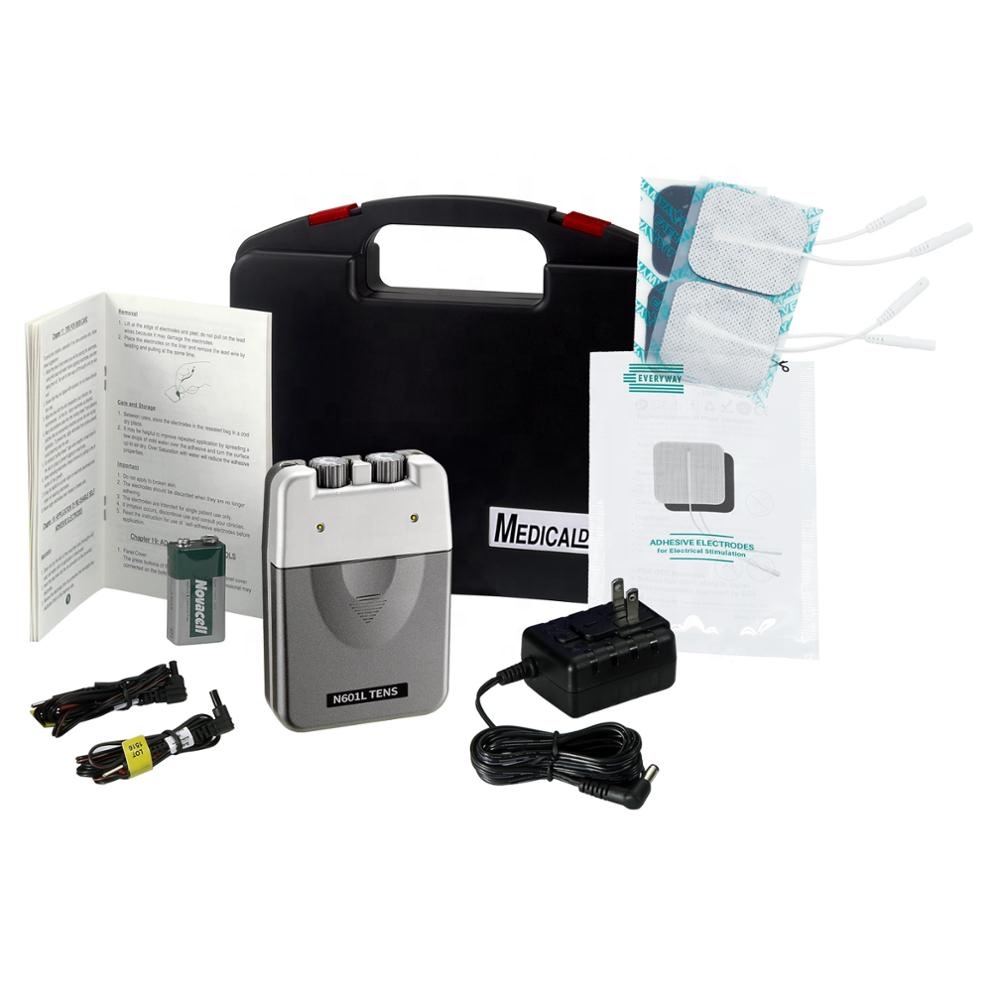
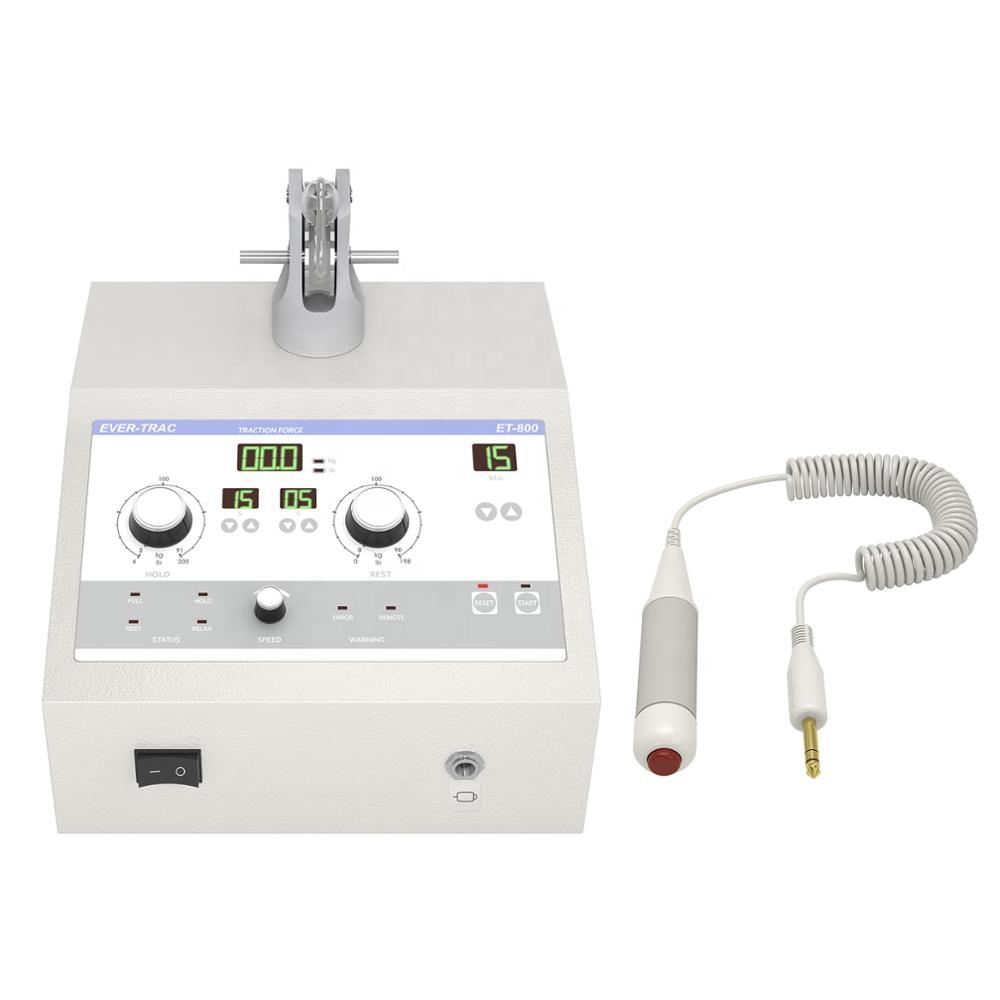
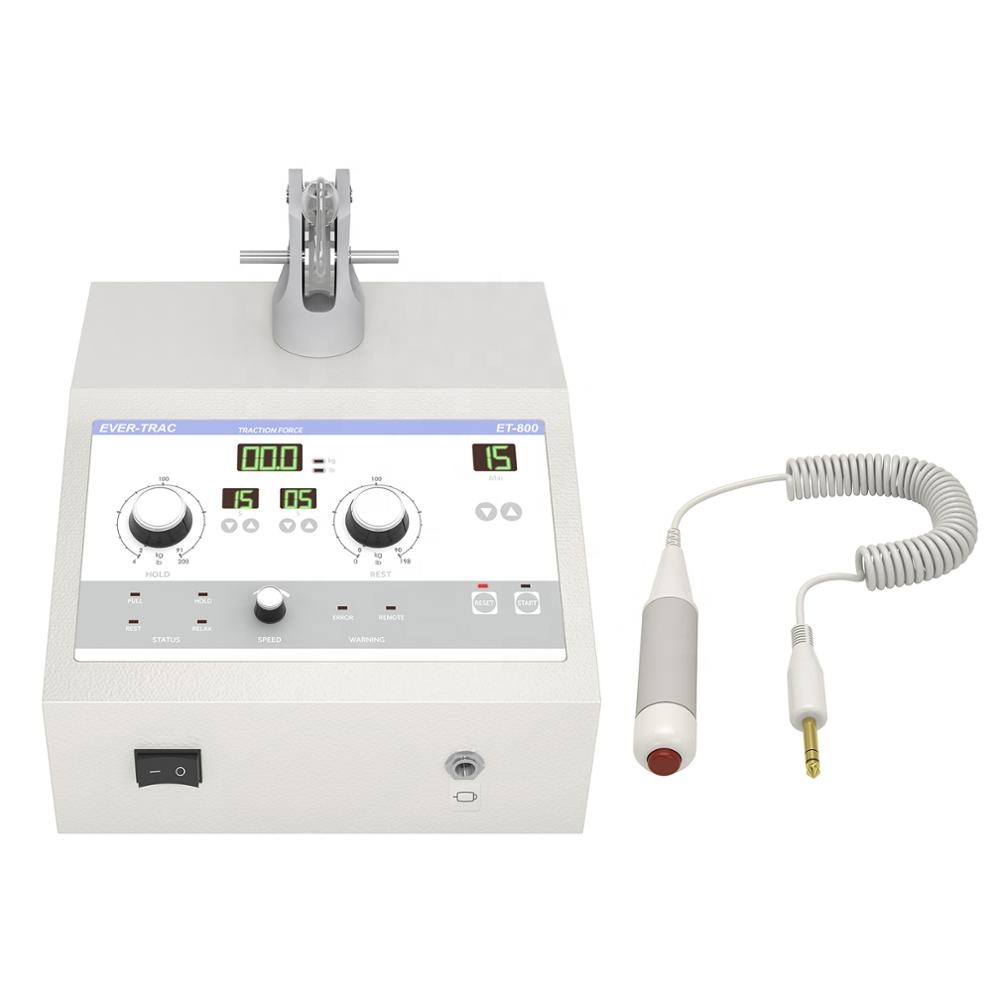
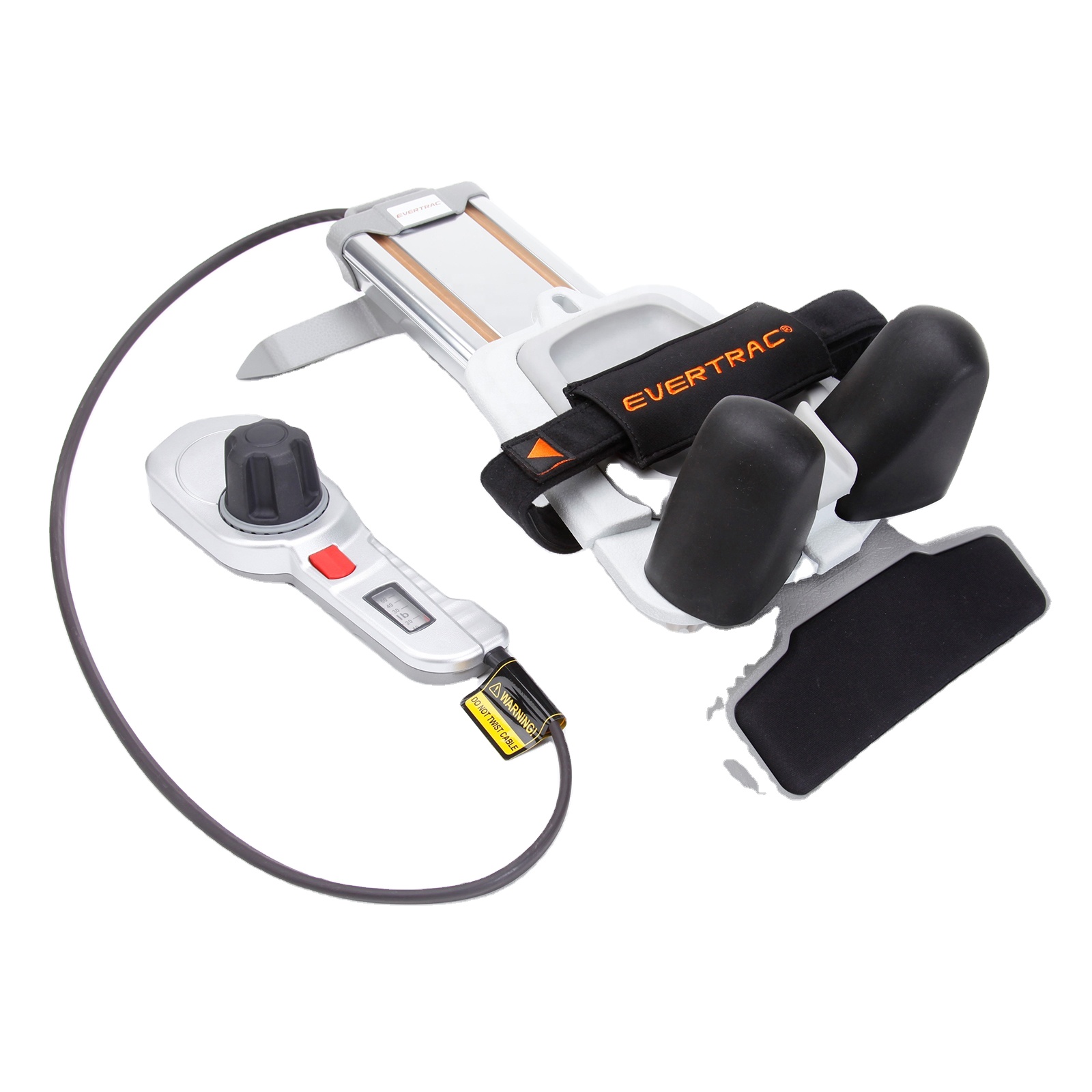
The Strategic Guide to Sourcing Neuromuscular Electrical Stimulation (NMES) from China
Navigating the global supply chain for physical therapy, electrotherapy, and rehabilitation equipment requires deep technical awareness, regulatory foresight, and manufacturing audit verification. As medical device brands and hospital distributors seek high-precision manufacturing partners in China and Taiwan, understanding the nuances of NMES technology becomes paramount to securing market advantage.
Clinical Distinction: NMES vs. TENS vs. EMS
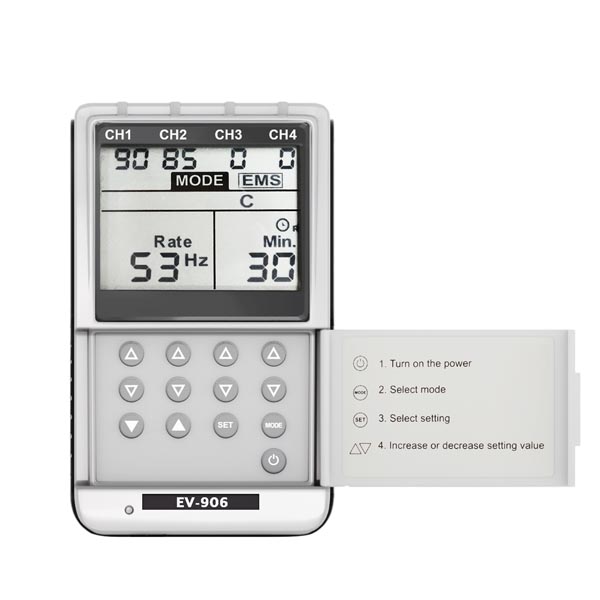
While Transcutaneous Electrical Nerve Stimulation (TENS) targets sensory nerves to inhibit pain signals according to the Gate Control Theory, Neuromuscular Electrical Stimulation (NMES) specifically depolarizes peripheral motor nerves to induce visible muscular contractions. NMES utilizes higher intensity current bursts, longer pulse widths (typically 200–400 μs), and structured ramp-up/ramp-down duty cycles to prevent muscle fatigue while promoting re-education, preventing disuse atrophy, and enhancing local blood circulation.
Regulatory Gatekeeping & Quality Management
International sourcing of electrotherapy devices demands strict compliance with global quality management systems. Importers must prioritize OEM factories operating under certified ISO 13485 frameworks with established Risk Management (ISO 14971) protocols. Furthermore, market access relies on device classification: FDA 510(k) clearances for Class II devices in the USA, and CE Marking compliance under the stringent European Union Medical Device Regulation (EU MDR 2017/745).
Why Leading Global Brands Partner with USHC Medical Instruments
With an established manufacturing footprint in Taiwan and Greater China, USHC Medical Instruments Co., Ltd. delivers custom OEM/ODM solutions backed by SGS on-site audits, advanced automation, and comprehensive regulatory file support.
End-to-End Private Labeling & ODM
We provide full-spectrum ODM engineering—from custom mold creation, PCB design, firmware programming for customized wave patterns, to private label retail packaging, multi-language manual printing, and specialized accessory matching.
Automated Quality Assurance
Every single device undergoing production experiences automated electrical tolerance checks, load impedance testing (500Ω clinical standard), output current consistency verification, and dielectric strength safety testing prior to shipment.
Integrated Accessory Manufacturing
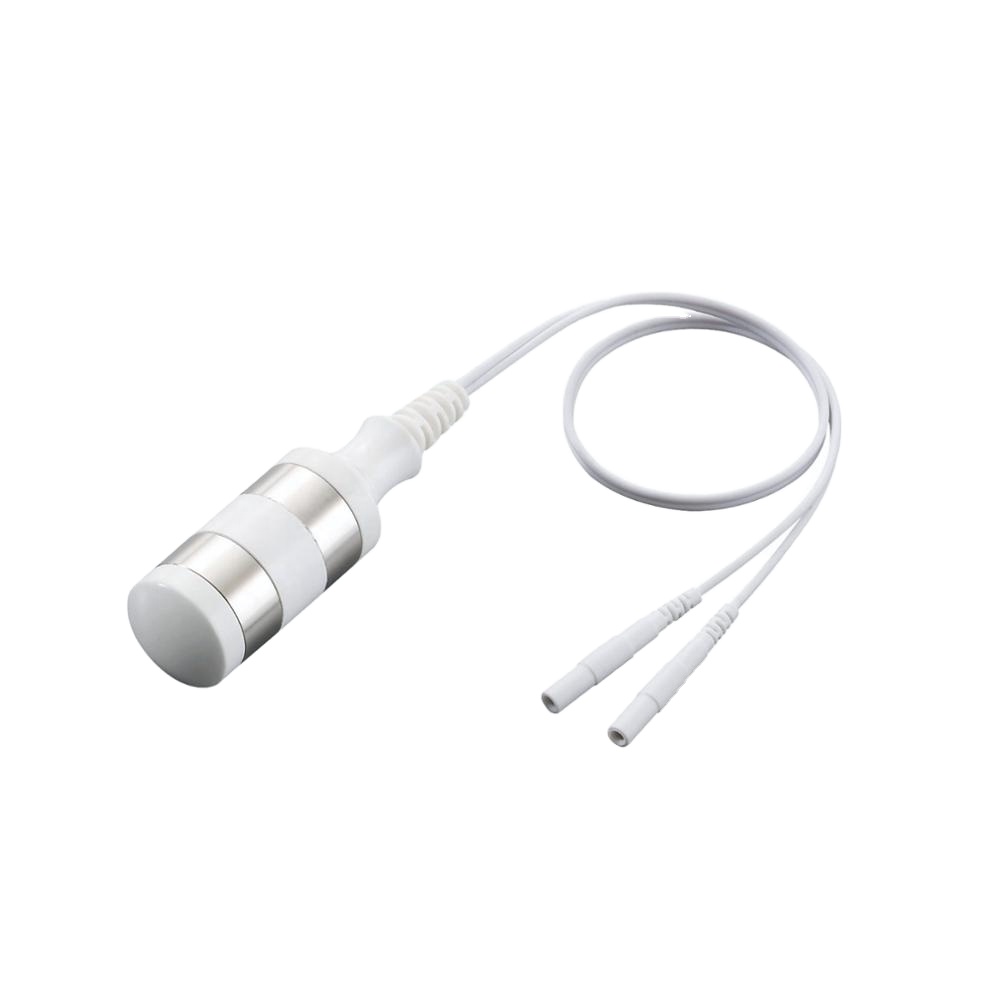
Uniquely positioning our supply chain, we produce all consumables in-house—including hydrogel self-adhesive electrode pads, medical-grade stainless steel intracavity probes (vaginal/rectal), and silver-fiber conductive garments.
Future Procurement & Technological Trends in NMES Manufacturing
As the global market for medical rehabilitation expands, procurement teams must align with emerging technology roadmaps and changing buyer expectations to maintain market dominance.
1. Smart Connectivity & Mobile Biofeedback Integration
Future NMES devices are rapidly moving away from standalone handheld controllers toward Bluetooth Low Energy (BLE)-enabled hubs. Integrating real-time EMG (Electromyography) biofeedback with NMES allows devices to sense a patient's voluntary muscle contraction attempt and trigger electrical stimulation assistance precisely at the peak moment of effort. Procurement managers should actively evaluate suppliers offering SDK/API support and iOS/Android application custom white-labeling.
2. Intracavity Pelvic Floor Stimulator Miniaturization
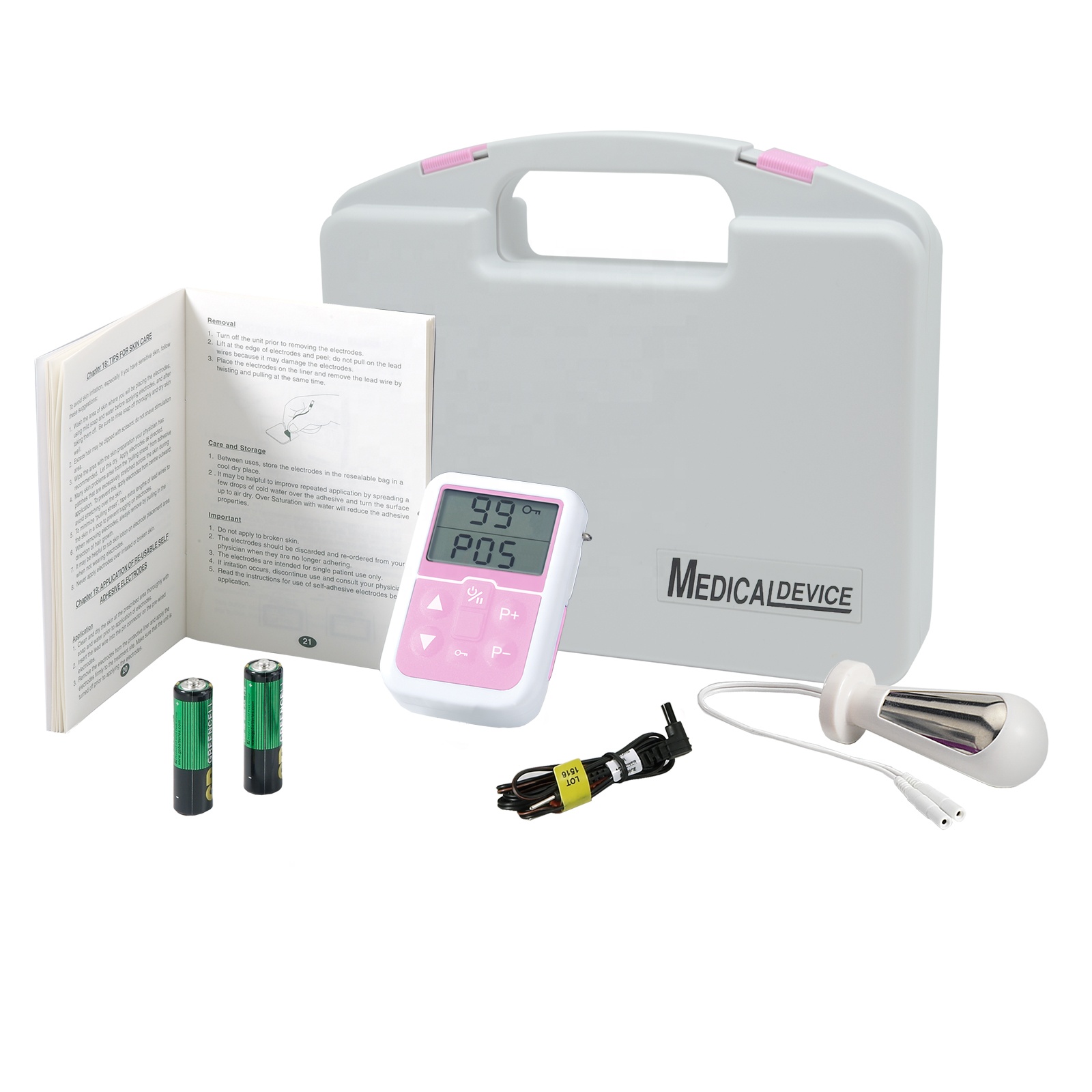
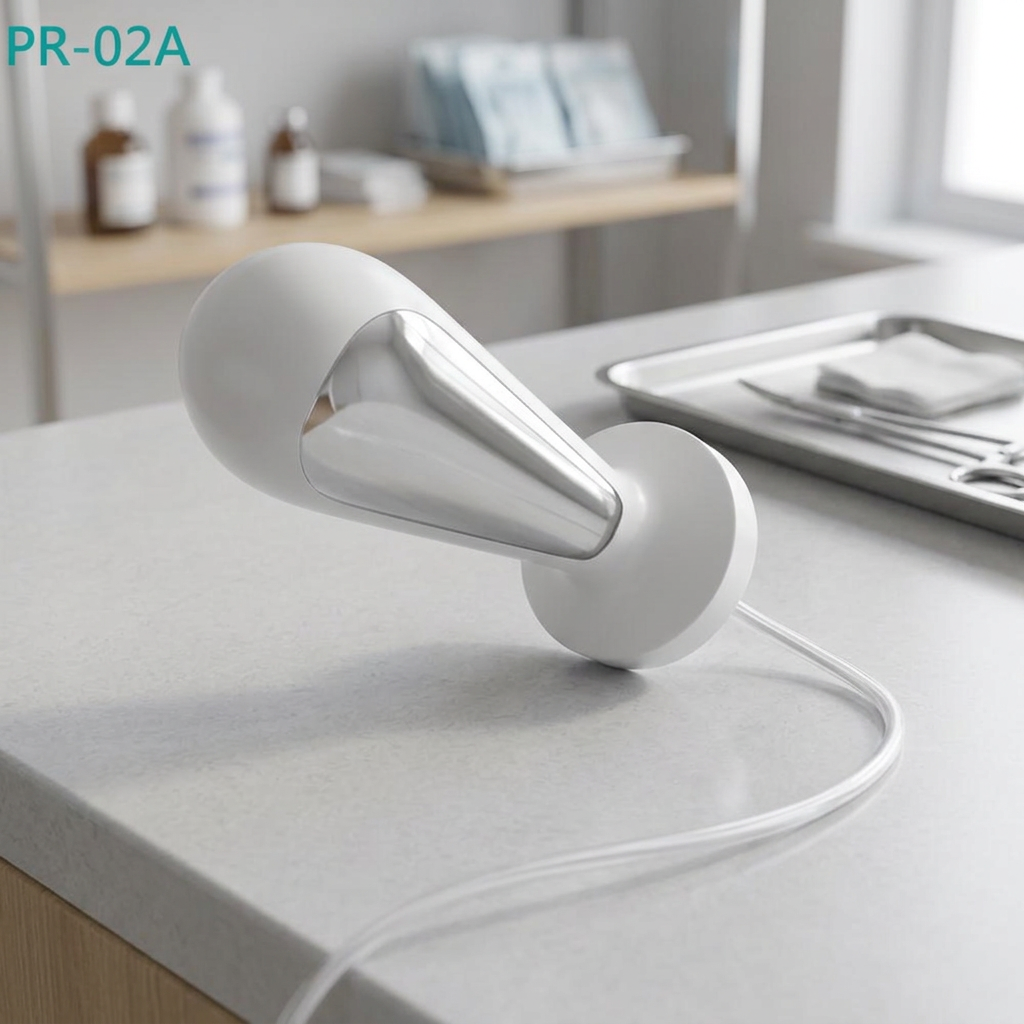
Targeting post-partum rehabilitation and urinary incontinence therapy, the demand for specialized pelvic floor electrical stimulators (like the EVERYWAY EM-2400 and PR-14A series) is surging globally. Procurement trends emphasize non-cytotoxic, medical-grade ABS materials fitted with surgical steel (SUS 316L) or gold-plated electrode contacts, optimized for ergonomic comfort and high conductivity.
3. Rechargeable Lithium Systems & Type-C Standardization
Replacing traditional 9V disposable batteries with high-capacity rechargeable lithium-polymer battery packs featuring USB Type-C charging ports has become a market baseline. Suppliers must incorporate power management integrated circuits (PMIC) complying with IEC 62133 battery safety standards and IEC 60601-1 electrical safety certifications.
4. Biocompatible Hydrogel & Conductive Garment Advancements
Consumables represent a continuous revenue engine for medical distributors. Next-generation self-adhesive electrode pads utilize multi-layer carbon film technology paired with Japanese or Taiwanese non-sensitizing hydrogels. These achieve up to 30–50 reapplication cycles while maintaining low impedance (< 50Ω) and passing ISO 10993-5 (cytotoxicity) and ISO 10993-10 (irritation and sensitization) evaluations.
Comparative Specification Matrix for B2B Sourcing
Evaluate target specifications across our core electrotherapy product classes before submitting an RFQ.
| Product Category | Target Applications | Channels / Output | Pulse Width & Freq. | Regulatory Status |
|---|---|---|---|---|
| Digital Combo TENS/EMS | Pain relief, sport muscle training, post-op rehab | 2 or 4 Independent Channels; Constant Current | 50 – 400 μs; 1 – 150 Hz |
ISO 13485, CE (MDR), FDA 510(k) Listed |
| Pelvic Floor Stimulator | Urinary incontinence, Kegel muscle biofeedback | 1 Channel (Dedicated Intracavity Probe) | 150 – 450 μs; 2 – 100 Hz |
Medical Grade ABS, Biocompatible Probe, CE marked |
| Analog TENS Devices | Elderly home-care, simplified tactile operation | 2 Channels (Dial Controlled) | 30 – 260 μs; 2 – 150 Hz |
Robust ABS Housing, CE marked, High Durability |
| Traction Therapy Units | Cervical & Lumbar spine decompression, clinic use | Digital Traction Motor; Intermittent/Continuous | Hold/Rest Time: 1–99 sec; Pull Force: 1–91 kg | Clinical Grade Electrical Safety, ISO 13485 |
The 5-Step OEM/ODM Manufacturing Process
From initial design evaluation to global freight delivery, our structured engineering pipeline minimizes risk and accelerates time-to-market.
RFQ & Technical Requirement Mapping
Submit project parameters including targeted therapy modalities, channel counts, waveform requirements, custom housing branding, and regulatory destination markets.
Sample Validation & Prototype Approval
Receive pre-production engineering samples to verify physical ergonomics, electrical output wave shapes using oscilloscope testing, and housing aesthetic finishing.
Regulatory File Preparation
Our regulatory team provides comprehensive technical files, Declaration of Conformity (DoC), EMC test documentation, and biocompatibility certificates for registration.
Mass Production & Automated QC
Component assembly takes place in ISO 13485 cleanroom-monitored lines with 100% automated electrical output checks and load stress testing.
Packaging & Global Logistics
Consolidated export shipping in reinforced master cartons, fully compliant with international ocean and air transport requirements for electronic medical devices.
Frequently Asked Questions for B2B Procurement
Answers to crucial sourcing questions asked by medical device importers, brand owners, and clinic purchasing managers.
Accelerate Your Electrotherapy Product Pipeline Today
Partner with an ISO 13485 certified, SGS-verified manufacturer boasting over 35 years of engineering excellence in NMES, TENS, EMS, and physical therapy equipment production.