Featured Low Frequency Electrotherapy & Traction Systems
Engineered under strict ISO 13485 quality standards, offering OEM/ODM clinical adaptability, customized waveforms, and certified international compliance.
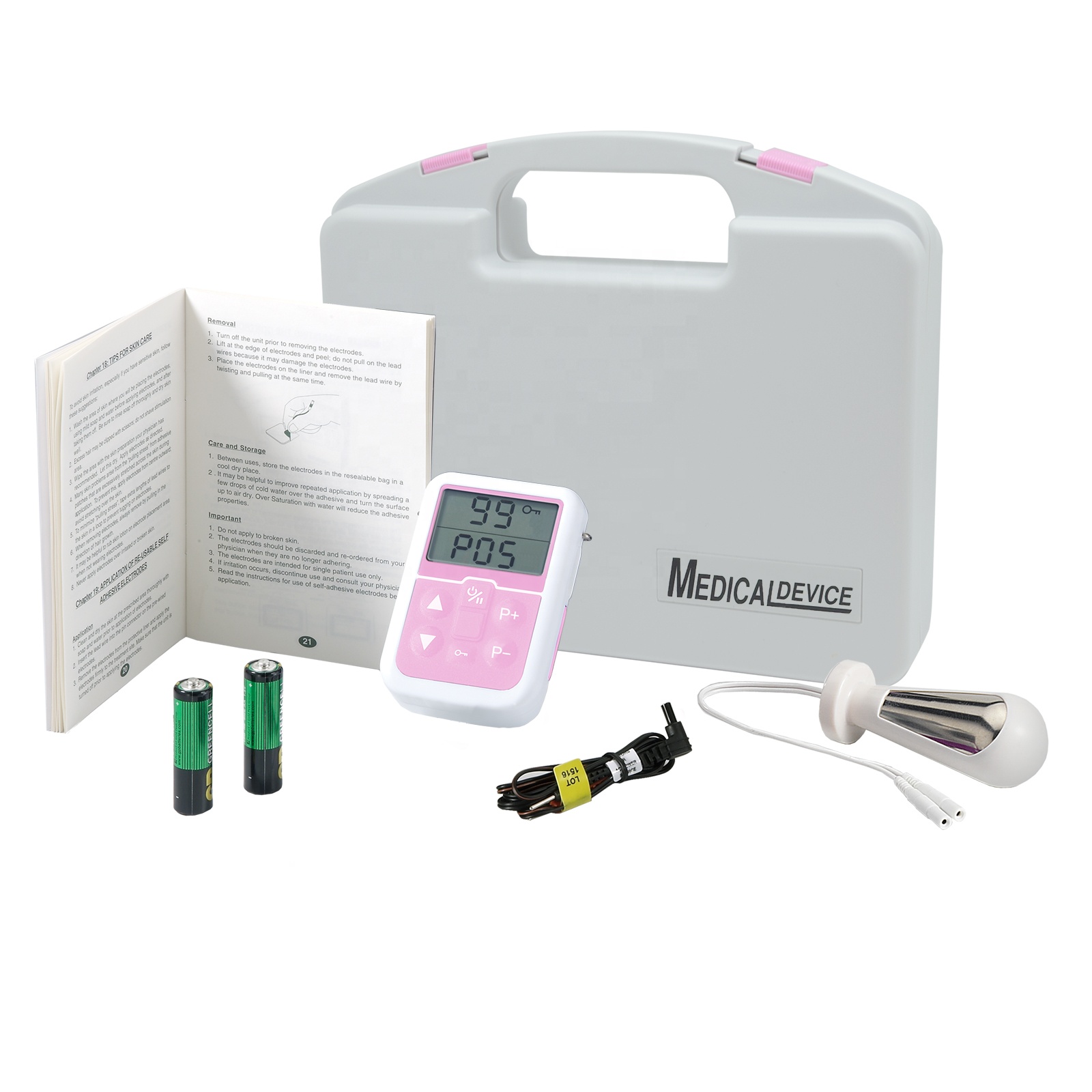
Portable EMS Incontinence Device Professional Vaginal Probe Kegel Exerciser for Women
View Product Details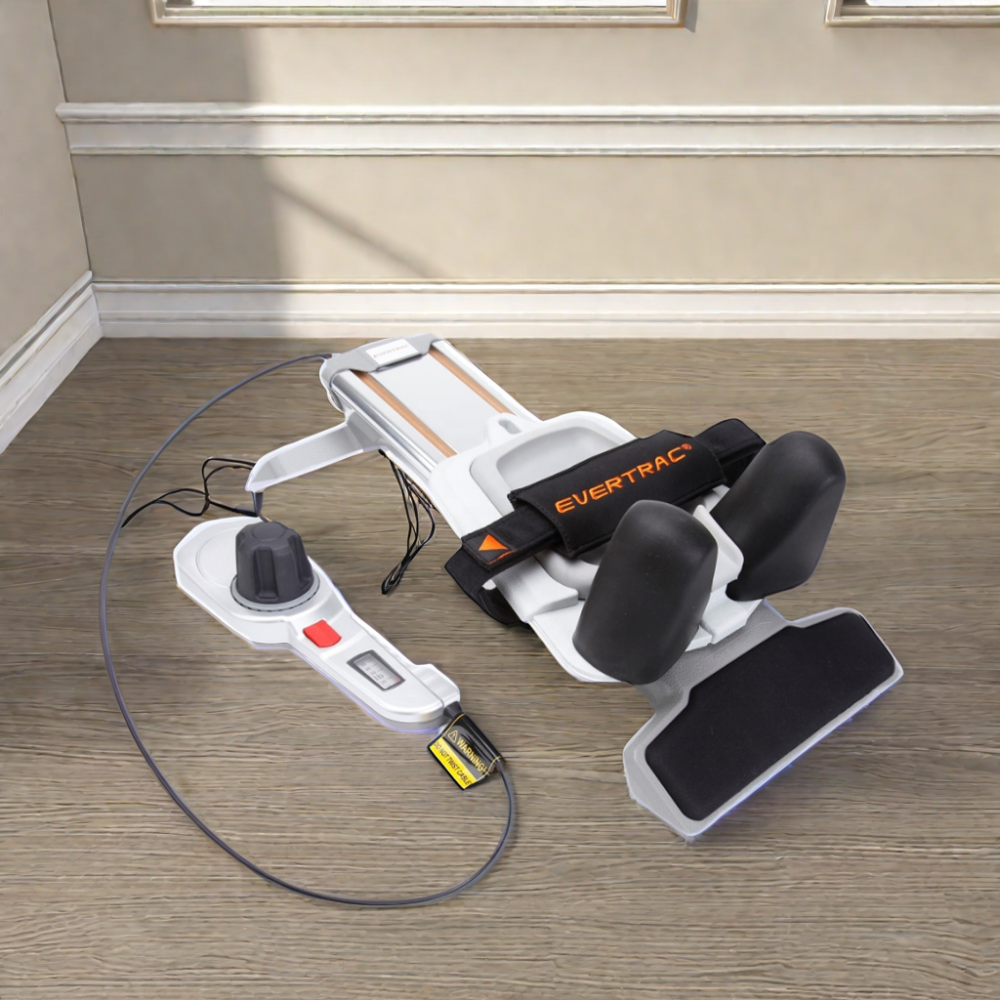
CT-800 Effective Cervical Traction Unit for Traction Therapy and Correction Devices
View Product Details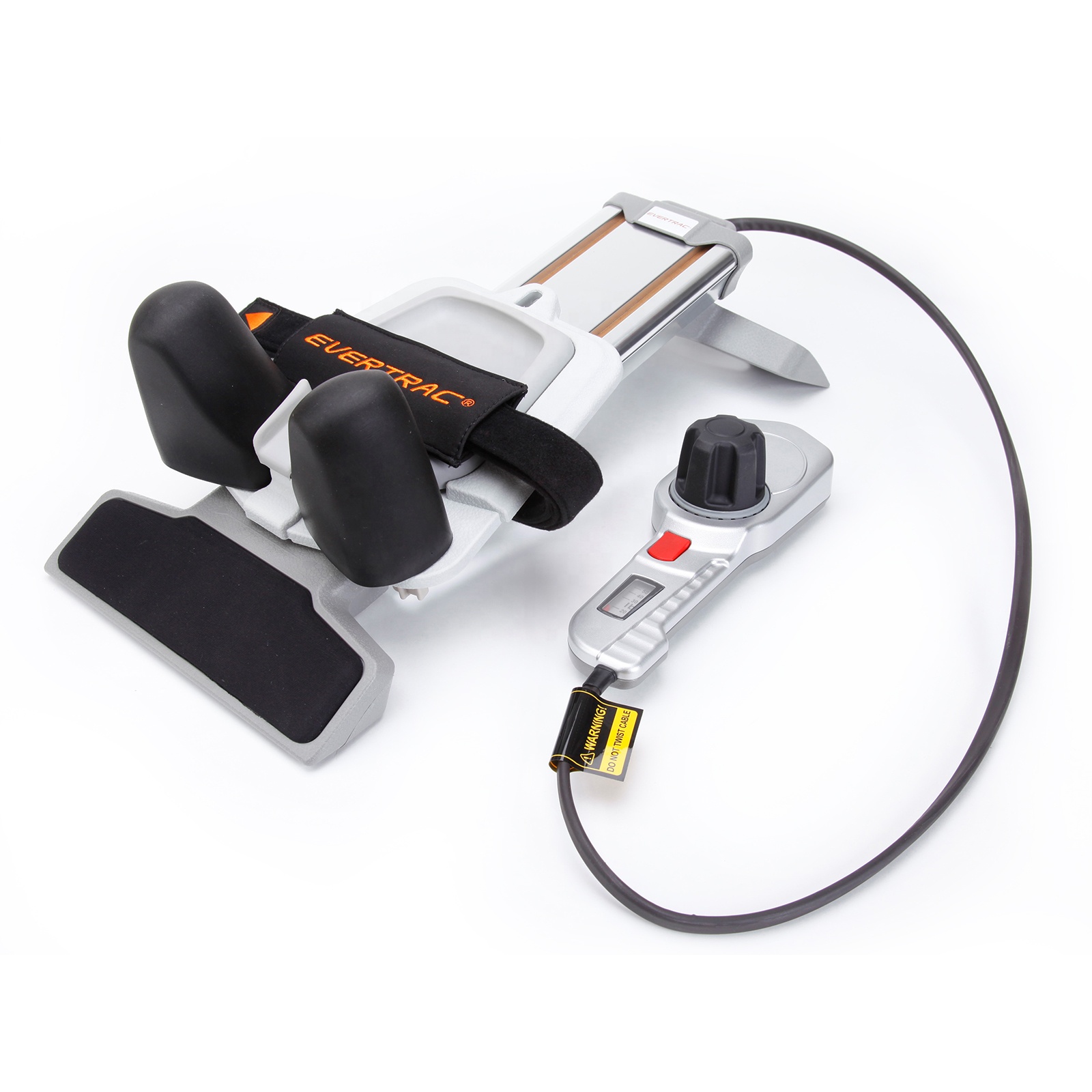
Taiwan CT-800 Neck Traction Unit Effective Physical Therapy Equipment for Neck Pain Relief Traction and Correction Devices
View Product Details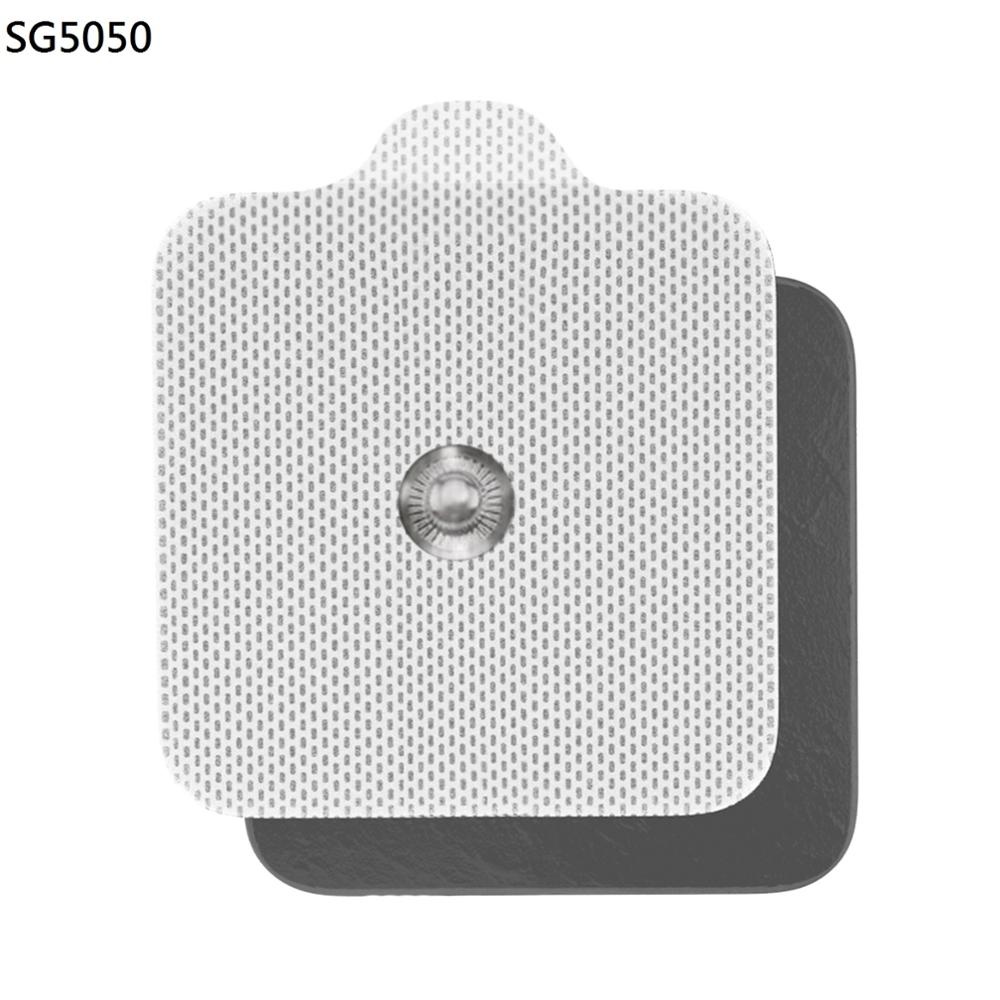
Universal 3.5mm Snap TENS Unit Replacement Pads Premium Self Adhesive Muscle Stimulator Gel Patch
View Product Details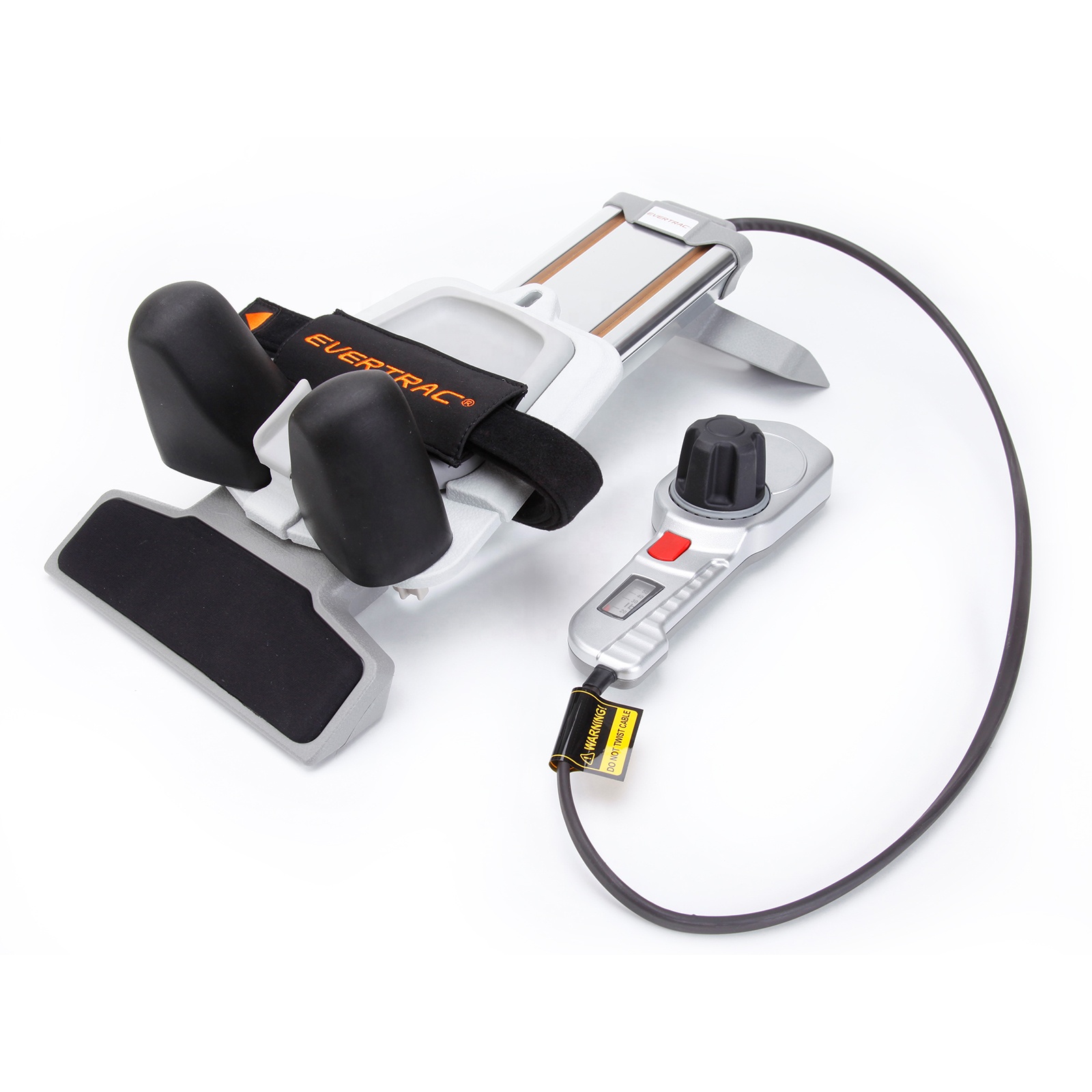
Taiwan CT-800 Physiotherapy Cervical Traction Treatment Device Effective Traction and Correction Tool
View Product Details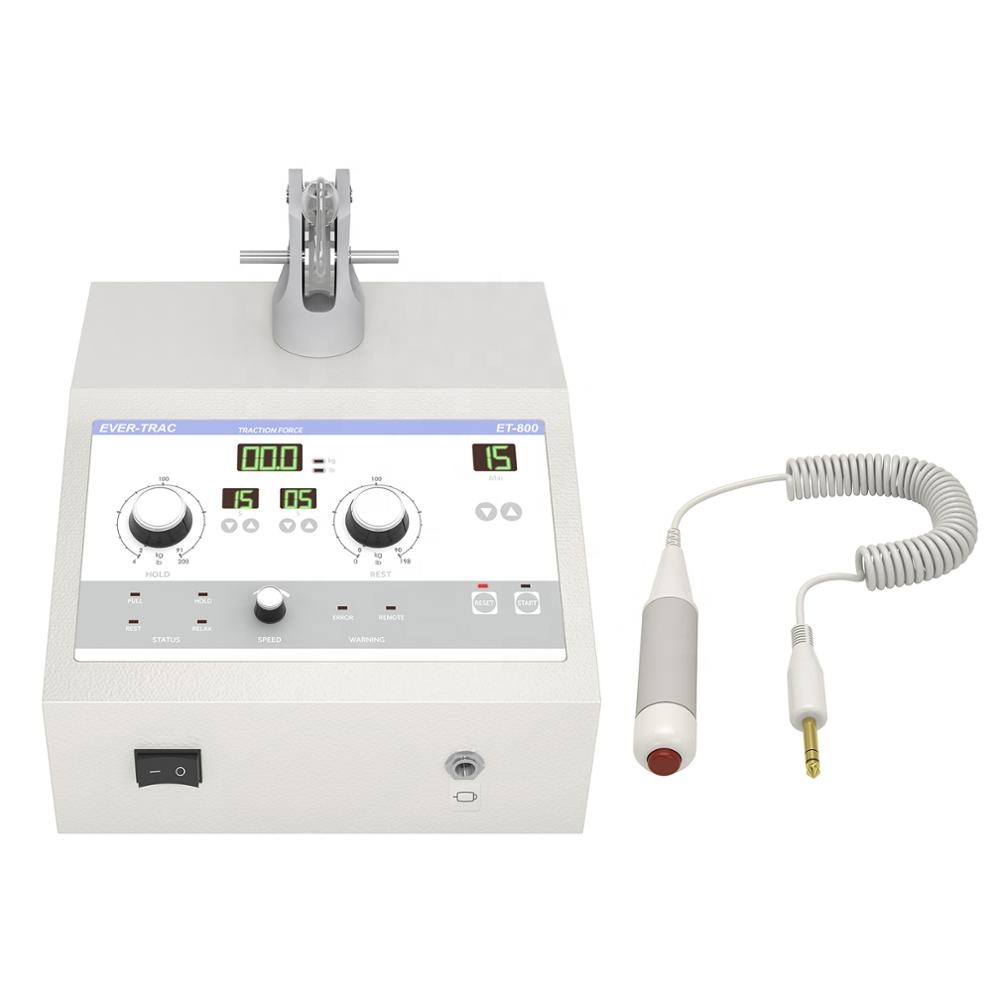
ET-800 Effective Lumbar Traction System Pain Relief Correction Device in Traction and Correction Devices Category
View Product Details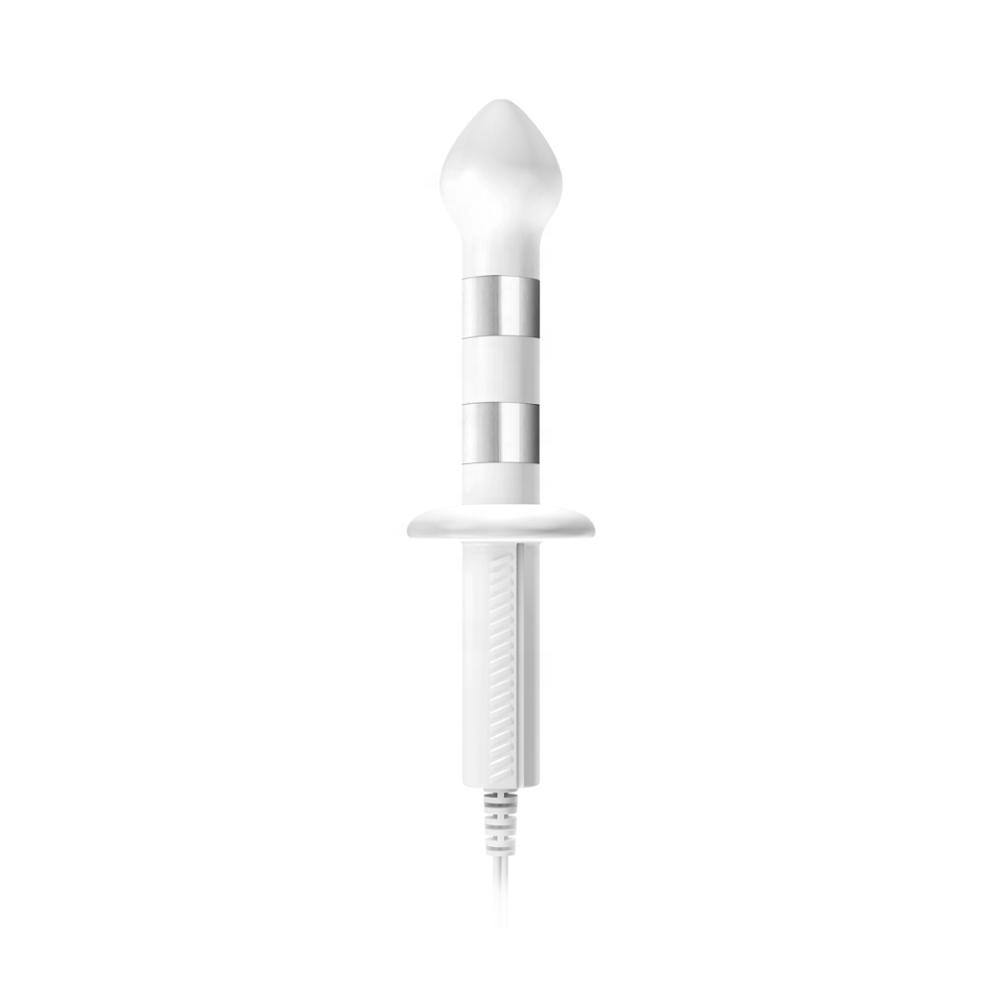
PR-13A Rectal Probe Taiwan Medical probe anal probe for Incontinence Relief
View Product Details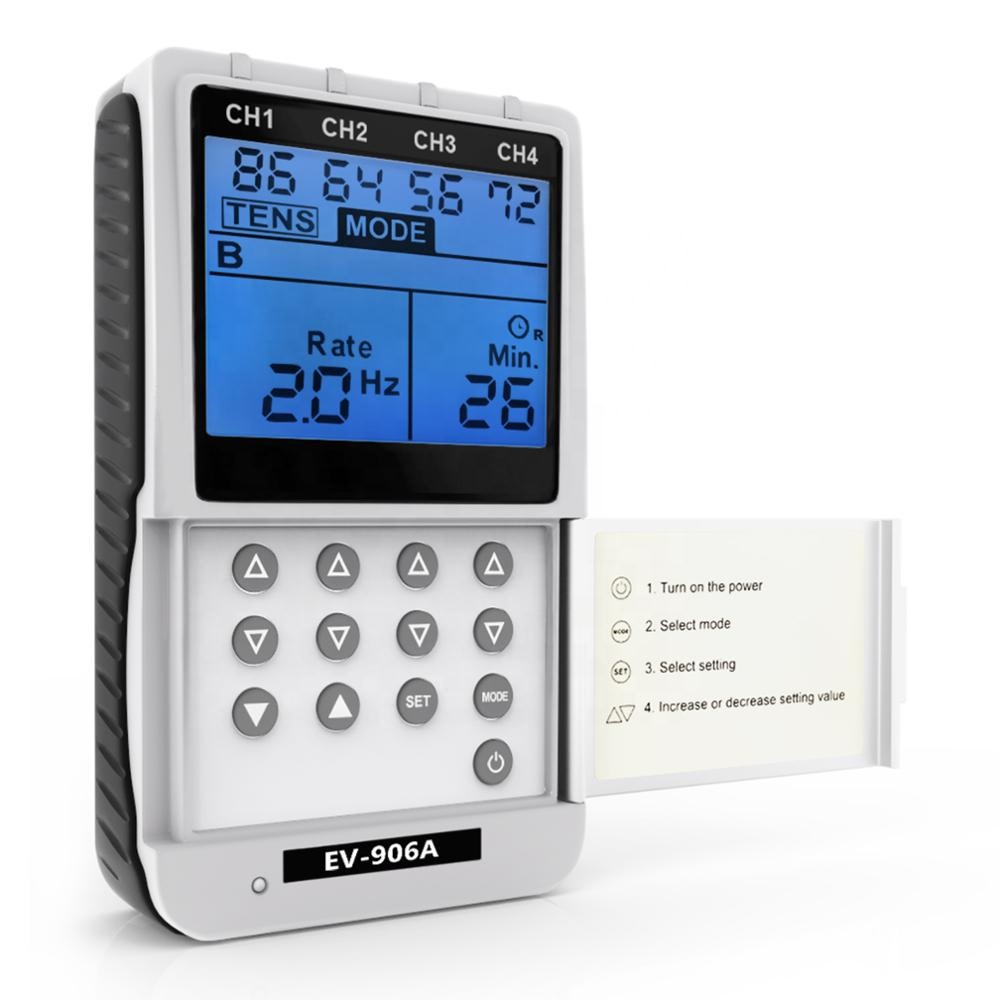
EV-906A TENS EMS Physical Therapy Equipment for In-Office Treatments
View Product DetailsNavigating the Low Frequency Therapy Supply Chain in China & Taiwan
The global physical therapy and electrotherapy equipment industry is experiencing a profound paradigm shift. Driven by aging demographics, an surge in chronic musculoskeletal conditions, and a strong preference for drug-free pain relief, commercial buyers—ranging from regional healthcare distributors to OEM brand managers—require more than basic assembly facilities. They require strategic partners with deep biomedical knowledge, automated manufacturing, and uncompromising regulatory compliance.
When evaluating China top low frequency therapy factories & wholesalers, procurement officers must look beyond simple unit economics. Achieving long-term profitability and protecting brand equity requires an in-depth understanding of electrical engineering specifications, biocompatibility standards, pulse-width modulation algorithms, and strict quality control workflows. This document acts as an executive guide to sourcing high-performance Transcutaneous Electrical Nerve Stimulation (TENS), Electrical Muscle Stimulation (EMS), pelvic floor rehabilitation devices, hydrogel consumables, and clinical traction units.
1. Technical Architecture & Electro-Therapeutic Modalities
Low-frequency therapy devices operate within the 0.5 Hz to 1000 Hz frequency spectrum. Operating within this range allows micro-electrical currents to safely penetrate the skin's dermal impedance barrier, depolarize peripheral nerve fibers, or directly excite motor neuron junctions without causing tissue inflammation or thermal injury. Below is a comparative breakdown of the primary therapeutic modalities produced by tier-one manufacturers.
TENS (Sensory Modulation)
TENS targets sensory A-beta fibers, activating the Gate Control Theory of Pain (Melzack & Wall) to block nociceptive pain signals at the spinal cord's dorsal horn. Higher frequencies (80–120 Hz) provide immediate acute relief, while burst micro-frequencies (1–5 Hz) stimulate endogenous opioid release for long-lasting analgesic response in chronic conditions.
EMS (Neuromuscular Training)
EMS focuses on peripheral alpha motor neurons, inducing controlled tetanic muscle contractions. Utilizing symmetrical biphasic square wave pulses (20–50 Hz with adjustable ramp-up/on/ramp-down duty cycles), EMS prevents disuse atrophy, increases regional micro-circulation, and re-educates motor patterns following surgical or trauma-induced immobilization.
Intracavity Pelvic Stimulation
Specialized low-frequency stimulation delivered via biocompatible medical-grade stainless steel vaginal or rectal probes. Operating with custom pulse widths (200–400 µs) and specialized wave profiles, these devices target pelvic floor musculature (levator ani) to treat stress, urge, and mixed urinary incontinence effectively.
| Specification Parameter | TENS Pain Relief Units | EMS Muscle Stimulators | Pelvic Floor Stimulation Units | Clinical Cervical/Lumbar Traction |
|---|---|---|---|---|
| Frequency Range | 1 Hz – 150 Hz (Adjustable) | 1 Hz – 120 Hz (Adjustable) | 2 Hz – 50 Hz (Targeted) | N/A (Mechanical / Decompression) |
| Pulse Width | 50 µs – 300 µs | 100 µs – 400 µs | 150 µs – 450 µs | Continuous / Intermittent Pull |
| Waveform Geometry | Asymmetrical Biphasic Square | Symmetrical Biphasic Square | Balanced Monophasic / Biphasic | Sinusoidal / Progressive Traction |
| Primary Application | Symptomatic Acute/Chronic Pain | Atrophy Prevention, Conditioning | Incontinence, Pelvic Floor Rehab | Disc Herniation, Spine Correction |
| Biocompatibility Standard | ISO 10993 Gel Pads | ISO 10993 Gel / Garments | Medical Stainless Steel / ABS Body | Non-toxic Leather & Canvas Belts |
USHC Medical Instruments: Setting the Manufacturing Benchmark
Founded in 1989 in Taiwan, USHC Medical Instruments Co., Ltd. has established itself as an authoritative leader in OEM/ODM electrotherapy manufacturing. Operating advanced, vertically integrated production lines, USHC combines decades of engineering expertise with strict regulatory standards.
Automated Consumable Lines (60,000+ Units/Day)
A primary bottleneck in electrotherapy distribution is electrode pad degradation and skin irritation caused by sub-standard conductive hydrogels. USHC addresses this through automated production of self-adhesive electrode pads. By using Japanese conductive hydrogels paired with low-impedance silver (Ag/AgCl) printed carbon film, USHC electrodes deliver uniform current distribution, preventing hot-spots and skin burns while guaranteeing 30+ reusable applications per pad.
- Biocompatible, latex-free formulation tested under ISO 10993 standards.
- Universal connection choices: 2.0mm pin, 3.5mm snap, and custom molded lead wires.
- Multi-layer construction resisting moisture loss and gel delamination.
System Quality Audits & Traceability
Quality control at USHC goes far beyond basic batch inspection. Every device—from handheld digital TENS units to multi-section electric traction tables—undergoes comprehensive functional and electrical safety testing. The facility operates under a certified ISO 13485 Quality Management System and is independently assessed on-site by SGS.
- CE Marking & FDA Listed device compliance for fast market clearance.
- Complete traceably for PCB components, microcontrollers, and hydrogel chemical batches.
- Dedicated EMC (Electromagnetic Compatibility) and safety testing labs.
2. Future Sourcing & Industry Procurement Trends (2025–2030)
For B2B procurement managers and brand owners, anticipating market direction is crucial to maintaining a competitive edge. Sourcing decisions made today will impact product line relevance, regulatory compliance costs, and customer satisfaction over the next five years. Based on market data and clinical research, four major trends are shaping the future of low-frequency therapy devices:
A. Smart Microcontrollers & Wireless Connectivity
The market is moving away from bulky wired devices toward ultra-compact, wearable wireless pods. Next-generation low-frequency devices integrate Bluetooth 5.0 Low Energy (BLE) microcontrollers, allowing users to control stimulation intensity and select specialized therapy programs via iOS and Android apps. Smart sensors also provide real-time impedance monitoring, automatically adjusting voltage output to maintain consistent current density across varying skin moisture levels.
B. Biofeedback-Integrated Incontinence Therapy
In pelvic floor rehabilitation, passive stimulation is rapidly evolving into interactive biofeedback systems. Modern vaginal and rectal probes incorporate dual-channel EMG (electromyography) sensors alongside stimulation electrodes. This allows the device to record voluntary pelvic muscle contractions, visual performance graphs on a digital display, and deliver triggered EMS pulses only when the user requires recruitment assistance.
C. Shift to Wearable Conductive Garment Electrodes
While hydrogel pads remain the standard consumable, conductive textile garments (gloves, socks, knee sleeves, and lumbar belts) are seeing rapid adoption in physical therapy clinics. Utilizing silver-woven conductive thread technology, these garments deliver uniform 360-degree micro-current coverage over complex anatomical joints, making them ideal for treating arthritis, diabetic neuropathy, and diffuse tendonitis.
D. Stringent Global Regulatory Standards (EU MDR & FDA 510k)
Regulatory landscapes are tightening worldwide. The transition from EU MDD to the European Medical Device Regulation (MDR 2017/745) demands rigorous clinical evaluation, post-market surveillance (PMS), and comprehensive risk management files (ISO 14971). Importers must partner exclusively with manufacturers who maintain complete technical documentation and verified factory quality audits.
3. Product Engineering & Technology Evolution
Low-frequency electrotherapy equipment has undergone three distinct technological generations over the past three decades:
Controlled via mechanical potentiometers (rotary dials) and basic pulse generator ICs. While highly durable, affordable, and favored by older users for simple tactile operation, these units lack fine pulse modulation, offer limited timer settings, and lack digital safety lockouts.
Featuring crystal-clear LCD screens, digital push-button intensity steps (100 levels), multi-channel outputs, and pre-programmed treatment profiles for specific anatomical zones (back, neck, shoulder, limbs). Models like the EV-906A and 2-channel/4-channel combination units represent this reliable, highly scalable technology generation.
Combining motorized biomechanical traction (such as the CT-800 Cervical Traction System) with low-frequency electrical nerve stimulation and dynamic thermal therapy. These integrated systems decompress intervertebral disc spaces while simultaneously relieving paraspinal muscle spasms, delivering far superior clinical outcomes compared to single-modality units.
Frequently Asked Questions for Sourcing & Import Teams
Q1: Is USHC Medical a custom manufacturer or a export trading company?
USHC Medical Instruments Co., Ltd. is a verified custom manufacturer with dedicated, state-of-the-art production facilities in Taiwan, supported by an integrated international trading division for export logistics. The production lines and quality management systems are audited on-site by SGS as an independent third-party inspector, guaranteeing direct factory sourcing, complete technical oversight, and transparent lead times.
Q2: What private label, OEM, and ODM customization services are available?
USHC offers comprehensive OEM/ODM solutions. This includes custom firmware development (adjusting pulse width, frequencies, and program sequences), custom plastic housing injection molding, private label silk-screening, custom packaging design, multi-lingual instruction manuals, and tailored electrode gel pad configurations. The engineering team collaborates closely with clients to meet specific market regulations and retail specifications.
Q3: What regulatory certifications are supported for international distribution?
USHC manufacturing facilities operate under a fully certified ISO 13485 Quality Management System for medical devices. Product lines carry CE marking in compliance with European medical standards and are FDA-listed for commercial import into the United States. Technical documentation, safety test reports (IEC 60601-1, IEC 60601-1-2 EMC), and biocompatibility certificates (ISO 10993) are readily available upon request for regulatory filings.
Q4: What is the typical shelf life and storage protocol for hydrogel electrode pads?
Under proper storage conditions (sealed in original moisture-barrier polybags at temperatures between 5°C and 25°C, away from direct sunlight), USHC hydrogel electrode pads maintain a shelf life of 24 to 36 months. Reusable applications average 30 to 40 uses per pad depending on skin preparation and hygienic storage between uses.
Q5: How does USHC ensure quality consistency across high-volume electrotherapy shipments?
Quality control follows a strict four-stage testing protocol: Incoming Material Inspection (IQC) for raw hydrogel, PCBs, and plastics; In-Process Quality Control (IPQC) with automated calibration testing on assembly lines; Final Quality Assurance (FQA) testing 100% of finished units for electrical output accuracy and safety lockouts; and Outgoing Quality Control (OQC) sampling before container sealing.
Q6: What are the minimum order quantities (MOQ) and production lead times?
MOQs vary depending on the product line. Standard stock units can be ordered in smaller trial batches (e.g., 100–500 units), whereas fully customized OEM private-label devices typically start at 1,000 units. Hydrogel electrode orders have flexible MOQs due to automated high-capacity output (60,000+ pieces/day). Standard production lead time is 30 to 45 days after artwork and specification approval.
Partner with a Verified Electrotherapy OEM/ODM Manufacturer
Whether you are expanding a physical therapy equipment brand, sourcing medical-grade hydrogel consumables, or seeking certified factory production in Taiwan and China, our engineering team is ready to assist.
Contact Us