Featured Digital TENS/EMS Devices & Physical Therapy Systems
Precision-engineered electrotherapy hardware, pelvic floor stimulators, and traction equipment manufactured under certified cleanroom standards.
Technical White Paper: B2B Sourcing of Digital TENS & EMS Systems from China
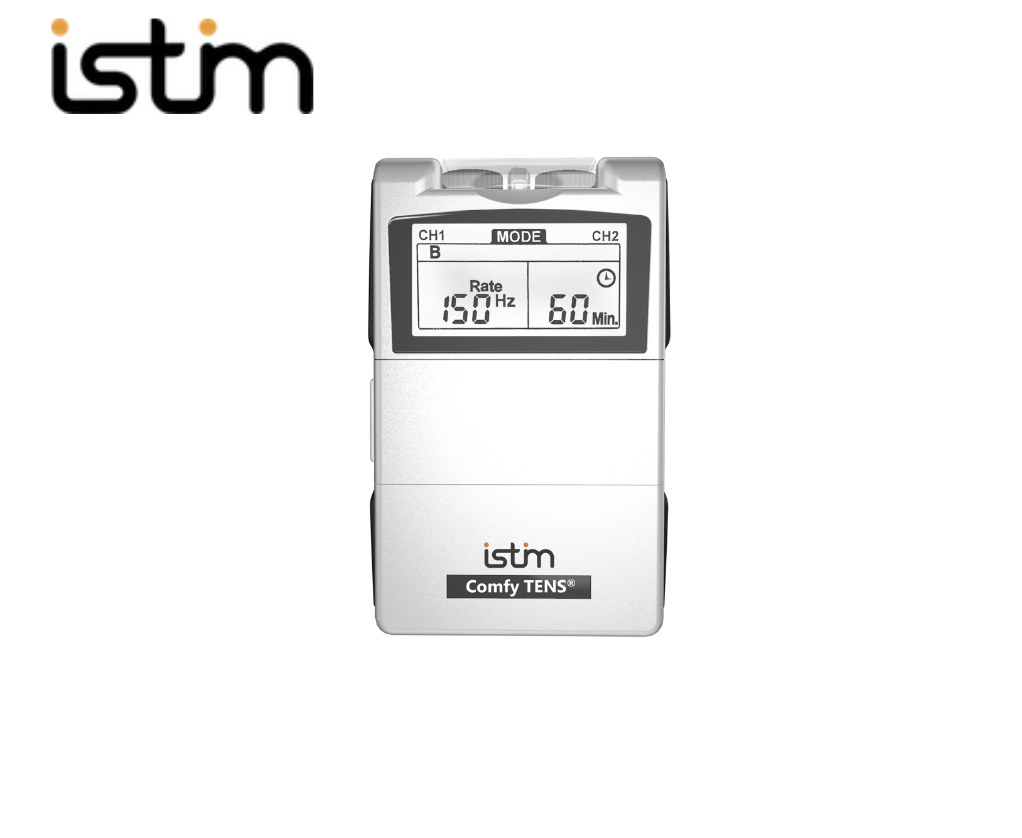
In modern physical medicine, non-invasive pain relief and neuromuscular re-education rely on Transcutaneous Electrical Nerve Stimulation (TENS) and Electrical Muscle Stimulation (EMS). As medical equipment brands, pharmaceutical distributors, and clinical hospital buyers source electrotherapy devices globally, evaluating a China Digital TENS Unit Manufacturer requires analyzing output wave stability, circuit calibration, microcontroller fidelity, and international regulatory clearance.
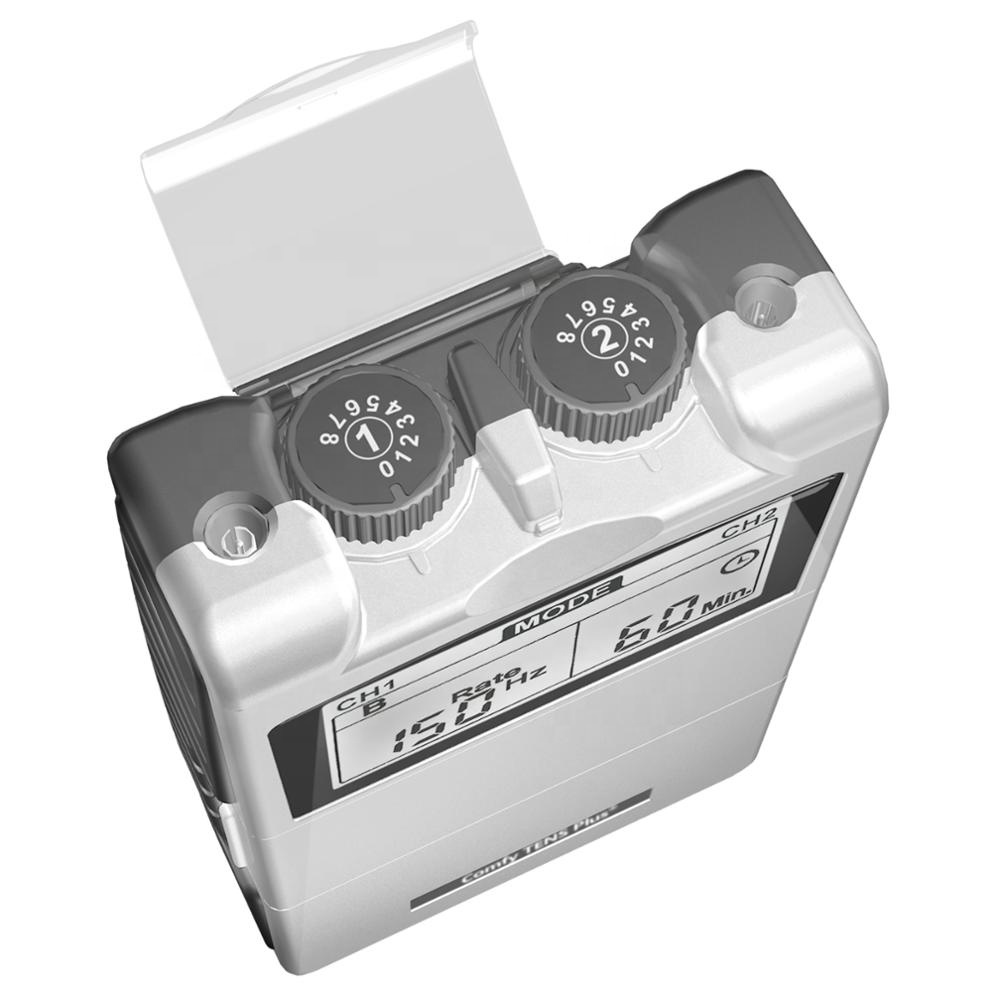
Digital TENS units have evolved beyond primitive analog dial-regulated circuits into microprocessor-controlled signal generators. These systems generate asymmetrical biphasic square pulses capable of selectively targeting sensory A-beta nerve fibers (Gate Control Theory) or motor nerve pathways (endorphin release mechanisms) without thermal skin discomfort or tissue polarization risks.
Key Technical Paradigm: Gate Control vs. Endorphin Modulation
High-frequency digital TENS (80 Hz – 120 Hz, pulse width 50 µs – 100 µs) triggers presynaptic inhibition in the dorsal horn of the spinal cord, blocking nociceptive pain signals. Low-frequency digital TENS (2 Hz – 5 Hz, pulse width 200 µs – 300 µs) stimulates the hypothalamus to release endogenous opioids (beta-endorphins), delivering long-lasting post-treatment analgesia.
Output Circuitry Engineering: Constant Current vs. Constant Voltage
A critical technical parameter when evaluating OEM electrotherapy suppliers is the driver topology within the pulse generation circuit. Lower-tier manufacturers utilize simplified Constant Voltage (CV) output circuits where the delivered current fluctuates inversely with skin impedance (Z). As human skin impedance varies from 500 Ω to 2,000 Ω based on hydration, stratum corneum thickness, and gel conductivity, CV devices risk under-stimulating patients or causing localized voltage spikes.
Leading suppliers such as USHC Medical Instruments Co., Ltd. engineer true Constant Current (CC) drivers utilizing closed-loop feedback sensing. The internal microcontroller continuously monitors circuit impedance across output channels, adjusting driving voltage dynamically up to 100V peak-to-peak. This ensures an unwavering current delivery (e.g., precise 0 – 100 mA into 500 Ω load), providing uniform stimulation density and preventing sudden unpleasant surges if electrode contact degrades.
| Performance Metric | Consumer Analog TENS | Standard Digital TENS | USHC Medical Grade Digital TENS/EMS |
|---|---|---|---|
| Microcontroller Driver | Analog Potentiometer / RC Oscillator | 8-bit MCU Signal Generator | 32-bit MCU with Closed-Loop Sensing |
| Output Regulation | Constant Voltage (Unregulated) | Semi-Constant Current | True Constant Current Driver (0-100mA @ 500Ω) |
| Pulse Waveform | Symmetrical Square Wave | Asymmetrical Biphasic Pulse | Asymmetrical Biphasic Zero-Net Current Waveform |
| Frequency Range | Fixed (2 Hz - 100 Hz) | 1 Hz - 150 Hz Adjustable | 0.5 Hz - 200 Hz Fully Programmable |
| Safety Compliance | Basic Low Voltage Standard | IEC 60601-1 / CE Mark | ISO 13485, IEC 60601-1-11 Home Care, FDA 510(k) |
| Electrode Impedance Matching | Not Monitored | Basic Circuit Cut-off | Real-time Impedance Sensing & Auto-Shutoff |
Future Procurement & Technological Trends in Electrotherapy (2025–2030)
Emerging technology standards, regulatory shifts, and consumer adoption vectors shaping the global physical therapy device market.
1. EMG Closed-Loop Biofeedback Integration
Future digital TENS and EMS procurement is shifting heavily toward dual-function units featuring electromyography (EMG) biofeedback. Instead of firing pre-programmed pulses passively, next-generation units capture surface muscle action potentials (µV signals), enabling adaptive stimulation that adjusts intensity based on real-time muscle fatigue and recruitment thresholds.
2. Micro-Current & Multi-Modality Convergence
Global medical buyers are replacing single-mode devices with quad-modality platforms integrating TENS (pain relief), EMS (muscle strengthening), Microcurrent Electrical Neuromuscular Stimulation (MENS for cellular tissue repair at micro-amp levels), and Interferential Current (IFT for deep joint tissue penetration).
3. Biocompatible Hydrogel & Green Consumables
Environmental and clinical safety regulations (EU REACH, RoHS, ISO 10993 cytotoxicity standards) are transforming electrode pad production. High-grade Japanese hydrogels featuring cross-linked synthetic polymer matrices are replacing traditional gels to maximize reusability (>30 applications) without skin sensitization.
Tightening Regulatory Frameworks: EU MDR (2017/745) & US FDA Requirements
The global regulatory landscape for medical electrotherapy equipment has undergone a structural transformation. With the transition from the European Medical Devices Directive (MDD) to the stringent Medical Device Regulation (MDR 2017/745), digital TENS and EMS devices are reclassified as Class IIa active therapeutic devices. This requires manufacturers to maintain comprehensive Clinical Evaluation Reports (CER), Post-Market Clinical Follow-up (PMCF) data, and Unique Device Identification (UDI) traceability.
For B2B procurement managers, partnering with non-compliant suppliers poses catastrophic supply chain risks, including customs seizures and market bans. Sourcing from verified manufacturers like USHC Medical, operating under ISO 13485 quality management systems with FDA-listed status and CE compliance, guarantees smooth regulatory clearance across North American, European, and Asia-Pacific healthcare sectors.
Enterprise Advantages: Why Partner with USHC Medical Instruments?
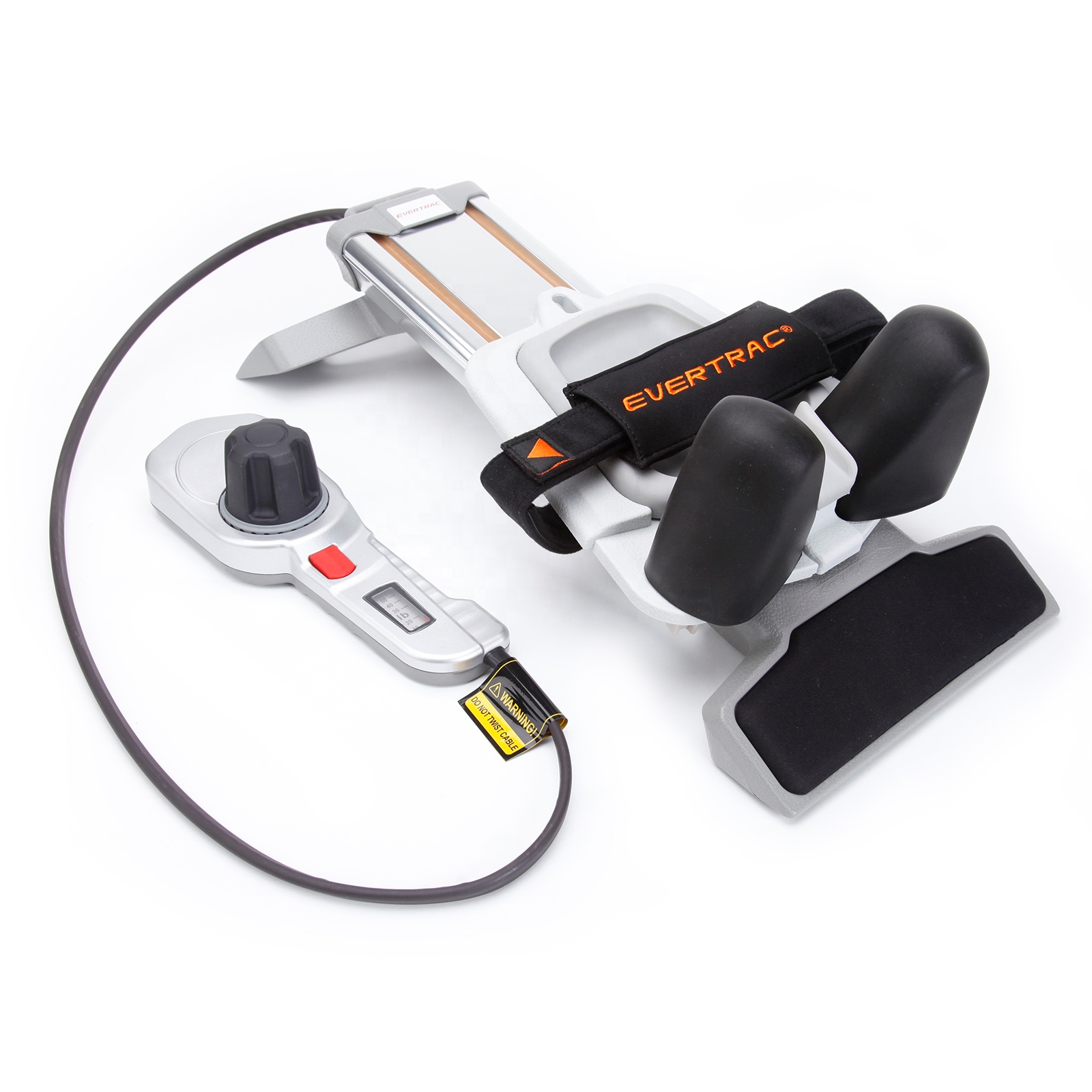
Founded in 1989, USHC Medical Instruments Co., Ltd. stands as a premier Taiwan-engineered and China-expanded custom manufacturer of electrotherapy devices, self-adhesive electrode pads, pelvic floor probes, conductive garments, and motorized traction tables. Over 35 years of dedicated R&D and production discipline position USHC as an authoritative OEM/ODM partner for healthcare brands in over 70 countries.
ISO 13485 & SGS On-Site Assessed
Our production facilities operate under strict medical device quality systems, validated through independent third-party SGS audits, ensuring zero-defect assembly and batch-to-batch consistency.
60,000+ Daily Electrode Capacity
Fully automated hydrogel coating, conductive carbon film printing, and automated die-cutting lines produce over 60,000 premium electrode pads daily to fulfill high-volume OEM orders effortlessly.
Full OEM/ODM Customization Scope
From custom MCU firmware program development, ergonomic housing tooling, and graphic interface localization to biocompatible packaging design and clinical accessory integration.
Comprehensive Product Ecosystem
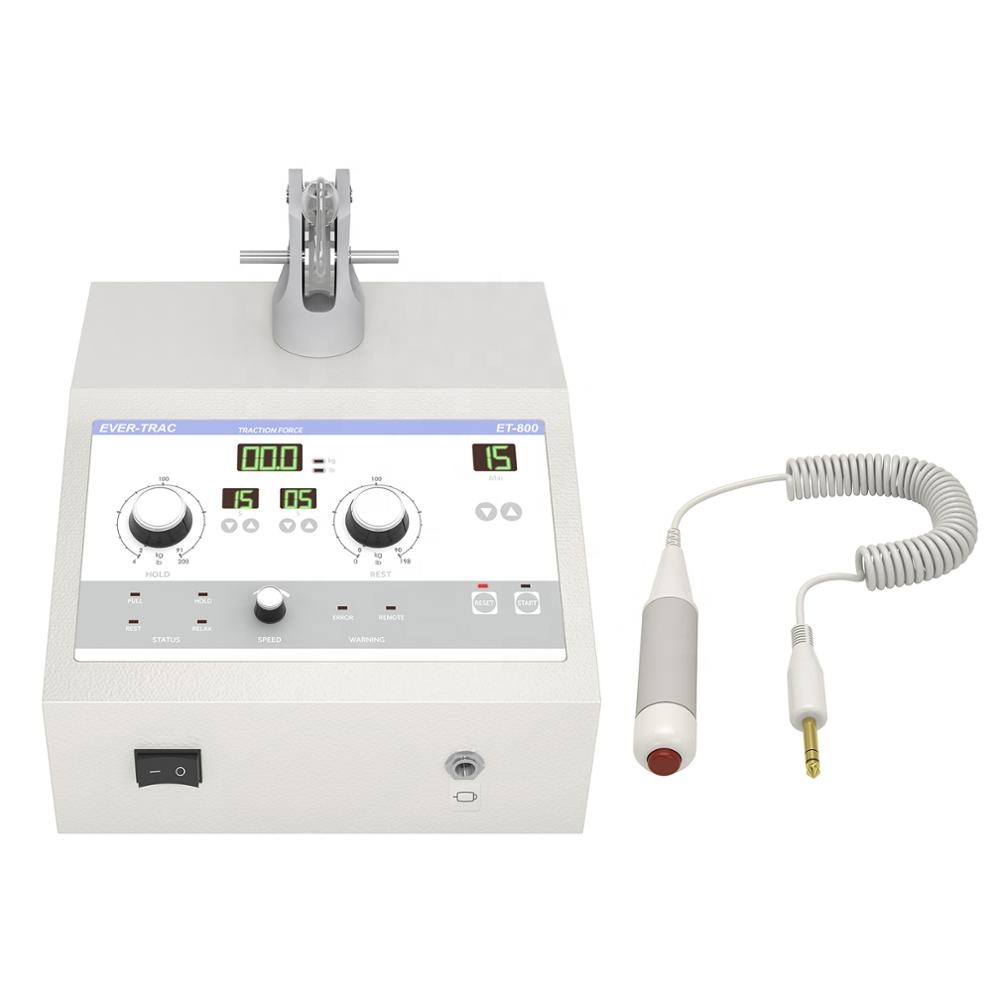
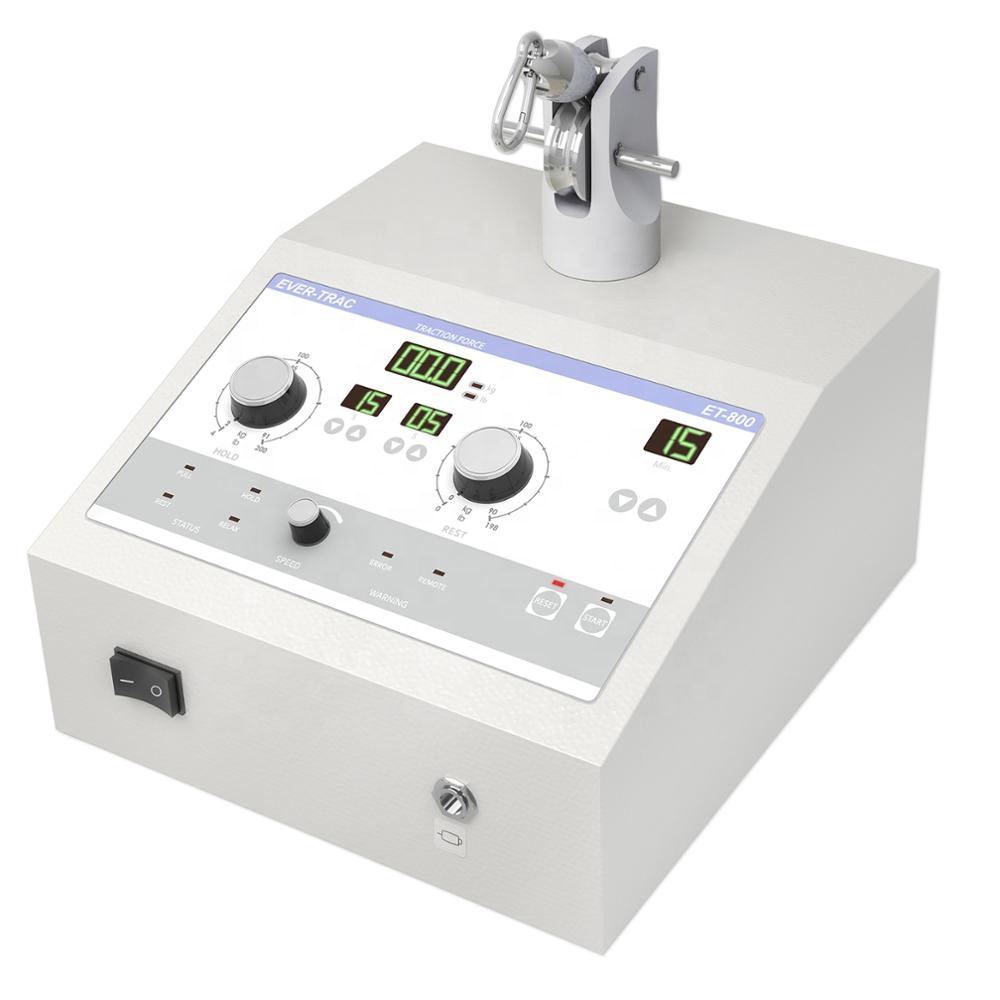
Single-source efficiency: We manufacture digital 2-channel & 4-channel TENS/EMS units, analog pain relief devices, vaginal/rectal probes, conductive garments, and traction tables in one vertical supply chain.
Vertical Integration and Rigorous Quality Control Protocol
Quality in electrotherapy manufacturing directly impacts patient safety and brand reputation. USHC Medical implements a 5-Stage Quality Assurance Pipeline across all production lines:
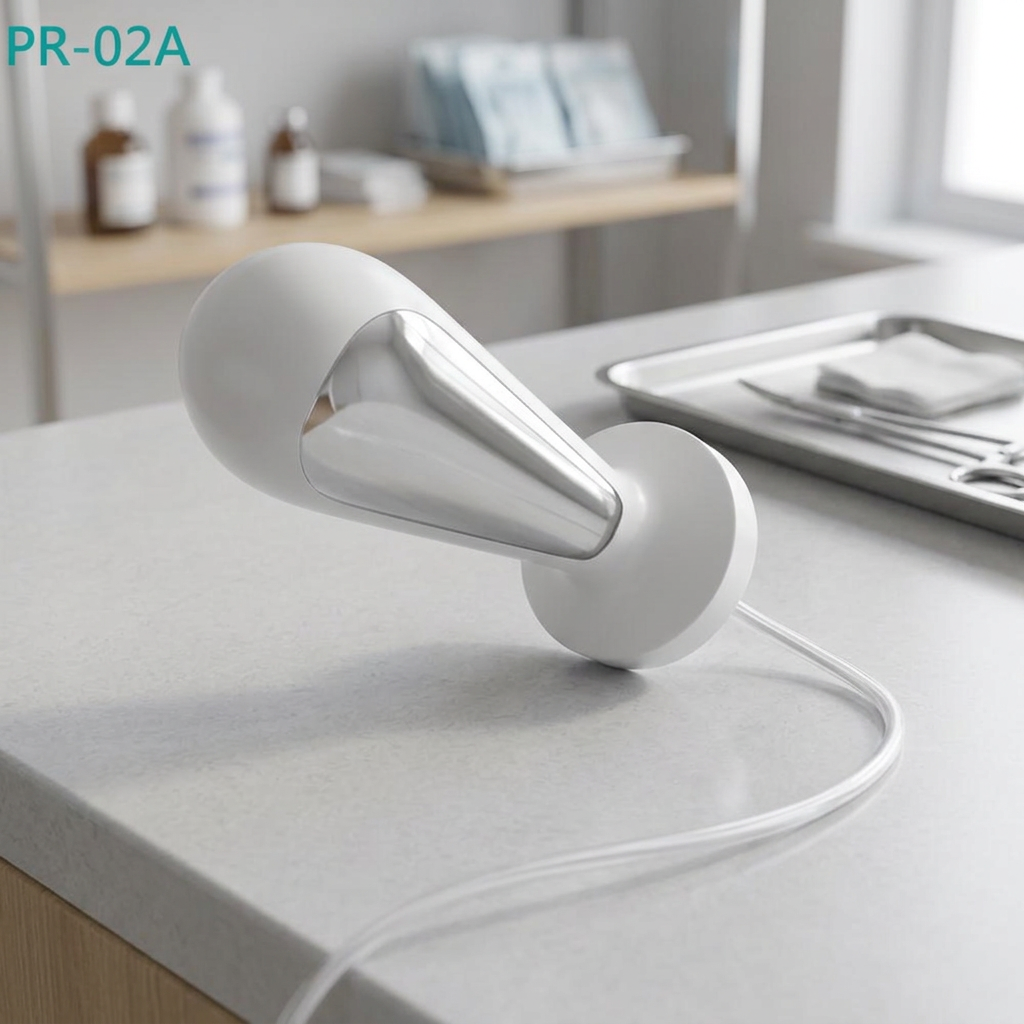
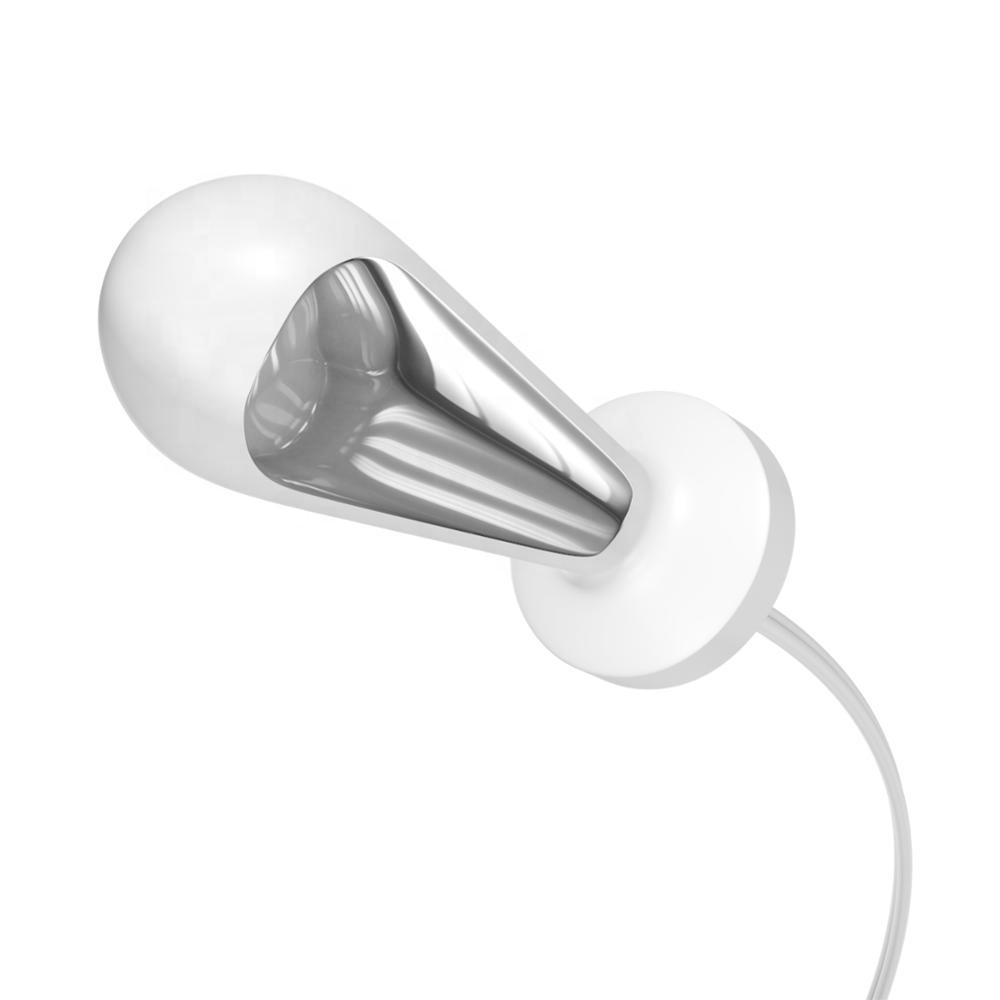
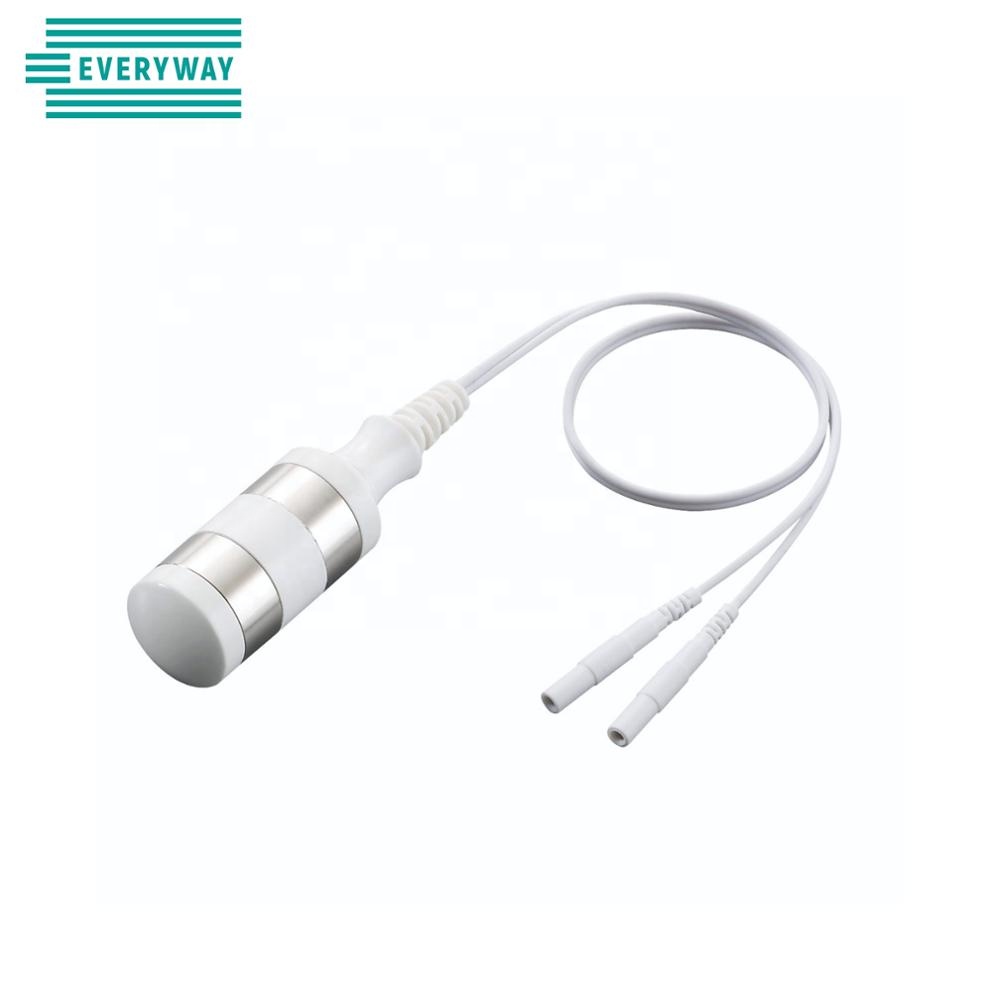
- IQC (Incoming Quality Control): Spectroscopic testing of conductive carbon film, raw hydrogel viscosity analysis, and biocompatibility verification of ABS plastics and medical-grade stainless steel probes (PR-02A / PR-14A series).
- IPQC (In-Process Quality Control): Automated SMD circuit board inspection, wave soldering thermal check, and real-time pulse width verification on digital oscilloscopes.
- Functional Calibration: Every TENS/EMS output channel is calibrated against standard 500 Ω dummy loads to ensure wave height, frequency, and current delivery fall within ±2% tolerances.
- FQC (Final Quality Control): High-voltage insulation safety testing (per IEC 60601-1 electrical safety standards) and drop/vibration stress simulation on finished units.
- OQC (Outgoing Quality Control): AQL 1.0 sampling inspection of packaging integrity, barcode readability, manual documentation, and compliance labeling prior to container loading.
Frequently Asked Questions (FAQ) for Global B2B Sourcing
Technical and commercial answers curated by senior electrotherapy engineers to streamline your sourcing process.
Is USHC Medical a direct manufacturer or an export trading firm?
USHC Medical Instruments Co., Ltd. is a verified custom manufacturer with dedicated manufacturing facilities in Taiwan and integrated supply operations across the region. Our production facilities have been independently inspected and verified on-site by SGS. We handle full-cycle hardware engineering, plastic injection, surface-mount assembly (SMT), hydrogel processing, and final packaging in-house.
What parameters can be customized under an OEM/ODM TENS/EMS project?
We provide extensive OEM/ODM customization options including: custom pulse program development (modulating pulse width 50–300 µs, frequency 1–150 Hz, ramp-up time), custom LCD/LED display graphic interfaces, custom enclosure color/rubberized spray finishes, private label brand printing, custom lead wire connectors (2.0mm pin or 3.5mm snap), customized hydrogel pad shapes/sizes, and localized multilingual instruction manuals and gift box packaging.
Which international medical certifications accompany USHC electrotherapy products?
Our manufacturing plant operates under a certified ISO 13485 Quality Management System. Our primary device lines hold CE Mark compliance and FDA 510(k) listings. Furthermore, all biocompatible materials (such as skin-contact hydrogels and pelvic floor probe stainless steel electrodes) pass ISO 10993 cytotoxicity, sensitization, and intracutaneous reactivity testing.
How does USHC ensure hydrogel electrode pad conductive longevity and shelf-life?
Our self-adhesive electrode pads use medical-grade, highly conductive Japanese hydrogel layered over low-impedance silver/carbon film substrate. This combination achieves electrical impedance under 100 Ω, ensures uniform current distribution across the entire pad surface to prevent thermal "hot spots", and maintains skin adhesion for 25 to 35 application cycles under proper storage conditions. Shelf life is sealed for 2 years in moisture-proof foil packaging.
What are the typical lead times and Minimum Order Quantities (MOQ) for custom orders?
Standard white-label products or existing model requests have low minimum order quantities (typically starting at 500 units). For custom private-label logo packaging or housing color modifications, typical MOQs are 1,000 units with a manufacturing lead time of 30 to 45 days after artwork approval. Sample units for technical evaluation and regulatory testing are dispatched within 3 to 7 working days.
How do pelvic floor stimulation probes (e.g., PR-02A, PR-14A) integrate with TENS/EMS units?
Our intracavity vaginal and rectal probes feature medical-grade bio-compatible stainless steel electrode rings integrated onto lightweight, ergonomic ABS bodies. They connect via standard 2.0mm female pin connectors compatible with standard digital EMS muscle stimulator output leads. These systems deliver targeted electrical stimulation to rehabilitate pelvic floor muscles for urinary incontinence treatment and post-partum recovery.
Accelerate Your Electrotherapy Product Line Today
Connect directly with our engineering team to request detailed technical datasheets, regulatory compliance documentation, or custom OEM production quotes.
Get Catalog