Featured Electrotherapy Products & Consumables
High-precision medical electrotherapy devices, bio-compatible probes, and reusable electrode pads manufactured for worldwide medical distributors and OEM brands.
Biomedical Science of Transcutaneous Electrical Nerve Stimulation (TENS)
An engineering analysis of neuro-muscular electrical stimulation, waveform parameters, and bio-impedance matching for OEM procurement managers.
Clinical Mechanisms: Gate Control Theory vs. Endorphin Release
Transcutaneous Electrical Nerve Stimulation (TENS) represents one of the most clinically validated, non-invasive electrotherapeutic modalities utilized in physical medicine and rehabilitation. From an engineering and neurophysiological standpoint, TENS units deliver controlled micro-electrical pulses across the cutaneous tissue layer to modulate nociceptive signaling pathways.
The primary operational mode operates on Melzack and Wall's seminal Gate Control Theory of Pain. High-frequency sensory stimulation (typically 80 Hz to 120 Hz with pulse durations between 50 µs and 100 µs) selectively activates large-diameter myelinated A-beta ($\text{A}\beta$) afferent nerve fibers. These signals travel rapidly to the dorsal horn of the spinal cord, activating inhibitory interneurons that effectively "close the spinal gate" to slower, non-myelinated pain-conducting C-fibers.
Conversely, low-frequency or "Burst" TENS (typically 1 Hz to 5 Hz with extended pulse widths exceeding 200 µs) targets small-diameter A-delta ($\text{A}\delta$) fibers. This mode triggers central nervous system responses within the periaqueductal gray region, promoting the endogenous release of beta-endorphins and enkephalins into the cerebrospinal fluid, yielding prolonged system-wide analgesic effects lasting hours after electrotherapy session termination.
Waveform Circuitry
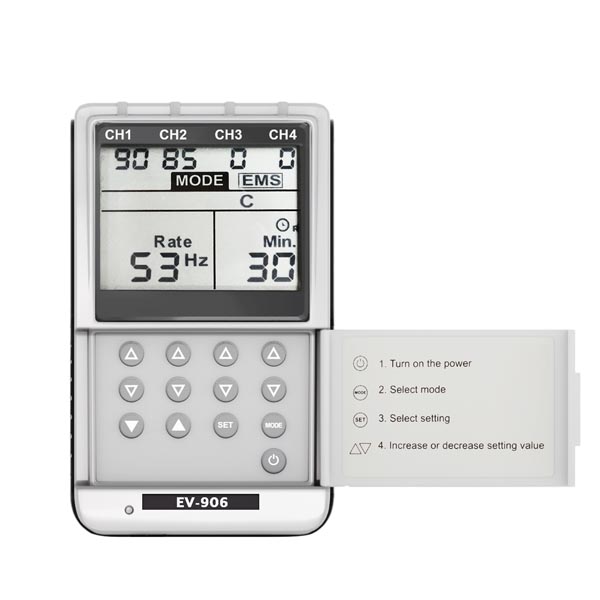
Our advanced 2-channel and 4-channel TENS/EMS units employ digitally synthesized symmetrical and asymmetrical biphasic square waveforms. Zero net DC current flow prevents galvanic skin burn risks during high-intensity clinical application.
- Zero net DC current accumulation
- Constant-current output regulation
- Microsecond pulse width precision
Bio-Impedance Matching
Human skin impedance fluctuates between 500 $\Omega$ and 2,000 $\Omega$ depending on hydration and epidermal thickness. USHC TENS microcontrollers continuously sample dynamic load variation, adjusting voltage output up to 100V peak-to-peak.
- Dynamic load compensation
- Automatic open-circuit shutdown
- Stable energy distribution
Neuromuscular Stimulation (EMS)
Beyond sensory pain relief, Electrical Muscle Stimulation (EMS) targets motor nerves ($\alpha$-motor neurons) with ramp-up/ramp-down work-rest cycles (e.g., 5s ON, 10s OFF) to induce active muscle contractions, preventing disuse atrophy post-surgery.
- Adjustable ramp up/down timings
- High-power contraction output
- Rehabilitation clinical protocols
Electrotherapy Device Specification Matrix
Technical comparison of OEM/ODM electrotherapy units manufactured by Taiwan USHC Medical facilities.
| Parameter / Feature | Analog TENS Devices | Digital 2-Channel TENS/EMS | Digital 4-Channel Professional | Pelvic Floor EMS Devices |
|---|---|---|---|---|
| Target Channels | 2 Channels (4 Pads) | 2 Isolated Channels (4 Pads) | 4 Independent Channels (8 Pads) | 1 Dedicated Bio-Channel |
| Pulse Rate Range | 2 Hz – 150 Hz Adjustable | 1 Hz – 150 Hz Digital Steps | 1 Hz – 150 Hz Fully Programmable | 2 Hz – 100 Hz Target Presets |
| Pulse Duration (Width) | 30 µs – 260 µs Dial Controlled | 50 µs – 300 µs Digital Setting | 30 µs – 400 µs Precision Control | 50 µs – 450 µs Intracavity Preset |
| Max Output Intensity | 0 – 80mA peak into 500 $\Omega$ | 0 – 100mA peak into 500 $\Omega$ | 0 – 100mA peak per channel | 0 – 99mA precise micro-steps |
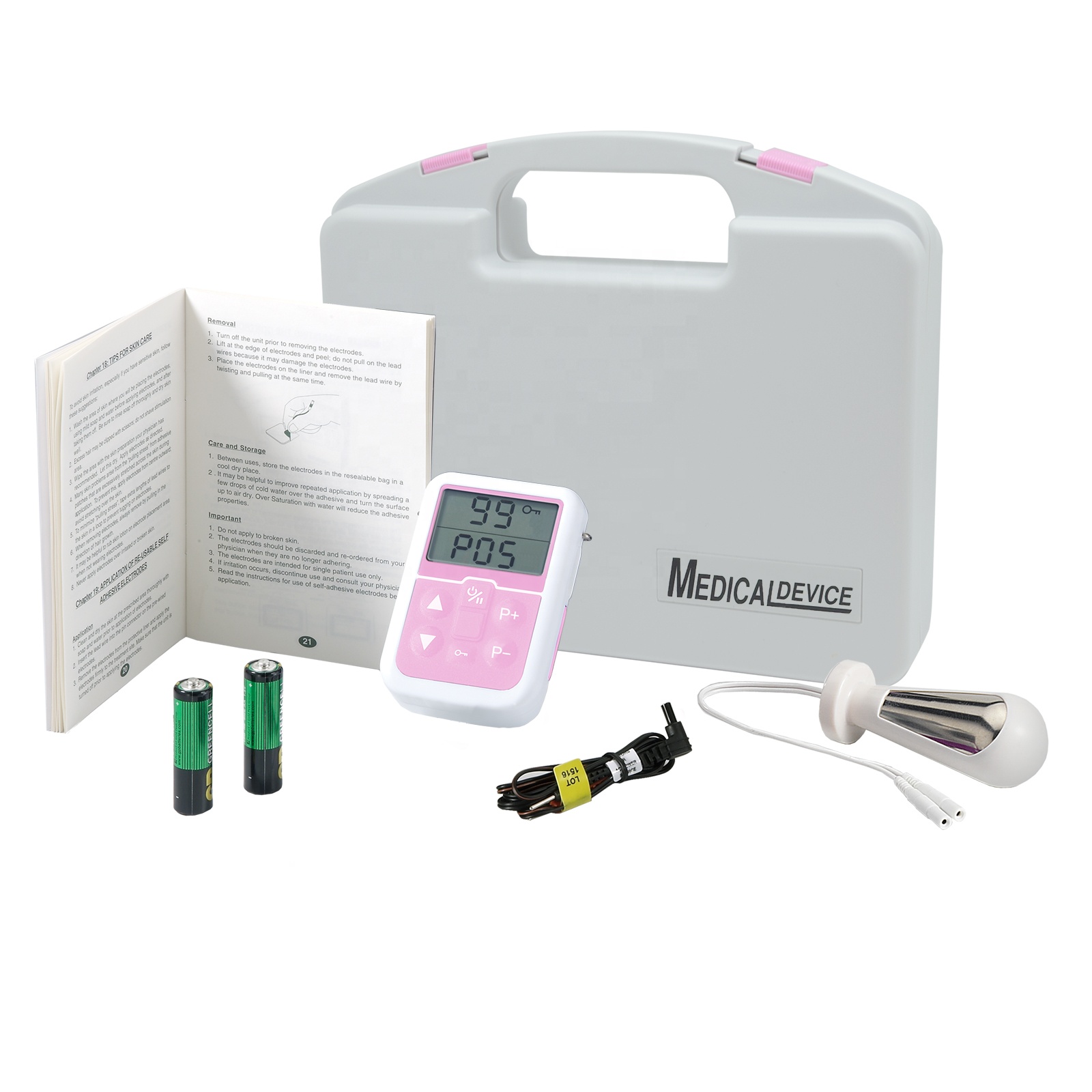
| Operational Modes | Burst (B), Normal (N), Modulation (M) | 5 TENS + 5 EMS Modes + User Custom | Multi-area synchronous / asynchronous | Urge, Stress, Mixed & Biofeedback |
| Compliance Certification | ISO 13485, CE 0123, FDA 510(k) Listed | ISO 13485, CE, FDA 510(k), MDD/MDR | ISO 13485, CE Class IIa, FDA Listed | ISO 13485, CE, Class II Medical Device |
Hydrogel Engineering & Intracavity Electrode Probe Manufacturing
The physics of low-impedance current transfer, biocompatibility standards, and high-durability polymer construction.
Self-Adhesive Hydrogel Electrode Engineering
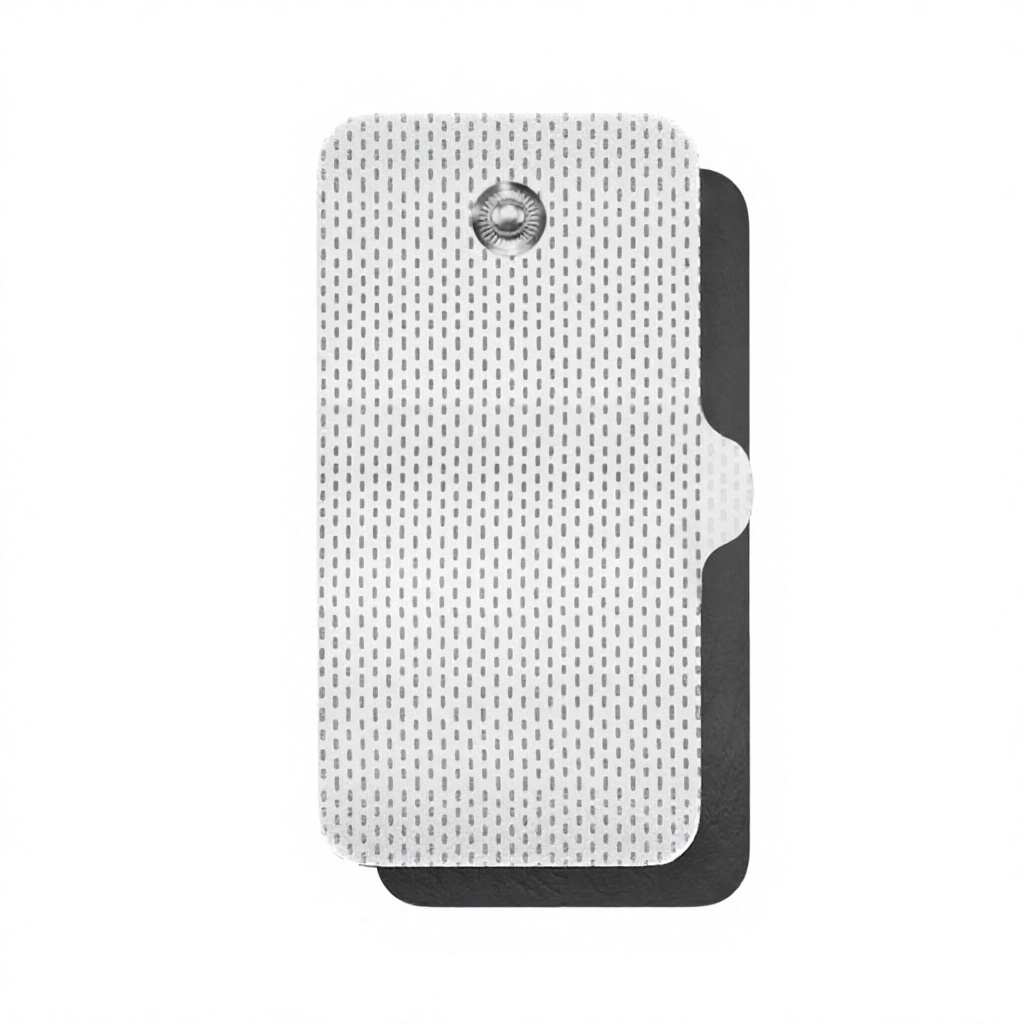
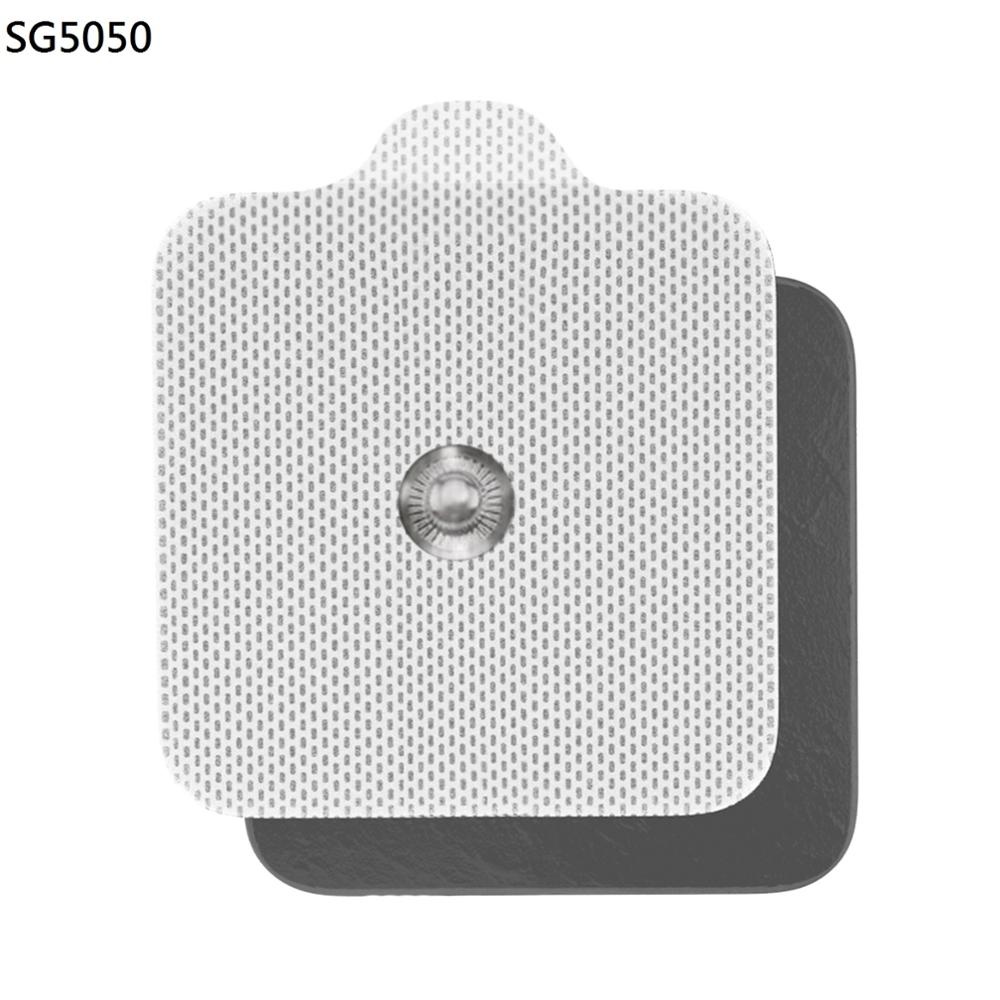
Electrode pads serve as the critical interface between the electronic stimulation circuitry and human tissue. Superior electrotherapy results demand low sheet resistance, uniform current dispersion, non-irritating adhesion, and extended reusability. USHC Medical manufactures over 60,000 self-adhesive electrode pad units daily using medical-grade hydrogel formulated from cross-linked synthetic polyacrylamide polymers.
Our proprietary hydrogel matrix integrates conductive carbon film substrates with biocompatible electrolyte salts (NaCl/KCl balance). This minimizes contact impedance to under 50 $\Omega$, eliminating "hot spots" or localized current clustering that cause skin discomfort. The outer backing features premium non-woven cloth or flexible white vinyl, creating a tear-resistant structural barrier resistant to atmospheric drying.
- Biocompatibility Tested: Fully compliant with ISO 10993-5 (Cytotoxicity) and ISO 10993-10 (Skin Irritation and Sensitization).
- Universal Connectors: Standardized 2.0mm female pin and 3.5mm snap button options compatible with global physical therapy units.
- Longevity & Reusability: Formulated to maintain stable tackiness over 30 to 50 application cycles under standard room-temperature storage.
Precision Intracavity Vaginal & Rectal Probes for Pelvic Floor Therapy
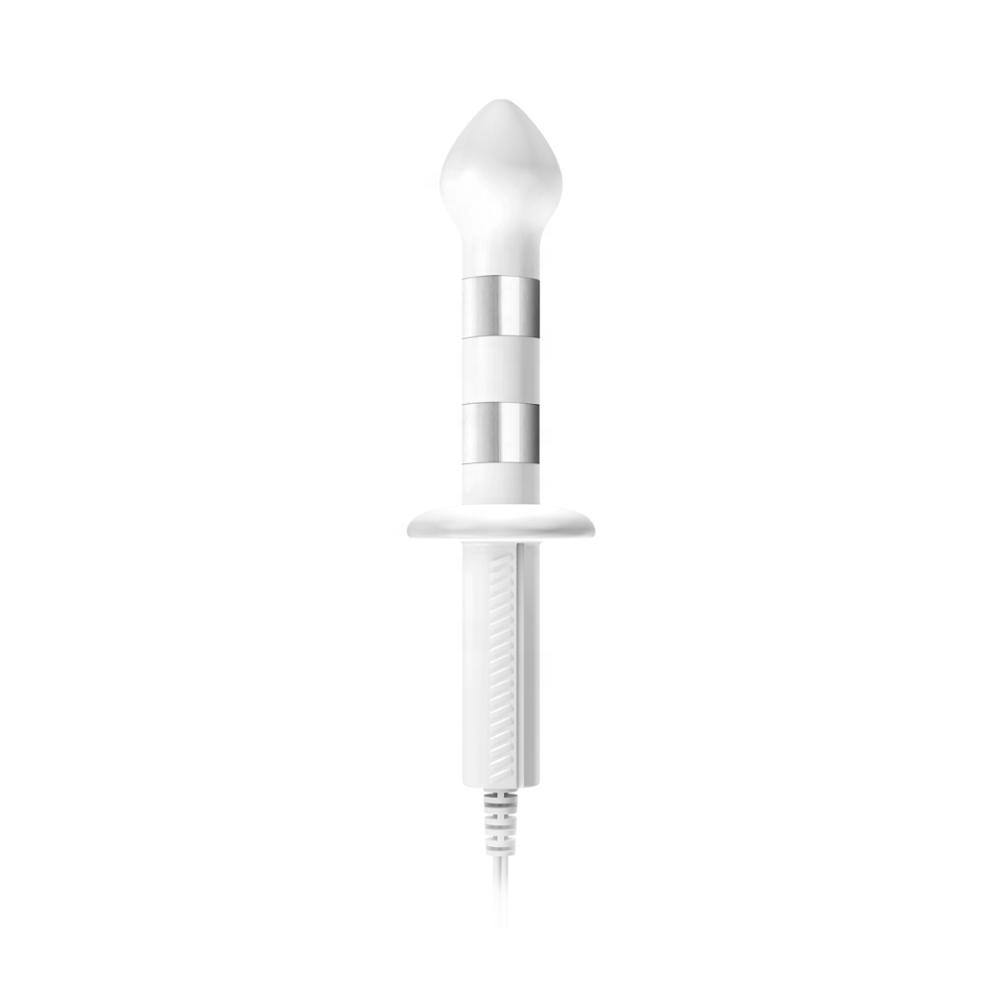
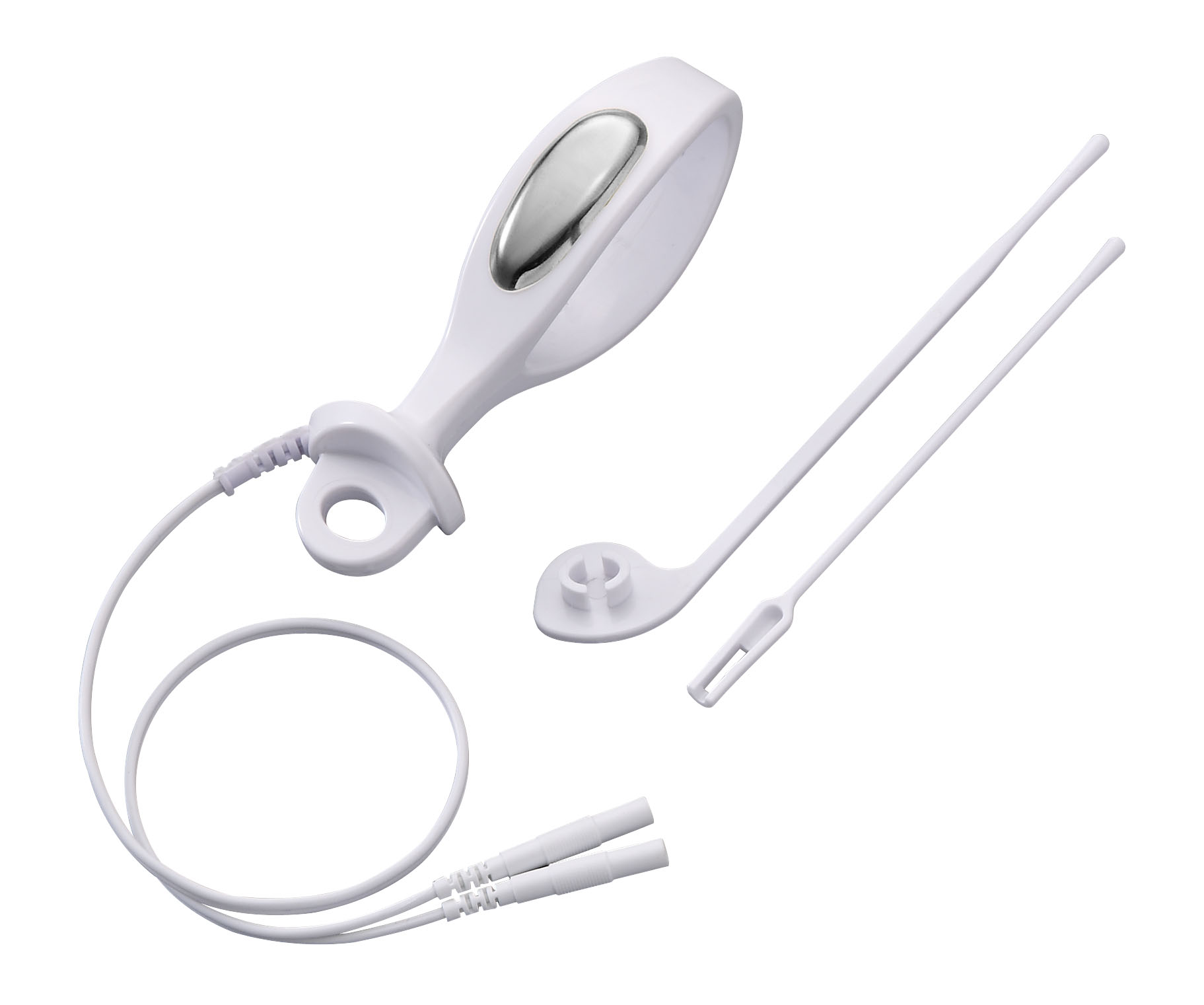
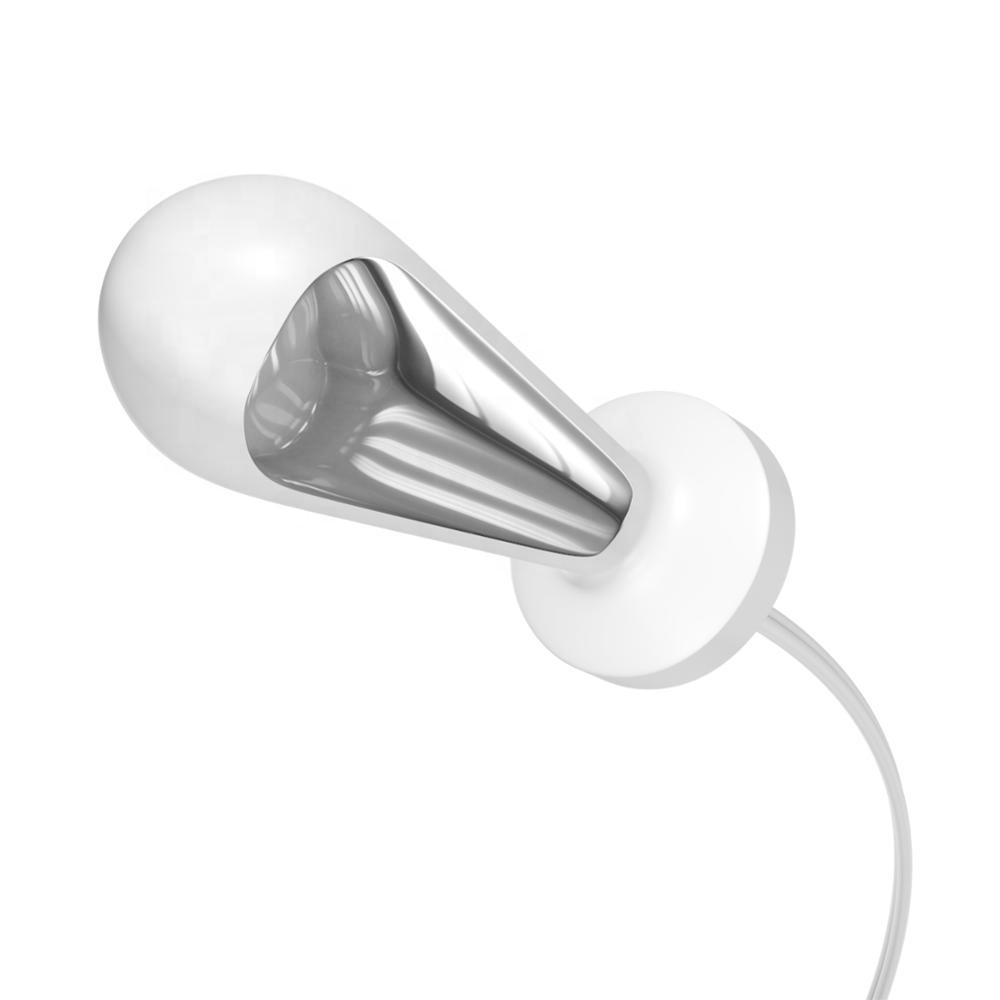
Treatment of urinary stress incontinence, fecal incontinence, and pelvic muscle dysfunction requires specialized intracavity stimulation. Our medical-grade PR-series vaginal and rectal probes (such as model PR-13A, PR-08A-1, and PR-02A) are manufactured in ISO 13485 cleanroom facilities utilizing surgical stainless steel (AISI 316L) conductive rings co-molded with biocompatible ABS polymer bodies.
Smooth continuous contours ensure safe insertion, maximum comfort, and optimal contact with targeted levator ani and pubococcygeus muscle groups. Designed for biofeedback monitoring and electro-stimulation, these probes facilitate rapid clinical recovery and home-use incontinence therapy under doctor supervision.
Future Procurement Trends in Medical Electrotherapy (2025–2030)
Strategic insights for global healthcare procurement officers, pharmacy chain buyers, and medical device importers.
1. Smart Connectivity & App Control
Modern TENS and EMS devices are rapidly transitioning from standalone LCD units to Bluetooth LE-enabled platforms. Future institutional procurement prioritizes wireless multi-channel stimulators integrated with iOS/Android applications for cloud patient compliance logging.
2. Wearable Conductive Textiles
The industry is moving toward conductive silver-fiber garments (gloves, socks, knee sleeves). Wearable electrotherapy allows uniform 360-degree stimulation across complex joint anatomy, replacing multiple localized adhesive gel patches.
3. Regulatory Framework Tightening
With the transition from EU MDD to strict MDR (Medical Device Regulation 2017/745) and FDA OTC clearing rules, buyers are consolidating orders exclusively with audited factories possessing robust technical dossiers and ISO 13485 certification.
Why Source From USHC Medical? Enterprise Advantages
Verified manufacturing reliability, rigorous quality control, and full regulatory export support since 1989.
SGS Audited & ISO Certified
USHC Medical Instruments Co., Ltd. operates state-of-the-art production facilities in Taiwan, independently inspected and verified on-site by SGS. Our complete quality management framework is ISO 13485 certified for Class I & II medical device design and manufacturing.
Complete OEM/ODM Turnkey Service
From custom PCBA firmware design, injection molding, tooling development, and custom hydrogel sizing to private-label packaging, artwork design, and user manual translation—we manage your product lifecycle from concept to container export.
Global Regulatory Clearance
Supplying healthcare distributors and clinical procurement organizations across 70+ countries including the USA, EU member states, Japan, Australia, and the Middle East with comprehensive CE markings, 510(k) documentation, and RoHS compliance reports.
B2B Buyer's Sourcing Guide: TENS/EMS Inspection Checkpoints
Key technical evaluations global buyers must perform prior to placing mass production purchase orders.
Primary Engineering Evaluation Metrics
- Pulse Amplitude Stability: Verify output current variance does not exceed ±10% across full battery discharge cycles under 500 $\Omega$ standard load test.
- Channel Crosstalk Suppression: On 4-channel devices (e.g., EV-906), multi-channel isolation circuits must prevent cross-channel signal bleeding.
- Biocompatibility Dossiers: Require primary hydrogel supplier reports for ISO 10993 cytotoxicity, sensitization, and primary skin irritation tests.
- Lead Wire Integrity: Flex test electrode lead wires for at least 10,000 bending cycles at 90 degrees to ensure no internal copper wire strand fatigue or open-circuit failure.
- ESD & EMC Shielding: Ensure device PCB enclosure passes EN 60601-1-2 electro-magnetic compatibility testing to prevent static disturbance in clinical environments.
Frequently Asked Questions (FAQ)
Essential answers for importers, brand owners, physical therapy chains, and medical device distributors.
Is USHC Medical a factory direct manufacturer or a trading company?
What OEM/ODM customization options are available for TENS & EMS units?
Which international medical certifications do your products hold?
What is the daily production capacity for TENS electrode pads and devices?
What is the typical shelf life and storage requirement for self-adhesive electrode pads?
How do I initiate a sample evaluation or request an OEM project quotation?
Partner with China & Taiwan's Premier Electrotherapy Manufacturer
Whether you require high-volume hydrogel electrode pads, custom TENS/EMS hardware development, or specialized pelvic floor probes, USHC Medical delivers certified medical excellence.
Contact Us