1. Global Market Overview: Sourcing TENS & EMS Devices from East Asia
The global market for non-invasive electrotherapy devices—specifically Transcutaneous Electrical Nerve Stimulation (TENS) and Neuromuscular Electrical Stimulation (EMS)—is undergoing a structural surge. Driven by an aging population, rising clinical preferences for drug-free analgesia, and growing consumer demand for home-based physiotherapy, the market is projected to expand at a compound annual growth rate (CAGR) exceeding 6.8% through 2030. For international healthcare brands, medical equipment wholesalers, and pharmacy chain buyers, China and Taiwan represent the primary global hubs for original equipment manufacturing (OEM) and original design manufacturing (ODM).
Sourcing physical therapy equipment from Tier-1 suppliers requires evaluating complex regulatory standards, micro-controller precision, circuit safety, hydrogel impedance stability, and biocompatibility. Leading Asian manufacturers are no longer merely low-cost assembly shops; they operate cleanrooms compliant with ISO 13485 standards, maintain automated SMT surface-mount assembly lines, and support full technical documentation for US FDA 510(k) clearances and European Union CE Medical Device Regulation (MDR 2017/745) registrations.
2. Premier Wholesaler Product Showcase (Certified Modalities)
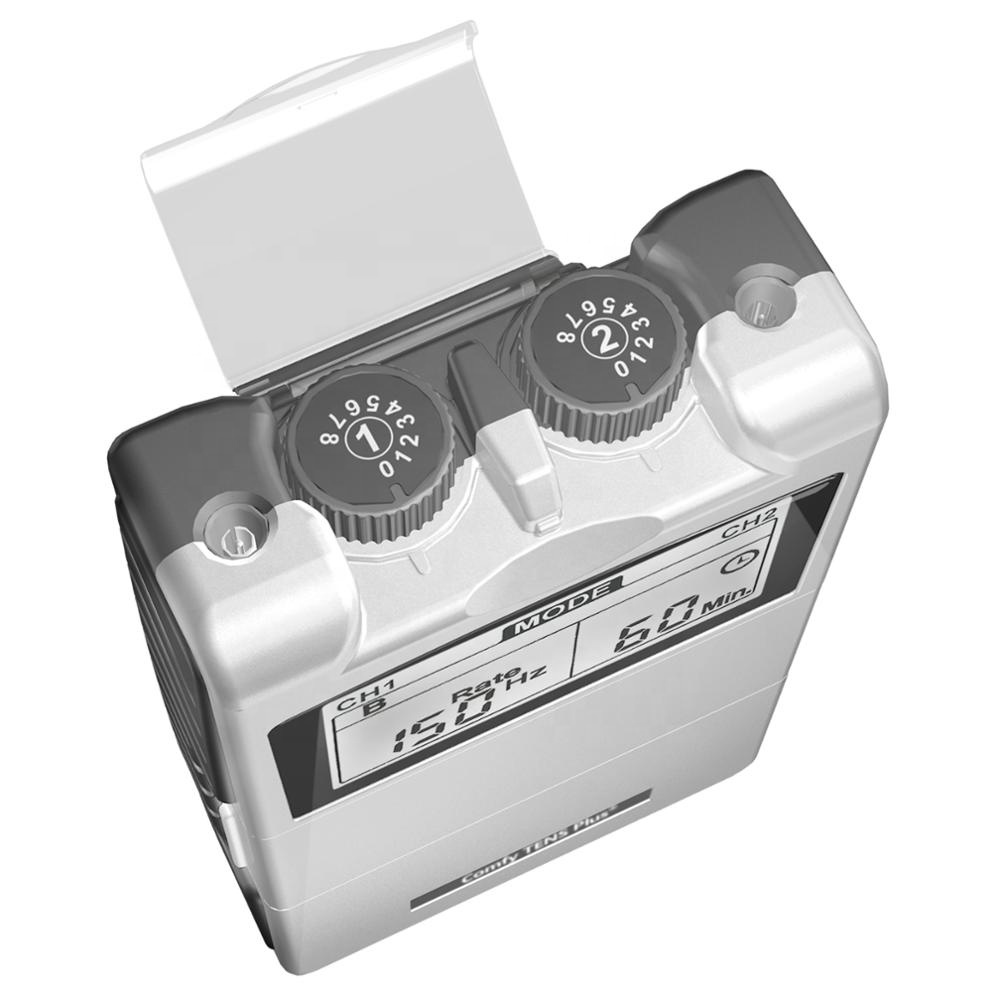
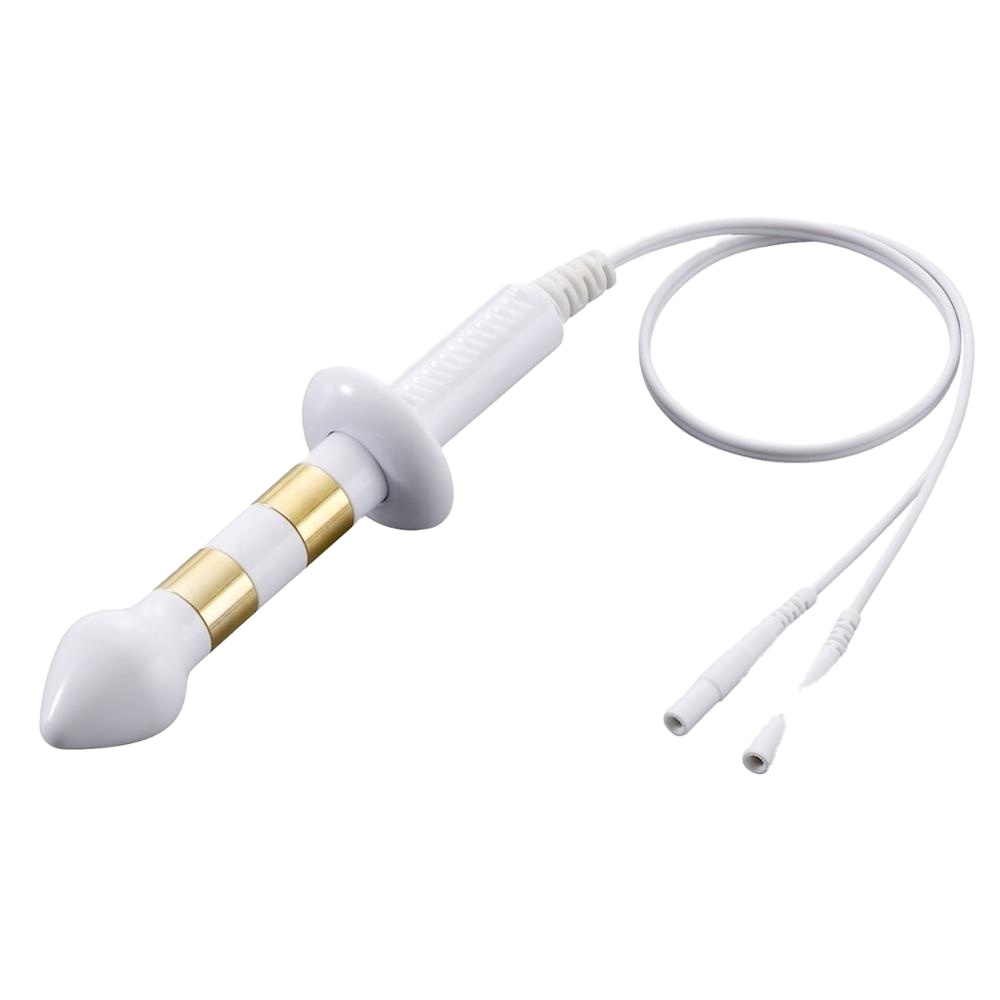
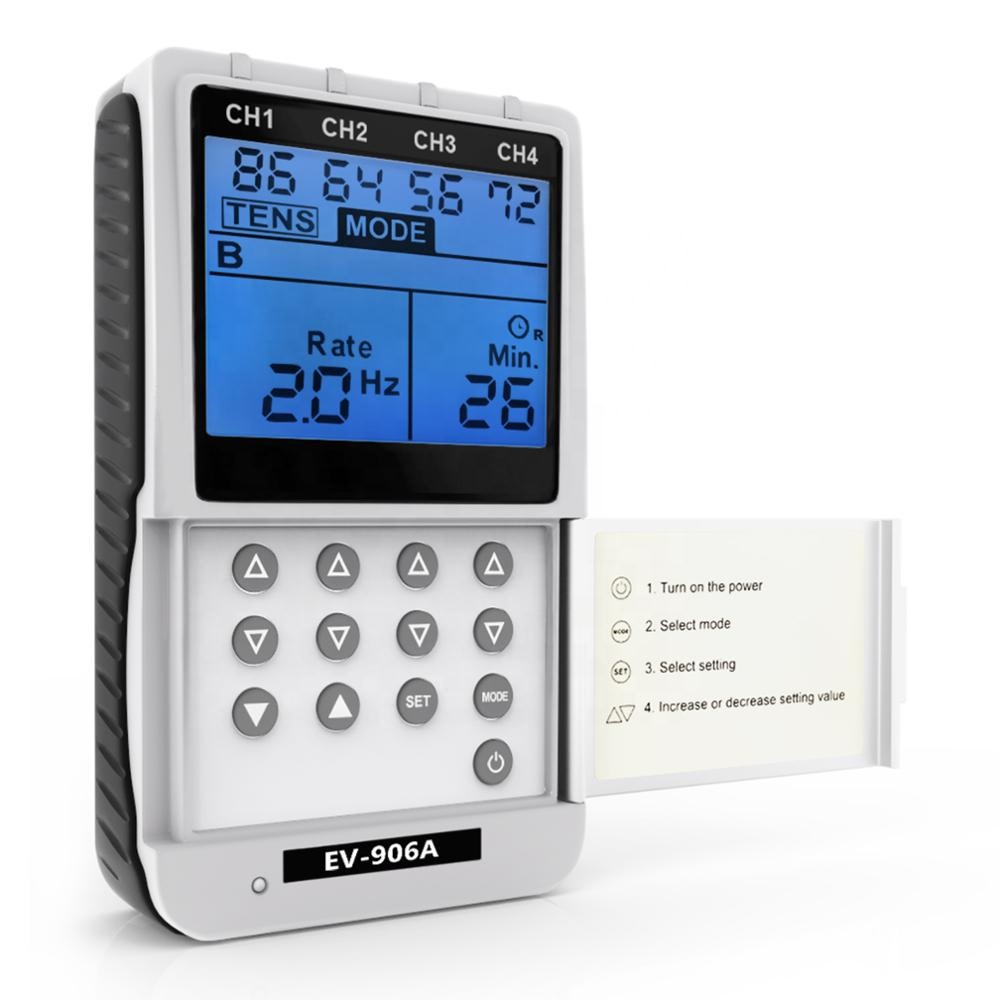
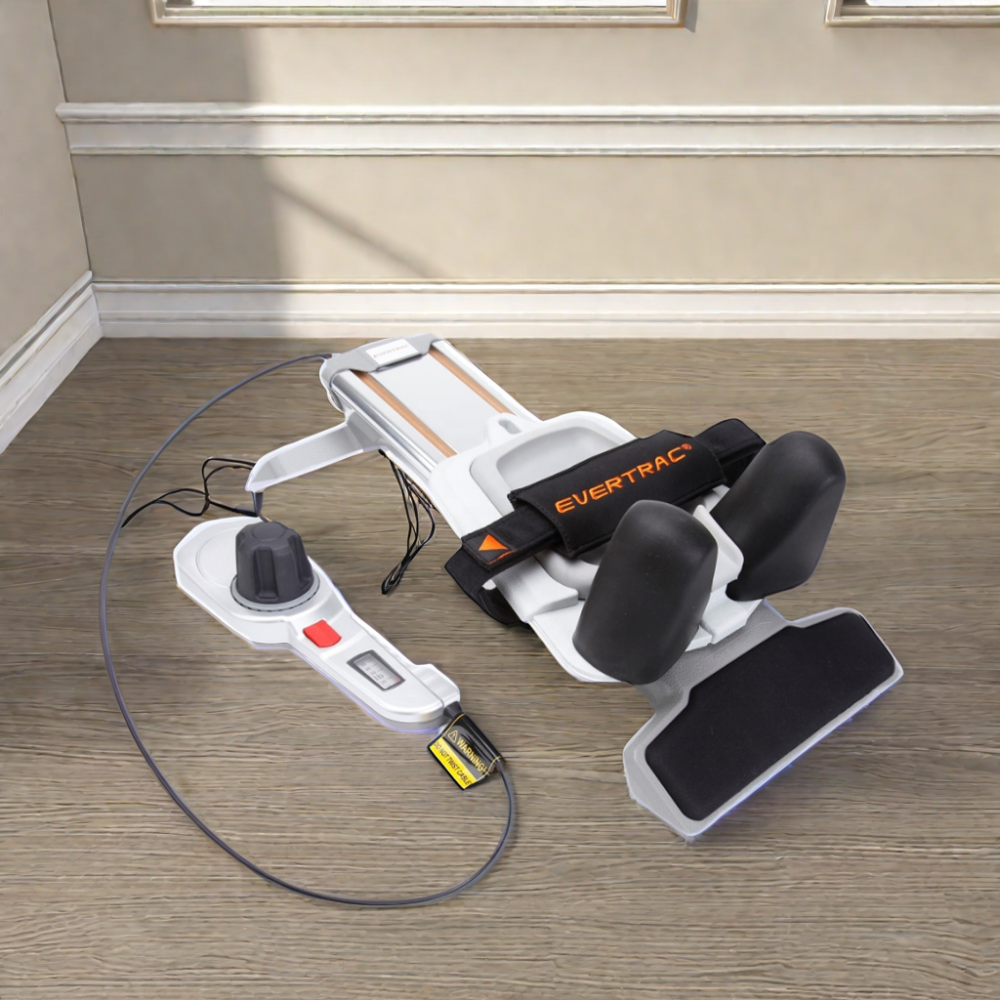
Below are eight flagship electrotherapy units, pelvic floor muscle stimulators, and cervical traction systems engineered for physical therapy clinics, home rehabilitation programs, and medical distribution networks.
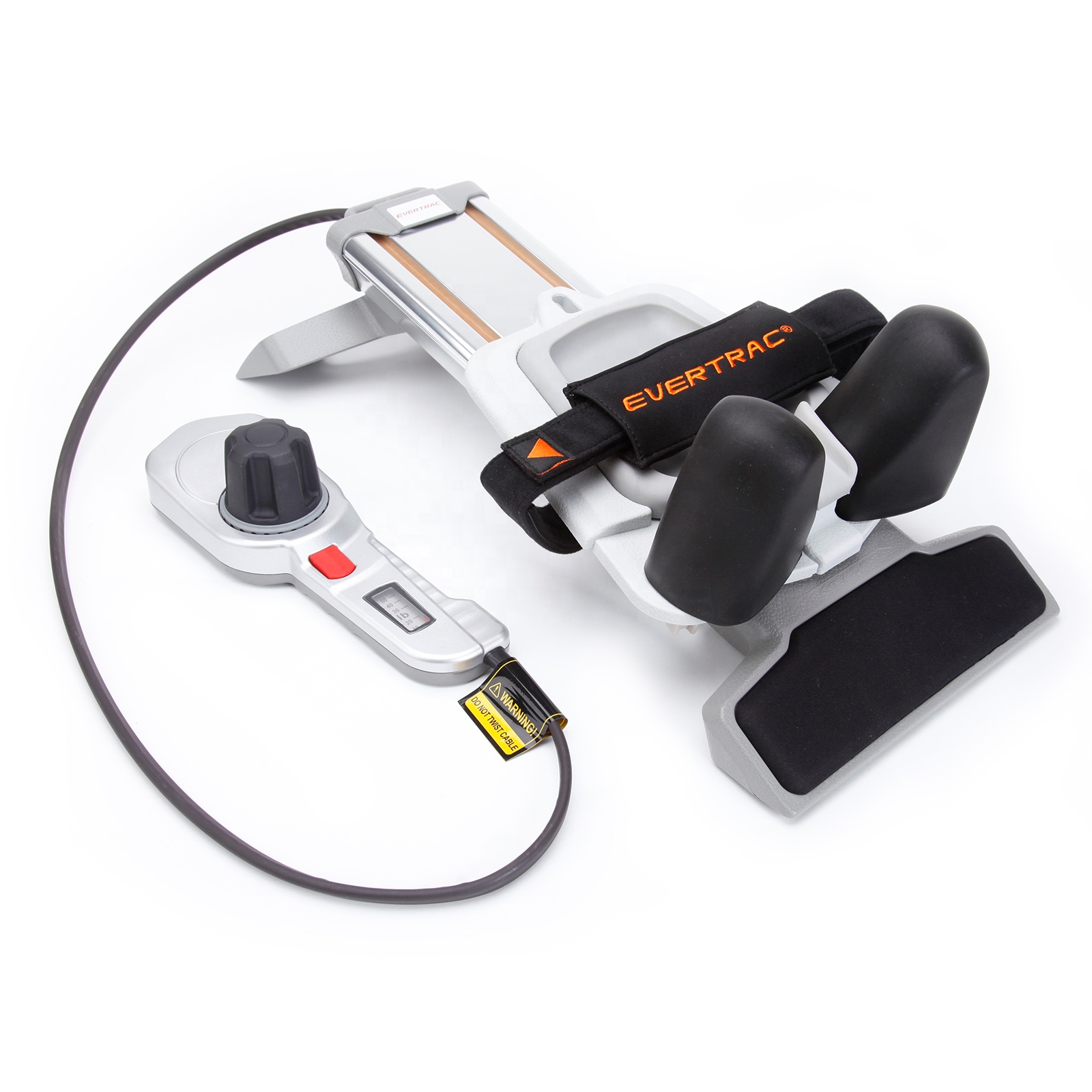
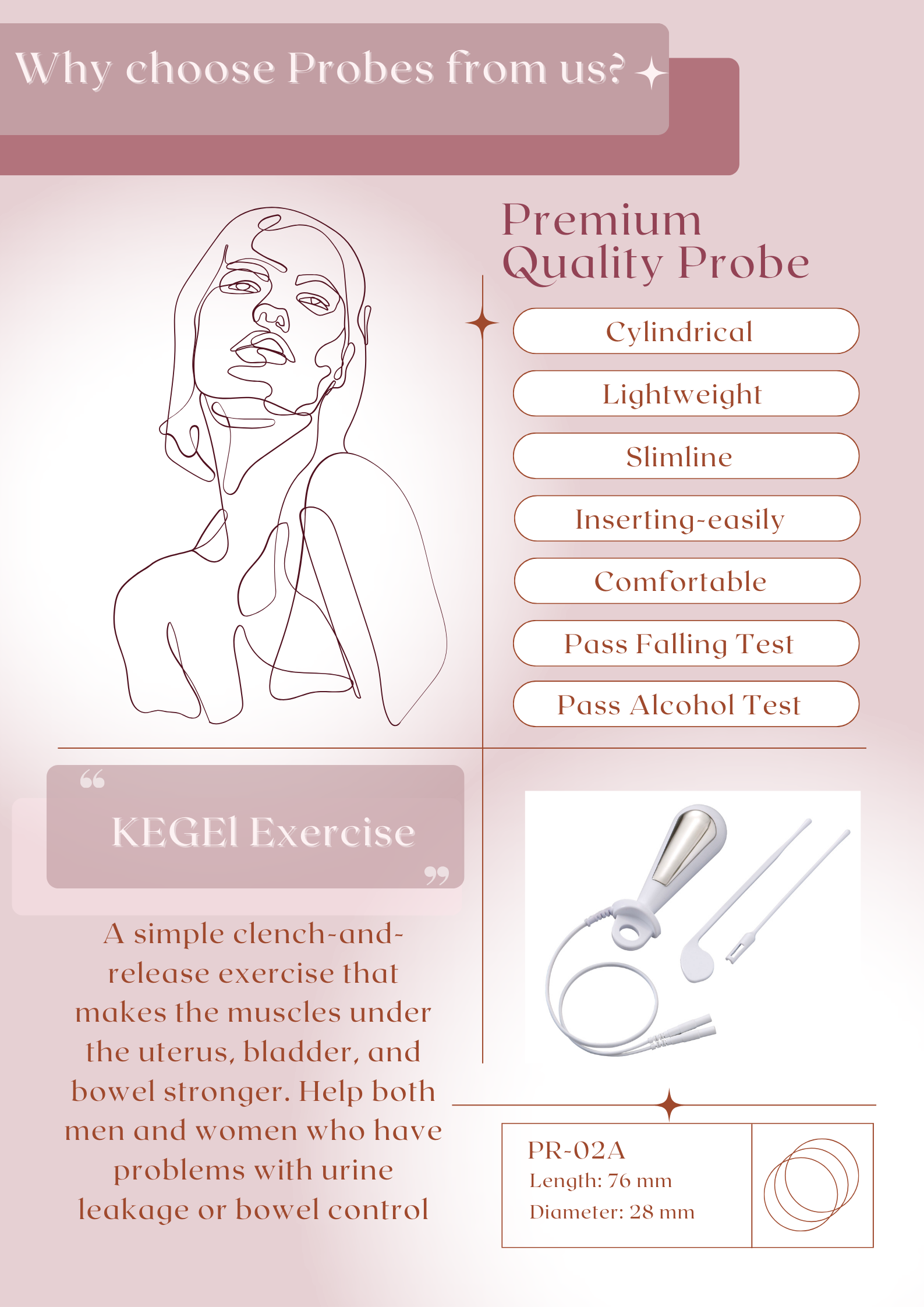
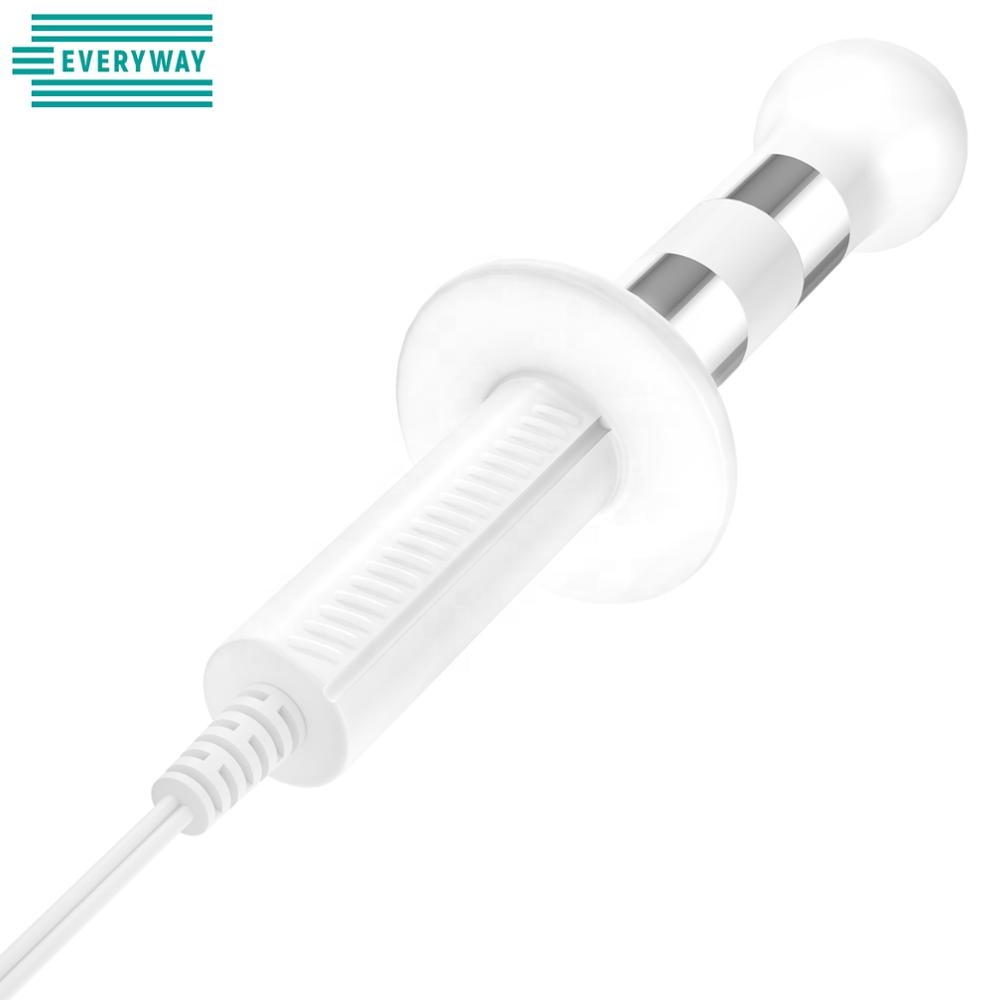
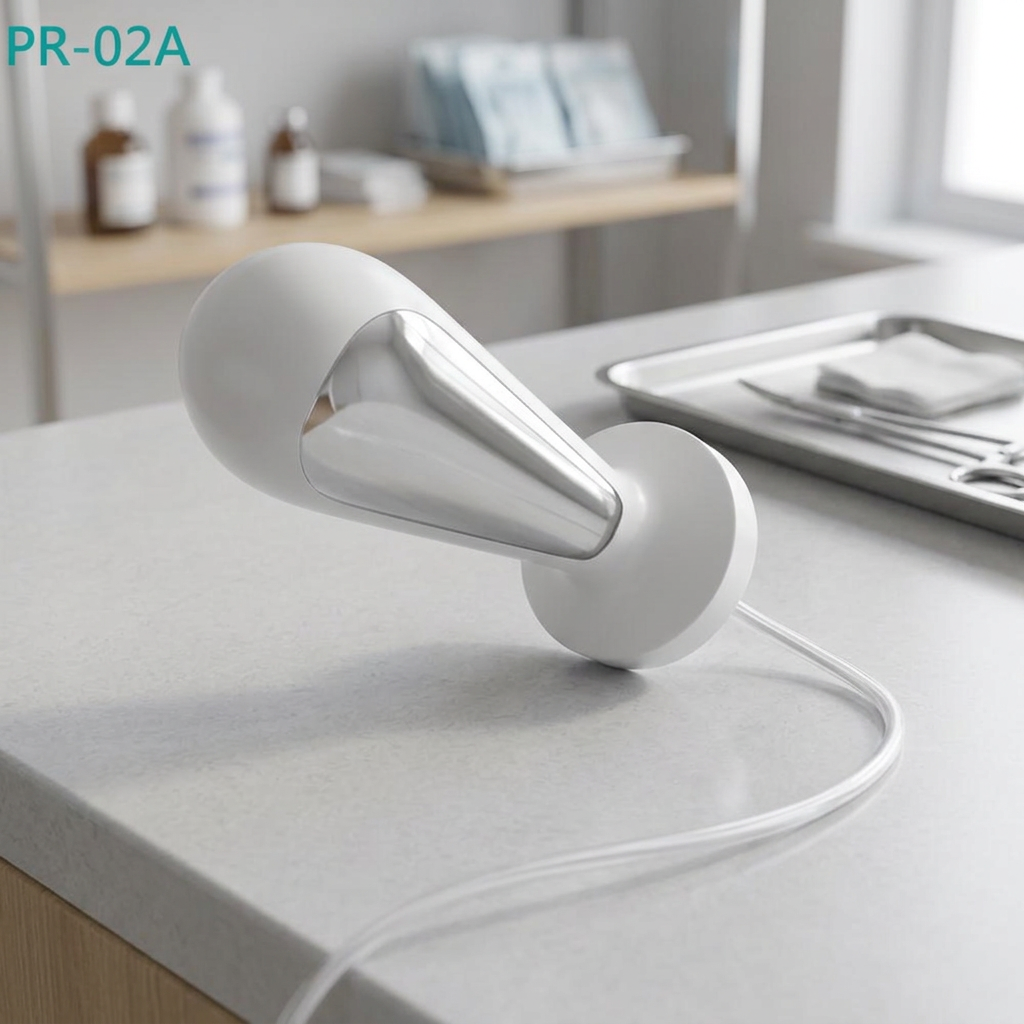
3. Enterprise Procurement Checklist: Auditing TENS & EMS Manufacturers
Evaluating a TENS/EMS supplier in China or Taiwan requires moving beyond basic pricing. Importers must scrutinize manufacturing engineering, regulatory credentials, quality assurance protocols, and intellectual property protections. Below is the framework top medical procurement directors use when selecting supply partners:
1. ISO 13485:2016 Quality Management System
Standard ISO 9001 certification is insufficient for Class II medical equipment. Qualified suppliers must hold ISO 13485 certification audited by accredited bodies (such as SGS, TÜV SÜD, or BSI), covering design, software validation, traceability, cleanroom manufacturing, and post-market surveillance.
2. Regulatory File Availability (510k & CE MDR)
Ensure the supplier holds active 510(k) clearances for OTC (Over-The-Counter) or prescription sales in the United States, along with CE Technical Files under the EU Medical Device Regulation (MDR 2017/745). Request full IEC 60601-1 (Electrical Safety) and IEC 60601-1-2 (EMC) test reports.
3. Printed Circuit Board Assembly (PCBA) Precision
Output waveform accuracy depends on microcontroller stability. Reliable factories utilize high-precision SMD components, automated optical inspection (AOI), and multi-stage burn-in tests to eliminate component drift and current spikes.
4. Electrode Gel Conductivity & Biocompatibility
Electrode pad hydrogels must comply with ISO 10993-5 (Cytotoxicity) and ISO 10993-10 (Skin Irritation/Sensitization). Advanced suppliers utilize Japanese or medical-grade polymer hydrogels that maintain uniform conductivity (< 100 Ω impedance) over 25+ reuse cycles.
Supplier Qualification Matrix: Tier-1 Manufacturer vs. Trading Workshop
| Evaluation Benchmark | Tier-1 Certified Manufacturer (e.g., USHC / Everyway) | Assembly Workshops / Small Trading Firms |
|---|---|---|
| Quality Certification | ISO 13485:2016, FDA Listed, CE MDR Technical Files | Basic ISO 9001 or borrowed third-party certificates |
| Waveform Accuracy | Constant Current output; micro-step digital adjustment (0.5mA steps) | Unregulated analog output prone to skin burning spikes |
| Daily Production Output | 60,000+ electrode pads & 3,000+ stimulator units daily | Small batch assembly (< 200 units daily) subject to delays |
| In-House R&D Team | Dedicated firmware engineers, mold designers, and bio-engineers | No R&D; reliant on public generic market molds |
| Traceability & Auditing | Barcode batch tracking for every PCB, hydrogel lot, and housing | No lot-number tracking or component component records |
4. Engineering & Waveform Science: Technical Deep Dive
To maintain a competitive edge, medical brands must understand the underlying physics and biological mechanics of electrical muscle stimulation. Transcutaneous electrotherapy works by transferring controlled electrical pulses through the skin surface to stimulate underlying sensory or motor nerve fibers.
Key Waveform Parameters in Modern TENS & EMS Devices
- Biphasic Symmetrical Square Wave: The gold standard for TENS/EMS stimulation. Biphasic waveforms feature a positive phase followed by an equal negative phase, ensuring zero net DC current buildup under the electrodes. This eliminates tissue electrolysis and skin irritation risks.
- Pulse Width Duration (50 µs to 400 µs): Shorter pulse widths (50–100 µs) selectively stimulate A-beta sensory nerve fibers for immediate pain relief (Gate Control Theory). Longer pulse widths (200–400 µs) penetrate deeper motor nerve units for muscle re-education (NMES).
- Pulse Rate / Frequency (1 Hz to 150 Hz): Low frequencies (1–10 Hz) stimulate the release of endogenous opioids (endorphins) providing delayed but long-lasting analgesia. High frequencies (80–120 Hz) activate the spinal cord gate mechanism for rapid pain inhibition.
- Constant Current vs. Constant Voltage Circuits: Premium units incorporate Constant Current (CC) circuitry. When skin impedance fluctuates due to sweat or electrode drying, a CC circuit automatically adjusts output voltage to maintain a steady current delivery, preventing painful shocks.
5. Future Sourcing Trends in TENS/EMS Manufacturing (2025–2030)
The electrotherapy manufacturing sector is evolving rapidly driven by miniaturization, wireless connectivity, dynamic biofeedback, and wearable technology. Importers building long-term product roadmaps should focus on the following emerging categories:
Wireless App-Connected Pods
Bulky lead wires are being replaced by compact, rechargeable Bluetooth pod stimulators attached directly to electrode patches. Smartphone applications allow users to select anatomical treatment zones, track compliance metrics, and download customized frequency profiles.
Smart Pelvic Floor Biofeedback
Pelvic floor rehabilitation devices are transitioning from basic electrical stimulation to integrated dual-channel pressure biofeedback systems. These systems detect real-time muscle contraction force (in mmHg) and adjust EMS intensity to optimize urinary incontinence recovery.
Silver-Fiber Conductive Textiles
Wearable conductive garments—including silver-knitted compression socks, gloves, knee sleeves, and back wraps—provide even current distribution over contoured anatomical joints, replacing targeted sticky pads for arthritis and neuropathic treatments.
Hybrid Modality Consoles
Advanced clinical devices combine TENS, EMS, Interferential Current (IFC), Microcurrent (MCR), and thermal therapy into a single multi-channel system, enabling clinical teams to treat chronic pain, acute swelling, and muscle atrophy concurrently.
6. Manufacturing Excellence: USHC Medical Enterprise Strengths
Since 1989, USHC Medical Instruments Co., Ltd. has established itself as a premier Taiwanese custom manufacturer and global exporter of electrotherapy devices, electrode consumables, intracavity probes, conductive garments, and motorized traction treatment tables. Operating under a rigorous ISO 13485 quality framework, USHC combines engineering innovation with large-scale production reliability.

- 35+ Years Sourcing Authority: Established in 1989, serving healthcare brands in over 70 countries across North America, Europe, Australia, and Asia.
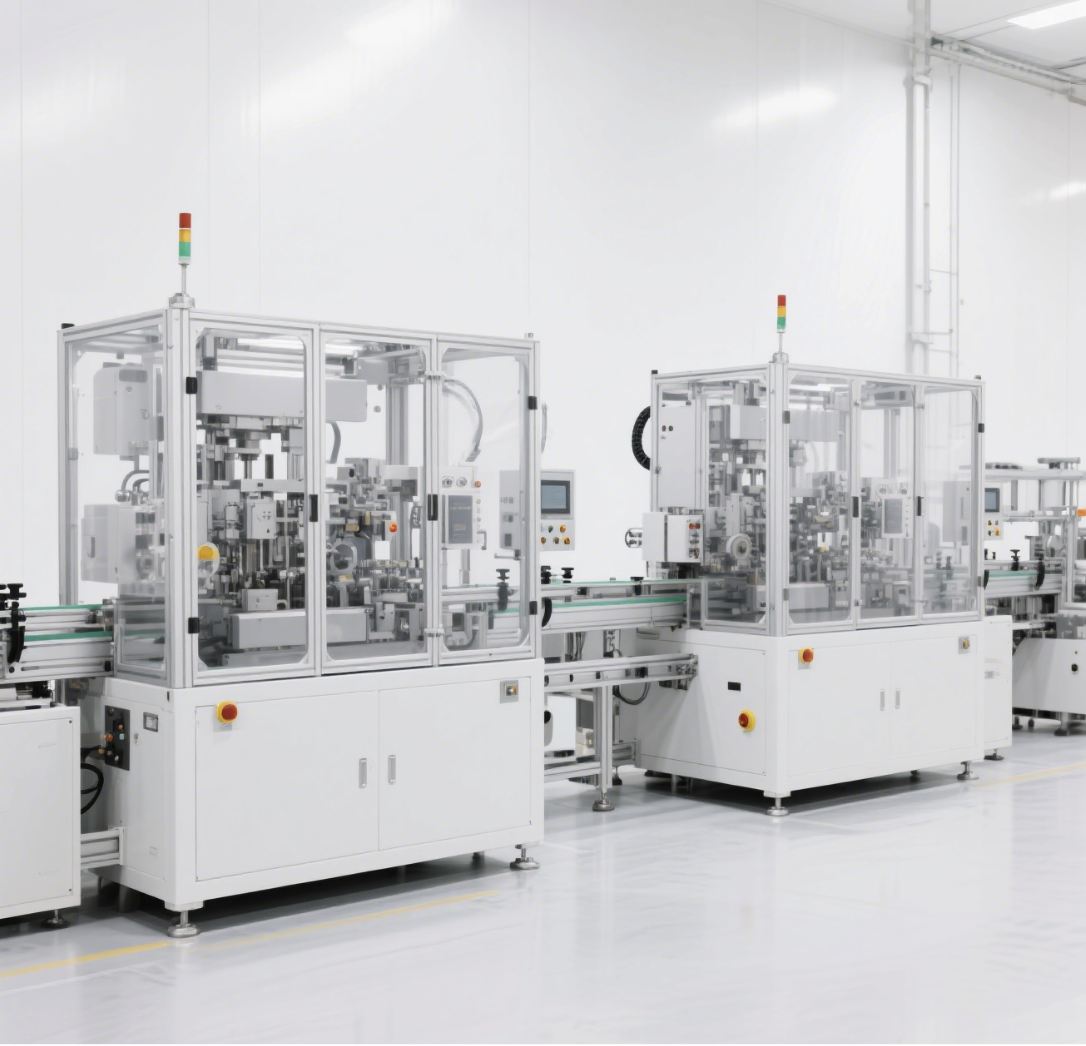
- Vertically Integrated Production: Automated high-volume production producing over 60,000 electrode pieces per day alongside digital device assembly lines.
- On-Site SGS Assessed Factory: Independently audited manufacturing facility featuring Class 100,000 cleanrooms, full lot-traceability, and SMT assembly.
- Turnkey OEM/ODM Engineering: Complete customization spanning industrial design, circuit schematic engineering, housing tooling, customized packaging, and regulatory filing support.
7. Frequently Asked Questions (FAQ) for Wholesalers & OEM Importers
Below are clear, technical answers to common questions raised by procurement managers, regulatory affairs officers, and medical device distributors when sourcing TENS and EMS equipment.
Partner with a Trusted Medical Electrotherapy OEM Manufacturer
Connect directly with our senior biomedical engineering team to review custom device parameters, request factory documentation, or receive a wholesale quotation.