CE & ISO 13485 Certified Electrotherapy & Rehabilitation Portfolio
As a premier Taiwan-based electrotherapy original device manufacturer since 1989, our medical-grade portable Electrical Muscle Stimulation (EMS) and Transcutaneous Electrical Nerve Stimulation (TENS) systems are engineered for clinical precision, safety, and long-term therapeutic compliance. Explore our core wholesale offerings below:
Industry White Paper: Engineering & Procurement Insights for Portable EMS Devices
The global electrotherapy device market is undergoing a structural paradigm shift driven by demographic aging, an increasing preference for non-invasive non-pharmacological pain management, and the rapid expansion of home-based rehabilitation technologies. Electrical Muscle Stimulation (EMS) and Neuromuscular Electrical Stimulation (NMES) devices—once restricted to specialized physical therapy clinics—are now central to modern home healthcare, athletic recovery, and pelvic floor rehabilitation portfolios.
USHC Medical Instruments Co., Ltd. (operating manufacturing facilities in Taiwan since 1989) represents the benchmark in electrotherapeutic device manufacturing. With comprehensive OEM/ODM engineering capacity, third-party SGS on-site audits, FDA device listings, and direct European CE compliance, we deliver turnkey manufacturing solutions tailored to medical device brand owners, wholesale distributors, and clinical hospital suppliers across more than 70 countries.
Technical Architecture & Electrophysiological Mechanisms
To successfully market and distribute portable EMS equipment, procurement teams and brand managers must evaluate the core electrical parameter specifications that govern clinical efficacy, safety, and patient comfort. EMS functions by sending controlled electrical impulses through target motor nerves, triggering depolarizations that induce muscular contractions identical to central nervous system signals.
1. Waveform Symmetry and Pulse Parametrics
Medical-grade portable EMS units utilize high-precision microcontrollers to output biphasic square waveforms. The key electrical parameters include:
- Pulse Width (Duration): Ranging strictly between 50 µs and 400 µs. Shorter pulse durations target smaller muscle fibers, whereas wider pulses penetrate deeper tissue groups, such as the quadriceps or gluteal musculature.
- Pulse Frequency (Rate): Measured in Hertz (Hz) or pulses per second (pps). Frequencies between 1 Hz and 15 Hz induce twitch contractions useful for local microcirculation and lymphatic drainage, while frequencies between 30 Hz and 80 Hz recruit motor units to build muscular strength and endurance. Frequencies exceeding 100 Hz stimulate sensory fibers for pain gating (TENS overlap).
- Constant Current vs. Constant Voltage Circuitry: Advanced medical EMS devices incorporate constant-current feedback loops. Because human skin impedance varies depending on hydration, sebum levels, and electrode hydrogel wear, a constant-current system automatically adjusts output voltage dynamically to prevent skin burns or sudden painful current spikes.
| Electrical Parameter | Clinical EMS Standard | Consumer-Grade Range | USHC Medical OEM Advantage |
|---|---|---|---|
| Waveform Type | Symmetrical Biphasic Rectangular | Monophasic / Unregulated | Zero-Net DC offset eliminates tissue polarization and skin burns |
| Current Output | 0 - 100 mA into 500 Ω load | 0 - 30 mA (Uncalibrated) | Constant-current digital control with automatic load detection |
| Pulse Width | 50 - 450 µs (Adjustable) | Fixed (100 µs) | Precision digital calibration (+/- 5% tolerance) for specialized rehab |
| Safety Interlocks | Open-circuit shutdown / Keylock | None | IEC 60601-2-10 compliant auto-intensity reset upon lead disconnect |
2. Pelvic Floor Stimulation & Intracavity Electrodes
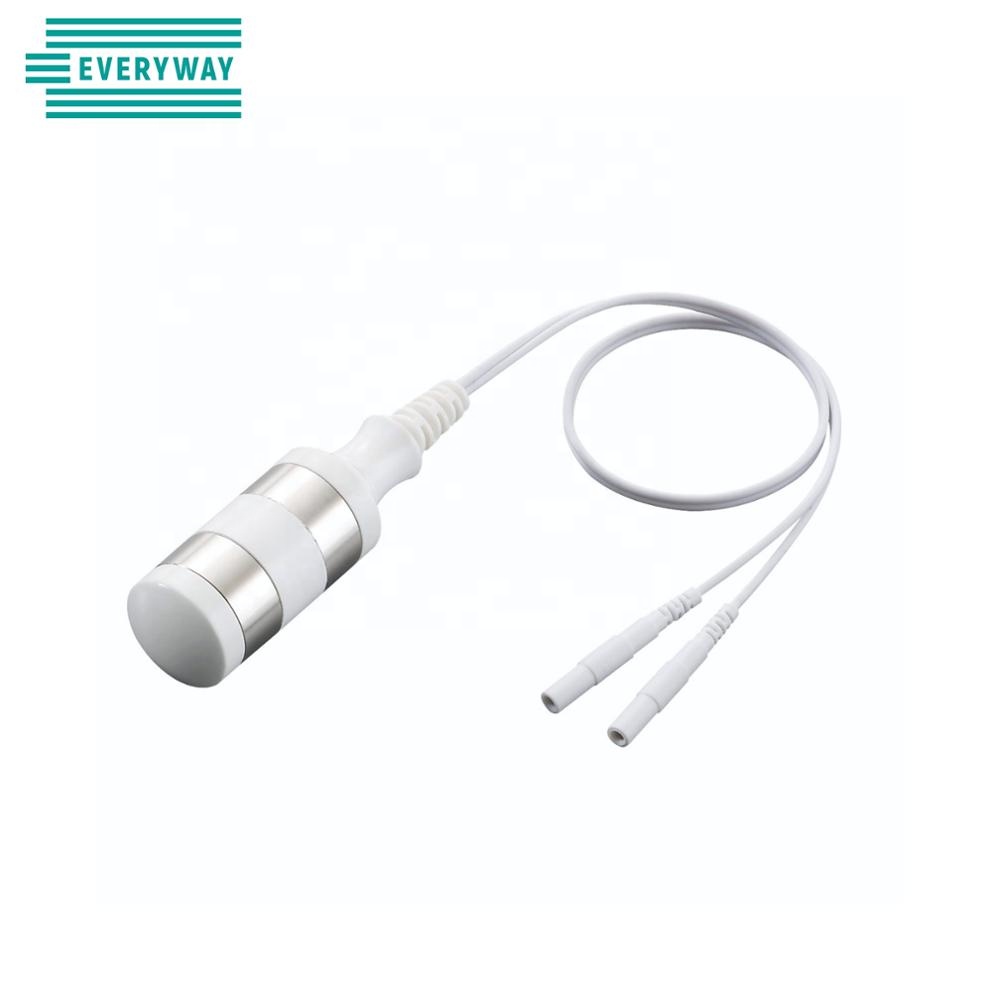
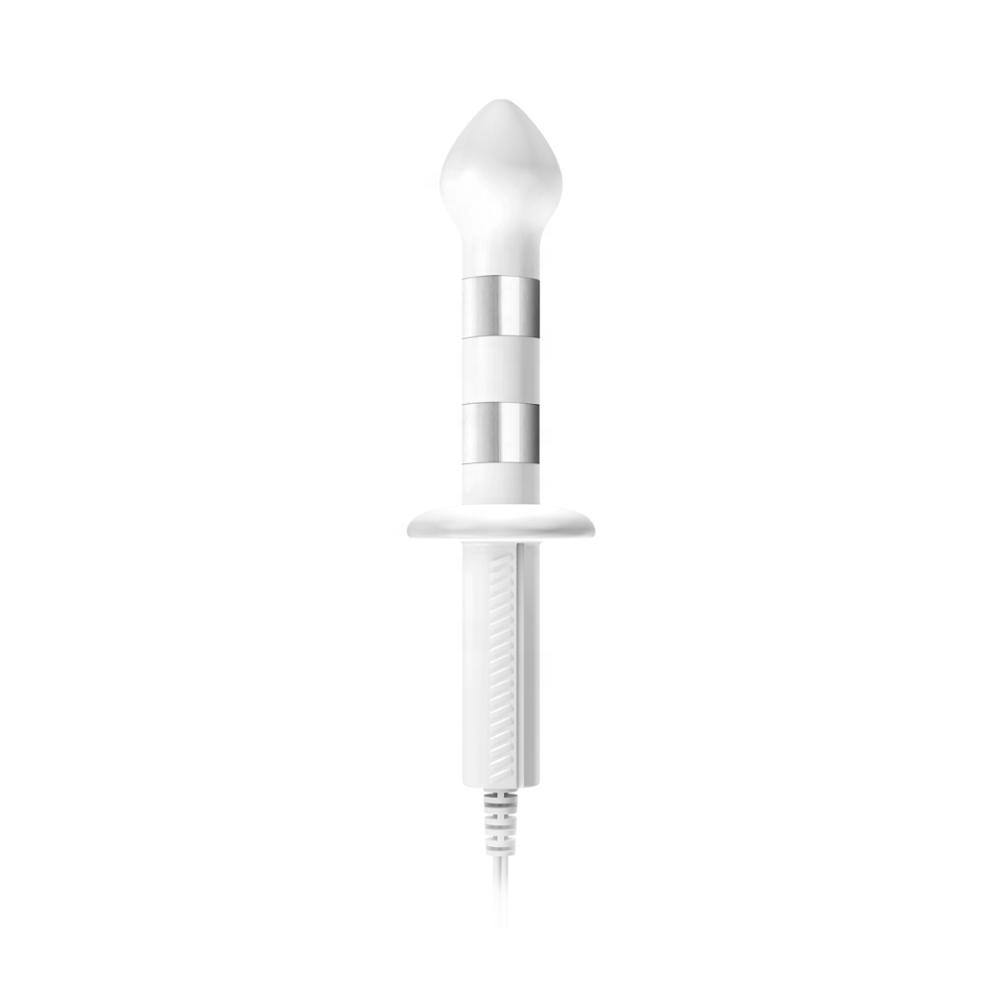
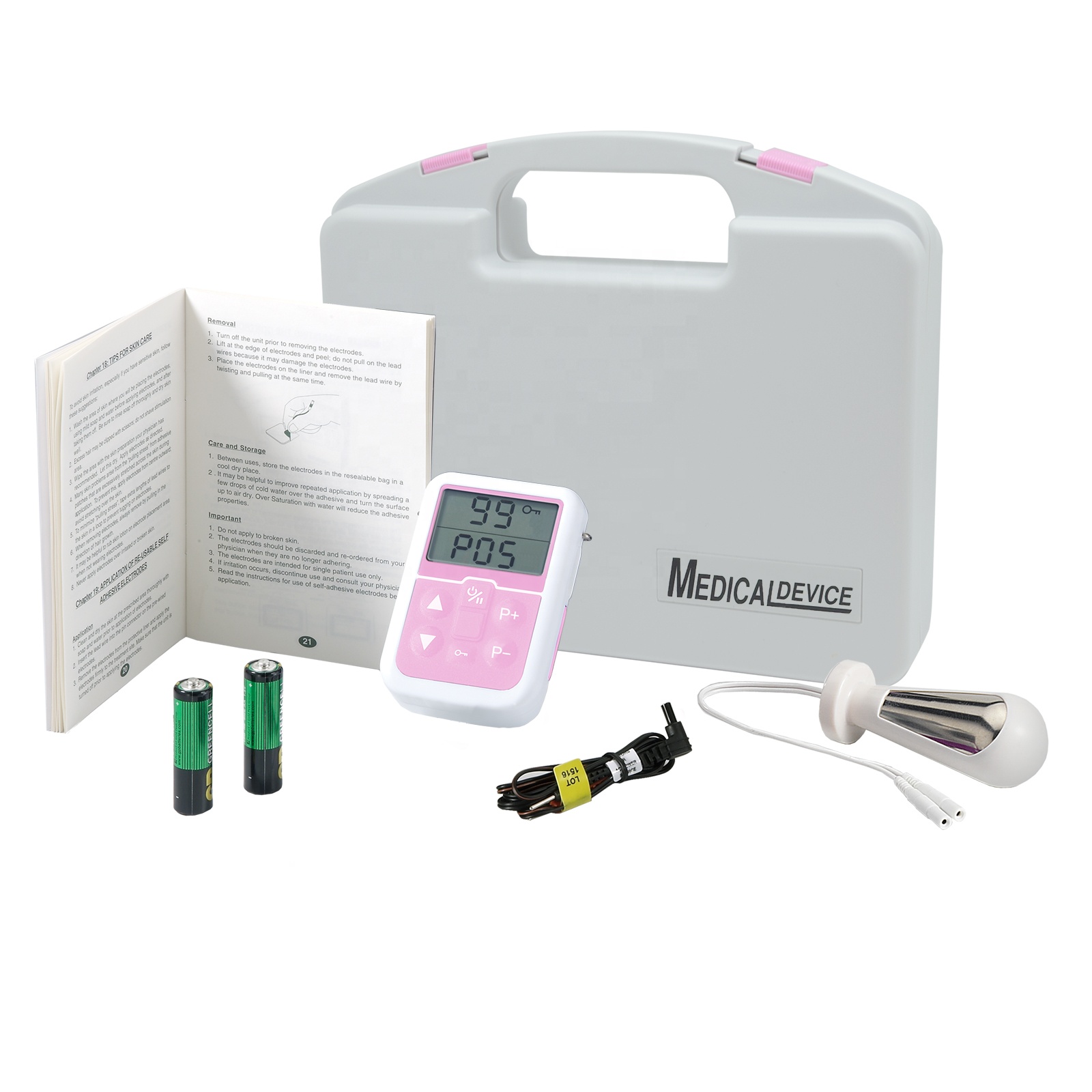
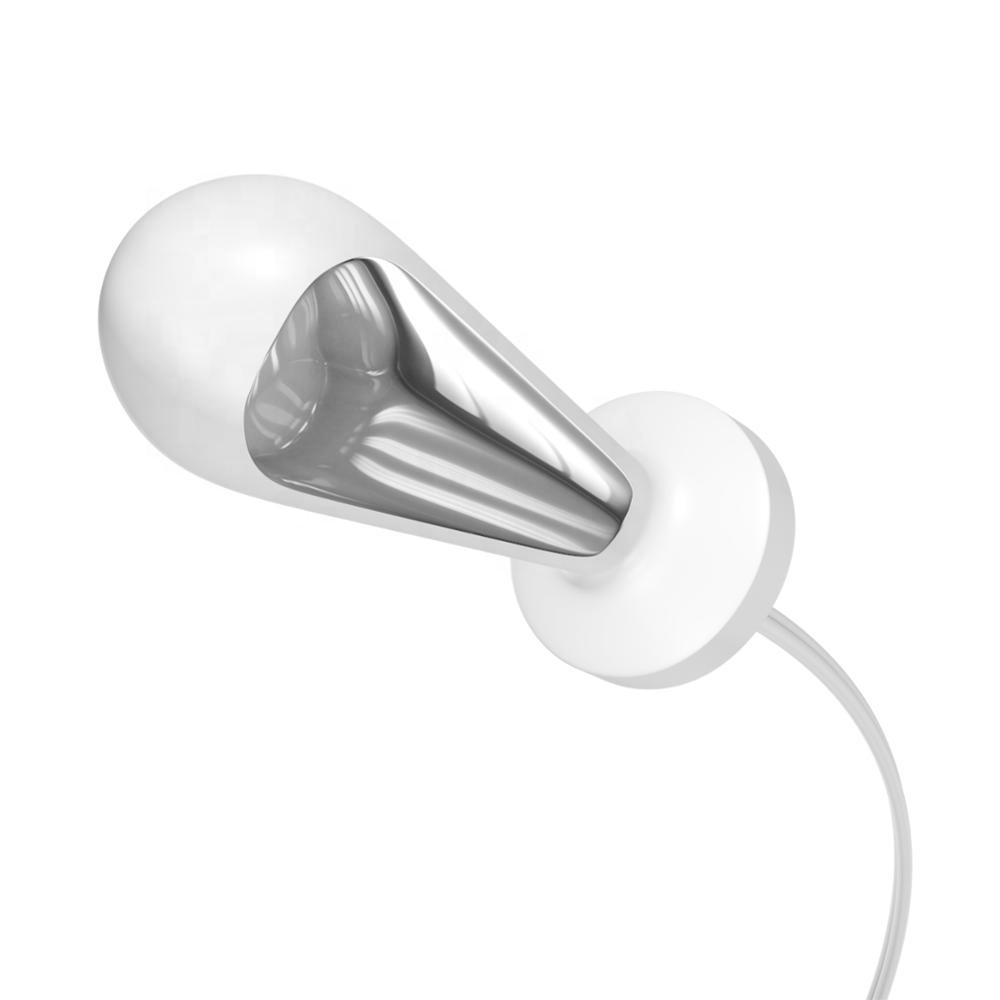
A rapidly expanding segment of the portable EMS market is Pelvic Floor Electrical Stimulation (PFES) for stress, urge, and mixed urinary incontinence. Systems such as the PR-14A and PR-02A utilize medical-grade stainless steel (AISI 316L) ring electrodes co-molded with biocompatible ABS shafts. These probes deliver targeted stimulation to the levator ani and pubococcygeus muscle complexes without mucosal irritation, providing a non-surgical therapy protocol backed by clinical urology guidelines globally.
Enterprise Capabilities & OEM/ODM Contract Manufacturing
USHC Medical Instruments Co., Ltd. operates a fully integrated manufacturing infrastructure designed to support high-volume private label programs, custom circuit design, housing injection molding, and international regulatory registration.
ISO 13485 Cleanroom Production
Our Taiwanese facilities operate automated assembly lines within environmentally controlled cleanrooms, ensuring supreme purity for self-adhesive hydrogels and intracavity probes.
Custom Hardware & Firmware Engineering
We provide ODM clients with custom micro-controller programming, dual/quad channel PCB routing, custom LCD screen backlighting, and localized language UI options.
Regulatory Dossier Support
Importers receive complete Technical Files, including IEC 60601-1 electrical safety, IEC 60601-1-2 EMC, ISO 10993 biocompatibility, and CE declaration dossiers.
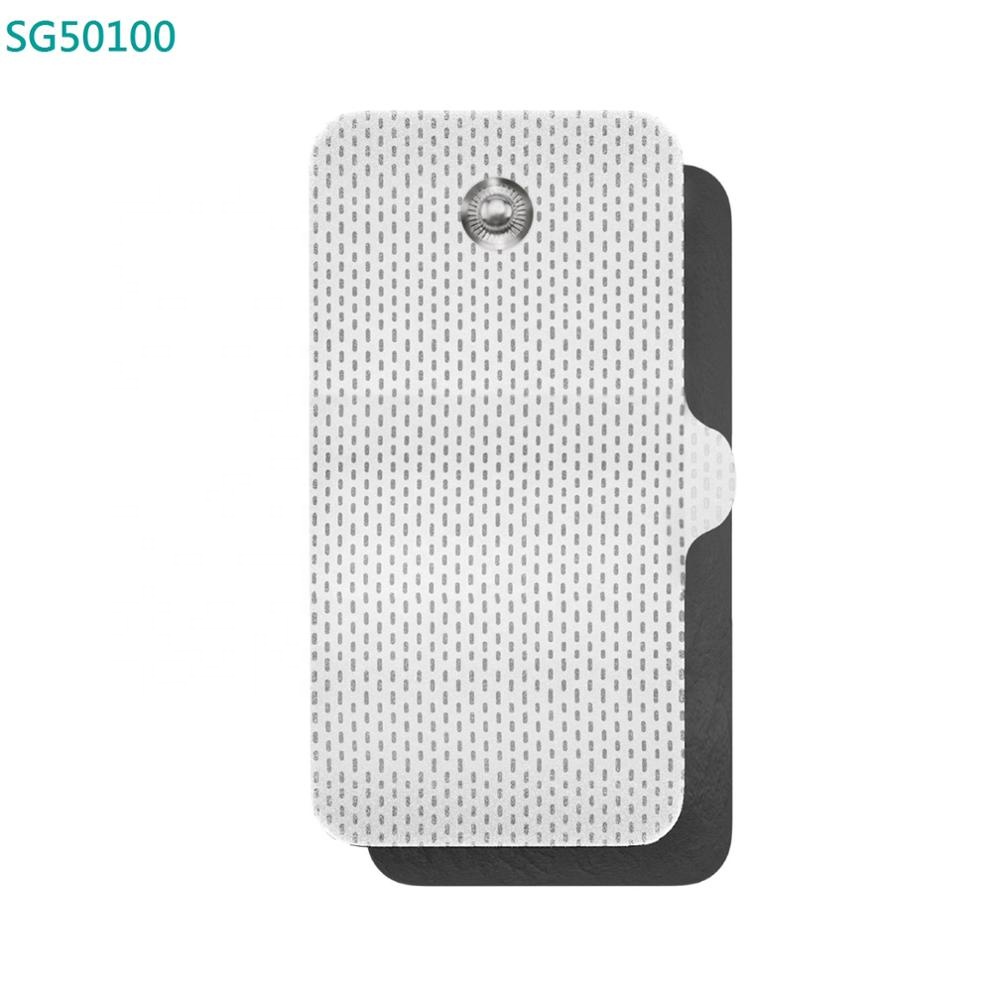
Our electrode pad manufacturing division utilizes proprietary Japanese and Taiwanese hydrogels combined with low-impedance silver (Ag) printed carbon film matrices. Producing over 60,000 electrode pads daily, we offer customized shapes, lead-wire pin diameters (2.0mm, 2.5mm, or snap connectors), and custom-printed foil pouch packaging for retail channels.
Future Procurement Trends in the Portable Electrotherapy Sector
As B2B buyers restructure their electrotherapy supply chains for the next decade, several key technological and regulatory macro-trends must shape current procurement strategies:
1. Microprocessor Integration and Multi-Channel Versatility
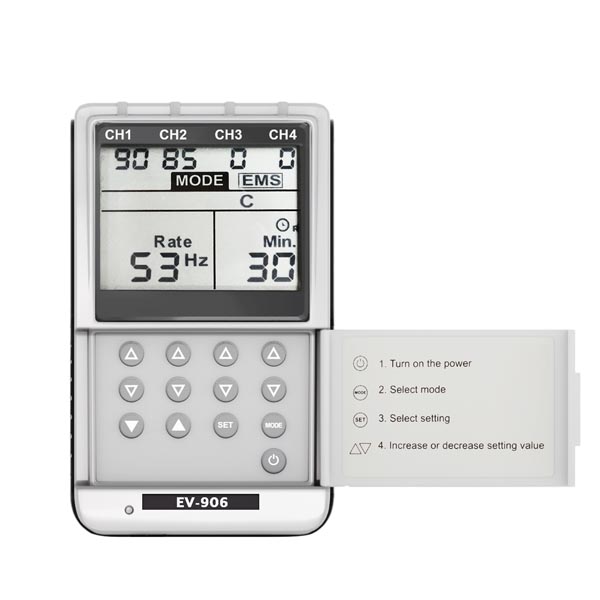
The traditional market division between single-channel TENS units and clinical table-top stimulators is collapsing. Modern healthcare buyers are demanding 4-channel digital EMS machines (such as the EV-906) that provide independent intensity controls across four discrete muscle groups simultaneously. This permits complex rehabilitation protocols, such as synchronized agonist-antagonist stimulation or multi-limb athletic recovery, within a lightweight, battery-powered portable footprint.
2. Transition to Rechargeable Lithium Systems & USB-C Standard
Global environmental mandates and consumer expectations are phasing out disposable 9V battery systems. Sourcing trendlines demonstrate a massive shift toward medical-grade integrated Lithium-ion batteries with USB-C fast-charging protocols. These units must incorporate power management ICs that meet stringent IEC 60601-1 isolation standards to prevent operation while plugged into line power, ensuring absolute user safety.
3. Conductive Garment Electrodes Replacing Disposable Pads
While self-adhesive hydrogel pads remain a consumable staple, global distributors are aggressively adding conductive silver-mesh garments (gloves, socks, knee sleeves) to their line-ups. Conductive garments distribute current evenly across complex anatomical contours, eliminating hot-spots and offering diabetic neuropathy patients or arthritis sufferers an easy, wearable electrotherapy solution.
Product Development & Innovation Trajectories
Looking ahead, electrotherapy technology will pivot from static pulse generation to intelligent, adaptive bio-signal feedback systems. Brands that partner with forward-thinking original equipment manufacturers will secure immediate technical advantages:
EMG Biofeedback Integration
Future EMS units will combine Electromyography (EMG) sensing with electrical output. The device reads ambient muscle tone, guides the patient to initiate a voluntary contraction, and delivers an EMS burst to complete the movement loop—drastically shortening post-stroke neuro-rehabilitation cycles.
Hypoallergenic Biocompatible Materials
In response to rising skin sensitivity concerns, OEM manufacturing is evolving toward latex-free, cytotoxicity-tested, medical-grade silicone backings and skin-friendly hydrogels that maintain uniform conductivity over 30+ application cycles without gel migration.
App-Enabled Cloud Therapy Protocols
Bluetooth Low Energy (BLE) module integration allows clinicians to program custom ramp-up times, holding times, and rest cycles remotely, while tracking patient usage data for tele-rehabilitation insurance reimbursement models.
B2B Sourcing Checklist: Auditing EMS Unit Manufacturers
When selecting a contract manufacturer or wholesale vendor for portable EMS and TENS equipment, procurement teams should validate vendors against this audit checklist:
- Quality System Accreditation: Confirm valid ISO 13485 certification issued by an accredited Notified Body (e.g., SGS, TÜV SÜD) explicitly covering medical electrotherapy manufacturing.
- Regulatory Technical File Availability: Ensure complete availability of IEC 60601-1 (Electrical Safety) and IEC 60601-1-2 (EMC) test reports conducted by ILAC-accredited laboratory facilities.
- Biocompatibility Compliance: Require ISO 10993 testing reports (Cytotoxicity, Sensitization, Intracutaneous Reactivity) for all patient-contacting components, including probes and hydrogel pads.
- Factory Traceability & Component Control: Verify serial-number level component traceability from incoming PCB surface-mount assembly to final functional batch testing.
- Customization & IP Protection: Partner with established manufacturers offering formal non-disclosure agreements, private mold ownership options, and dedicated firmware engineering.
Frequently Asked Questions (FAQ) for B2B Buyers
Partner with a World-Class Electrotherapy Manufacturer
Whether you require private-label portable EMS devices, specialized pelvic floor probes, or high-volume electrode pad manufacturing, our engineering team in Taiwan is ready to support your business expansion.
Inquire Now