CE Certified Electrotherapy & Rehabilitation Product Catalog
Medical-grade Transcutaneous Electrical Nerve Stimulation (TENS), Electrical Muscle Stimulation (EMS), Traction Therapy Systems, and Bio-Compatible Accessories.
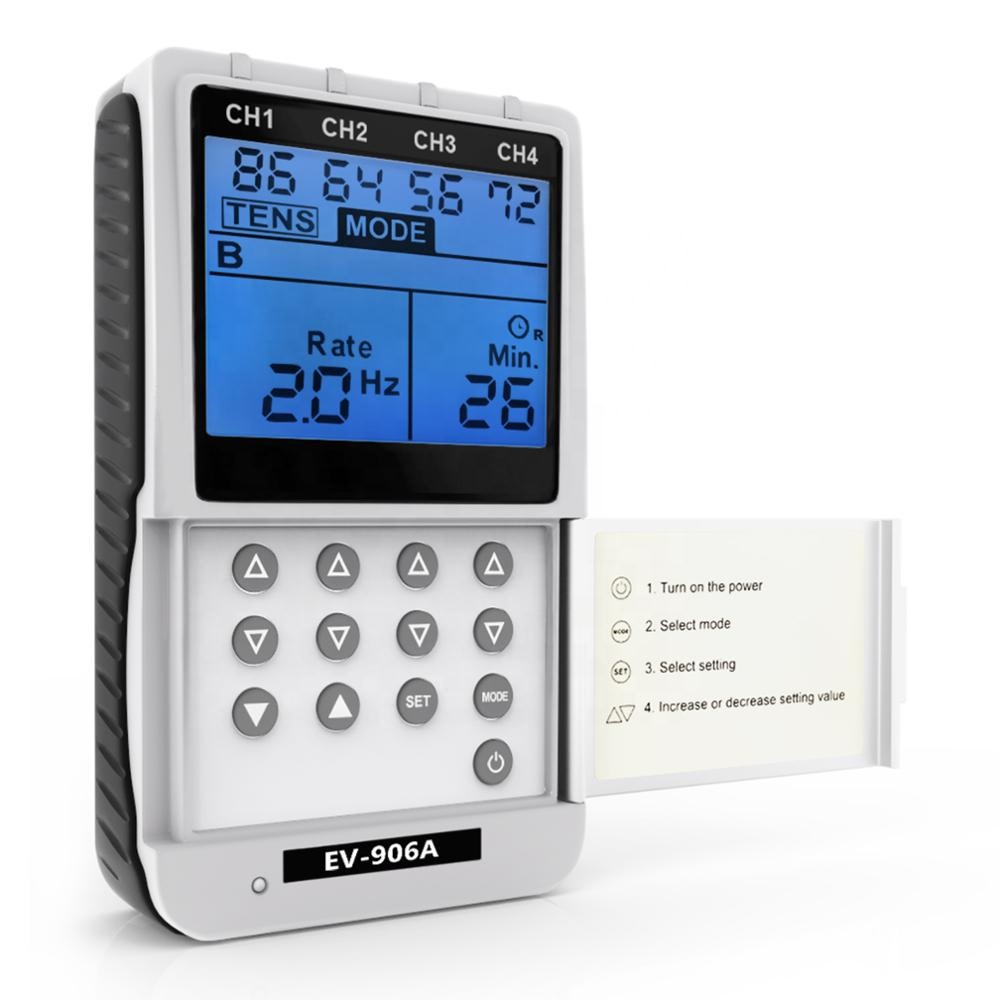
EV-906A TENS EMS Physical Therapy Equipment for In-Office Treatments
View Specifications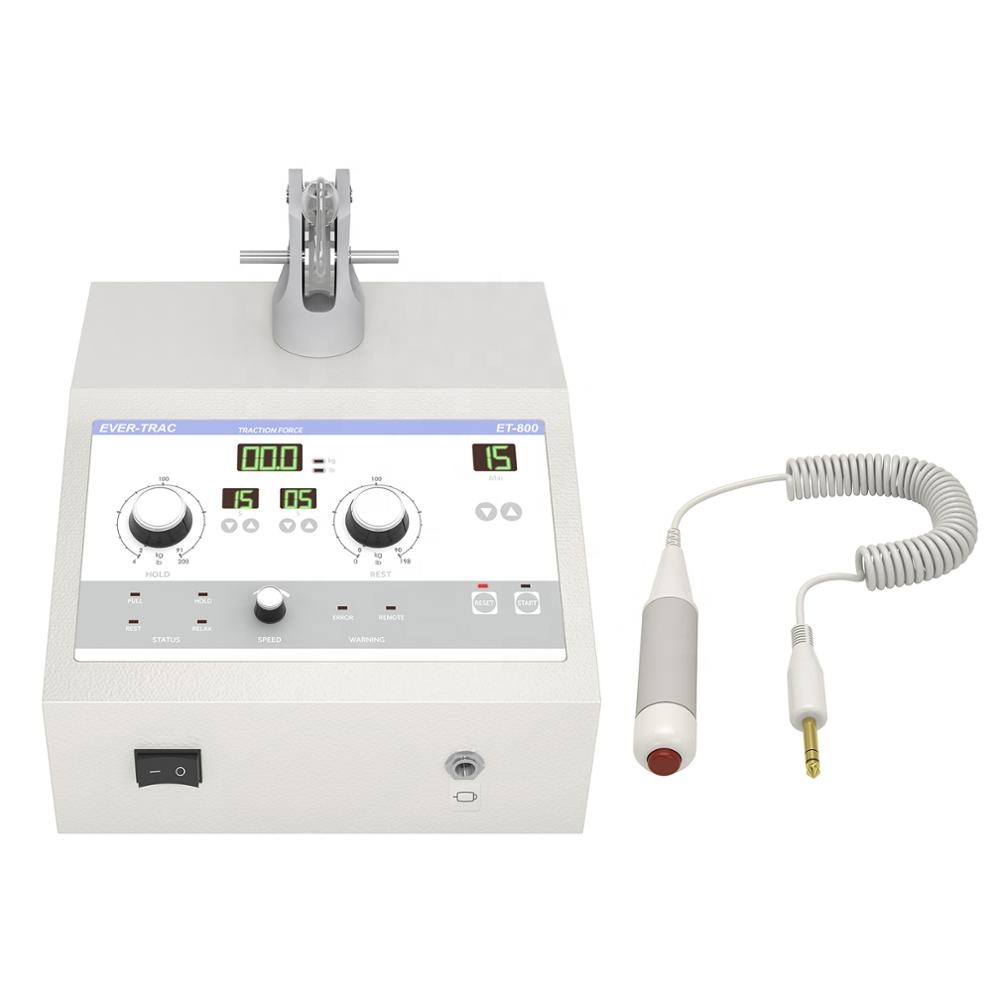
ET-800 Effective Lumbar Traction System Pain Relief Correction Device
View Specifications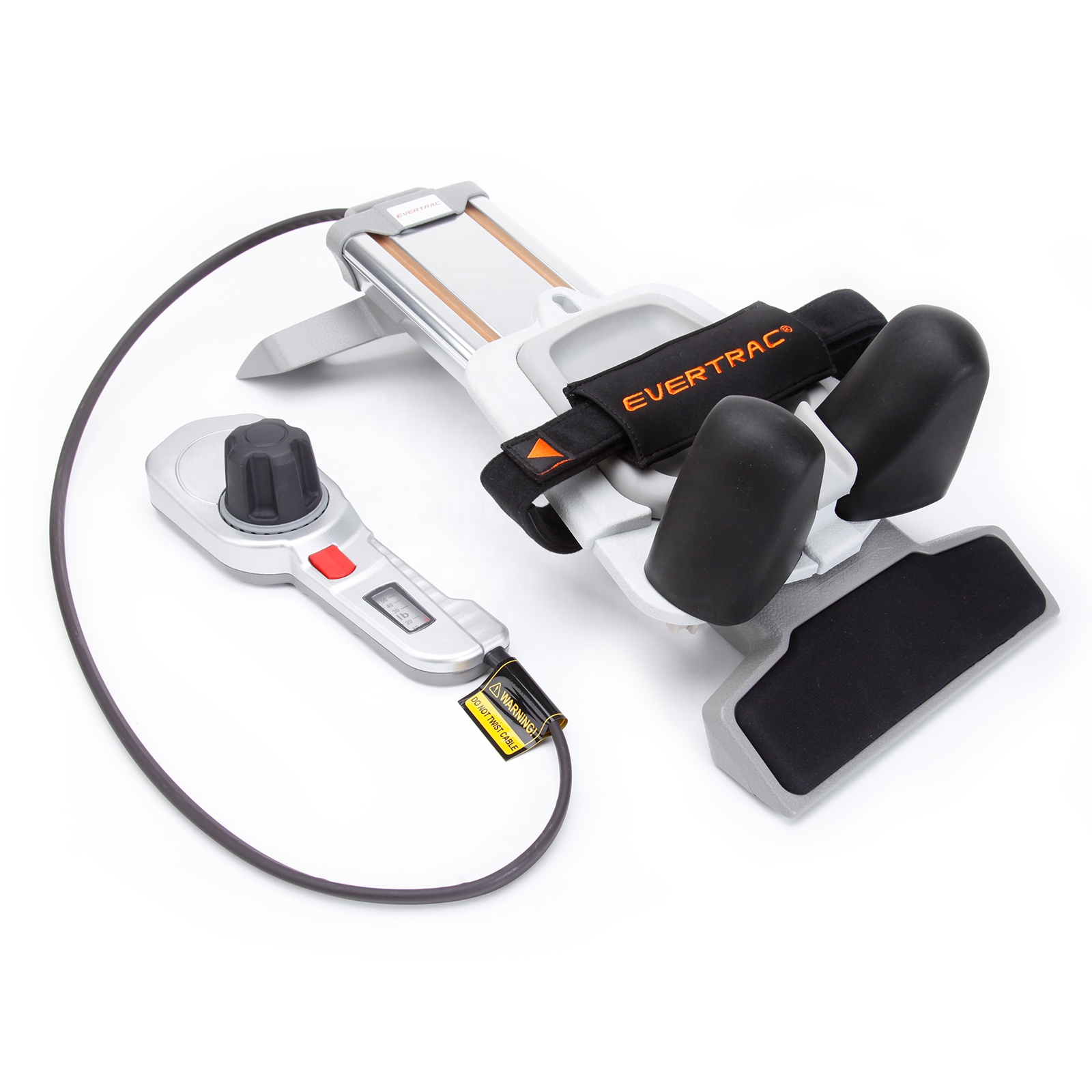
Taiwan CT-800 Neck Traction Physiotherapy Equipment for Physical Therapy
View Specifications
Everyway Snap Adhesive EMS Pads 50100 Taiwan Class I Carbon Film Latex-Free
View Specifications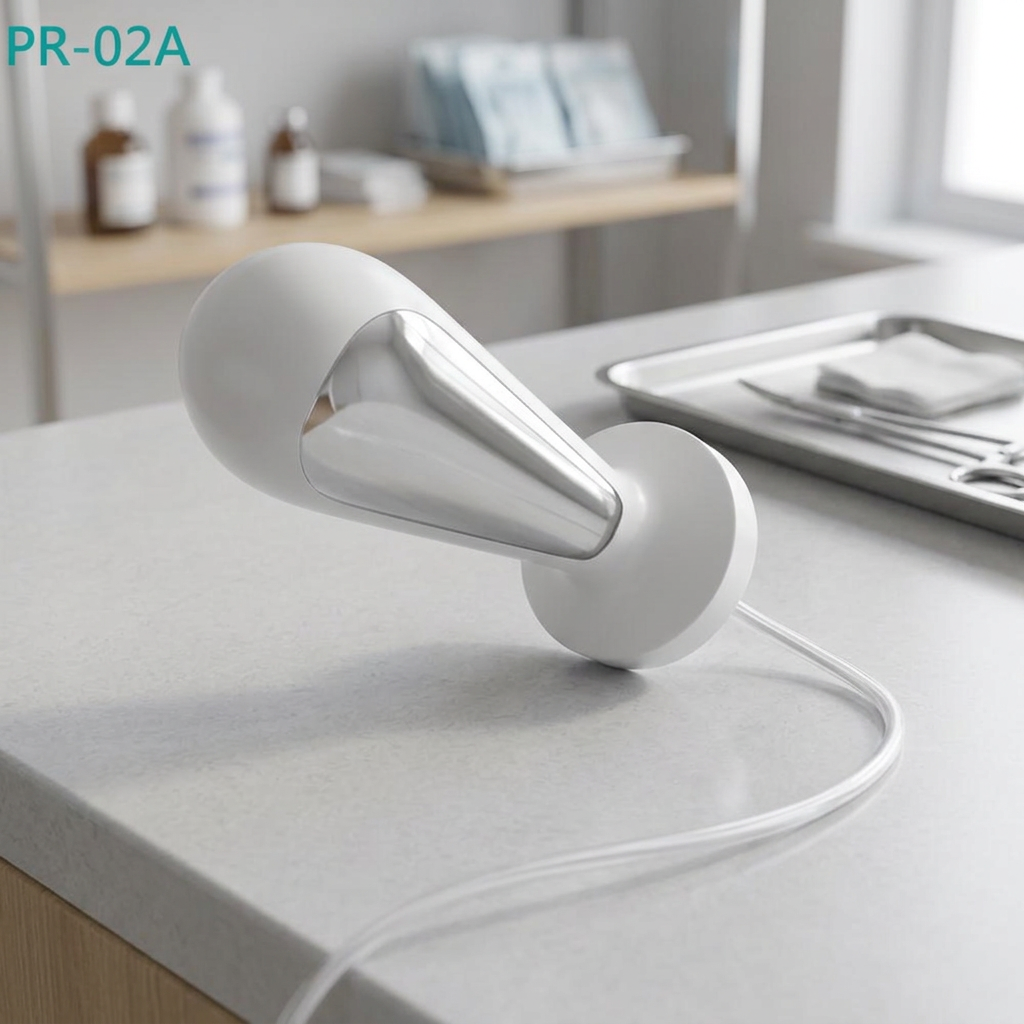
Medical Grade Pelvic Floor Stimulation Probe for EMS Technology
View Specifications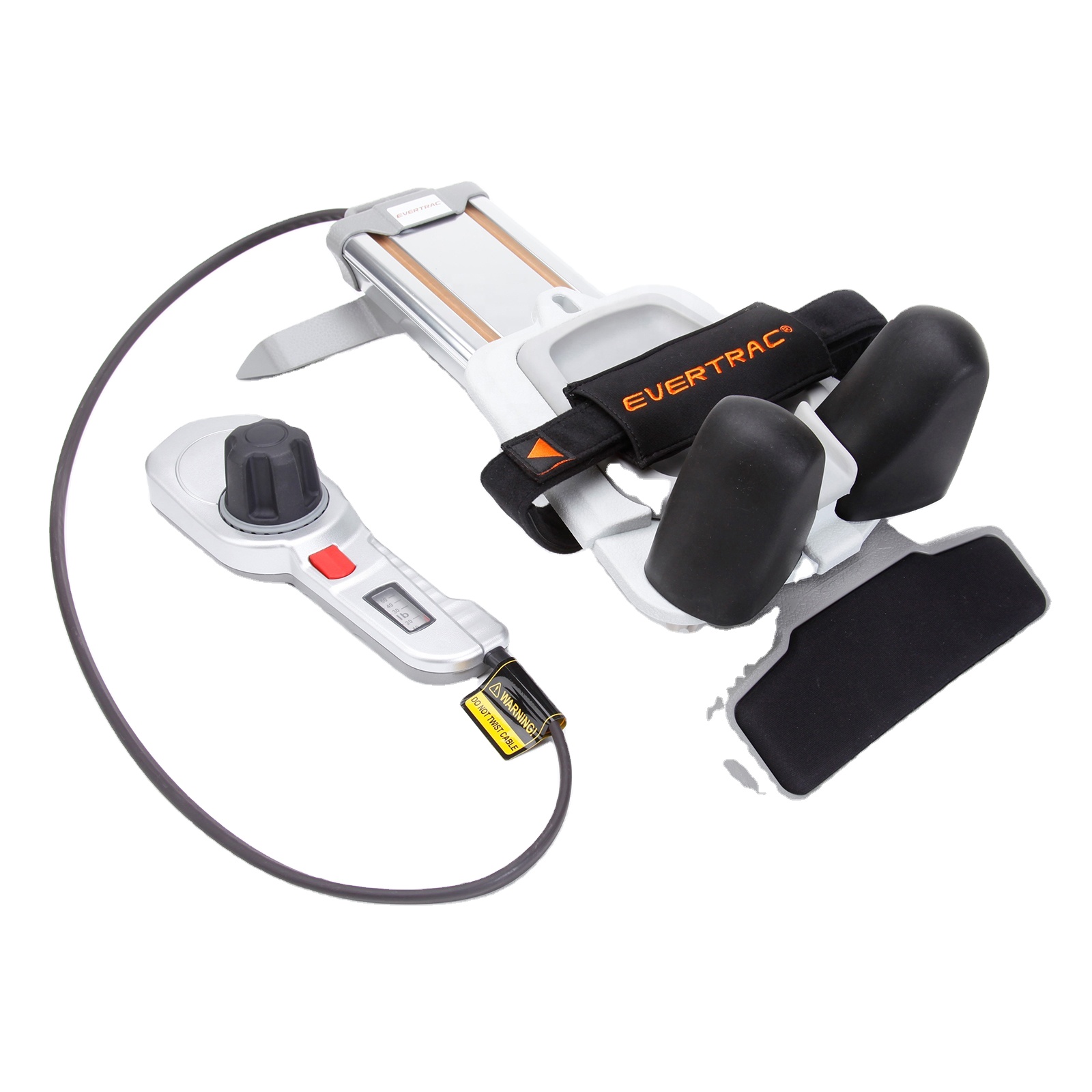
Taiwan CT-800 Portable Cervical Traction Unit Neck Pain Relief Device
View Specifications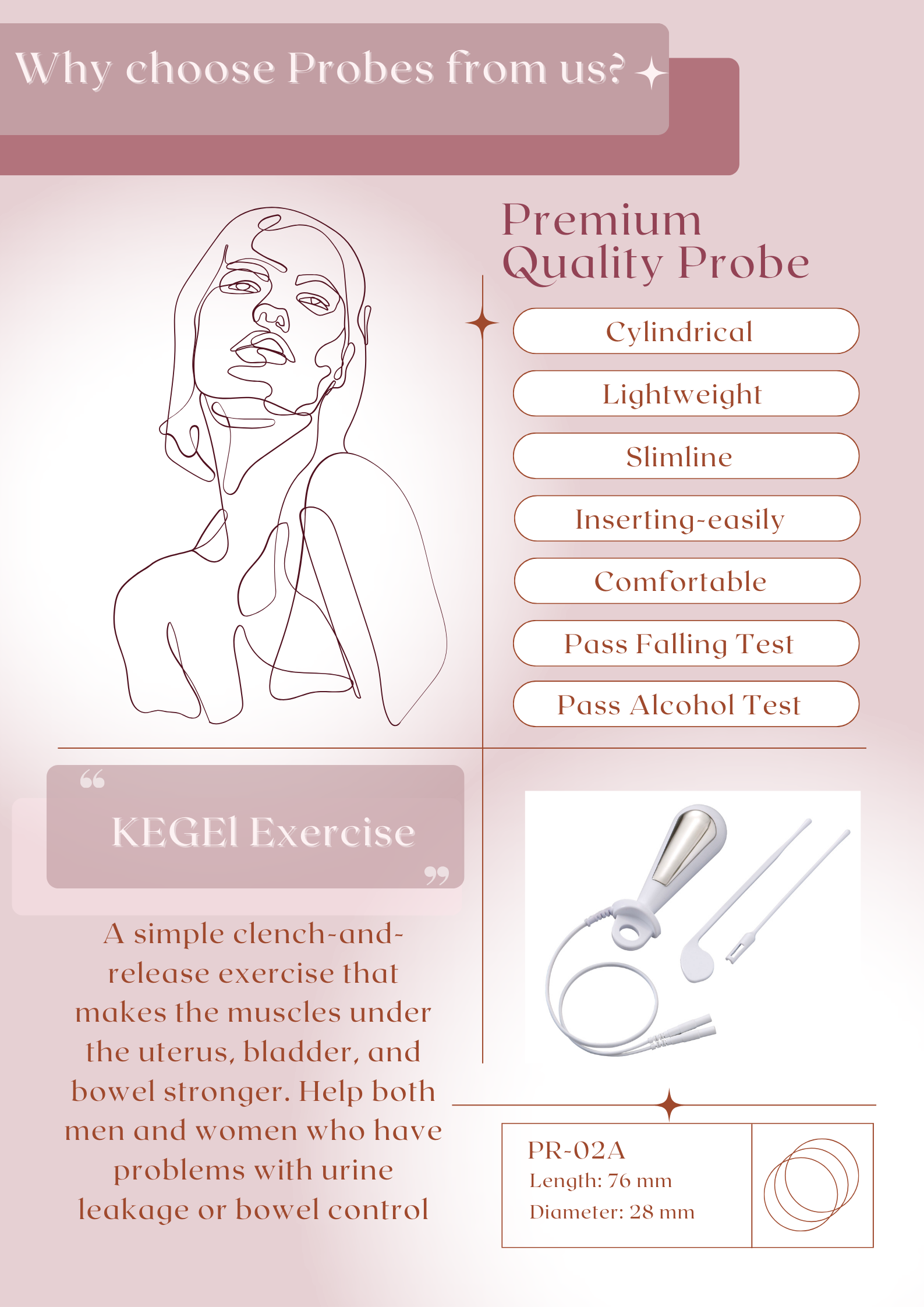
Reusable Self Adhesive Pelvic Floor Stimulator EMS Adjustable 0-80mA
View Specifications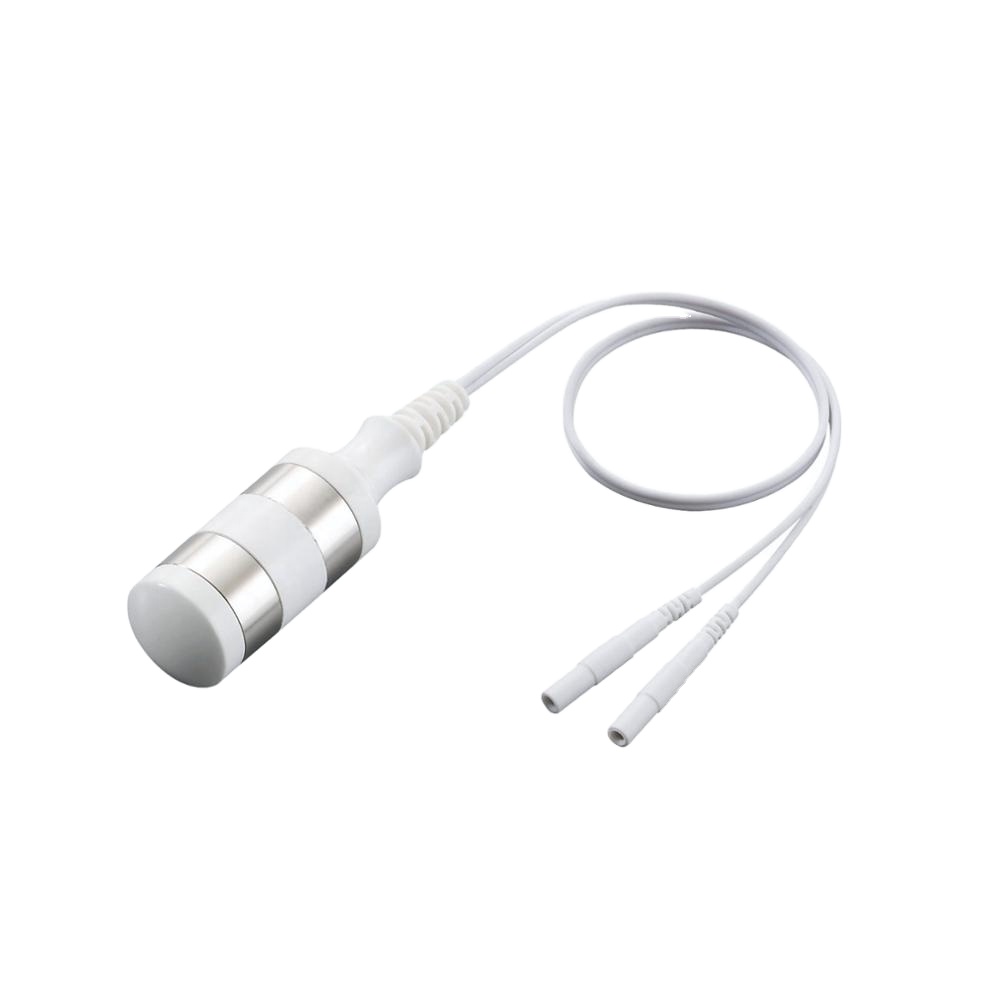
Taiwan PR-14A Pelvic Floor Muscle Stimulation Vaginal Probe Stainless Steel ABS
View SpecificationsIndustrial Authority & Enterprise Manufacturing Competence
Building Trust Through Rigorous Medical Device Engineering, Regulatory Compliance, and Proven Supply Chain Resilience Since 1989.
Medical-Grade ISO 13485 Quality Infrastructure
USHC Medical Instruments Co., Ltd. operates state-of-the-art cleanroom manufacturing units in Taiwan, rigorously adhering to ISO 13485 quality management systems. Our production lines feature automated wave soldering, surface-mount technology (SMT), and real-time pulse-waveform calibration to ensure zero-defect output for electrotherapy hardware.
CE Marking & EU MDR (2017/745) Compliance
Navigating stringent European Medical Device Regulations requires absolute traceability. Our entire electrotherapy portfolio—from dual-channel digital TENS/EMS units to intracavity pelvic probes—is fully backed by comprehensive Technical Files, Clinical Evaluation Reports (CER), and CE compliance documentation audited by recognized Notified Bodies.
Global Export Infrastructure (70+ Countries)
With an active export network spanning North America, the European Union, the Middle East, Australia, and East Asia, USHC Medical acts as an integrated global OEM/ODM partner. On-site SGS audits verify operational capacity, transparent trade history, and compliance with local customs registration protocols.
Deep Engineering & Clinical Electrotherapy Physics
Transcutaneous Electrical Nerve Stimulation (TENS) and Electrical Muscle Stimulation (EMS) rely on precise electrical wave parameters to elicit specific physiological responses. Professional clinical procurement teams must evaluate key bio-electrical variables when selecting contract manufacturing partners:
1. Biphasic Asymmetrical & Symmetrical Waveforms
Our digital TENS units utilize controlled biphasic asymmetrical square pulses to prevent net charge build-up beneath the electrode skin interface. This eliminates skin polarization and thermal discomfort, allowing safe, sustained analgesic treatment. EMS devices utilize symmetrical biphasic waveforms to fire motor units uniformly across larger muscle groups.
2. Frequency Modulation (Hz) & Pulse Width (µs)
High-frequency TENS (80 Hz – 150 Hz, 50-100 µs pulse duration) activates the Gate Control Theory of pain, inhibiting A-beta sensory nerve transmission at the spinal cord level. Low-frequency TENS (1 Hz – 10 Hz, 200-300 µs pulse duration) stimulates systemic micro-endorphin release for long-term chronic pain management.
Clinical Device Parameter Specification Matrix
| Modality / System | Waveform Type | Frequency Range | Pulse Width | Max Output Current | Primary Clinical Application |
|---|---|---|---|---|---|
| Digital Portable TENS (EV-906A) | Biphasic Asymmetrical Square | 2 Hz - 150 Hz (Adjustable) | 50 µs - 300 µs | 0 - 100 mA into 500 Ω load | Somatic Pain, Neuropathy, Joint Analgesia |
| Pelvic Floor EMS (PR-14A Probe) | Symmetrical Biphasic Rectangular | 10 Hz - 50 Hz (Targeted) | 150 µs - 400 µs | 0 - 80 mA (99 digital steps) | Stress / Urge Incontinence, Pelvic Toning |
| Clinical Traction System (ET-800) | Intermittent & Continuous Pull | Motorized Stepper Speed | Hold Time: 1-99 sec | Max Force: 200 lbs (91 kg) | Cervical & Lumbar Disc Decompression |
| Conductive Hydrogel Pads (Everyway) | Class I Low-Impedance Carbon Film | DC to High-Frequency AC | N/A (Passive Substrate) | Impedance: < 100 Ω | Uniform Current Dispersion Across Skin |
Future B2B Procurement Trends in Medical Electrotherapy
Strategic Insights for Global Medical Equipment Importers, Wholesalers, and Healthcare Brands.
1. EU MDR Regulatory Consolidation & Vendor Qualification
Global procurement teams are shifting away from uncertified suppliers toward established manufacturers with verified Technical Documentation. The phase-out of legacy MDD certificates makes CE MDR (2017/745) compliance the baseline entry standard for European medical device distribution.
2. Wearable & Home-Healthcare Digitalization
The post-pandemic shift toward remote patient monitoring (RPM) and decentralized pain management is driving demand for compact, battery-powered digital TENS/EMS units. B2B buyers require sleek, intuitive interfaces suitable for patient self-administration under clinical supervision.
3. Biocompatible Hydrogel & Eco-Friendly Materials
Environmental standards and strict bio-compatibility guidelines (ISO 10993) dictate the selection of electrode pads. Importers are prioritizing latex-free, non-cytotoxic, self-adhesive hydrogels that retain low impedance across more than 30 application cycles without triggering skin irritation.
Next-Gen Product Development & Technological Trends
Advancing Patient Outcomes Through Multi-Modality Engineering and Ergonomic Hardware Design.
Multi-Modality Stimulation Platform Integration
Future electrotherapy hardware relies on multi-modality integration—combining high-intensity TENS, neuromuscular EMS, Microcurrent Electrical Neuromodulation (MENS), and Interferential Current (IFC) within a single portable chassis. USHC Medical's R&D engineering team designs modular PCBs capable of generating isolated dual-channel or quad-channel outputs, enabling clinicians to treat acute sensory pain and muscular atrophy concurrently.
Precision Intracavity Biofeedback & Pelvic Floor Therapy
Pelvic floor health is witnessing rapid clinical adoption worldwide. Modern pelvic stimulators (such as the PR-14A series) integrate medical-grade stainless steel electrode bands onto contoured ABS shafts. Future product roadmaps incorporate real-time EMG biofeedback sensing, enabling the device to measure resting muscle tone and active voluntary contraction strength prior to delivering electrical muscle re-education pulses.
End-to-End OEM/ODM Contract Manufacturing Services
USHC Medical provides a streamlined, turnkey development process for global brand owners, medical distributors, and hospital procurement organizations:
Market compliance mapping, target impedance profiling, user-interface UX customization, and private label enclosure tooling design.
Rapid 3D modeling, SMT sample assembly, electrical safety testing (IEC 60601-1, IEC 60601-2-10), and EMC verification.
Cleanroom production producing over 60,000 hydrogel pads daily, 100% automated waveform testing, and export-ready packaging.
Frequently Asked Questions by Global Medical Procurement Teams
Addressing Regulatory Compliance, OEM Customization, Minimum Order Quantities, and Quality Testing Standards.
Is USHC Medical a verified manufacturer or a trading intermediary?
USHC Medical Instruments Co., Ltd. is an authentic custom manufacturer with established production headquarters in Taiwan. Our manufacturing facilities, SMT lines, hydrogel processing plant, and quality testing labs operate directly under our corporate control. We have been independently inspected and verified on-site by SGS, confirming our capabilities as a primary manufacturer supporting export logistics to over 70 countries worldwide.
What specific CE and international regulatory documentation is provided for importers?
We provide complete regulatory support packages to ensure seamless customs clearance and market registration in target regions. Our documentation includes ISO 13485:2016 Quality Management System certificates, CE Marking technical dossiers matching EU Medical Device Regulations (MDR 2017/745), FDA 510(k) listing references for North America, IEC 60601-1 electrical safety reports, IEC 60601-1-2 EMC testing, and ISO 10993 biocompatibility evaluation data for all skin-contact accessories.
What customization options are available under your OEM/ODM private-label program?
Our OEM/ODM services cover complete product personalization. Hardware customization includes custom mold development for device enclosures, custom button layouts, graphic LCD design, preset therapy program algorithm coding, and custom housing colors. Accessories can be tailored with private-label backing artwork on electrode pads, custom leadwire pin/snap connectors, specialized probe geometries, and multi-language retail packaging with branded instruction manuals.
What is the daily production capacity for hydrogel electrode pads and lead wires?
USHC Medical's automated hydrogel coating and converted electrode production lines generate over 60,000 individual electrode pieces per day. Our high-conductivity carbon film and biocompatible Japanese hydrogels undergo rigorous impedance testing to guarantee low skin-contact resistance (<100 Ω) and stable reusability across 30 to 50 application cycles.
How do you ensure waveform stability and electrical output safety across mass production batches?
Every single nerve stimulation unit passes through automated 100% end-of-line oscilloscope testing. We measure pulse amplitude, pulse duration (µs), frequency (Hz), load response (from 500 Ω to 1000 Ω loads), and open-circuit safety shut-offs. This automated verification guarantees that output parameter tolerances stay strictly within ±5% of clinical specifications before final packaging.
What is the typical lead time for sample evaluation and full container production?
Standard OEM evaluation samples are prepared and dispatched within 3 to 7 business days. Custom prototype development timelines vary between 2 and 4 weeks based on software and tooling complexity. Mass production lead times for standard volume orders typically range between 30 and 45 days after artwork approval and regulatory confirmation.
Initiate Your OEM/ODM Electrotherapy Project Today
Consult with our senior biomedical engineers to request product specifications, sample evaluation kits, or CE regulatory compliance dossiers.
Contact Us