Recommended Clinical Electrotherapy & Traction Portfolio
ISO 13485 Certified, CE Marked & FDA Listed Medical Equipment for Global Wholesale Procurement
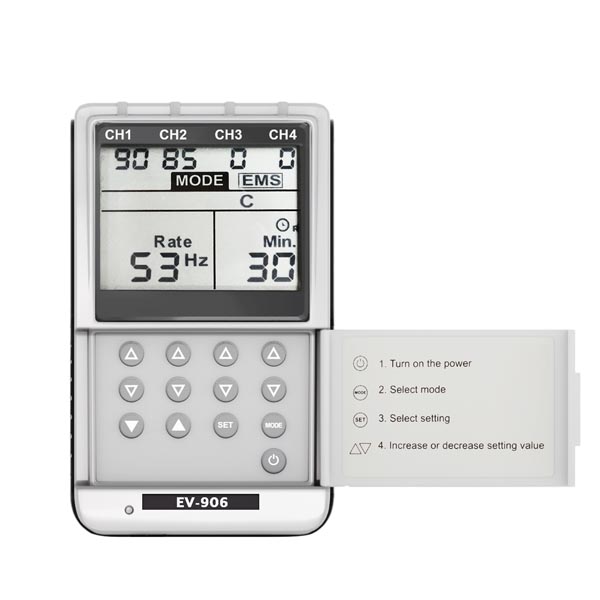
Taiwan EV-906 4-Channel Muscle Stimulator Tens EMS Unit Physical Therapy Equipment
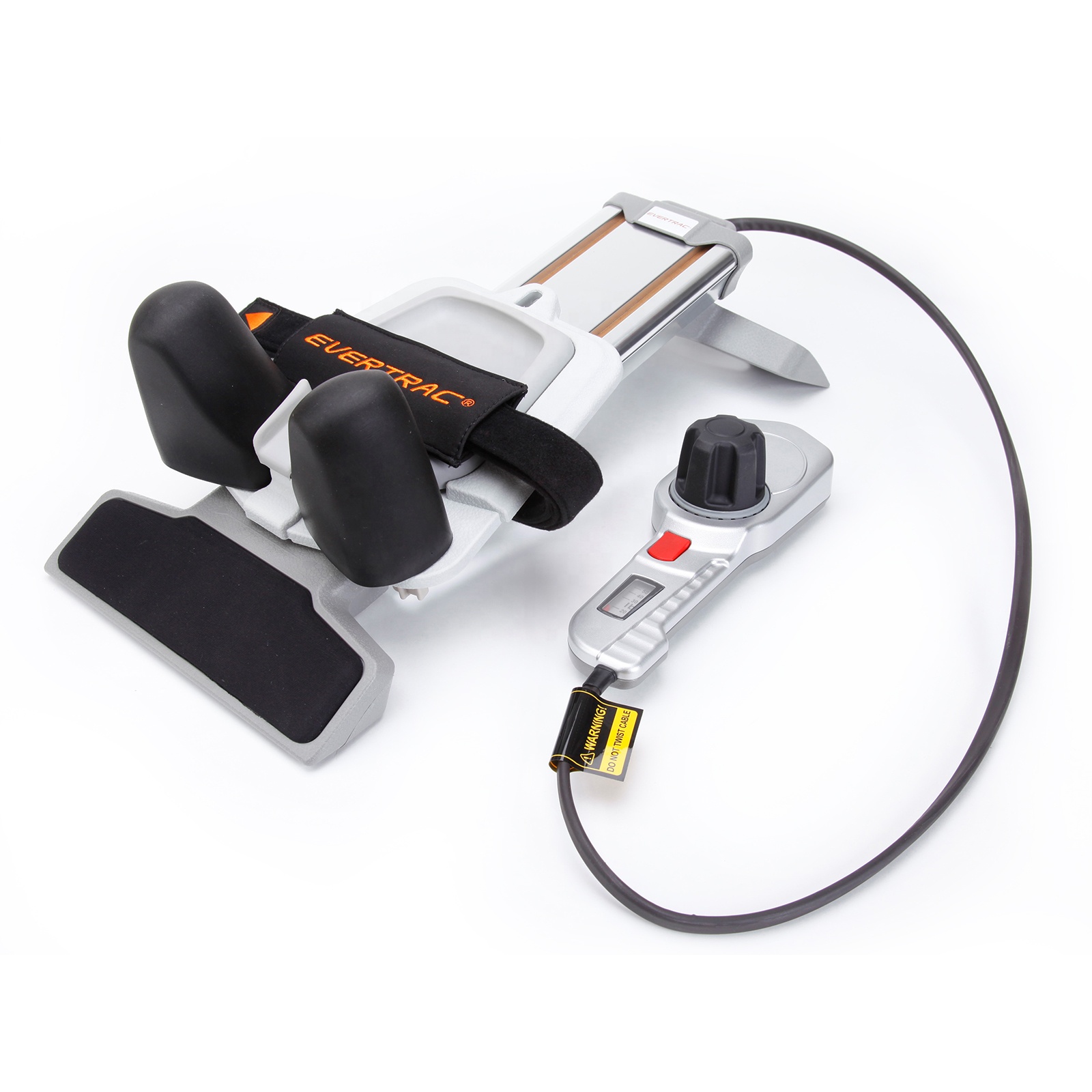
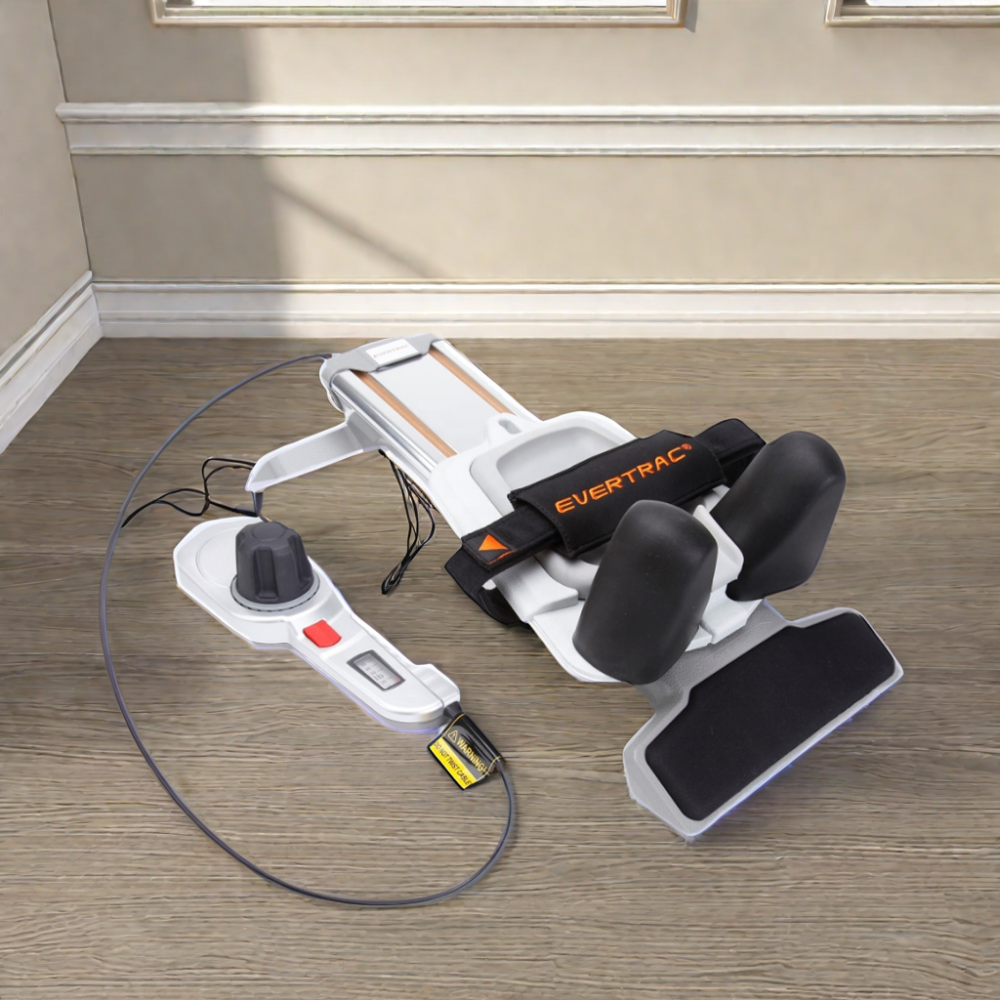
Taiwan CT-800 Neck Traction Unit Effective Physical Therapy Equipment for Pain Relief
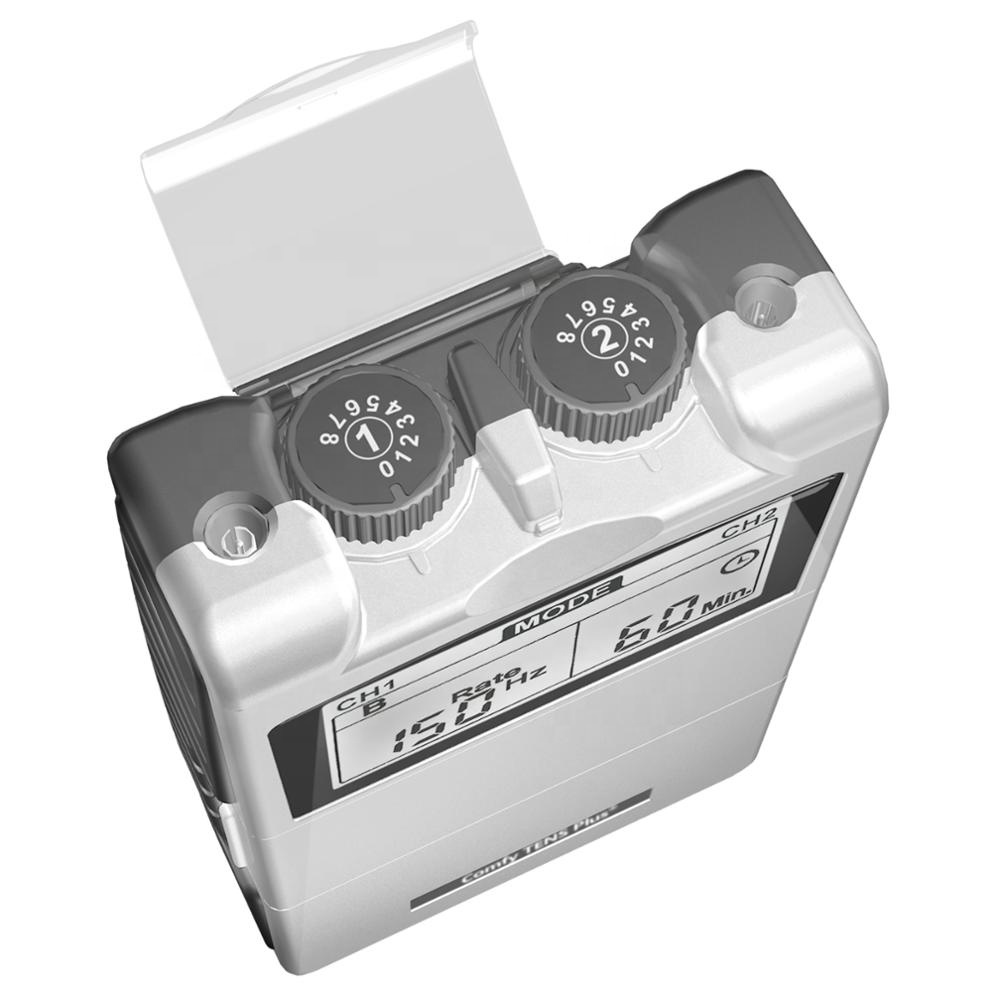
Everyway EV-804P Portable TENS Unit Dual Channel Electrical Muscle Stimulator
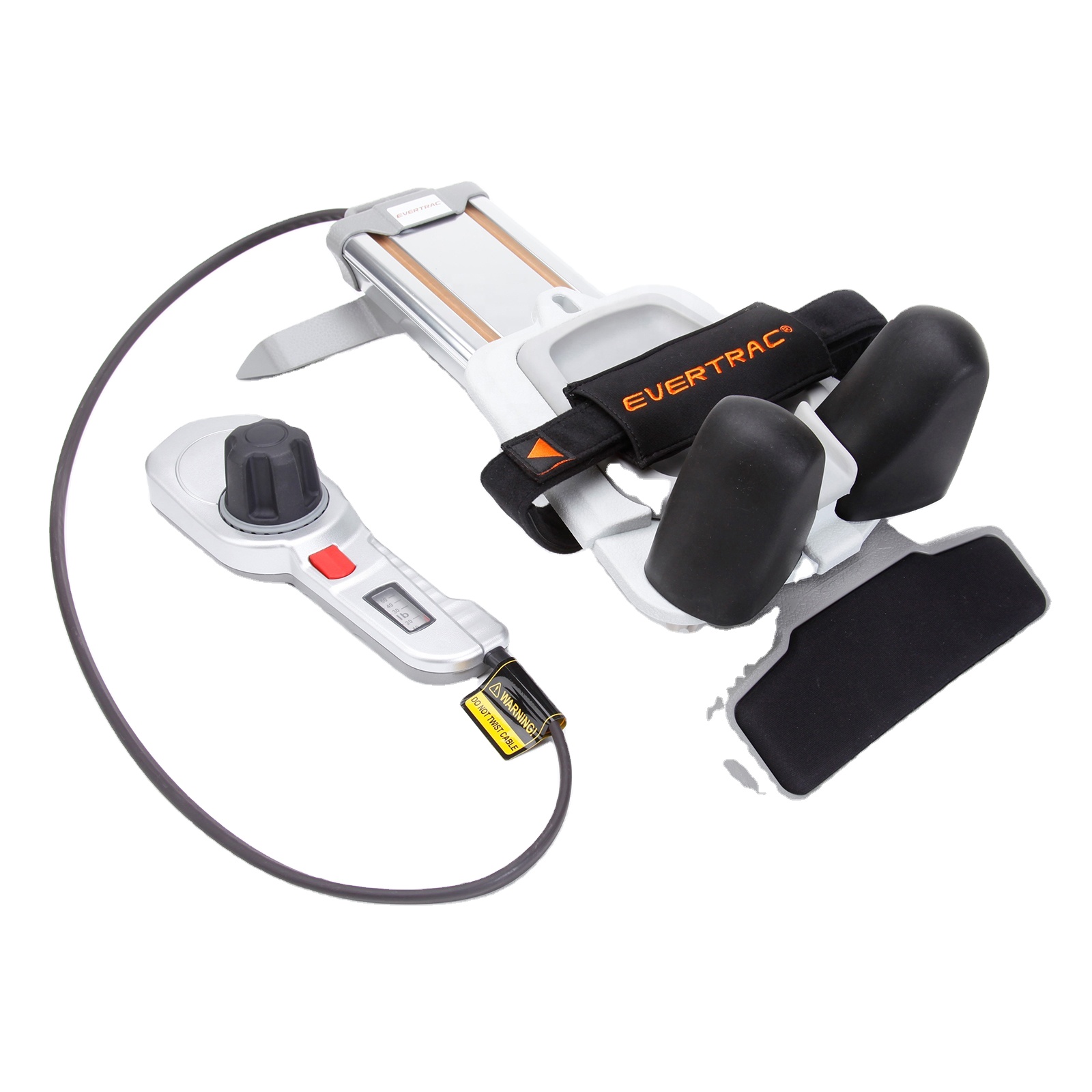
Taiwan CT-800 Portable Cervical Traction Unit Neck Pain Relief Device
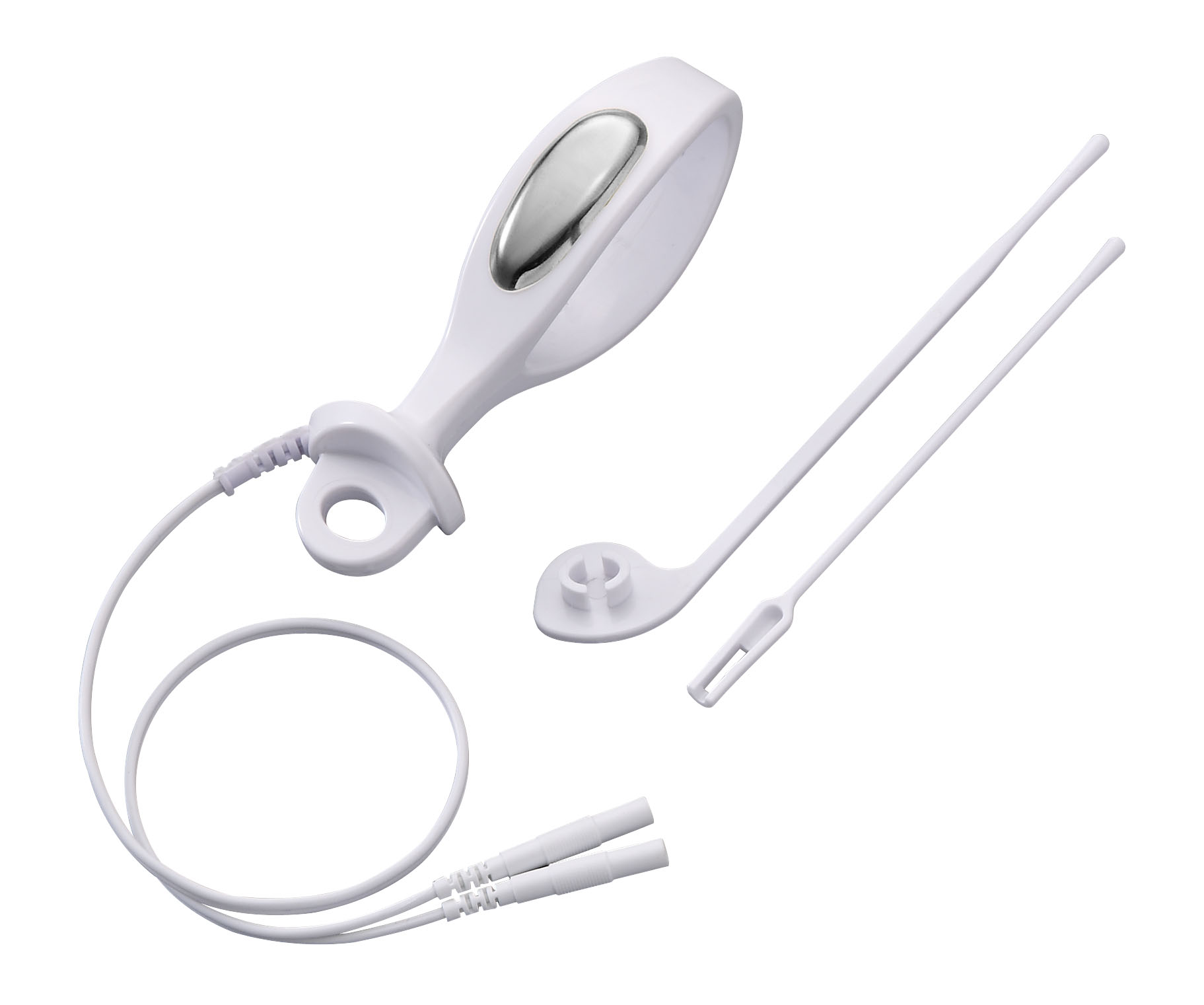
PR-08A-1 Portable Steel ABS Probe Kegel Exercise Pelvic Floor Muscle Stimulator
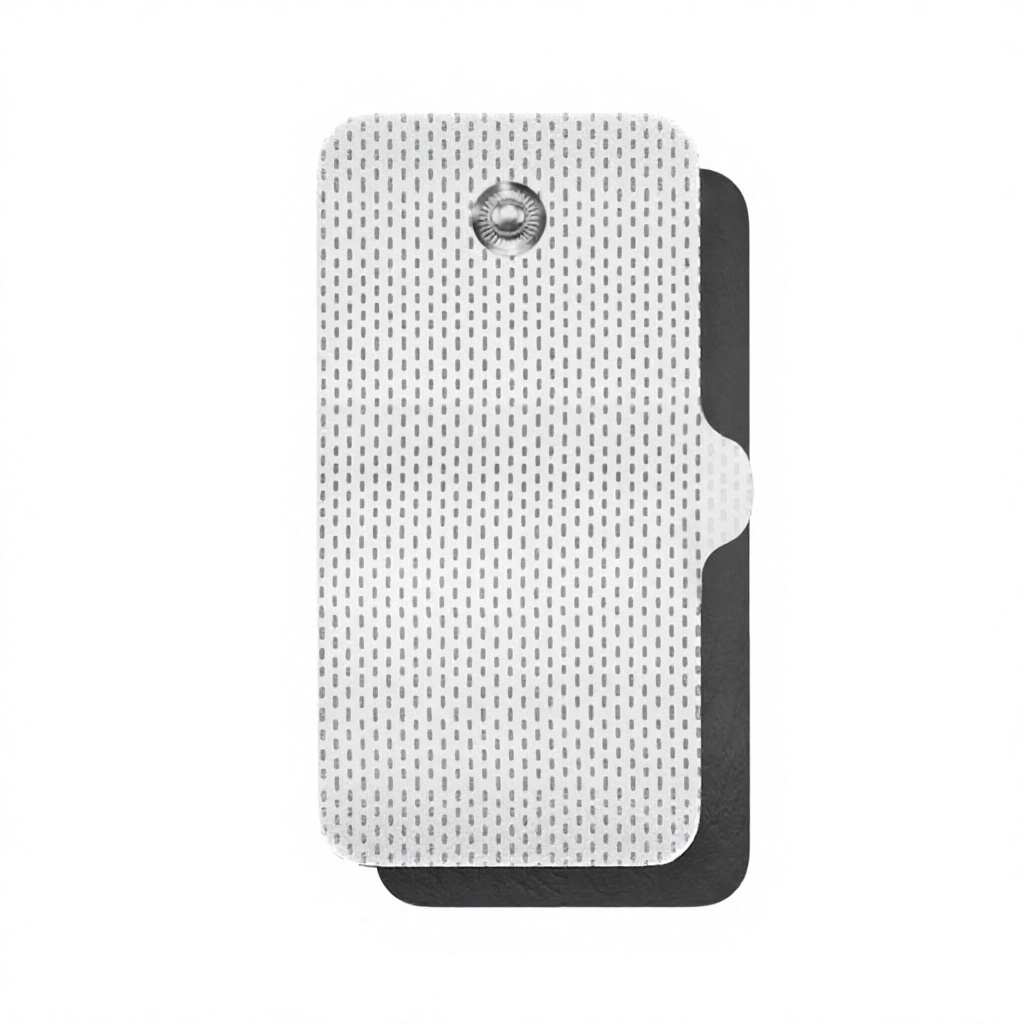
Reusable Non-Woven Fabric TENS Electrode Pads with 2mm Pin Connector
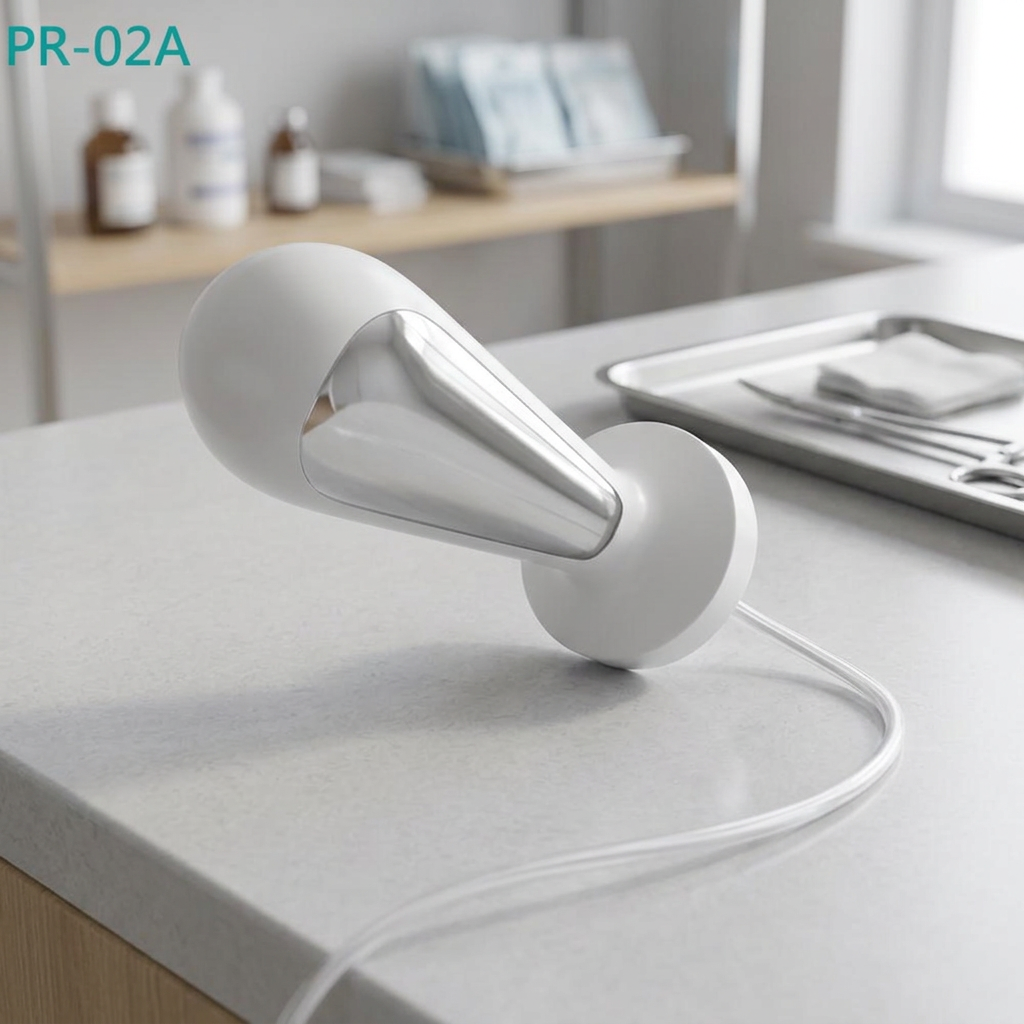
Medical Grade Pelvic Floor Intracavity Stimulation Probe for EMS Systems
Comprehensive Technical Whitepaper: B2B Sourcing of CE Certified EMS Stimulators
Electrical Muscle Stimulation (EMS), also recognized as Neuromuscular Electrical Stimulation (NMES), represents a clinical modality that delivers controlled electrical micro-pulses to target motor nerves. The primary physiological objective of EMS is to induce visible muscle contractions in smooth or skeletal muscle tissues. For global medical equipment distributors, clinical procurement officers, and private-label healthcare brands, understanding the underlying signal engineering, safety parameters, and regulatory frameworks is paramount when establishing supply chain agreements.
Modern medical-grade EMS units operate by emitting biphasic asymmetrical or symmetrical rectangular waveforms. The key electrical parameters—comprising Pulse Frequency (Hz), Pulse Width (microseconds/µs), and Current Intensity (milliamperes/mA)—determine both clinical efficacy and patient compliance. Unlike Transcutaneous Electrical Nerve Stimulation (TENS), which targets sensory A-beta nerve fibers to suppress nociceptive pain signals, EMS specifically targets alpha-motor neurons to facilitate muscle re-education, prevent disuse atrophy, enhance peripheral microcirculation, and accelerate post-surgical rehabilitation.
Electrophysiological Waveform Comparisons in Physical Therapy
When evaluating EMS manufacturers for OEM or wholesale distribution, technical buyers must scrutinize waveform stability under load impedance (typically tested across 500 Ω to 1000 Ω standard clinical loads). The table below outlines the core signal parameters utilized in professional EMS and electrotherapy devices:
| Modality Type | Frequency Range (Hz) | Pulse Duration (µs) | Output Peak Current | Primary Clinical Intention |
|---|---|---|---|---|
| Neuromuscular EMS | 20 Hz – 120 Hz | 200 µs – 400 µs | 0 – 100 mA (into 500Ω) | Motor nerve activation, muscle hypertrophy, re-education |
| Conventional TENS | 80 Hz – 150 Hz | 50 µs – 100 µs | 0 – 80 mA | Gate Control Theory pain modulation (rapid sensory relief) |
| Acupuncture TENS | 1 Hz – 5 Hz | 200 µs – 300 µs | 0 – 100 mA | Endorphin and enkephalin release mechanism |
| Pelvic Floor EMS | 12.5 Hz – 50 Hz | 250 µs – 450 µs | 0 – 90 mA | Sphincter tone recovery, incontinence remediation |
| Interferential (IFT) | 2000 Hz – 4000 Hz | Carrier Frequency | 0 – 100 mA | Deep tissue neuro-muscular stimulation with reduced skin impedance |
Future Procurement Trends for Global EMS & Electrotherapy Wholesalers (2025–2030)
The global physical therapy and neuro-rehabilitation equipment market is experiencing unprecedented expansion, propelled by aging demographics, rising sports medicine awareness, and a systemic shift toward non-invasive, drug-free pain management solutions. Strategic procurement teams must position their inventories to capture emerging market demand by paying close attention to four distinct industry shifts:
1. Convergence of Multi-Modality Platforms
Wholesalers are migrating away from single-function devices. Modern market demand favors combo systems that seamlessly combine TENS, EMS, Microcurrent (MCR), and Interferential Current (IFC) into a unified 2-channel or 4-channel hardware chassis (such as the Taiwan EV-906 unit).
2. Wireless Wearables & Smart App Integration
Next-generation healthcare consumers demand high portability. B2B sourcing protocols increasingly prioritize Bluetooth 5.0 Low Energy (BLE) modules, custom iOS/Android companion software, and ultra-compact rechargeable lithium-ion power management circuits.
3. Biocompatible & Specialized Consumables
Long-term reorder margin for distributors lies in high-margin consumables. Demands for Japanese medical-grade hydrogel electrode pads, silver-printed conductive carbon films, and stainless steel biofeedback probes (e.g., PR-08A-1) are rising exponentially.
By partnering with an established original equipment manufacturer (OEM) capable of scaling production across both hardware units and high-volume consumables, importers can build resilient product ecosystems while maximizing customer lifetime value (LTV).
Product Development Trends & Technological Advancements in Medical EMS
Engineering innovation in electrotherapy is centered on expanding therapeutic efficacy while mitigating patient discomfort. Historically, early-generation EMS machines delivered coarse mono-phasic spikes that caused dermal irritation and painful localized muscle spasms. Today, superior Taiwanese and global manufacturing facilities utilize advanced microprocessor control to deliver adaptive stimulation patterns.
Key Innovations Shaping Modern EMS Hardware Design:
- Isolated Dual and Quad-Channel Output Circuitry: Professional units like the 4-channel EV-906 utilize fully independent transformers per channel, permitting simultaneous treatment of different muscle groups with distinct intensity settings and program profiles without crosstalk.
- Constant Current vs. Constant Voltage Control: Medical-grade EMS devices dynamically adjust output voltage to maintain uniform current density (mA) regardless of varying skin impedance, dry electrode conditions, or sweat accumulation.
- Precision Mechanical Ergonomics & Cervical Traction Integration: Synergy between electrical stimulation and biomechanical traction (as observed in the CT-800 series) offers non-surgical solutions for cervical radiculopathy and herniated discs.
- Pelvic Floor Rehabilitation & Intracavity Biofeedback Probes: Specialized Class II pelvic stimulators paired with medical-grade ABS and gold- or stainless-steel electrode probes (PR-08A-1) allow targeting of incontinence, pelvic floor dysfunction, and post-partum recovery with exact current calibration.
Why Partner with USHC Medical? Enterprise Advantages & Manufacturing Infrastructure
Since 1989, USHC Medical Instruments Co., Ltd. has stood at the forefront of medical electrotherapy manufacturing. Operating out of state-of-the-art facilities in Taiwan, USHC Medical provides end-to-end OEM and ODM capabilities for distributors, clinic suppliers, and retail brands across more than 70 countries.
1. Strict Quality Management Systems
Our manufacturing operations strictly adhere to ISO 13485:2016 quality management frameworks. Facilities undergo rigorous third-party on-site audits by SGS, guaranteeing complete traceability from raw PCB components to final sealed packaging.
2. Global Regulatory Compliance
Navigating global healthcare regulations is effortless with USHC Medical. Our core electrotherapy lines hold full CE Marking (MDR compliant), FDA 510(k) Listings, and regulatory approval files ready for immediate country-specific importer registration.
3. Integrated High-Capacity Manufacturing
With an integrated daily production capacity exceeding 60,000 self-adhesive hydrogel electrode pads and dedicated assembly lines for analog/digital stimulators and traction tables, we guarantee stable lead times and volume pricing advantages.
4. Full OEM/ODM Customization Scope
We provide full-spectrum engineering support: custom PCB design, localized firmware language, tailored housing mold tooling, private label silkscreening, custom packaging, and customized electrode pad geometry matching.
Frequently Asked Questions (FAQ) for Global EMS Wholesalers & Buyers
Find authoritative answers regarding regulatory certification, minimum order quantities (MOQ), quality control protocols, and custom OEM manufacturing.
What specific medical device certifications do USHC Medical EMS units carry?
USHC Medical devices are manufactured under ISO 13485 medical-grade quality systems. Product lines hold official CE Marking under the European Medical Device Regulation (EU MDR) and are FDA listed for medical and physical therapy distribution in the United States. Furthermore, our facilities have been physically audited on-site by SGS as a verified custom manufacturer.
What is the difference between CE Class I and Class IIa/IIb certification for EMS stimulators?
In the European Union, passive accessories like general non-invasive electrode pads may fall under Class I, whereas active muscle stimulators that deliver energy into the human body (such as EMS and TENS devices) are classified as Class IIa or IIb medical devices. These require certified Notified Body oversight, technical documentation files (TDF), biocompatibility testing (ISO 10993), electrical safety compliance (IEC 60601-1), and electromagnetic compatibility (IEC 60601-1-2).
Can we request custom branding, custom housing colors, and customized LCD interfaces for OEM orders?
Yes. We offer comprehensive OEM/ODM design services. Depending on order volume, buyers can customize logo silkscreen printing, casing color, localized user manuals, master carton design, custom pre-set therapy protocols, and localized software text for digital LCD screens.
What is the shelf life and reuse cycle of your self-adhesive hydrogel electrode pads?
USHC Medical reusable non-woven fabric electrode pads utilize premium Japanese or American biocompatible hydrogel. Under proper storage conditions (cool environment, sealed bag), unused pads maintain a 2-year shelf life. When applied to clean skin, each pad maintains optimal impedance conductivity for 25 to 30 application cycles.
How does USHC Medical conduct quality assurance during mass production?
Every single stimulator unit undergoes a 100% multi-stage inspection process: Incoming Material Quality Control (IQC), In-Process Quality Control (IPQC) during SMT assembly, automated oscilloscope waveform validation under load, high-voltage insulation breakdown testing, and Finished Goods Quality Control (FQC) prior to export packaging.
What are the standard lead times for sample requests and bulk wholesale shipments?
Standard evaluation samples are typically dispatched within 3 to 7 business days. For bulk wholesale OEM orders, production lead times generally range between 30 to 45 days upon artwork approval and deposit confirmation, depending on customization complexity.
How do I initiate a direct B2B inquiry or request formal quotation sheets?
You can initiate immediate contact with our engineering and export team by clicking the Inquire Now button on any product card or by utilizing the inquiry banner below. Please specify your target market, required certifications, and estimated annual procurement volume for an accelerated quote.