Medical-Grade Product Portfolio
Featured CE-Certified Electrotherapy Units & Accessories
Explore our export-ready, clinically verified electrotherapy devices, custom hydrogel electrodes, pelvic probes, and cervical traction systems engineered in Taiwan.
Technical Whitepaper & Market Intelligence
Navigating B2B Sourcing for CE Certified Electrotherapy Devices
In the evolving landscape of physical therapy, neuro-rehabilitation, and non-pharmacological pain management, selecting a certified manufacturing partner for Transcutaneous Electrical Nerve Stimulation (TENS) and Electrical Muscle Stimulation (EMS) devices requires deep technical diligence. Overseas procurement officers, clinical supply chain directors, and medical equipment brand owners face a complex nexus of regulatory shifts under the European Union Medical Device Regulation (EU MDR 2017/745), strict ISO 13485 quality management audits, and shifting consumer expectations for portable, digital electrotherapy modalities.
As a established manufacturer operating from Taiwan since 1989, USHC Medical Instruments Co., Ltd. has established global benchmarks in engineering compliance, biocompatible hydrogel formulations, and precision signal output design. This whitepaper analyzes the core criteria, technological paradigms, and global supply dynamics essential for medical procurement teams searching for reliable CE-certified electrotherapy suppliers.
1. Regulatory Compliance Frameworks: CE Marking, MDR EU 2017/745 & ISO 13485
Compliance is not merely a documentation step; it is an active risk mitigation barrier for importers and medical distributors. With the EU MDR replacing the legacy Medical Device Directive (MDD 93/42/EEC), electrotherapy units classification standards have tightened. Active therapeutic devices delivering electrical energy to neurological or muscular pathways must comply with stringent technical requirements:
| Regulatory Standard | Technical Scope & Purpose | Procurement Impact for Importers |
|---|---|---|
| EU MDR (2017/745) Class IIa/I | Clinical evaluation reports (CER), post-market surveillance (PMS), and Unique Device Identification (UDI) tracking. | Prevents market expulsion, ensures smooth customs clearance across all 27 EU member states. |
| ISO 13485:2016 | Comprehensive Quality Management System (QMS) specifically tailored for medical device production. | Verifies design controls, trace-ability of raw materials, and batch-to-batch manufacturing consistency. |
| IEC 60601-1 & 60601-2-10 | General safety standards and particular safety rules for nerve and muscle electrical stimulators. | Guarantees output current isolation, maximum phase charge safety limits (<10 µC), and skin protection. |
| ISO 10993 Biocompatibility | Cytotoxicity, intracutaneous reactivity, and sensitization testing for skin-contact consumables and intracavity probes. | Protects end-users against chemical irritation or adverse skin reactions during multi-use therapies. |
USHC Medical operates under fully audited ISO 13485 facilities, with an on-site verified supplier profile assessed independently by SGS. Our complete documentation package—including Declaration of Conformity (DoC), technical files, safety test reports, and biocompatibility certificates—is structured to facilitate rapid registration for global importers.
OEM / ODM Manufacturing Capabilities
Why Global Brands Partner with Taiwan Manufacturers
Taiwan’s precision manufacturing ecosystem combines advanced micro-electronics with rigorous healthcare quality assurance, making it the preferred origin for premium electrotherapy hardware.
Taiwan Precision R&D
Combining proprietary PCB signal generation with stable current output algorithms. Our engineers deliver ultra-low harmonic distortion and pulse width precision (+/- 5%) across all stimulation modes.
Integrated Production Capacity
With an automated hydrogel coating facility generating over 60,000 self-adhesive electrode pads daily, USHC Medical seamlessly handles high-volume OEM private-label contracts and clinical bulk orders.
End-to-End Quality Assurance
Every TENS unit, EMS pelvic exerciser, and traction controller undergoes 100% individual functional testing, insulation resistance checking, and wave-pattern calibration prior to export packaging.
Macro Trends & Sourcing Forecast
Future Procurement Trends in the Electrotherapy Market (2025–2030)
The global electrotherapy devices market is experiencing sustained growth driven by rising aging demographics, increased sports injury incidence, and a strategic pivot toward outpatient non-invasive pain management solutions. Procurement specialists must align their purchasing strategies with four key industry shifts:
1. Shift toward Dual-Modality and Multi-Channel Portability
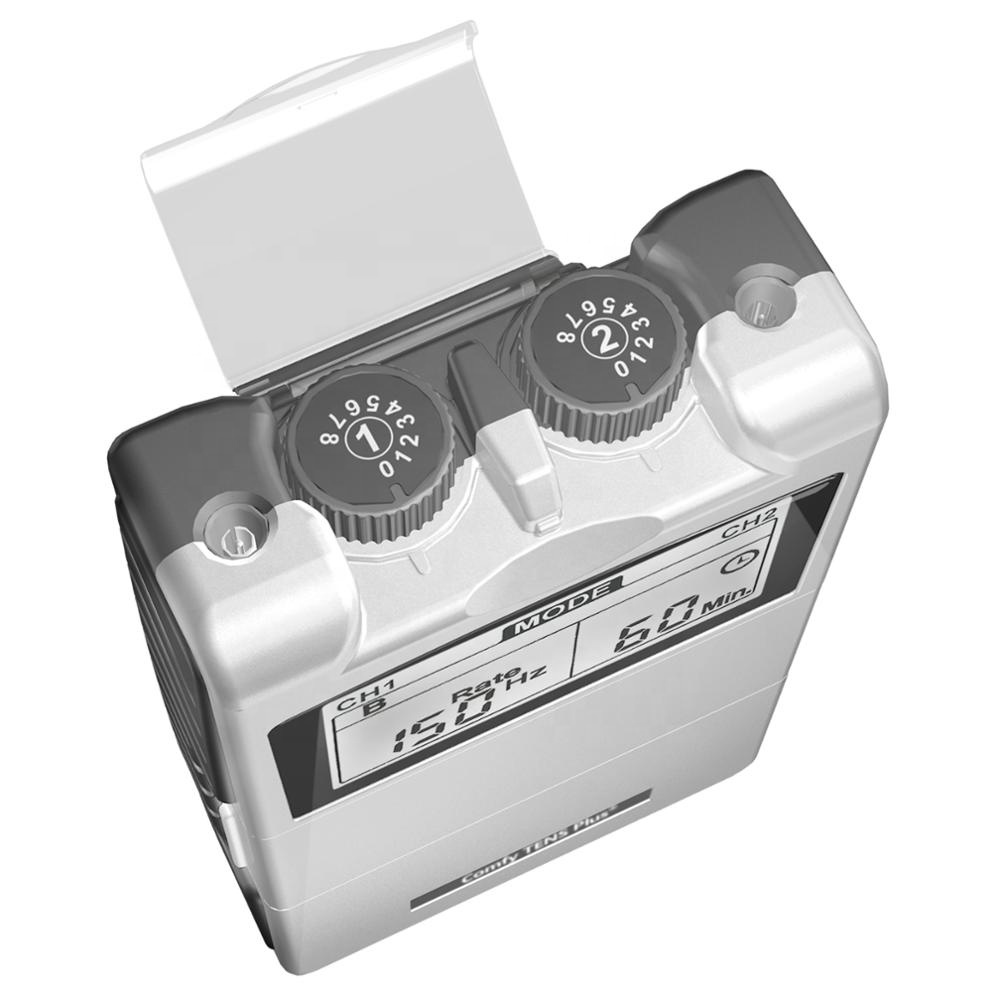
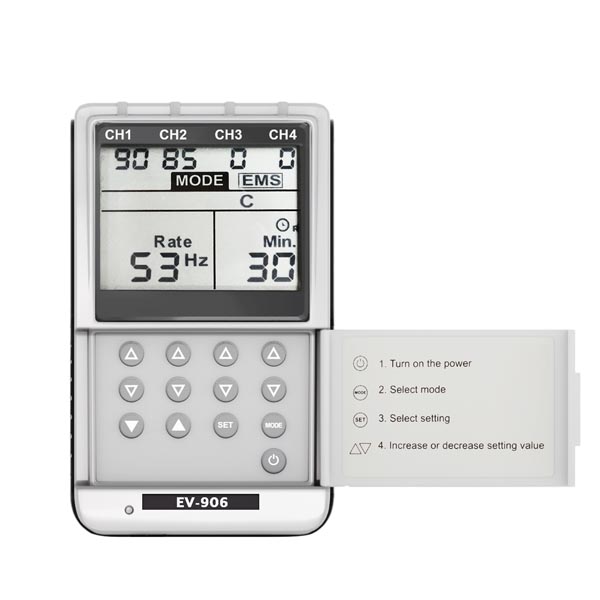
Historical purchasing separated TENS (pain management via sensory nerve stimulation) and EMS (muscle re-education via motor nerve stimulation) into single-purpose devices. Modern clinical buyers and retail pharmacies now overwhelmingly request integrated combo units (such as the Taiwan EV-906 4-Channel Muscle Stimulator and Everyway EV-804P Dual Channel Unit). Multi-channel architecture allows simultaneous treatment of distinct anatomical zones with variable frequency bands (1–150 Hz) and custom duty cycles.
2. Specialized Pelvic Health & Biofeedback Engineering
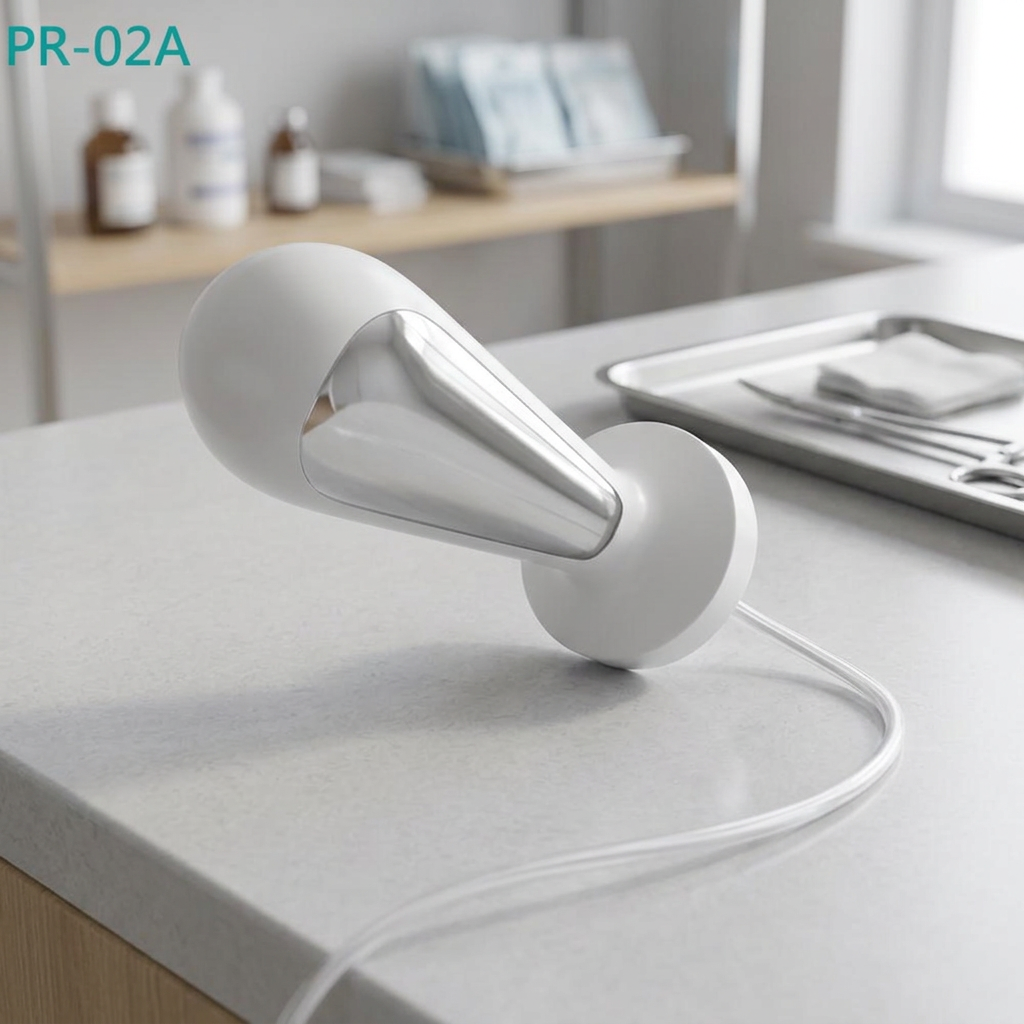
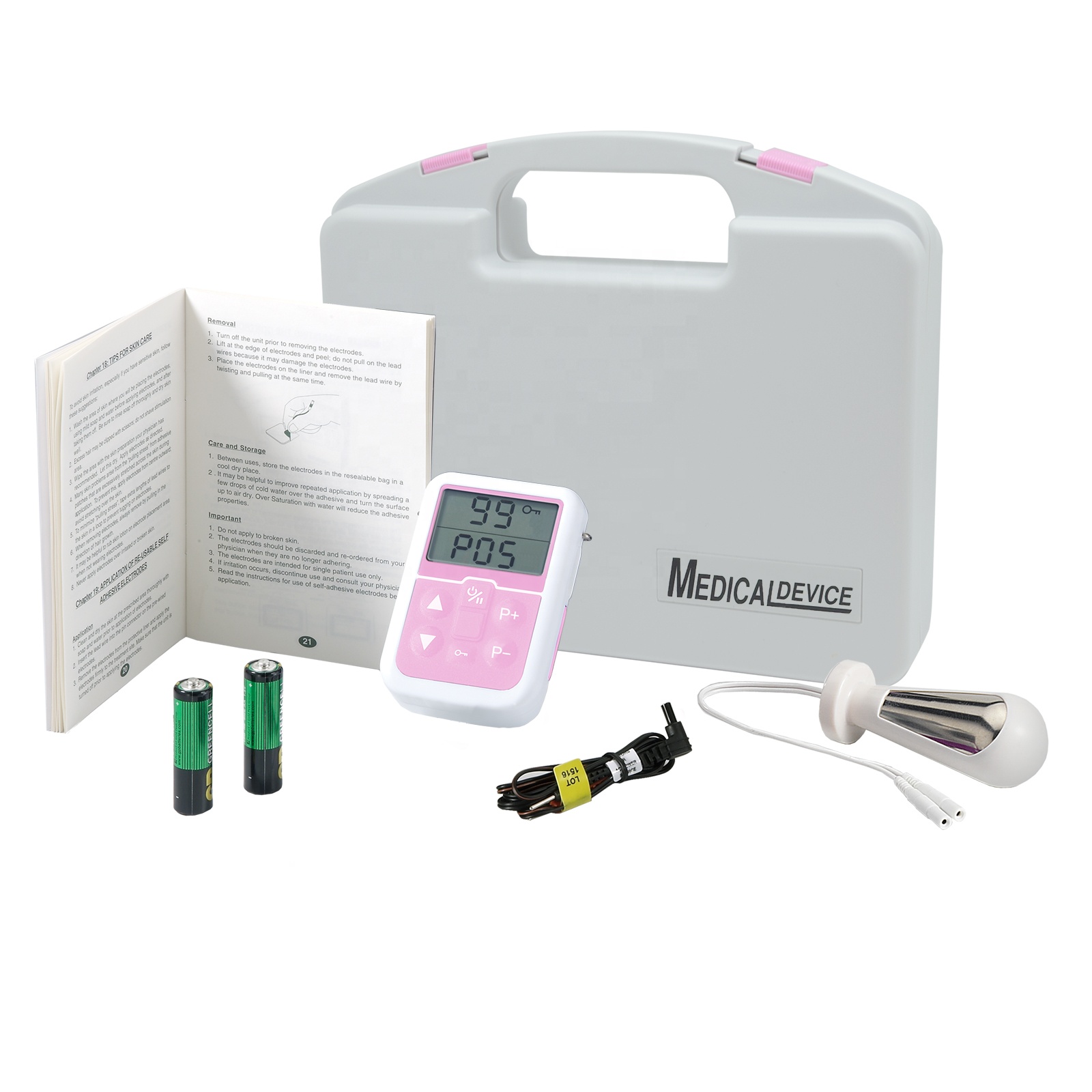
Women’s health and continence care represent one of the fastest-growing categories in physical therapy. Standard TENS units are being supplemented by targeted pelvic floor stimulation systems equipped with medical-grade, bi-polar stainless steel probes (Medical Grade Pelvic Floor Stimulation Probe for EMS). B2B buyers are prioritizing suppliers who provide biocompatible, latex-free intracavity probes designed specifically for biofeedback monitors and localized stimulation protocols.
3. Consumable Innovation: Low-Impedance Carbon Film Hydrogels
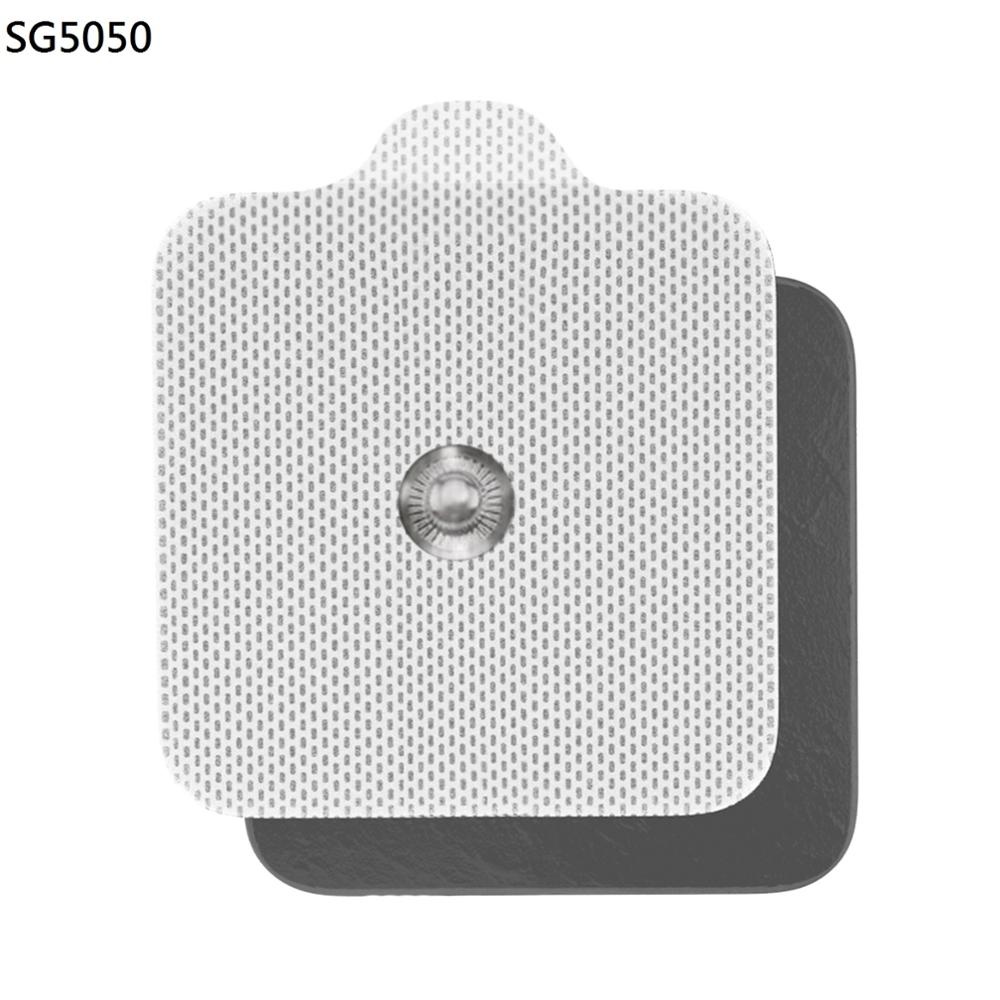
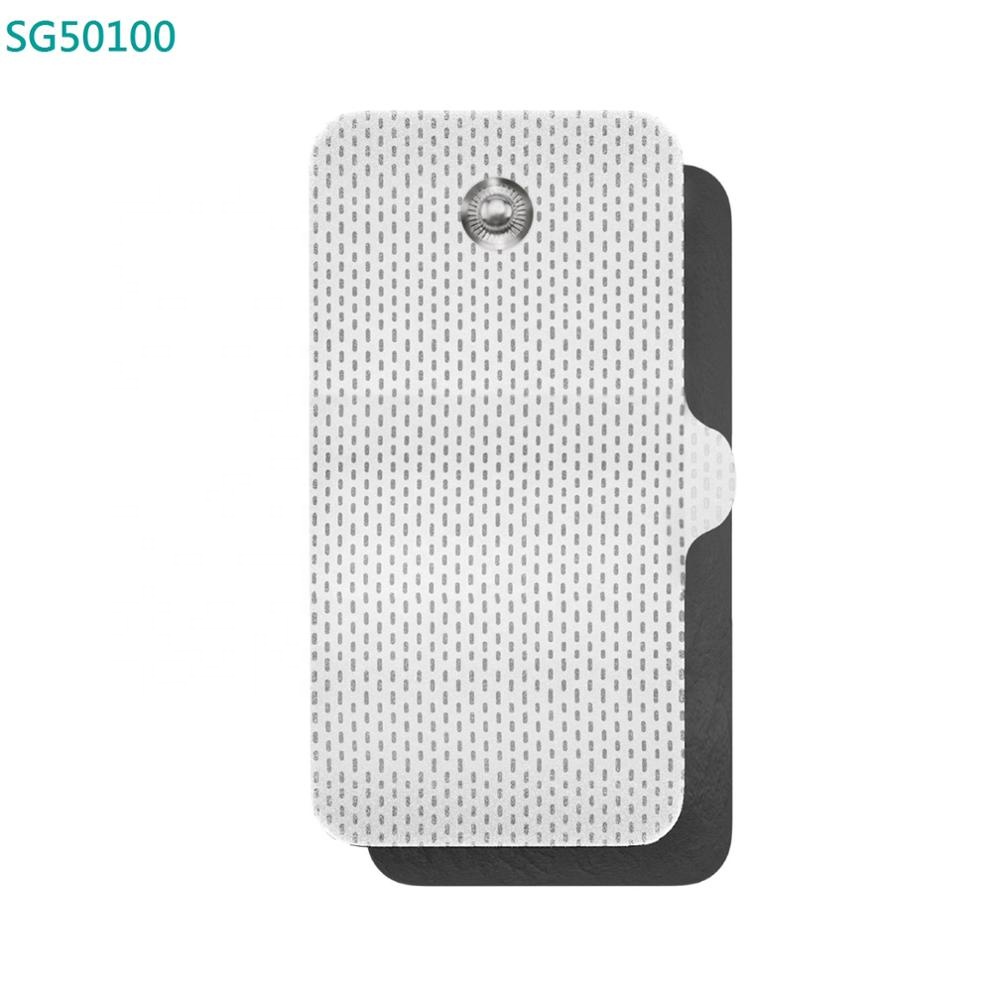
Electrode longevity directly impacts end-user compliance and distributor repeat margins. Advanced carbon-film technology combined with Japanese hydrogel formulations yields lower impedance (<100 Ohms), providing uniform electrical current dispersion across the skin. This prevents hot-spotting (localized stinging sensation) and extends the functional lifespan of replacement gel patches up to 30–50 re-application cycles.
4. Clinical Traction & Automated Physical Therapy Tables
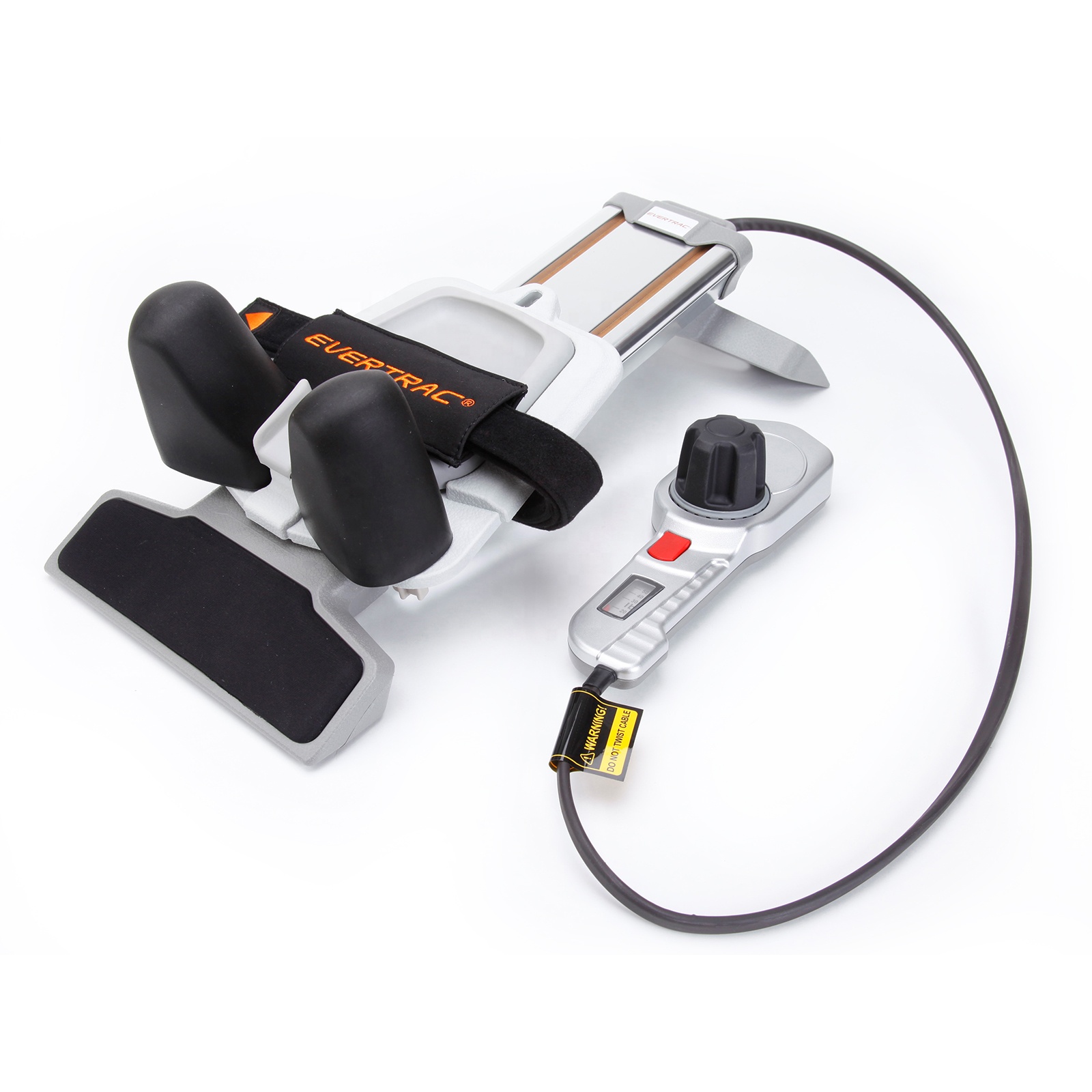
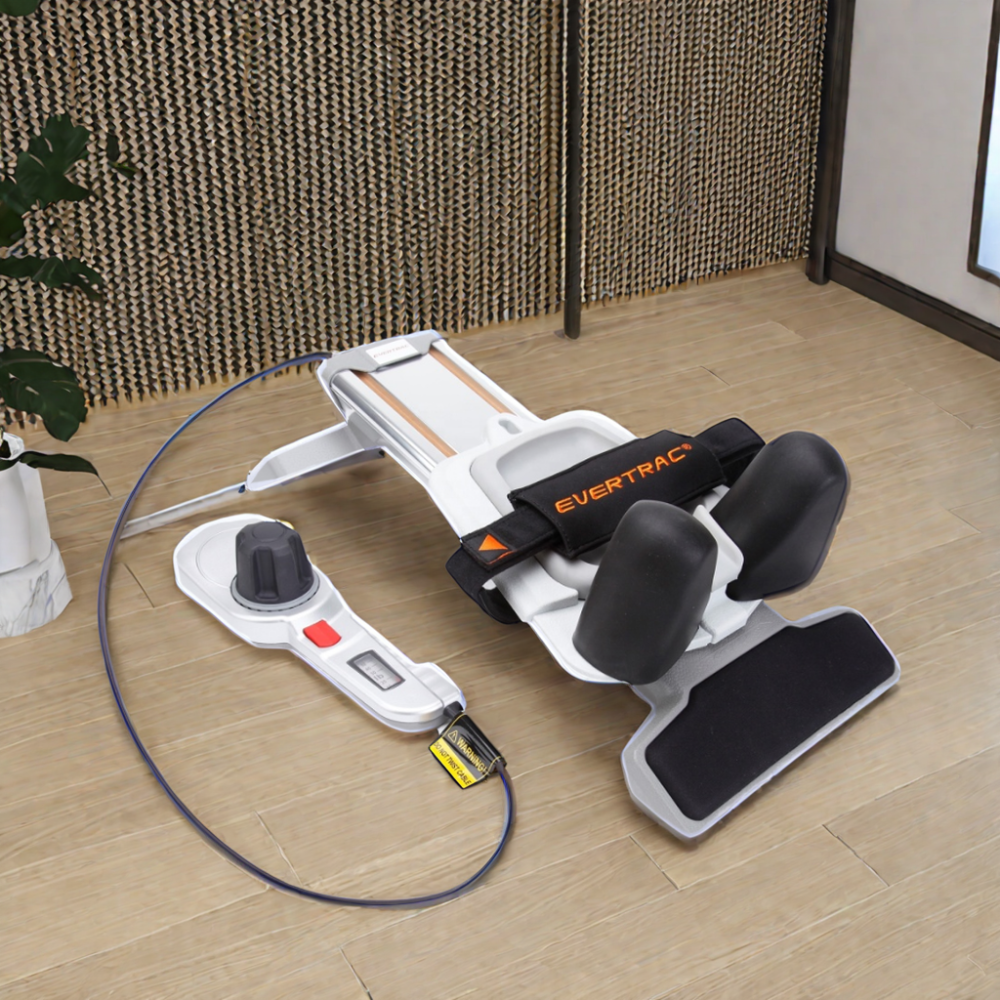
Beyond hand-held stimulators, rehabilitation centers are investing in integrated cervical and lumbar traction units (such as the Taiwan CT-800 Cervical Traction System). Sourcing managers are seeking modular systems with precise force-holding sensors, digital safety stops, and smooth mechanical tension control that integrate effortlessly into modern physical therapy suites.
Technological Roadmap
Evolution of Electrotherapy Hardware Architecture
Generation 1.0
Analog Dial Systems
Potentiometer-based pulse width and frequency adjustment. Valued for tactile simplicity, extreme battery efficiency, and ease of use for elderly patients requiring constant-mode analgesia.
Generation 2.0 (Current Benchmark)
Digital Micro-Processor Units
Pre-programmed burst, continuous, and modulation wave patterns. Large LCD displays, dual/quad isolated channels, compliance timers, and patient usage tracking for clinical accountability.
Generation 3.0 (Emerging)
Smart Connected Rehabilitation
Rechargeable lithium-polymer architectures, app-assisted biofeedback tracking, dynamic bio-impedance feedback, and wearable conductive garment integration for passive therapy delivery.
Procurement SOP
Essential Checklist for Medical Device Importers & Brand Owners
Before issuing a Purchase Order (PO) to an electrotherapy manufacturer, evaluate your potential supplier against these six core engineering criteria:
- Audit Trail Integrity: Verify that the manufacturing plant possesses valid ISO 13485 certification issued by an accredited notified body (such as SGS, TÜV, or BSI).
- Channel Isolation Integrity: Ensure that dual-channel and 4-channel devices utilize completely independent transformers to prevent cross-talk and amplitude spikes if one lead wire detaches.
- Latex & Biocompatibility Verification: Confirm that all electrode pads, lead wires, and probes carry ISO 10993 cytotoxicity test reports showing zero skin reaction.
- Custom Packaging & Labeling Capabilities: Ensure the factory supports private-label box artwork, localized multi-language instruction manuals, and custom UDI barcode printing.
- Spare Parts & Accessory Continuity: Choose a supplier that manufactures matching lead wires (2.0mm pin, 3.5mm snap), universal replacement gel pads, and specialized probes in-house to avoid accessory shortages.
- Warranty & Technical Support: Secure a minimum 1-year product warranty backed by a factory component replacement protocol for post-market servicing.
Frequently Asked Questions
Electrotherapy Procurement & Technical FAQ
Answers to critical questions asked by procurement officers, importers, and clinical distributors prior to supplier onboarding.
Is USHC Medical a direct manufacturer or a trading agent?
USHC Medical Instruments Co., Ltd. is a verified custom manufacturer operating dedicated production facilities in Taiwan (established in 1989). We handle design, PCB assembly, hydrogel coating, component assembly, and quality testing in-house, backed by an integrated export division for global container logistics. Our facility has been audited on-site by SGS as an independent third-party inspector.
What certifications do USHC electrotherapy devices hold for global distribution?
Our manufacturing system operates under an ISO 13485 quality management framework. Specific product lines hold CE markings compliant with European medical directives, FDA listings for the United States, and Class I/II registrations across major global markets including Australia, Canada, the Middle East, and Asia.
Can you provide full OEM/ODM services and private labeling?
Yes. We provide complete OEM/ODM solutions including housing color customization, custom brand logo silk-screening, custom preset program parameter development, customized LCD displays, private-label box packaging, and multi-language user manuals tailored to your market's regulatory language requirements.
What is your production capacity for TENS/EMS electrode pads?
Our automated electrode production lines in Taiwan produce over 60,000 pieces of self-adhesive hydrogel pads per day. We offer various shapes (square, rectangular, round, butterfly), backing materials (non-woven fabric, white foam, tan tricot), and connector formats (2.0mm female pin, 3.5mm snap).
What is the expected shelf life and reusability of your hydrogel electrode pads?
Stored in sealed foil packaging at ambient room temperature, our un-opened hydrogel pads have a shelf life of 2 to 3 years. Under proper skin preparation guidelines (clean, oil-free skin), each pad can be reused between 25 to 50 therapy sessions before gel degradation occurs.
How do you ensure waveform stability and user safety in multi-channel devices?
Each channel in our 2-channel and 4-channel devices (such as the EV-906) is driven by an independent output transformer. This guarantees zero voltage leak between channels. Micro-controller circuits monitor current delivery, automatically shutting down output if impedance spikes or if lead wires suddenly disconnect.
What are the lead times and Minimum Order Quantities (MOQ) for international orders?
Standard catalog inventory sample orders can be dispatched within 3–5 business days. Custom private-label manufacturing orders typically carry an MOQ of 500 to 1,000 units per model depending on custom artwork requirements, with production lead times averaging 30 to 45 days after design finalization.
How do I request technical documentation, samples, or a formal quote?
Procurement managers can request model-specific technical files, ISO/CE certificates, and sample units by clicking the inquiry button below or emailing [email protected] with your target market specifications and estimated annual volume.
Partner with a Certified Taiwan Electrotherapy Manufacturer
Whether you are launching a private-label electrotherapy line, sourcing CE-certified clinical devices, or procuring replacement hydrogel pads, our engineering team is ready to support your market growth.
Contact Us