Featured Medical Electrical Stimulation Systems
Explore our ISO 13485 manufactured, CE-marked, and FDA-listed electrotherapy units, pelvic floor stimulators, probes, and accessories tailored for global procurement.
1. Executive Summary & Regulatory Landscape for Medical Electrotherapy
The global demand for non-invasive, drug-free therapeutic intervention has propelled electrical stimulation devices to the forefront of modern medical technology. Encompassing Transcutaneous Electrical Nerve Stimulation (TENS), Electrical Muscle Stimulation (EMS), Neuromuscular Electrical Stimulation (NMES), and Pelvic Floor Muscle Training (PFMT) systems, these Class II medical instruments represent a pivotal segment in hospital physical therapy, clinical rehabilitation, and home healthcare markets.
For international procurement managers, medical device distributors, and private-label brand owners, navigating the supply chain for electrical stimulators requires a rigorous assessment of manufacturing compliance, engineering precision, and regulatory approvals. The European Union Medical Device Regulation (EU MDR 2017/745) and United States FDA 510(k) frameworks have significantly elevated the barriers to market entry. Acquiring devices from verified manufacturers holding CE marking under strict Medical Device Quality Management Systems (ISO 13485:2016) is no longer merely a competitive advantage—it is an absolute legal prerequisite.
Information Gain Benchmark: Unlike conventional commercial massagers, clinical-grade TENS and EMS units mandate precise pulse width control (µs), stable frequency delivery (Hz), microcurrent accuracy, and medical-grade biocompatibility (ISO 10993). USHC Medical Instruments Co., Ltd. (Taiwan) operates automated production environments subjected to on-site SGS inspection to guarantee batch-to-batch consistency and regulatory compliance across 70+ countries.
2. Corporate Infrastructure & Taiwan Precision Manufacturing Edge
Established in 1989 in Taiwan, USHC Medical Instruments Co., Ltd. has spent over three and a half decades refining the design, development, and mass production of bio-electrical physical therapy devices and medical consumables. Operating as a fully integrated original equipment manufacturer (OEM) and original design manufacturer (ODM), USHC Medical bridges the gap between complex biomedical engineering concepts and scalable commercial execution.
ISO 13485 & SGS Verified
Complete quality management system certification ensuring raw material traceability, cleanroom manufacturing standard operating procedures, and comprehensive risk management protocols (ISO 14971).
High-Capacity Production
Automated assembly lines capable of yielding over 60,000 hydrogel electrode pads daily alongside high-volume SMT circuit board fabrication for 2-channel and 4-channel digital TENS/EMS mainframes.
Global Turnkey Logistics
Export footprint spanning North America, the European Union, the Middle East, Australia, and Asia with complete customs, CE Declaration of Conformity, and technical documentation support.
3. Modality Technical Breakdown: TENS, EMS, & Pelvic Floor Stimulation
Understanding the engineering nuances between different electrotherapeutic modalities is critical for wholesale buyers seeking to serve specific clinical or consumer segments. Electrical stimulators operate by passing controlled electrical current pulses through electrode interfaces to excite target nervous structures or muscle tissues.
| Therapeutic Modality | Primary Clinical Target | Waveform & Frequency Parameters | Typical Hardware Configurations |
|---|---|---|---|
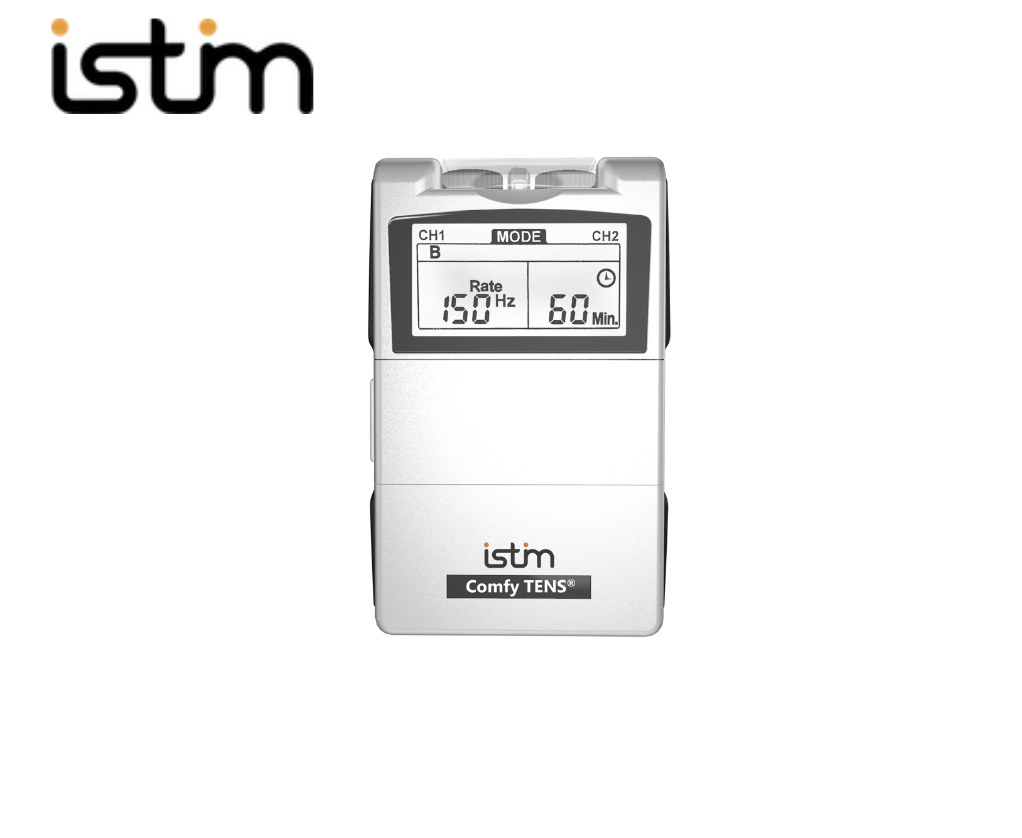
| TENS (Transcutaneous Electrical Nerve Stimulation) | Somatic Pain Management (Acute & Chronic Musculoskeletal Pain) | Asymmetrical/Symmetrical biphasic pulses; 2 Hz to 150 Hz; Pulse width: 50–300 µs | Portable 2-channel analog dial units or digital handheld devices (e.g., Everyway EV-804) |
| EMS / NMES (Electrical Muscle Stimulation) | Muscle Re-education, Atrophy Prevention, Athletic Conditioning | Symmetrical square biphasic pulses; 20 Hz to 80 Hz; Pulse width: 200–400 µs with work/rest ramps | Multi-channel clinical desktop units or combo TENS/EMS rechargeable stimulators |
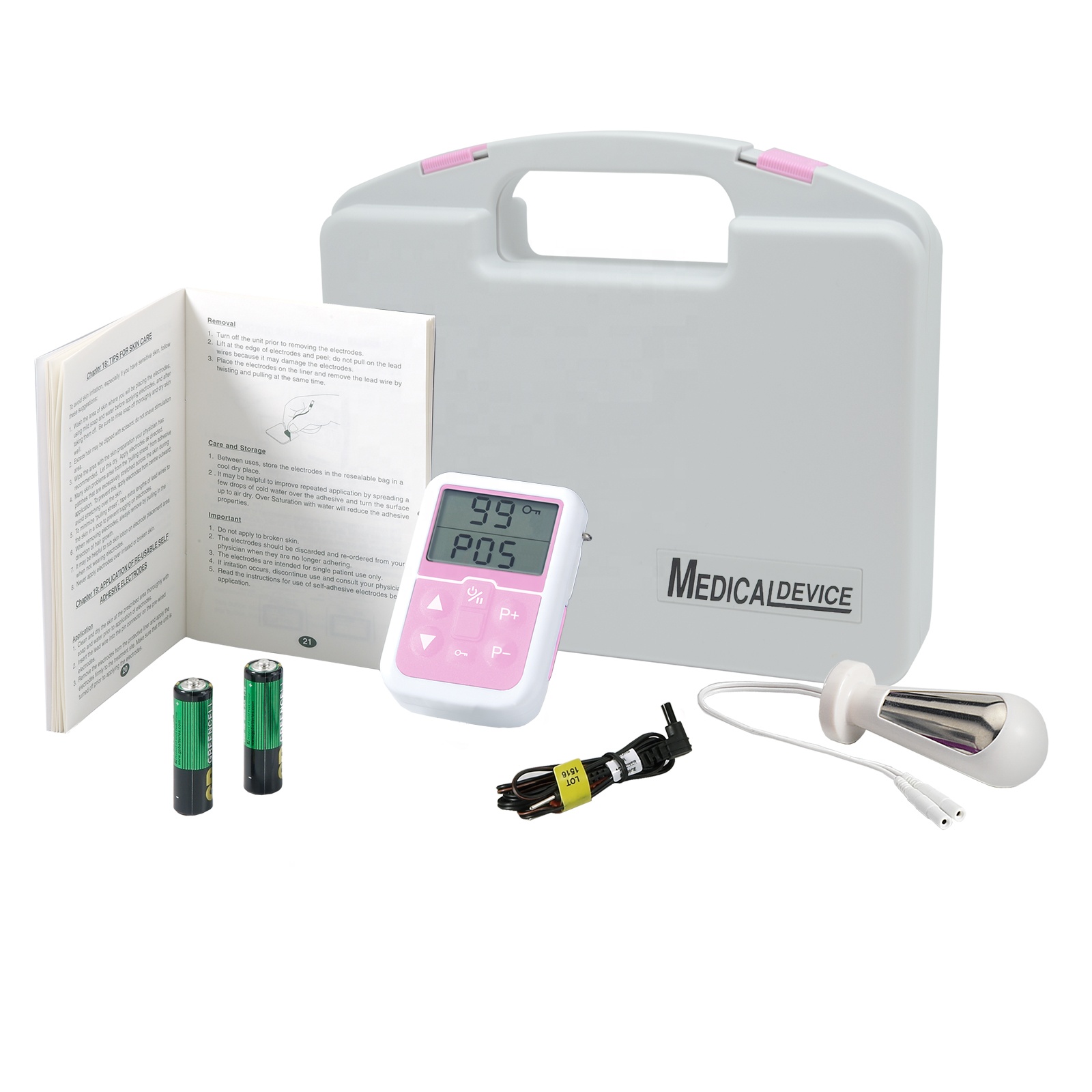
| Pelvic Floor EMS (PFMT / Incontinence Therapy) | Pelvic Floor Muscle Rehabilitation, Stress/Urge Bladder Control | Monophasic or biphasic pulses; 10 Hz to 50 Hz; Target physiological resting profiles | Digital stimulators paired with medical stainless steel & ABS vaginal/rectal probes (e.g., PR-03A, PR-13A) |
Technical Engineering Standards in Device Assembly
Modern electrical stimulation equipment requires strict electronic isolation to guarantee patient safety. Key architectural criteria implemented across USHC Medical production include:
- Current Density Control: Circuitry engineered to prevent localized current spikes, keeping maximum output under strict IEC 60601-2-10 safety thresholds (≤ 2 mA/cm² effective electrode density).
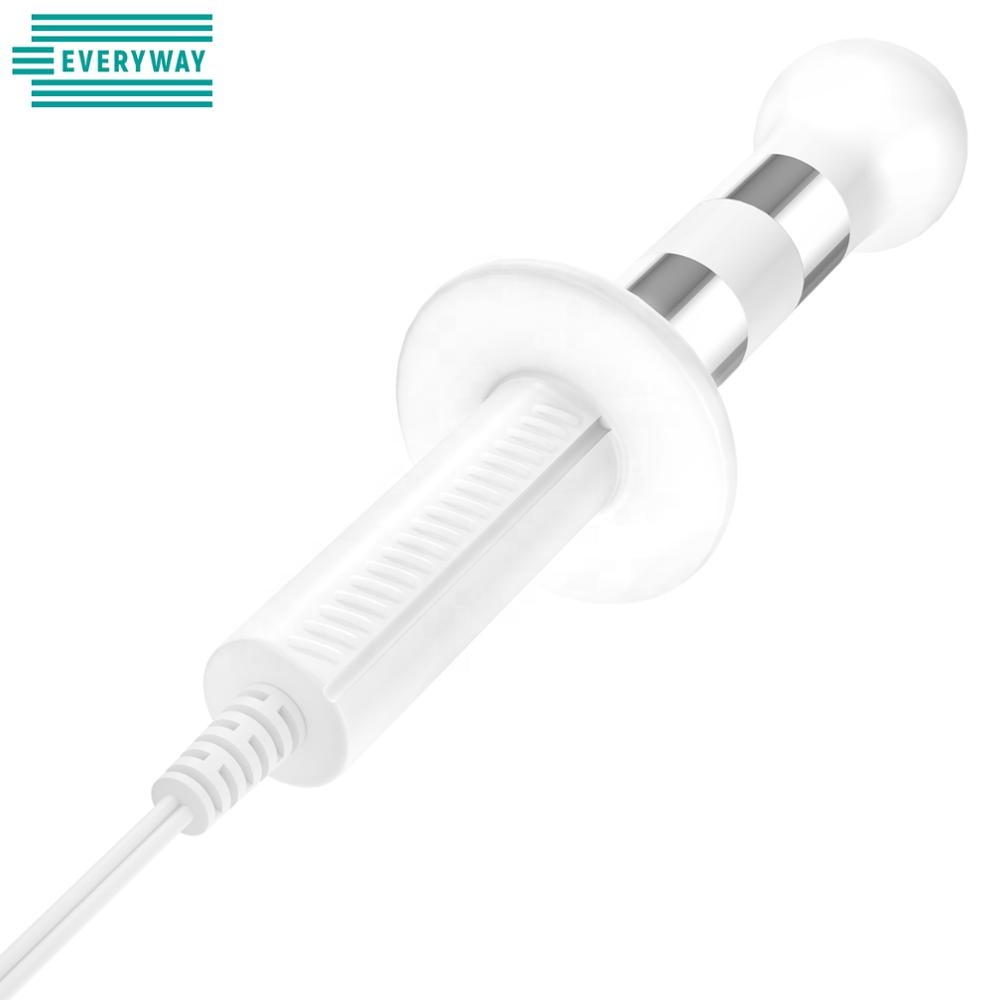
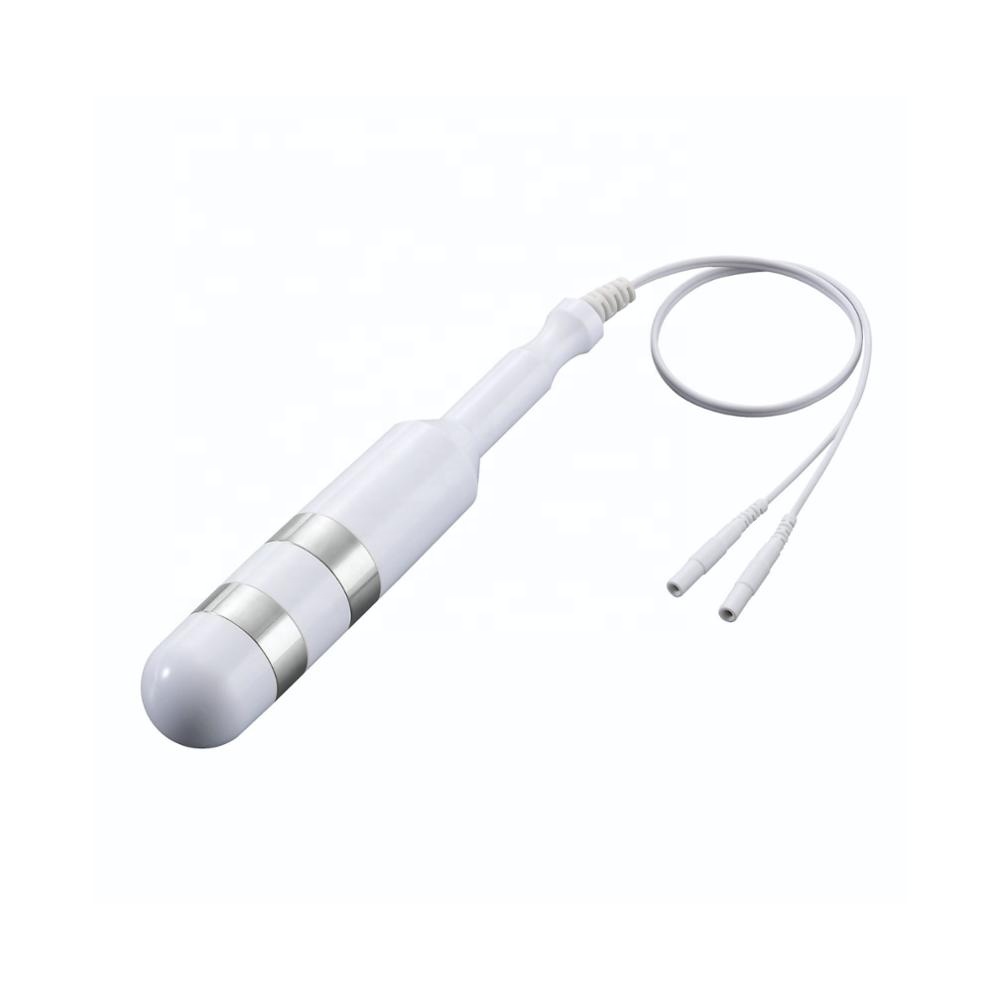
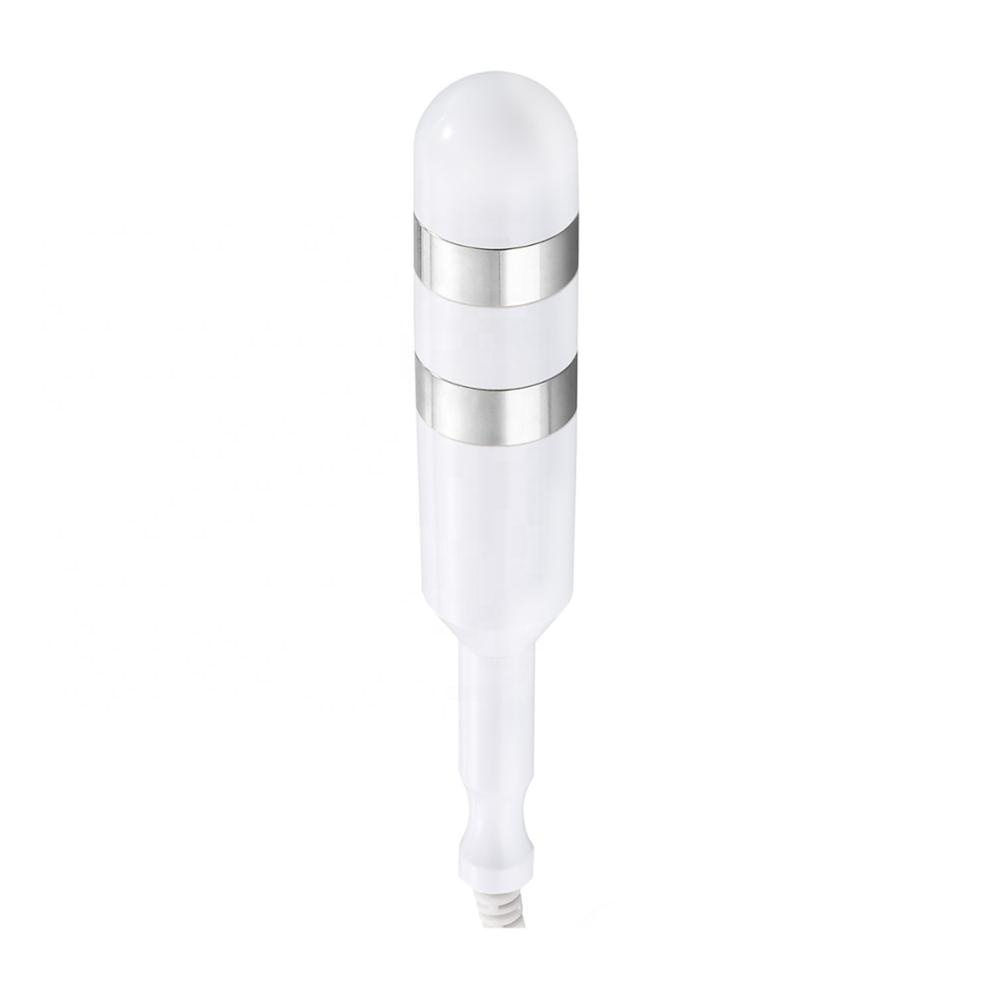
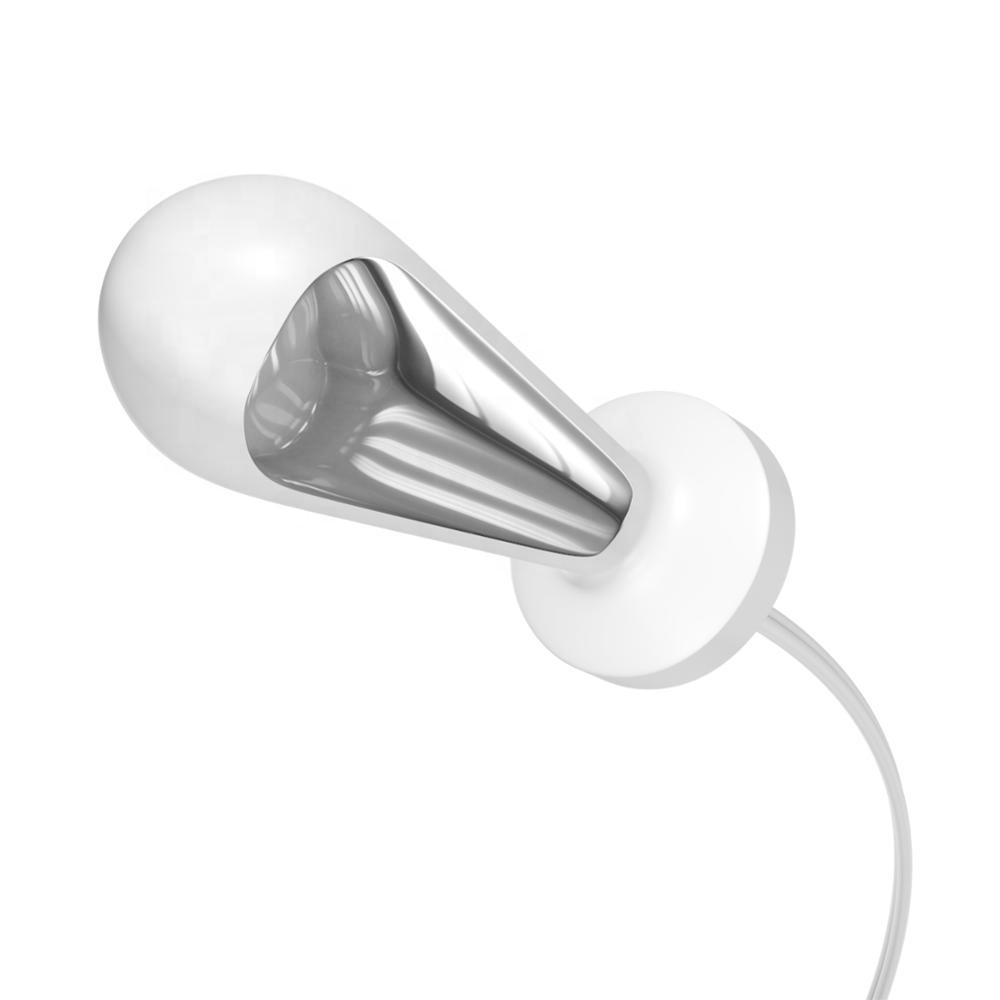
- Biocompatible Intracavity Probes: Probes such as the PR-03A and PR-13A utilize medical-grade ABS plastic molded with surgical stainless steel ring electrodes. They undergo bio-evaluation testing to ensure non-cytotoxicity, non-irritation, and non-sensitization per ISO 10993 standards.
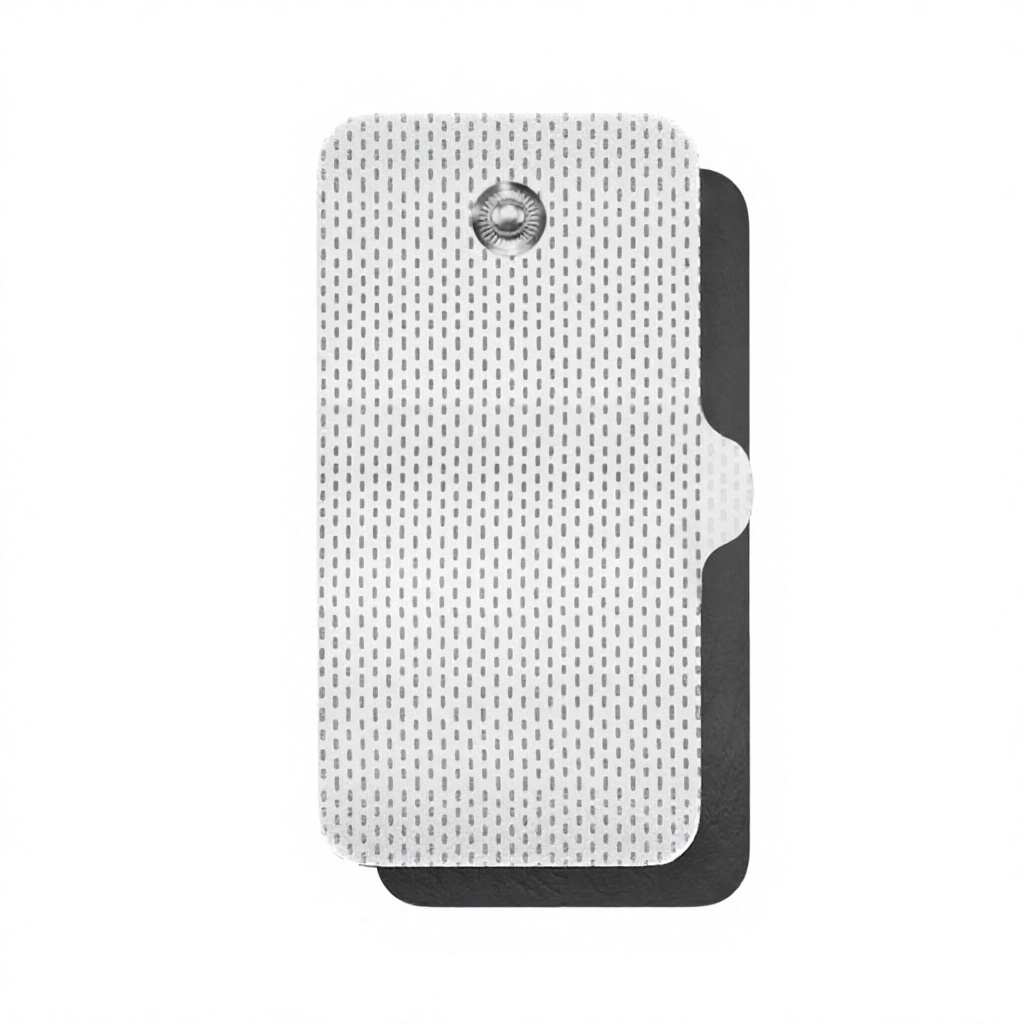
- Hydrogel Formulation & Conductivity: Self-adhesive electrode pads feature high-purity carbon film substrates bonded with non-toxic, hypoallergenic hydrogels that maintain uniform conductivity over multiple application cycles.
4. Future Technological & Engineering Development Trends (2025–2030)
The electrotherapy industry is experiencing rapid evolution driven by miniaturization, digital connectivity, adaptive feedback systems, and eco-conscious engineering. Manufacturers and wholesalers must align their multi-year procurement pipelines with these emerging technological paradigms.
A. Smart Bio-Impedance & Closed-Loop Feedback
Next-generation electrical stimulators are shifting from static pulse delivery to dynamic closed-loop systems. By measuring tissue skin impedance in real-time, microprocessors automatically adjust output voltage to maintain a constant electrical current, preventing uncomfortable sharp sensations caused by changing skin moisture or gel degradation.
B. IoT Connectivity & App-Integrated Therapeutics
Commercial and clinical distributors are increasingly requesting Bluetooth-enabled smart TENS/EMS modules. Integrated smartphone apps allow patients to access custom rehabilitation protocols, track usage compliance, and send real-time biofeedback data directly to attending physical therapists or urologists.
C. Advanced Materials & Wearable Conductive Garments
Traditional spot electrodes are being complemented by flexible conductive textile garments (gloves, socks, knee sleeves). Woven with silver or conductive carbon threads, these garments distribute therapeutic currents uniformly across complex anatomical joints, revolutionizing arthritis and peripheral neuropathy management.
D. Eco-Friendly & Sustainable Consumables
As single-use medical waste faces environmental scrutiny, research is focused on developing biodegradable hydrogel matrices and recyclable electrode backing materials. Wholesalers offering eco-compliant, non-toxic consumables will gain significant market traction in European and Scandinavian procurement tenders.
5. Global B2B Sourcing Trends & Procurement Strategy
Strategic purchasing in the medical device sector has shifted away from spot buying low-cost components toward establishing multi-year OEM/ODM partnerships with certified manufacturers. Procurement directors must analyze total cost of ownership (TCO), regulatory risk exposure, and supply chain transparency.
Key Strategic Procurement Drivers:
- Mitigating Regulatory Risk under EU MDR: Global buyers are consolidating orders with manufacturers who maintain complete Technical Documentation Files (TDF), comprehensive clinical evaluation reports (CER), and active ISO 13485 audit histories. Failure to verify MDR compliance can result in immediate border seizures and distribution halts within the European Economic Area.
- OEM Customization & Private Labeling: Building brand equity requires custom device casing colors, custom LCD interface graphics, localized multi-language instruction manuals, and tailored blister packaging. Work closely with manufacturers capable of low-risk, scalable OEM customization.
- Supply Chain Resilience via Taiwan Manufacturing Hubs: Taiwan's robust electronics ecosystem and stringent intellectual property protections make it a premier global hub for medical device manufacturing. Taiwan-made devices offer exceptional engineering fidelity, long component lifespans, and low defect rates compared to unverified alternative sources.
6. Enterprise OEM/ODM Workflow: From Prototype to Mass Output
Executing a successful private-label electrical stimulation project requires structured collaboration between the buyer's product team and the manufacturer's engineering unit. At USHC Medical Instruments, the contract manufacturing process follows a streamlined multi-stage workflow:
| Phase | Operational Milestones | Quality & Regulatory Checkpoints |
|---|---|---|
| 1. Requirement Specification | Target market analysis, therapeutic pulse specifications definition, housing design, and accessory selection (probes, lead wires, hydrogels). | Establish Product Requirements Document (PRD) and initial ISO 14971 Risk Analysis. |
| 2. Engineering & Prototyping | PCB layout design, firmware coding (pulse width, frequency, ramp times), 3D enclosure modeling, and functional prototype assembly. | Electrical safety pre-testing per IEC 60601-1 and EMC testing per IEC 60601-1-2. |
| 3. Tooling & Pilot Run | Precision steel mold tooling for plastic injection casings and intracavity probes (PR-03A / PR-13A series). Trial pilot production run. | Process validation (IQ/OQ/PQ) and biocompatibility testing per ISO 10993. |
| 4. Mass Manufacturing & Logistics | Full SMT assembly, automated hydrogel coating, 100% functional output calibration, bulk packaging, and container loading. | Final QA Batch Release, Certificate of Analysis (CoA), and CE/FDA export documentation. |
7. Comprehensive Procurement FAQ for B2B Buyers
Is USHC Medical Instruments Co., Ltd. a direct factory or a trading company? +
Which international regulatory certifications do your TENS, EMS, and probe products hold? +
What is the scope of OEM/ODM customization available for wholesale orders? +
What materials are used in your vaginal and rectal rehabilitation probes (PR-03A, PR-13A)? +
What is your production capacity for self-adhesive electrode pads? +
How do you guarantee batch-to-batch quality and electrical safety? +
What is the typical lead time for OEM orders and sample requests? +
Partner with a Certified Medical Device Manufacturer
Request our comprehensive product catalog, technical data sheets, and OEM price schedules today. Our engineering team is ready to support your custom production requirements.
Get Catalog