0%

TENS Stimulator options in 2026 range from compact wired units to wireless, wearable, and multi-channel designs. Each type delivers electrical pulses through electrodes placed on the skin, but controls, portability, and setup differ. Some models use a handheld controller and lead wires; others connect to a phone or sit beneath clothing. Small differences matter.

This guide compares the main types by how they are used, what features they offer, and who may find them practical. It also looks at everyday details: electrode placement, battery life, intensity controls, and whether the instructions are clear. A feature list can look impressive, yet be awkward to use at home. That deserves attention.

No single design suits everyone, and a device’s claims should not replace clinical advice. Check the manufacturer’s instructions, intended use, and applicable device information before buying. People with implanted electronic devices, pregnancy, reduced skin sensation, or other health concerns should ask a qualified healthcare professional whether TENS is appropriate. Comfort matters too. Stop if stimulation causes pain, irritation, or unusual symptoms, and seek guidance. This comparison is a starting point, not a diagnosis. It may miss a detail that matters to you, so consider your needs and ask questions before choosing.
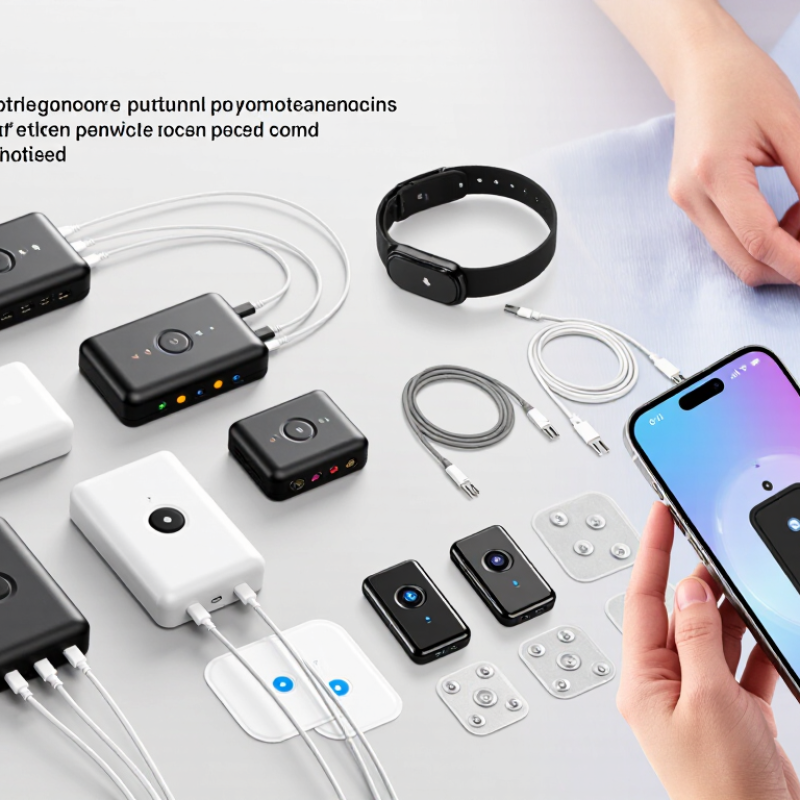
What Are the Top TENS Stimulator Types in 2026?

Understanding TENS Stimulators and Their Core Function

A TENS stimulator is a small device that sends mild electrical pulses through adhesive electrodes placed on the skin. These pulses stimulate nearby sensory nerves and may help change how pain signals are processed. The sensation is usually a steady tingling, not a sharp jolt. It should feel noticeable but comfortable.

The core function is similar across common types, including handheld units, wearable devices, and models with several stimulation modes. Their controls and electrode layouts differ. Some let users adjust pulse strength or select a program for a specific area. More settings do not automatically mean better results. Relief varies, and a device does not fix the underlying cause of pain.

Placement matters. Follow the device instructions, check that the skin is clean and intact, and start at a low setting. A clinician can help assess whether TENS is suitable, especially for people with implanted electrical devices or other health concerns. Avoid placing electrodes on the front of the neck or across the chest. The first session may feel odd. Keep notes on placement, setting, and comfort; small details can change the experience, and personal results are not always predictable.

How TENS Devices Are Classified by Design and Use

TENS devices are best classified by how they are worn, powered, and controlled—not by a single “best” ranking. Pocket units connect to adhesive pads through short wires, making electrode placement easy to adjust while seated. Wearable models attach near the treatment area and reduce dangling cables. Some combine a compact controller with reusable pads; others use a belt or wrap for a larger contact area. Small detail, big difference. Grand View Research’s electrotherapy market analysis groups TENS with other electrical stimulation technologies, a reminder that market totals can include devices with different functions. Read category figures carefully.

Use also shapes the choice. A home unit usually offers manual intensity and timing controls; a portable model may prioritize quick setup and fewer settings. Clinicians may select programs based on the person’s pain pattern, skin tolerance, and electrode position. The evidence is not equally strong for every condition, so a preset program should not be treated as a diagnosis. FDA records classify powered external TENS units as Class II devices under 21 CFR 882.5890. That classification addresses regulatory controls, not guaranteed relief. Check pad instructions, inspect skin after use, and ask a clinician about placement if pain is persistent or the device feels uncomfortable. The practical question is simple: which design can you position consistently and operate safely?

The Main TENS Stimulator Types in 2026

What Are the Top TENS Stimulator Types in 2026?

The Main TENS Stimulator Types in 2026

TENS devices differ mainly in their electrical pulse patterns and controls. Conventional, or high-frequency, TENS delivers rapid pulses that may feel like a steady tingling. Low-frequency, acupuncture-like TENS uses slower pulses and often produces small muscle twitches. Burst-mode units deliver groups of pulses, while modulated units vary pulse settings to reduce the feeling of adaptation. Wearable models place compact electrodes near the treatment area, which can be useful during routine tasks.

No type is best for everyone. A 2022 systematic review in BMJ Open, the meta-TENS study, examined 381 randomized trials and found moderate-certainty evidence that TENS can reduce pain during or shortly after treatment. However, the review assessed TENS overall, not a definitive ranking of device types. That distinction matters. A comfortable sensation and correct electrode placement are practical starting points, but evidence for one waveform outperforming another remains limited.

Tips: Begin with clean, dry skin and follow the device instructions for electrode spacing and intensity. The sensation should feel strong but comfortable, not sharp or burning. Check with a clinician before use if you have an implanted electronic device, reduced skin sensation, or uncertainty about electrode placement. Small details matter.

Comparing Channels, Controls, and Electrode Setups

TENS units are easiest to compare by channel count, control style, and electrode layout. A single-channel model connects one pair of pads, which can suit a small treatment area. Dual-channel units allow two pairs, useful when a clinician recommends treating nearby areas at the same time. More channels are not automatically better. Extra leads can make placement harder to manage.

Controls range from basic intensity and mode buttons to screens with adjustable pulse settings and timers. Preset modes are simple to navigate, but their labels do not guarantee a better result. Manual controls offer more choice, though changing several settings at once can make it difficult to tell what feels comfortable. Small buttons can also be awkward to use with tired hands. Simple can be enough.

Electrode setups matter as much as the device. Two larger pads may cover a broad area, while smaller pads allow more focused placement; lead length affects how easily pads reach the intended site. Check that replacement electrodes fit the unit and that the adhesive suits your skin. Follow the device instructions, and ask a qualified health professional about placement if you have an implanted electrical device, reduced sensation, or another relevant health concern. Avoid placing electrodes on broken skin or where the manual advises against use.

Choosing a TENS Stimulator Type for Individual Needs

Choosing a TENS stimulator type starts with the sensation and routine that suit you. Conventional, high-frequency TENS uses rapid pulses, often felt as a steady tingling. It may suit people seeking temporary relief without strong muscle contractions. Low-frequency or acupuncture-like settings use slower pulses and may create a stronger twitching sensation. Burst modes deliver groups of pulses, combining features of both approaches.

Fit matters. A compact, battery-powered unit may work better for travel, while a model with clear controls can be easier to adjust at home. Wireless designs reduce dangling leads, but small controls can be awkward to operate. A feature list can mislead; electrode placement, comfort, and the ability to follow instructions matter more. That part is easy to overlook.

Match the device to your needs, not a claimed “top” ranking. Check that its instructions explain electrode placement and intensity adjustment. Start at a comfortable level, and stop if the sensation becomes painful or causes skin irritation. TENS may not suit everyone, especially people with implanted electrical devices. Ask a qualified health professional before use if you are unsure, pregnant, or managing a medical condition. There is no single best setting. What feels mild to one person may feel too intense to another.

FAQS

What is the difference between single-channel and dual-channel TENS units?

A single-channel unit connects one pair of electrode pads. It may suit a smaller treatment area. A dual-channel unit connects two pairs, which can cover nearby areas when recommended by a clinician. More leads can be harder to manage.

Are more channels always better?

No. Extra channels do not automatically improve comfort or results. They can make pad placement more complicated. Simple can be enough.

What controls should I look for?

Basic units offer intensity and mode buttons. Other models include screens, timers, or adjustable pulse settings. Preset labels do not guarantee a better result. Small buttons can be awkward with tired hands.

How do electrode size and lead length matter?

Larger pads can cover a broader area. Smaller pads allow more focused placement. Longer leads may help pads reach the intended site. Check that replacement electrodes fit and that their adhesive suits your skin.

What are conventional, low-frequency, and burst modes?

Conventional, high-frequency TENS often feels like steady tingling. Low-frequency settings may create a stronger twitching sensation. Burst mode delivers groups of pulses. Sensations vary from person to person.

Should I choose a wireless or portable unit?

A compact, battery-powered unit may be convenient for travel. Wireless designs reduce dangling leads. But their controls may be small. I might be overthinking the features; comfort and clear instructions matter more.

How should I adjust the intensity?

Start at a comfortable level and follow the device instructions. Stop if the sensation becomes painful or your skin becomes irritated. There is no single best setting.

When should I ask a health professional before using TENS?

Ask a qualified health professional if you are pregnant, managing a medical condition, or unsure about use. Seek advice if you have an implanted electrical device or reduced sensation. Avoid broken skin and any area the manual warns against.

Conclusion

A TENS Stimulator is a device that delivers mild electrical impulses through skin electrodes to help manage pain. In 2026, these devices can be grouped by their design and intended use, including compact wearable models, handheld units, and systems with multiple channels for treating more than one area at a time. Different types may offer simple preset programs or more adjustable settings, so their controls and electrode arrangements can vary considerably.

When choosing a TENS Stimulator, consider where and how often you plan to use it, how many treatment areas you need to cover, and whether straightforward controls or greater customization matter most. Electrode placement, comfort, portability, and ease of operation can also influence the fit. Individual needs differ, and TENS may not be suitable for everyone; consult a qualified healthcare professional for guidance, especially if you have a medical condition or are unsure how to use the device.

Olivia

Olivia

Olivia is a professional marketing specialist who combines a deep understanding of the company’s products with a talent for making useful information clear and engaging. She regularly contributes expert articles to the company website, sharing practical guidance, product insights, and perspectives......