Choosing the best TENS Unit for pain relief in 2026 depends on more than brand or price. The right device should match your needs, feel comfortable, and be simple to use. For example, someone managing occasional shoulder tension may value a compact unit, while another person may prefer larger controls and clear display settings. Electrode placement, adjustable intensity, battery life, and replacement-pad availability also affect everyday use. Small details matter.
This guide compares common features to help you make a more informed choice. It explains what TENS therapy can and cannot do, which specifications deserve attention, and how to use a device according to its instructions. A TENS Unit may offer temporary relief for some people, but results vary, and it does not address every cause of pain. That uncertainty matters. If pain is severe, persistent, unexplained, or accompanied by concerning symptoms, seek advice from a qualified healthcare professional. People with implanted electronic devices or other relevant health conditions should check with a clinician before using TENS. The best option is not necessarily the most expensive one; it is a suitable, well-understood device that fits your circumstances. Even careful comparisons cannot predict exactly how your body will respond.
The need for practical pain relief is substantial. The CDC’s 2023 report, based on 2021 National Health Interview Survey data, found that 20.9% of U.S. adults experienced chronic pain. Another 6.9% had high-impact chronic pain, which frequently limited life or work activities. That is not a niche problem. It may mean a stiff shoulder during a commute, or pain that disrupts sleep night after night. Still, one national percentage cannot describe every person’s experience.
For someone comparing TENS units in 2026, those figures explain the interest, not which device works best. The National Center for Complementary and Integrative Health says research on TENS has produced mixed results, with findings varying by pain condition. So a device should not be treated as a guaranteed fix. Comfort matters: pads should sit securely, controls should be easy to adjust, and stimulation should feel strong but not painful. Small details count. A unit that is awkward to use may stay in a drawer. It is also worth asking a healthcare professional whether TENS fits a person’s symptoms and care plan. The evidence is imperfect, and product features cannot resolve that uncertainty.
CDC estimates of chronic pain among U.S. adults, 2021
In 2021, 20.9% of U.S. adults had chronic pain. Among all adults, 6.9% had high-impact chronic pain—pain that frequently limited life or work activities.
Source: CDC, National Health Interview Survey, 2021.
TENS, or transcutaneous electrical nerve stimulation, delivers mild electrical pulses through adhesive pads on the skin. These pulses activate sensory nerves beneath the pads. You may feel a light tingling, tapping, or buzzing. It should not feel sharp or painful.
Sensory signals can influence how pain messages are processed along the nervous system, which may temporarily change how strongly pain is felt. Some stimulation patterns may also engage the body’s own pain-modulating systems. Effects vary, and TENS does not heal an injury or reveal its cause. That distinction matters.
A useful unit has adjustable intensity and straightforward controls. Start low, then increase the setting until the sensation feels strong but comfortable. Follow the device instructions for pad placement; avoid irritated or broken skin. Stop if you feel pain, burning, or unusual symptoms. Evidence for TENS differs by condition, so relief is not guaranteed. That can be frustrating. Ask a health professional before using it if you have an implanted electronic device, are pregnant, or are unsure whether it is suitable for you.
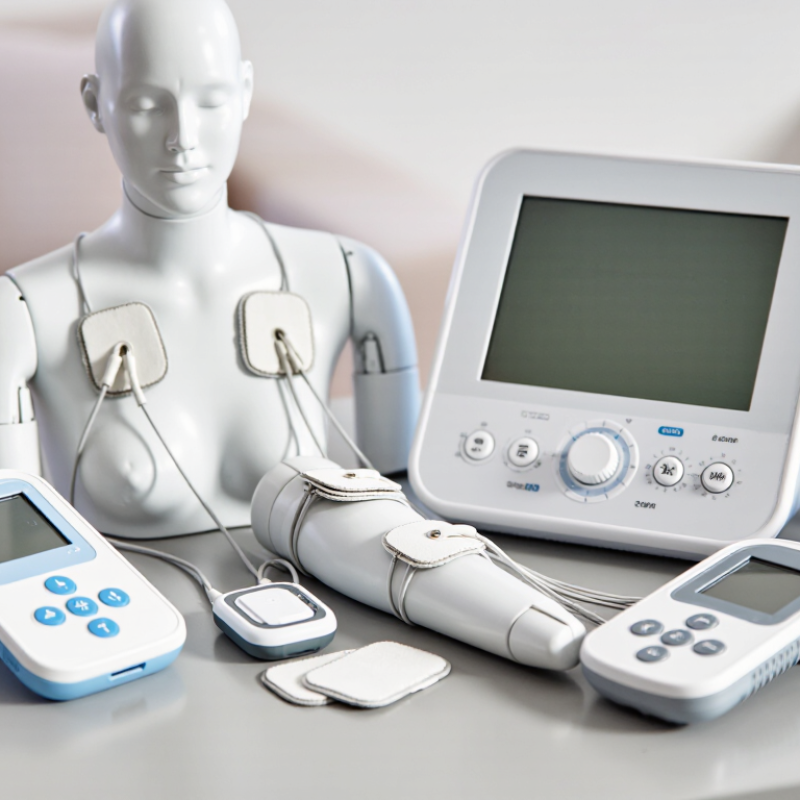
A TENS unit may look simple: two adhesive pads, a lead wire, and a small controller. Regulation matters, though. Under 21 CFR 882.5890, the FDA classifies transcutaneous electrical nerve stimulators as Class II medical devices. This category generally involves special controls, such as performance and labeling requirements; it does not mean every device is FDA-approved or guaranteed to relieve pain. Check the exact model in the FDA’s 510(k) database, and distinguish “FDA-cleared” from vague claims of FDA registration. That distinction is easy to miss.
The need for careful choices is real. CDC data from the 2021 National Health Interview Survey found that 20.9% of U.S. adults had chronic pain, while 6.9% had high-impact chronic pain. A TENS unit may help some people manage symptoms, but results vary. Follow the device instructions for electrode placement and intensity; avoid placing pads on the front of the neck, over broken skin, or across the chest. If you have an implanted electrical device, reduced sensation, or questions about use during pregnancy, ask a healthcare professional first. No unit is perfect. I’d look for clear warnings, readable instructions, and a specific FDA clearance record—not flashy promises.
A practical, brand-neutral comparison guide. The most suitable device depends on its intended use, safety features, fit with your needs, and instructions for use.
| Comparison Dimension | Verified Information | What to Check When Choosing |
|---|---|---|
| FDA device classification | In the United States, transcutaneous electrical nerve stimulators (TENS) are Class II medical devices under FDA regulation 21 CFR 882.5890. | Confirm that the device is legally marketed for the intended use. Class II status is a regulatory classification, not a guarantee that a device will relieve pain for every user. |
| FDA clearance versus approval | Many medical devices are marketed through FDA 510(k) clearance. “Cleared” and “FDA-approved” are not interchangeable terms; the applicable status depends on the device and its regulatory pathway. | Check the exact device and intended use in FDA records when regulatory status matters. Be cautious of vague claims such as “FDA registered” presented as proof of clearance or effectiveness. |
| Intended use | TENS delivers electrical pulses through electrodes on the skin. Devices and their labeling may differ in the types of pain or use situations they describe. | Read the device labeling and choose one whose stated intended use matches your situation. Ask a clinician whether TENS is appropriate for your type of pain. |
| Adjustable stimulation | TENS devices can differ in available intensity controls, programs, and pulse settings. There is no single setting that is best for everyone. | Look for controls you can understand and adjust gradually. Follow the instructions; stimulation should not be painful, and settings should not be changed to override safety guidance. |
| Electrodes and skin contact | Electrodes conduct current through the skin. Poor contact, damaged pads, or irritated skin can affect comfort and safe use. | Check that compatible replacement electrodes are available and that the instructions explain placement, cleaning, and replacement. Do not place electrodes on broken, infected, or irritated skin unless a clinician specifically advises otherwise. |
| Placement precautions | Electrode placement matters. Safety instructions commonly warn against placing electrodes across the chest, on the front or sides of the neck, or near the eyes or mouth. | Use only the placements shown in the device instructions or recommended by a qualified healthcare professional. Do not use TENS while driving, operating machinery, or in water. |
| Implanted or electronic medical devices | Electrical stimulation may interfere with some implanted electronic devices, such as pacemakers or implanted defibrillators. | If you have an implanted device, get advice from your cardiologist or device specialist before using TENS. Do not assume that a particular electrode location makes use safe. |
| Pregnancy and medical conditions | Safety may depend on the person, the treatment area, and the device. Pregnancy, reduced skin sensation, seizure history, or significant medical conditions may require professional guidance. | Ask a healthcare professional before use if you are pregnant, have reduced ability to feel the skin, or have a condition that could affect safe placement or sensation. Follow the device-specific warnings. |
| Power and usability | Units differ in power source, controls, display, portability, and electrode-lead configuration. These practical differences do not by themselves establish clinical effectiveness. | Choose controls and a power source you can manage comfortably. Review the instructions, battery requirements, and availability of compatible consumables before purchase. |
| When to stop and seek advice | Stop use if you experience skin irritation, burns, unusual pain, dizziness, or another unexpected reaction. TENS does not identify the cause of pain. | Seek medical advice for new, severe, worsening, or unexplained pain, and if symptoms persist. Do not use TENS to delay evaluation of a potentially serious condition. |
Safety note: This table is general information, not a diagnosis or treatment recommendation. Follow the specific device labeling and consult a qualified healthcare professional when unsure whether TENS is suitable for you.
The best TENS unit in 2026 depends on where you feel pain and how you plan to use it. Compare channel count before comparing extra features. Two independent channels can let you adjust stimulation for two areas, while a single-channel unit may be simpler for one treatment zone. More channels are not automatically better. Setup should feel manageable, not like a small engineering project.
Waveforms and controls shape the experience. Some units offer steady pulses; others cycle intensity or pulse patterns. These options may feel different, but no waveform guarantees better pain relief for everyone. Look for clear labels, readable controls, and intensity buttons you can adjust without taking your eyes off the screen. Small details matter. A confusing interface can make a device frustrating, especially when you are already uncomfortable.
Check electrode options closely. Larger pads may suit broad areas, while smaller pads can be easier to position around a localized spot. Reusable pads need cleaning and eventual replacement, so check their care instructions and availability. Lead length matters too: short wires can limit placement near a chair or bedside. Follow the device instructions, and ask a qualified clinician about safe use if you have an implanted electrical device, reduced skin sensation, or uncertainty about electrode placement. TENS response varies; keep a simple note of settings and comfort, and reassess if irritation develops.
For chronic primary pain, NICE gives a clear caution: do not offer TENS as a treatment. Its guideline, NG193, published in 2021, defines chronic pain as lasting or recurring for more than three months. Chronic primary pain is not adequately explained by another diagnosis. That distinction matters. NICE’s evidence review found the research too uncertain to support routine TENS use for this group. The recommendation does not mean TENS is unsuitable for every type of pain, or that a device cannot feel soothing. It means evidence for chronic primary pain does not justify presenting it as a proven solution.
For people considering TENS, expectations should stay modest. A temporary tingling sensation may distract from pain, but it does not identify or treat its cause. Evidence reviews have also highlighted limitations such as small studies and inconsistent methods. Not a cure. Ask a clinician whether your pain fits the chronic primary pain category, especially if symptoms are new, worsening, or unexplained. NICE NG193 is guidance, not an individual diagnosis.
Tips: If a clinician agrees TENS is appropriate, follow the device instructions and place pads only on intact skin. Stop if the stimulation causes discomfort, and seek advice before use if you have an implanted electrical device. Keep a simple pain diary; it may show whether any relief is meaningful in daily life.
A 2023 CDC report found that 20.9% of U.S. adults had chronic pain. Another 6.9% had high-impact chronic pain. These figures show the scale, but not anyone’s individual experience.
It sends mild electrical pulses through adhesive pads on the skin. You may feel tingling, tapping, or buzzing. It does not heal an injury or identify its cause.
No. Start with low intensity and increase it until the sensation feels strong but comfortable. Stop if you feel pain, burning, or unusual symptoms. Comfort matters.
No. Research findings are mixed and can vary by pain condition. Relief is not guaranteed, which can be frustrating. A device’s features cannot remove that uncertainty.
Two independent channels may let you adjust stimulation for two areas. One channel may be simpler for a single treatment zone. More channels are not automatically better.
Not necessarily. Steady pulses and changing patterns may feel different, but no waveform guarantees better relief for everyone. Clear controls may matter more during everyday use.
Larger pads may suit broad areas, while smaller pads can be easier to position near a localized spot. Check pad-care instructions and replacement availability. Short wires can limit placement beside a chair or bed.
Ask if you have an implanted electronic device, are pregnant, have reduced skin sensation, or are unsure about pad placement. Avoid irritated or broken skin. I might still find setup awkward, so it helps to reassess comfort and settings.
With 20.9% of U.S. adults reporting chronic pain in 2021, according to the CDC, many people look for practical ways to manage discomfort. A TENS Unit delivers mild electrical pulses through skin electrodes to stimulate sensory nerves. When comparing devices in 2026, consider the number of channels, available waveforms, ease of control, and electrode options, as well as whether the settings suit your needs and comfort.
TENS devices are classified by the FDA as Class II medical devices, but that classification is not a guarantee that they will work for everyone. Evidence and recommendations also vary by pain condition: NICE guideline NG193 advises against TENS for chronic primary pain. The best choice therefore depends on the type of pain, personal preferences, and professional guidance. Review the device instructions and consult a healthcare professional, particularly if you have a medical condition or are unsure whether TENS is appropriate for you.